

10 Peace Corps Alternatives to Inspire You to Volunteer Abroad
Learn about why the Peace Corps may not be right for you and explore alternatives for impactful volunteering abroad.

If you've thought about joining the Peace Corps, you're not alone. More than 230,000 Americans have served in the Peace Corps, helping communities across the globe in sectors as varied as education, health, youth development, environmental conservation, and more.
Many volunteers join for a number of reasons including a $10,000 stipend upon completion, assistance with student loans, medical and dental care while you're volunteering, and career support like TEFL training.
However, despite these many benefits, the Peace Corps may not be a perfect fit for everyone. Read on to learn reasons not to apply and what other volunteer abroad options exist for you.
Reasons not to join the Peace Corps
There are several reasons you may not choose to join the Peace Corps. Some of the most common include:
- Don’t meet the requirements: There are specific requirements for acceptance to the Peace Corps. For many positions, you’ll need at least a bachelor’s degree and some require fluency in another language. You will also need to pass a health check confirming good physical and mental health.
- Can’t commit to two years: Peace Corps placements aren’t for the faint of heart. You will need to commit to staying and working at your site for two years. You will also not be allowed to travel during the first 6 months of service.
- Don’t want to leave a partner, children, or pets behind: Children and pets are not permitted to accompany you on your assignment. While couples can apply together, placements for two people are limited and much more competitive.
- Unsure about your desired project: When you apply, you are required to select a project area.
- Not comfortable with very basic living conditions: Housing in the Peace Corps is generally spartan with some sites lacking access to reliable water and electricity.
- Inflexible with placement location: While you can make your geographic preferences known on your application, you’ll ultimately be sent where there is the most need.
Alternatives to the Peace Corps
The Peace Corps is far from your only option for long-term, meaningful volunteering abroad. The following providers are among some of our favorites that offer flexible, impactful programs. Help make a difference in communities worldwide!
Read more: Best Volunteer Abroad Programs for Young Professionals
1. GVI
Best for community engagement
Program length: 1-24 weeks
Price point: $$
What's included: accommodations, airport transfer, some meals, some activities
Types of programs: teaching, healthcare, animal care, gender equality, climate change and conservation
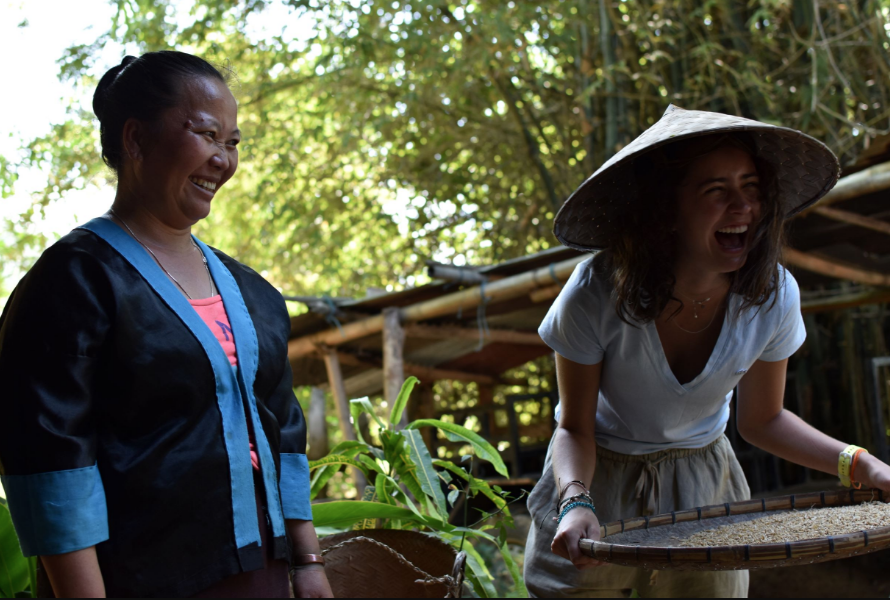
Whether you're interested in marine conservation, education, sustainable development, public health, women's empowerment, or everything in between, there is a program for you with GVI!
Additionally, their programs run from one week to a year or more, so regardless of how much time you have to commit, you're sure to be able to fit this into your schedule. They even have online programs which offer participants maximum flexibility.
"The fact that GVI are so well respected within the local community just goes to show the extent of the impact that GVI are creating, and it was amazing to be a part of the positive work going on."
Program Details
2. SAVE Volunteering
Best for sustainable change

Program length: 2 - 6 weeks
Price point: $$
What's included: accommodations in a hostel, meals, transportation, 24hr support
Types of programs: conservation, teaching, community support and development
When it comes to the Peace Corps, nearly 45% of all volunteers are placed on the African continent, so if you're thinking of going to one of these 54 countries you're not alone! SAVE Volunteering, headquartered in South Africa, places volunteers throughout the continent, in South Africa, Ghana, Uganda, Tanzania, Malawi, Namibia and Kenya. Their volunteers work in education, wildlife conservation, community development, construction, and more. And as they put it, "Stay for two weeks, two months or two years."
Truly there is no experience quite like it, I grew so much as a person and learned so much about the world around me. The connections I made have made me into a new person, South Africa will always have a very big piece of my heart!
Program Details
3. Fuze Ecoteer Outdoor Adventures
Best for adventure
Program length: 2 - 4 weeks
Price point: $$
What's included: accommodations in a hostel, meals, activities, transportation
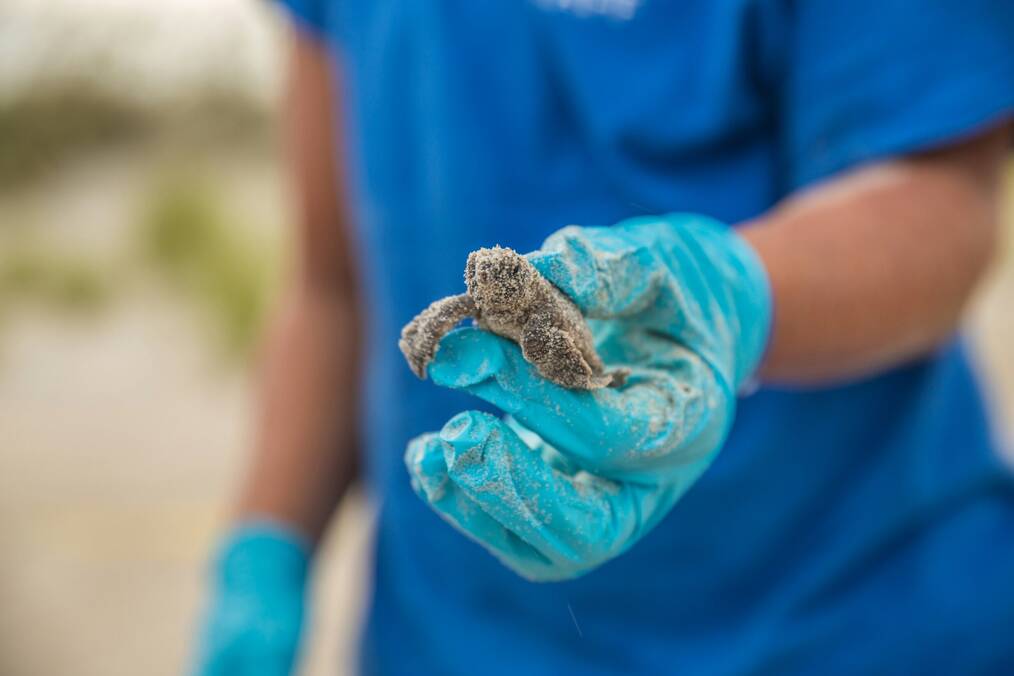
Types of programs: teaching and advocacy, turtle conservation, climate change and environmental conservation
If you find yourself most interested in working in environmental conservation, then Fuze Ecoteer Outdoor Adventures might have a program for you. Their mission is to "connect people with nature" and they offer placements in environmental conservation in Malaysia. These programs are great for folks who have busy schedules and don't have too much time to commit to volunteering, as they run from two to four weeks.
"It was definitely eye-opening as it was also hands-on. It was a good combination of volunteer work and relaxation, as you get some downtime to go snorkeling at Perhentian's beautiful and clean waters or just relax by the beach. I had an amazing time and I would definitely recommend anyone to join."
Program Details
4. Maximo Nivel
Best for flexibility
Program length: 1 - 52 weeks
Price point: $$
What's included: accommodations with host family, meals, activities, airport transfer, transportation, 24/7 in-country support, Spanish tutoring
Types of programs: wildlife rehabilitation and conservation, teaching, medical and public health, community development
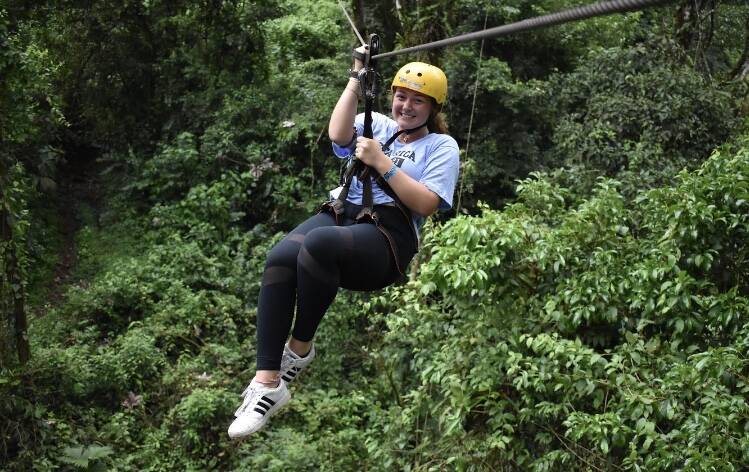
Want to volunteer for a week? Totally possible! Want to volunteer for 50 weeks? Also possible! By volunteering with Maximo Nivel, participants will have the opportunity to contribute to exciting projects like turtle conversation or teaching English, in Costa Rica, Guatemala, and Peru and volunteer for however long their heart desires!
"From the friends I have made, to the strangers on the street, I've met so many incredible people with their own beautiful stories. I have had the most incredible experience, and I can't put into words how wonderful my trip has been."
Program Details
5. IVHQ
Best for support
Program length: 1 - 24 weeks
Price point: $$
What's included: accommodations, meals, activities, airport transfer, transportation, 24/7 in-country support
Types of programs: environmental education, turtle conservation, teaching, healthcare, construction and community development
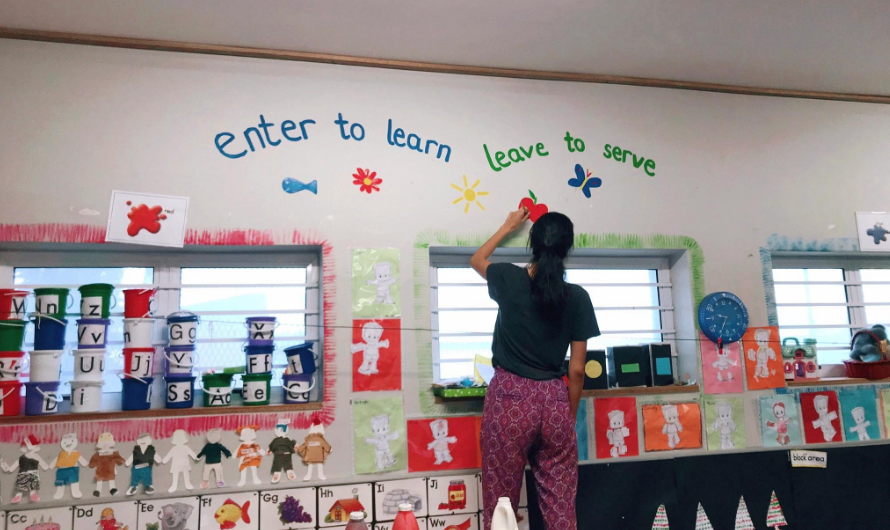
If you're not ready to commit two years to the Peace Corps, then a flexible program with IVHQ may be a better option. IVHQ offers a wide variety of safe, impactful, and supportive programs across 50+ destinations, like Bali, South Africa, and New Zealand, and their programs start at just one week and can run up to 24 weeks or more. They offer projects that run the gamut from elderly care to NGO support to refugee support, and everything in between.
Their programs are focused on providing meaningful change to local communities and the environment, while also giving volunteers the opportunity to immerse themselves in culture, meet new friends, and feel supported while abroad.
"The diving instructors on the programme were incredible. They were supportive and patient with the various diving experience of all the volunteers and made me feel at ease. This experience has inspired me to continue volunteering in marine conservation and explore other projects through IVHQ."
Program Details
6. Pacific Discovery
Best for unique experience
Program length: 4 - 12 weeks
Price point: $$$$
What's included: accommodations, meals, activities, airport transfer, transportation, 24/7 in-country support, visas, global medical rescue insurance, access to itineraries and tour guides, optional trip extensions
Types of programs: wildlife conservation, elephant care, community development
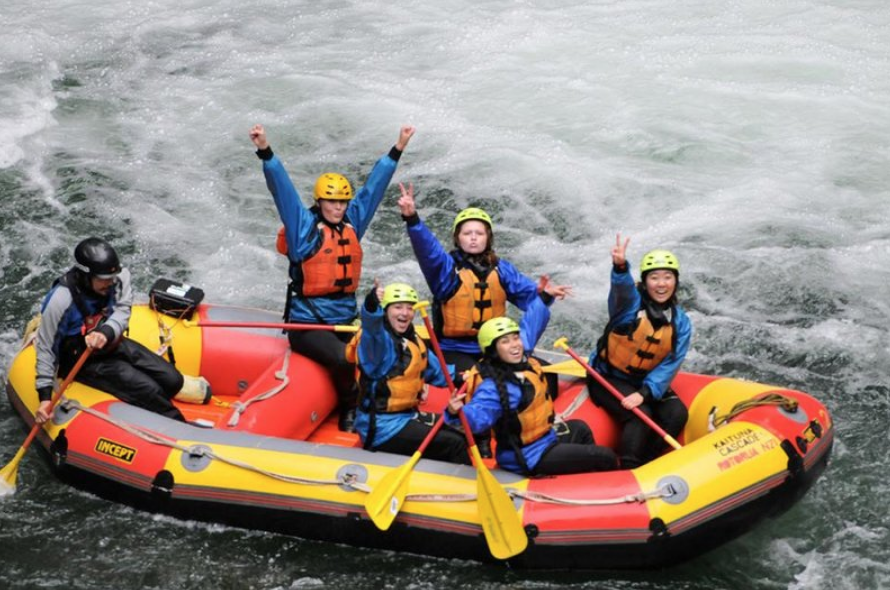
Pacific Discovery offers immersive service-learning trips across the globe for summer and semester-long adventures. These experiential educational opportunities are focused on six core components: educational travel, service learning, cultural and language immersion, sustainable adventure travel, outdoors and wilderness exploration, personal and leadership development. Their programs run four or 10 weeks and have the option for independent extension. These projects are ideal for students or recent grads who are interested in traveling in a more structured environment.
"During the nine weeks we saw so much, did so much, and learned so much, challenging ourselves in ways we could not have anticipated. Together we marched for animal rights, lived in remote Hmong villages, trekked through rice fields, kayaked through caves, bathed elephants... I was constantly pushed to step out of my comfort zone, to think deeper and to ask more questions."
Program Details
7. DAKTARI Bush School and Wildlife Orphanage
Best for variety
Program length: 1 - 8 weeks
Price point: $$
What's included: accommodations, meals, activities and trips, airport transfer, transportation, internet and telephone charges
Types of programs: conservation education, animal care
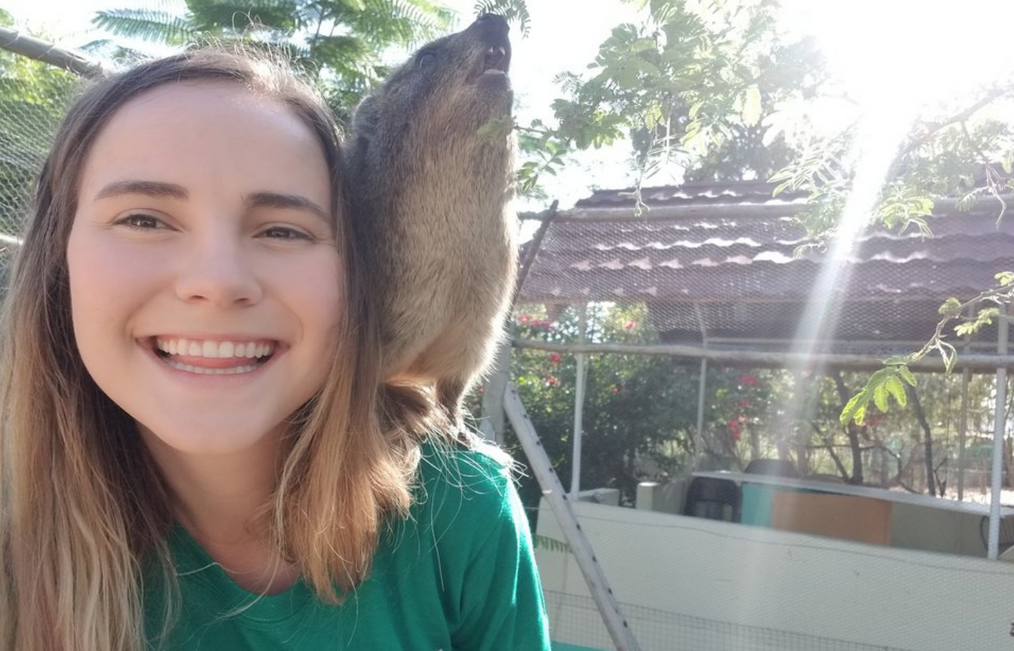
DAKTARI, located in the South African bush near Kruger National Park, aims to "educate and inspire children to value their environment and stimulate community projects." As a volunteer, you would work with local children in environmental education while also caring for animals in the orphanage. Both short and long-term positions are available, allowing most volunteers to find an option that suits their needs.
"I will recommend DAKTARI to anyone that want a life changing experience, with both animals and children, in a pleasant environment. I have now so many good memories at camp and during the excursions, but also animal and nature knowledge."
Program Details
8. Amigos de las Americas
Best for immersion
Program length: starts at 3 weeks
Price point: $$
What's included: accommodations, meals, activities and trips, COVID-19 tests, transportation
Types of programs: community development, agriculture, startup support
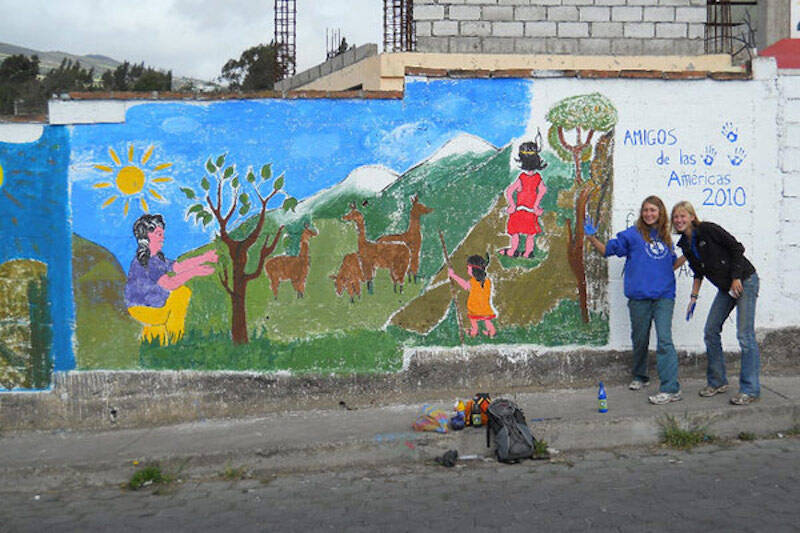
When you volunteer with Amigos de las Americas, you'll have the opportunity to meaningfully immerse yourself in Latin America. Whether you volunteer in Uruguay or Ecuador, you'll have the opportunity to live with a host family and learn Spanish while participating in service-learning activities. You could be helping to build farms, produce artisan goods, work on micro-lending projects, or even start up a hair salon. These projects run for summer, semester, and full year terms.
"Being someone who is very passionate about social and environmental justice, this program taught me so much. Getting to learn from the locals about how they are implementing sustainable practices in their everyday lives was inspiring and gave me so many new ideas about ways to live more sustainably when I returned home."
Program Details
9. Volunteering Solutions
Best for personalized programming
Program length: 1 - 24 weeks
Price point: $$
What's included: accommodations, meals, 27/7 in-country support, airport transfer, transportation
Types of programs: medical, teaching English, gender equality, environmental conservation
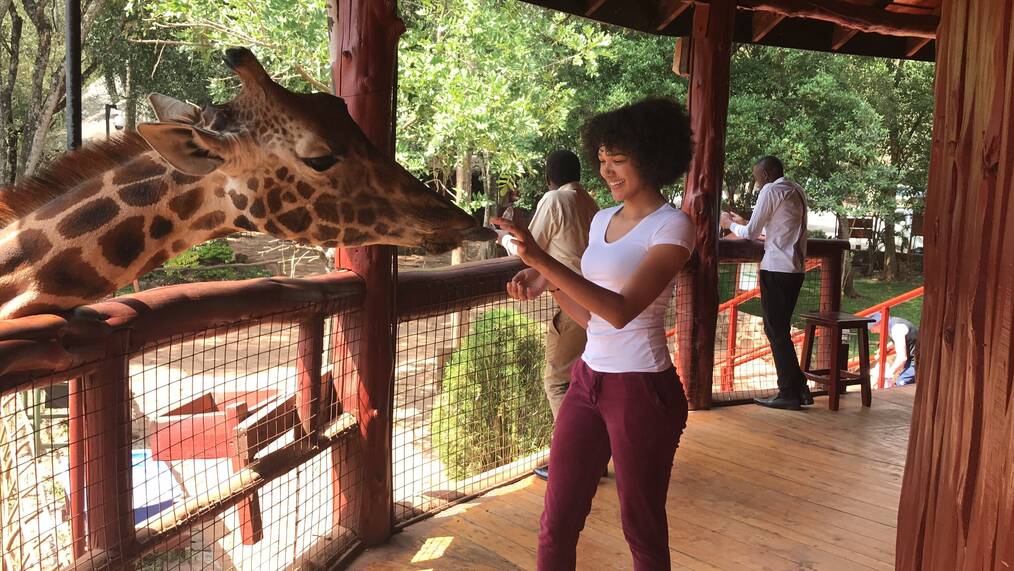
Volunteering Solutions has been helping high school and college students volunteer around the world, in exciting countries like the Philippines and Costa Rica, for the past 14 years. They offer a wide variety of programs, focused on projects such as healthcare, teaching, women empowerment, conservation, and much more. The programs are also flexible, with participants given the option to choose how long they spend abroad, which is perfect for volunteers with a busy schedule or looking for something short-term!
"I had one of the most enjoyable months of my life in Cape Town, South Africa. It was a wonderful experience to meet so many like minded volunteers from all around the world.
Program Details
10. Involvement Volunteers International (IVI)
Best for inclusivity
Program length: 1 - 12 weeks
Price point: $$
What's included:
Types of programs: public health and nutrition, women's empowerment, teaching, construction, sports, animal care
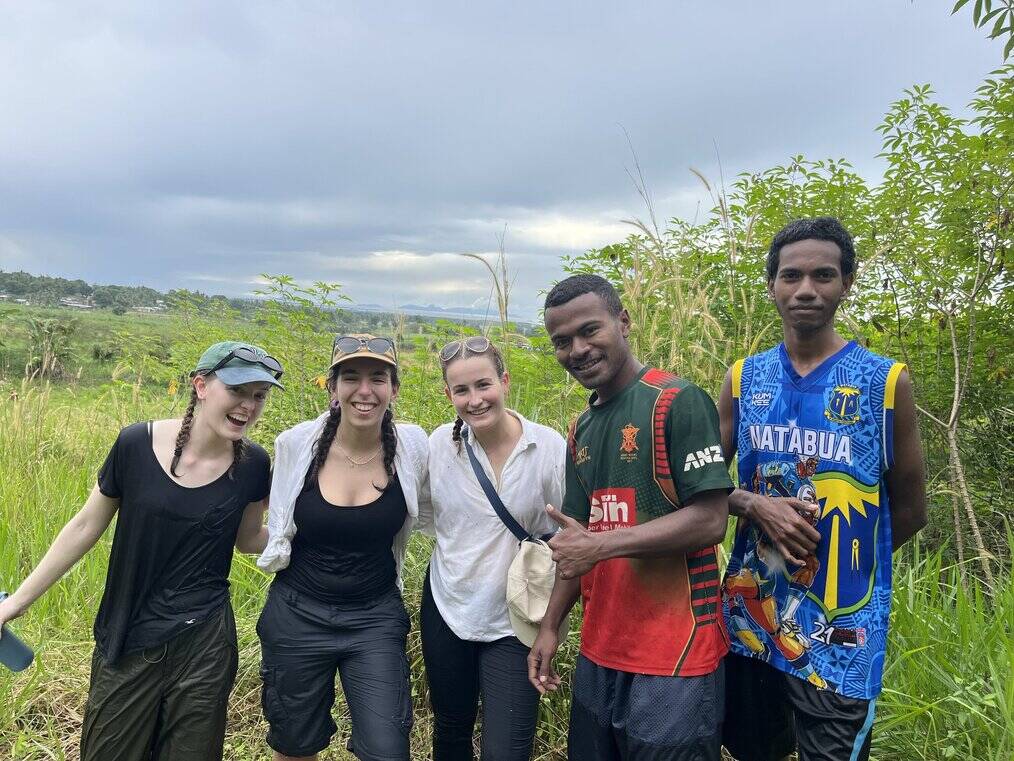
Participants in Involvement Volunteers International (IVI) Fiji volunteering programs have been overwhelmingly impressed by the welcoming and inclusive nature of the organization. From engaging with volunteers as if they were family to catering to dietary needs, IVI makes each and every participant feel special. Volunteers are integrated into the local community, staying with host families and making lifelong friends. Whether you go alone or in a group, you can expect to fit right in from day 1!
Choose from more than 10 impactful programs, including IVI's popular public health outreach and nutrition education project.
"The local team were super helpful and welcoming. We had the pleasure of meeting Masi and Mere who went above and beyond to accommodate us, treating us as their own family. The home cooked meals were delicious and provided great insight the culture of the local people."
Program Details
There's a volunteering adventure for everyone!
Finally, don't discount the value of volunteering in your own backyard. Whether it's volunteering with a local organization or working with federally-funded programs like Americorps or Teach for America, volunteering domestically can have a significant impact as well.
Whether you decide to do a volunteer vacation or commit for life, know that there are plenty of options for everyone interested in making an impact through service, whether at home or overseas.
Ready to volunteer abroad? Get started with these reads:


