Volunteer Programs in Tanzania



Volunteer Programs in Tanzania




About
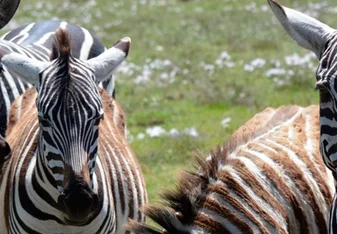
As the largest country in East Africa, Tanzania has plenty of adventures to satisfy even the most extreme case of wanderlust. For those who love the sun and sand, Tanzania offers up the white sand beaches of Zanzibar. Adventurers can stand on top of the “roof of Africa” after the long climb up Mt. Kilimanjaro or go on safari in the Serengeti or the famous and expansive Ngorongoro crater.
While Tanzania is one of Africa’s most politically stable countries, extreme poverty, lack of educational resources, and the persistence of the HIV/AIDS epidemic continue to take their toll on the Tanzanian people. Tanzania offers a variety of opportunities in many different sectors for passionate volunteers. Whether you already have training in a particular field or would like to gain experience, there are many established NGOs and non-profits operating in Tanzania that would gladly take your passion and support. Whichever program you choose, Tanzania’s wildlife, cultural diversity, and rich East African history will not disappoint.
Program Types
Health
Lack of resources and access to care present many health-related problems to the people of Tanzania, particularly those living outside of urban centers in Tanzania’s rural areas. Common illnesses are malaria, typhoid, and hepatitis A. In particular, the HIV/AIDS epidemic continues to be a problem, as the prevalence rate in the country remains high. Of the 33 million people in the world infected with HIV/AIDS, 1.2 million are living in Tanzania. Volunteers interested in health are needed not only in the clinic setting but also to educate on self-care and prevention.
Community Development
In Tanzania, 35.7% of the population lives below the UN poverty line and 80% of the population lives in rural areas. People living in these areas receive little support from the government and volunteers can help implement a variety of programs in construction, water and sanitation, education, and microenterprise that can help improve the local quality of life.
Conservation
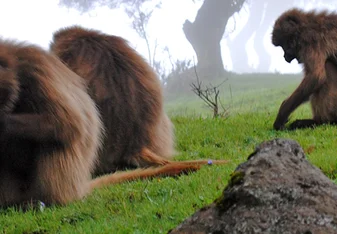
The wildlife conservation sector is important not only to biodiversity but to the economics of the country. Tanzania’s national parks, reserves, conservation areas, and marine parks account for more than one-third of the country’s territory. Volunteers are needed to help maintain and protect these lands and the animals that live on them, which aids in encouraging and improving ecotourism in the country.
Planning Your Trip
Volunteering Tips
Because of a long-time NGO culture and large presence of the tourism industry in Tanzania, Western culture is more and more integrated into Tanzanian life. While in major urban areas, volunteers will likely run into a growing community of expats. Here is a list of all of the NGOs in Tanzania. However, there are a few key customs to observe while in Tanzania that are different.
Food: Staples for traditional Tanzanian meals are beans, rice, and stiff cornmeal porridge called “ugali.” No matter what you’re eating, use your left hand whether you are using a utensil or not! This custom is related to the idea that the right hand is cleaner than the left, which is often used for cleaning after going to the bathroom.
PDA: The ability to keep calm and control one’s emotions in public is very important in Tanzanian culture. While you may see men holding hands as a sign of kinship, public displays of affection, even hand holding between men and women, is definitely off-limits.
Know Before You Go: Learning the basic greeting will get you a long way when you first arrive to Tanzania. Putting forth an effort in that way will make people more receptive in helping you find your way. Keep an open mind and be new to trying all kinds of new things once you get to know the people and places of Tanzania.
How Volunteering in Tanzania Will Help Your Future: Volunteering and networking with one of the many established Tanzanian organizations will give you great professional and interpersonal experiences with a multicultural staff. As NGOs and non-profits continue to compete for funding, you will inevitably learn how to best manage your resources to help the maximum number of people. Remember your experiences and use them when you return home.
How to Save Money While Volunteering: With the exception of major, up-scale tourist locales, Tanzania is largely cash only. Research which banks have ATM fees for your bank at home and which don’t. Use this money to shop at street markets, local shops, and restaurants as opposed to any Western supermarkets or tourist venues.
Health and Safety of Volunteers in Tanzania
Travelers to Tanzania should visit their physician or a travel clinic at least one month prior to departure. All volunteers are required to have received vaccinations for Hepatitis A, Typhoid, Hepatitis B, and Yellow Fever prior to admittance into Tanzania. Shot records are required at Tanzania’s points of entry. It is also recommended that travelers get boosters for Polio, MMR, and Tetanus-Diphtheria if their vaccinations are not up to date. It is important to maintain a malaria prophylaxis regiment during the course of your trip. Commonly pre-scribed antimalarials are Lariam, Malarone, or Doxycycline. Learn more from the CDC.
Although most trips to Tanzania are very peaceful, travelers should be wary as petty theft can be a problem in large Tanzanian centers such as Arusha, Dar es Salaam, and Zanzibar—areas frequented by foreign travelers and expatriates. Travelers should be cautious when walking in the streets. Do not carry large cameras or wear expensive jewelry and always walk with another person. It is also important to take licensed taxicabs when you need transportation at night.
Travel insurance is often required for volunteers in Tanzania but not included in the program fees. However, there are many different options, so shop around. For more information about insurance for traveling in Tanzania, check out Travel Guard or World Nomads. Visit Insure My Trip to compare the travel insurance rates of multiple companies.
Visas for Volunteering in Tanzania
A passport and visa are required for entry into Tanzania. Visas can be purchased before you leave for your trip or at any point of entry into the country. More information can be found at VISA HQ.
For up-to-date visa requirements, you should also visit both the U.S. State Department and Tanzania Embassy websites.
What People Are Saying

Related Volunteer Abroad Articles


Frequently Asked Questions
-
Where can I volunteer in Africa?
The top 10 countries to volunteer in Africa are Tanzania, South Africa, Ghana, Uganda, Madagascar, Kenya, Namibia, Zimbabwe, Malawi, and Mozambique. However, you can find volunteer opportunities in over 25+ African countries on Go Overseas.
-
Why volunteer in Africa?
There are many reasons to volunteer in Africa: to make a positive impact, to help protect wildlife, to have the opportunity to travel around beautiful countries before or after your volunteer trip, to experience rich and welcoming cultures different than your own, to enjoy a slower lifestyle, and to stand out during a future job search. Africa has a lot of diverse volunteer opportunities in various industries.