SFS Study Abroad: Ecological Resilience in Costa Rica
SFS Study Abroad: Ecological Resilience in Costa Rica

- Costa Rica
- Atenas
About Program
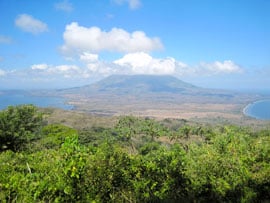
SFS programs in Costa Rica take place across the country’s diverse patchwork of rugged rainforests, cloud forests, sandy beaches, and agricultural landscapes. Courses and fieldwork focus on key environmental issues faced here such as climate change, biodiversity conservation, tourism impacts, pollution and waste management, as well as the struggle between economic growth and the maintenance of the functionality of fragile ecosystems. Efforts to preserve the wild beauty of Costa Rica are recognized worldwide, but climate change and increased urban development bring new and unforeseen challenges impacting biodiversity and food security. Conservation leaders, farmers, land managers, and policymakers must work together using regenerative strategies to build ecological resilience and adapt to climate change impacts. Our research in Costa Rica contributes vital data to innovative efforts that balance conservation and development.
Video and Photos


Program Highlights
- Monitor canopy bird populations and amphibian diversity using transect surveys in Monteverde cloud forest.
- Analyze tropical dry forest regeneration in Santa Rosa National Park to assess resilience after fire events.
- Partner with Indigenous and rural farmers to co-design agroecological systems that sustain pollinators.
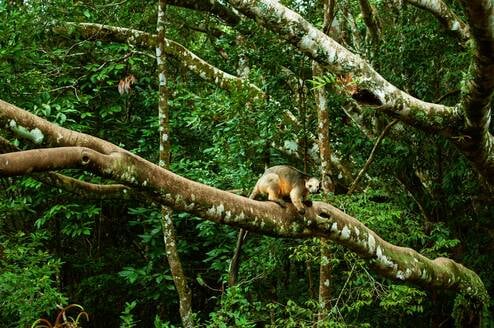
- Evaluate community-based water management strategies by monitoring mammal presence near protected springs as indicators of ecosystem health.
- Earn academic credit: 18 credits for semester programs and 4-8 credits for summer programs. Conduct a 4-credit research project during the semester program.
Popular Programs
Costa Rica’s forests and farms show how conservation works in real life. You’ll explore rain, dry, and cloud forests, do hands-on research, and meet farmers balancing nature and livelihoods. With climate change, tourism, and land-use shifts affecting biodiversity, every decision matters. You leave with field skills, data experience, and a grounded sense of community-centered conservation.
You’ll never look at a cup of coffee the same way again. Using coffee and chocolate as case studies, explore the relationships between food systems, ecology, conservation, and sustainability. Learn how different agricultural techniques have the potential to restore biodiversity and combat climate change. Study the sociocultural history of coffee and cacao, from Indigenous histories to modern production and exports.

Tackle the challenging topic of environmental justice from a community perspective. Dive deep into the themes of food sovereignty, water access and management, tourism’s impact on biodiversity, and the development of sustainable resource alternatives. Explore diverse perspectives on controversial environmental management issues, learn to conduct community-based data collection, and support community members reaching their own solutions to natural resource management and protection.


Questions & Answers
Alumni Interviews
These are in-depth Q&A sessions with verified alumni.