SFS Study Abroad: Wildlife Management in Tanzania
SFS Study Abroad: Wildlife Management in Tanzania

- Tanzania
About Program
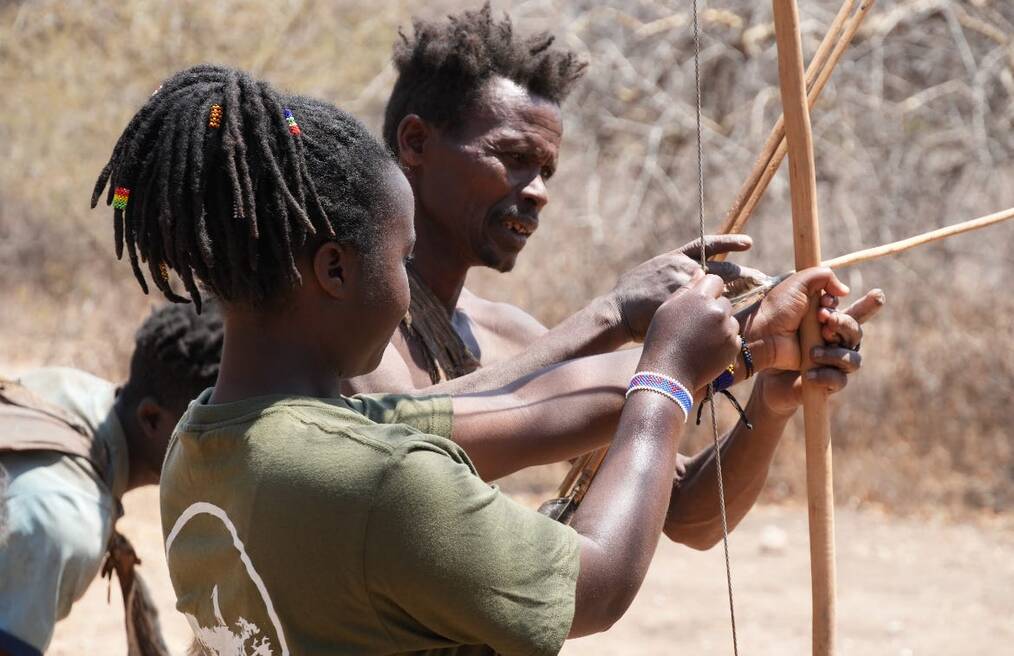
Have you ever wanted to go on safari and observe African wildlife in their natural habitat, explore some of Africa’s most famous national parks, or learn about the centuries-old traditions of the Iraqw, Hadzabe, and Maasai peoples?
SFS programs in Tanzania take place in world-famous national parks, wildlife sanctuaries and protected areas, and Indigenous communities and small villages. Courses and fieldwork focus on key environmental issues faced here such as biodiversity conservation, wildlife management, human-wildlife conflict, tourism impacts, and climate change. Tanzania has made progress in protecting its large populations of charismatic wildlife, but this rich landscape faces many challenges. Our research concentrates on understanding the impacts of climate change, habitat fragmentation, and competition for resources and promotes successful coexistence between humans and the country’s incredible wildlife.
This program offers immersive wildlife fieldwork and cultural experiences in East Africa, fostering close community bonds and hands-on research. Academics can be challenging and differ from U.S.
Video and Photos



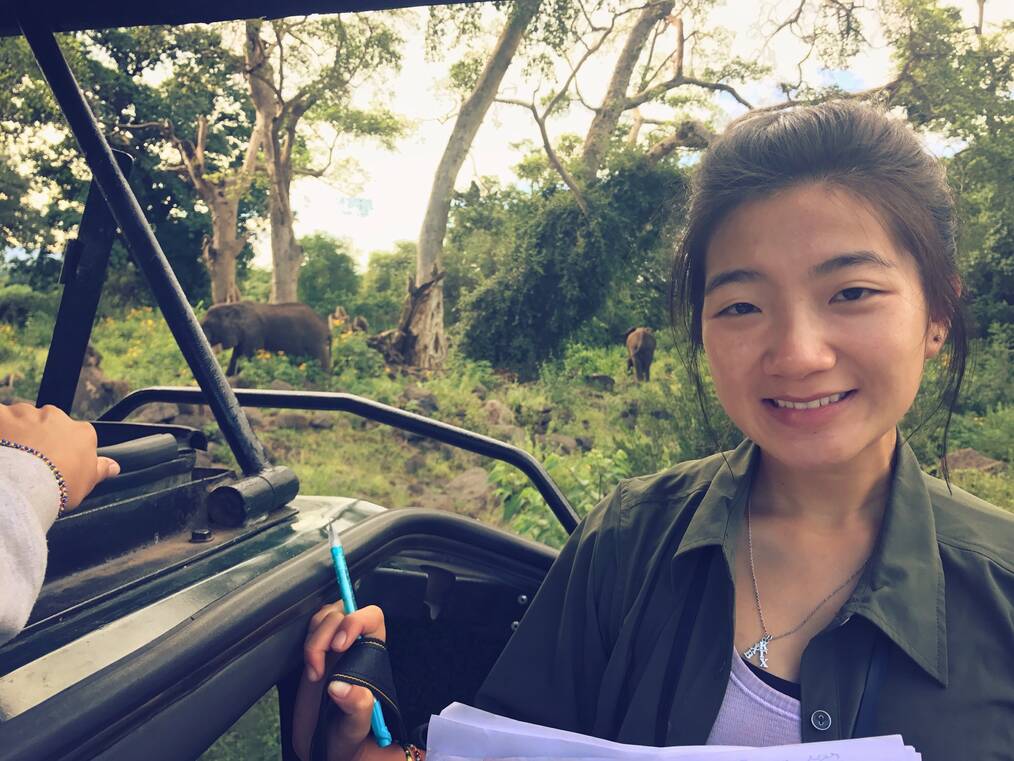
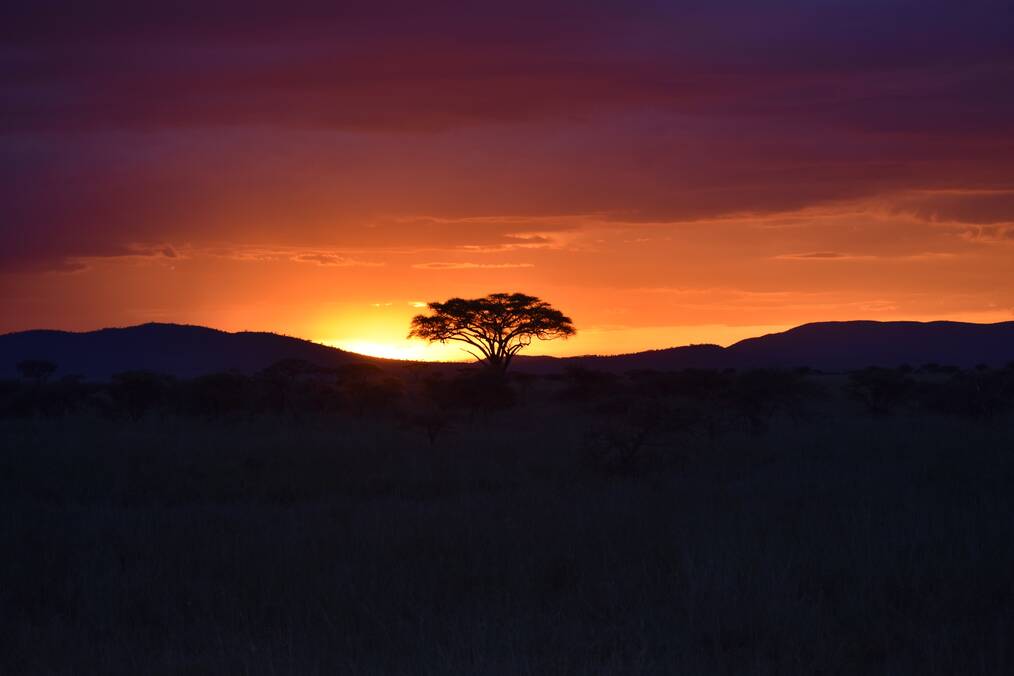
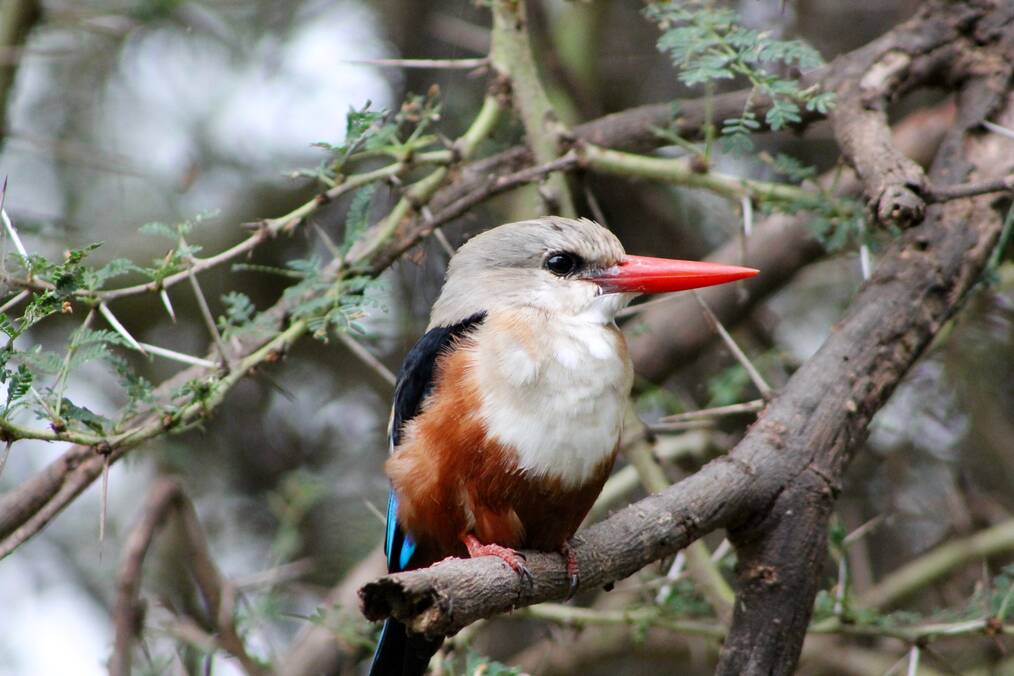
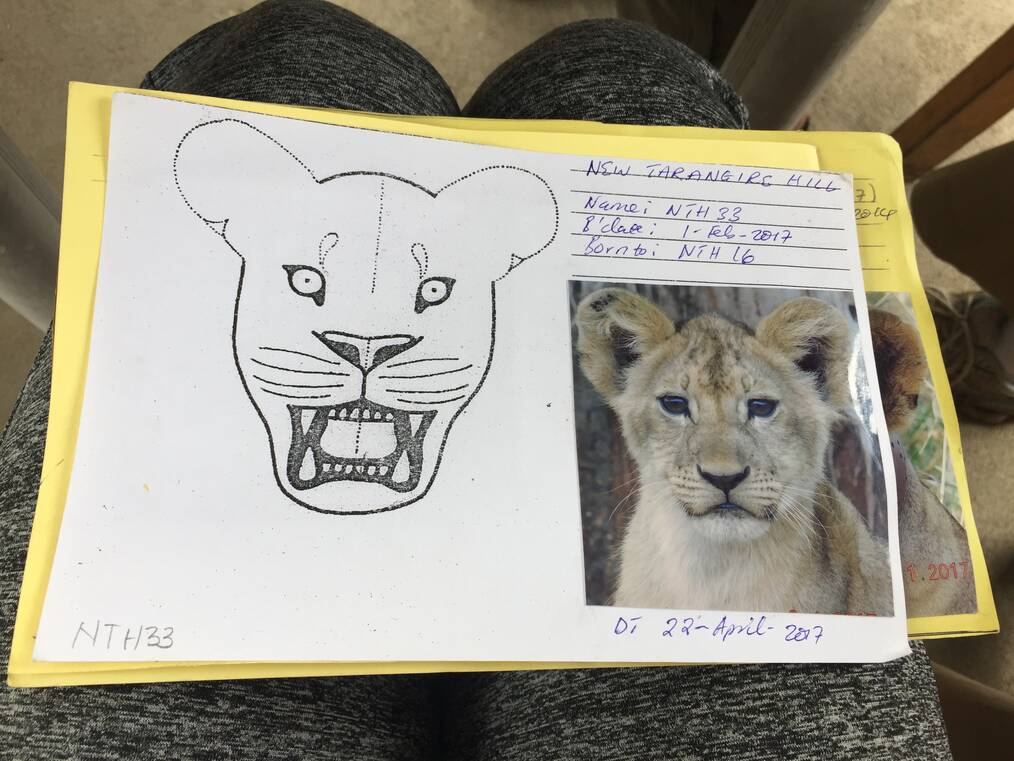
Program Highlights
- Earn academic credit: 18 credits for semester programs and 4-8 credits for summer programs. Conduct a 4-credit research project during the semester program.
- Develop core skills including GIS, biodiversity assessment, species ID, wildlife census techniques, animal behavior observation, radio telemetry, basic Swahili, research design and implementation, data collection & analysis.
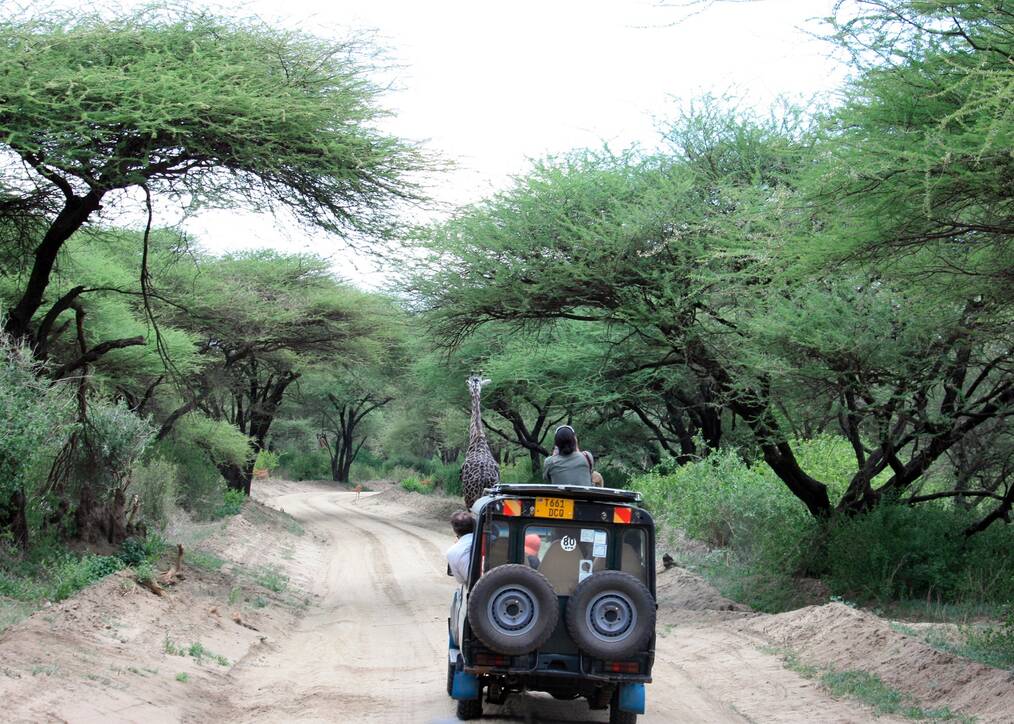
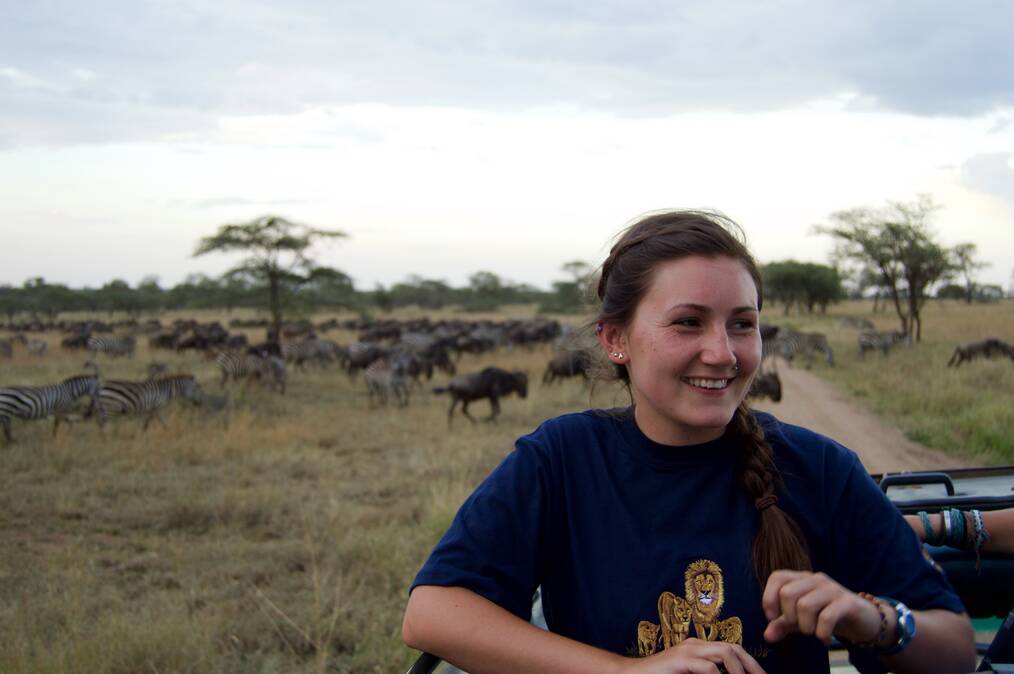
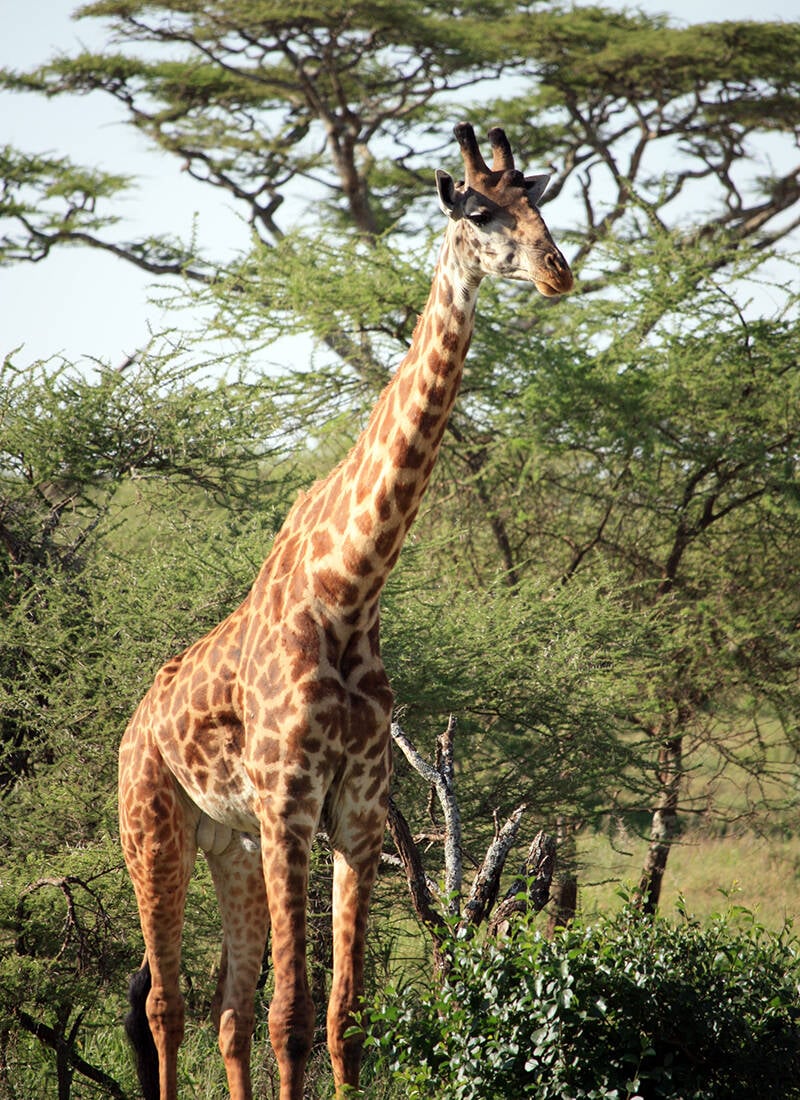
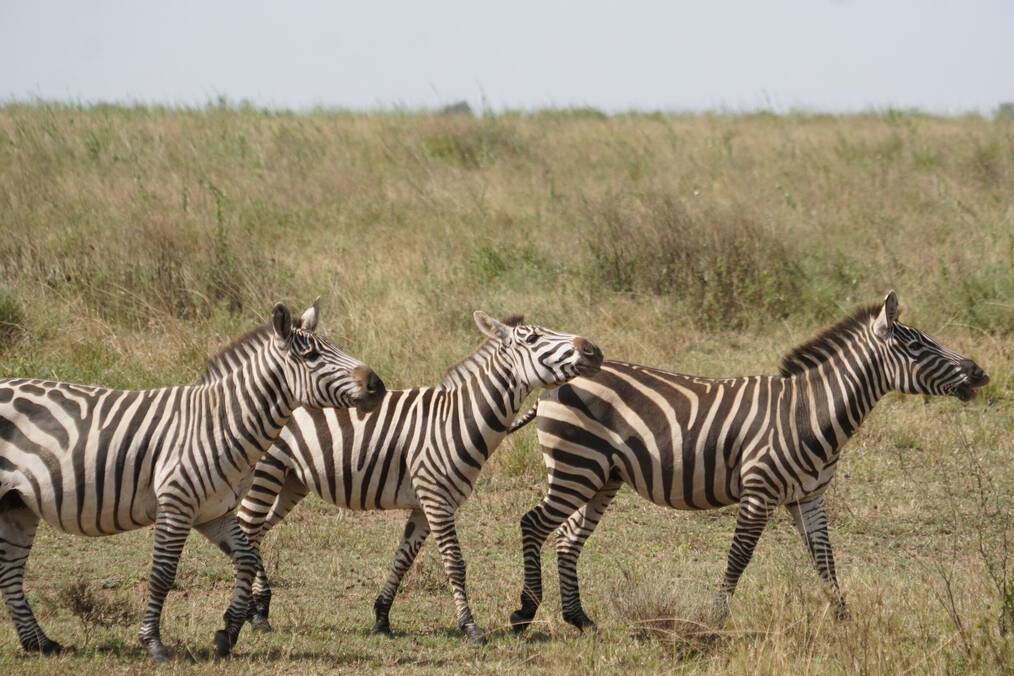
- Embark on a multi-day camping expedition in Serengeti National Park. Enjoy field lectures on topics like animal behavior and migratory patterns, and observe the diverse species found within the park.
- Spend two weeks in Kenya with visits to Amboseli and Tsavo West national parks and the mountainous Chyulu Hills conservation area. Enjoy views of Mt. Kilimanjaro from campus. (Semester only)
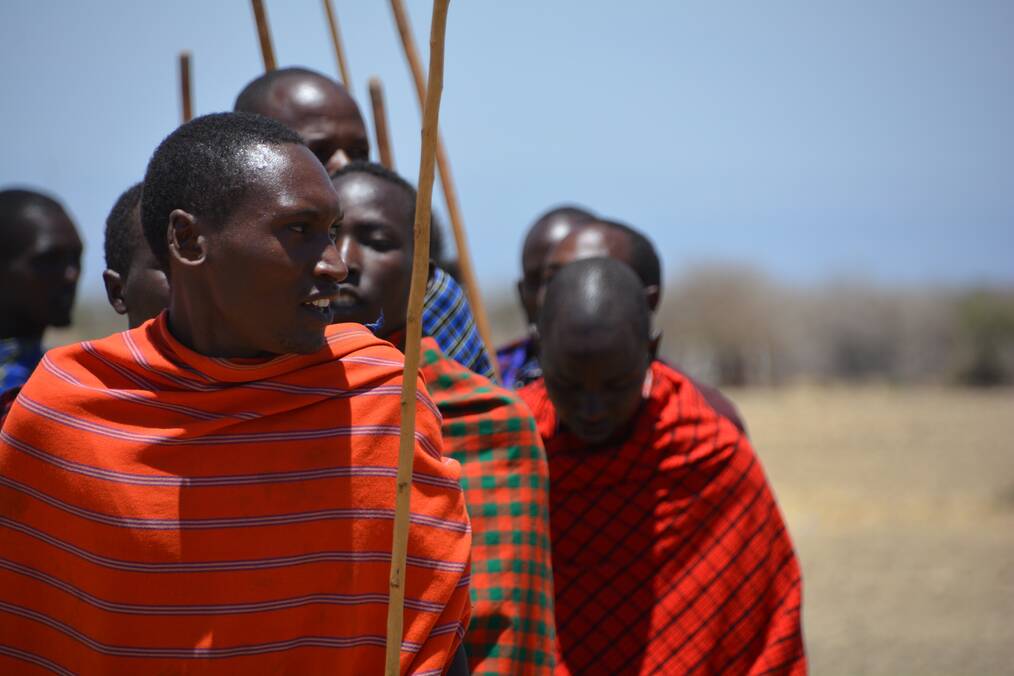
- Experience Iraqw traditions and modern lifestyles during a short home stay with a nearby family and visit a Maasai boma to learn how cultural tourism is shaping local culture and traditions
Popular Programs

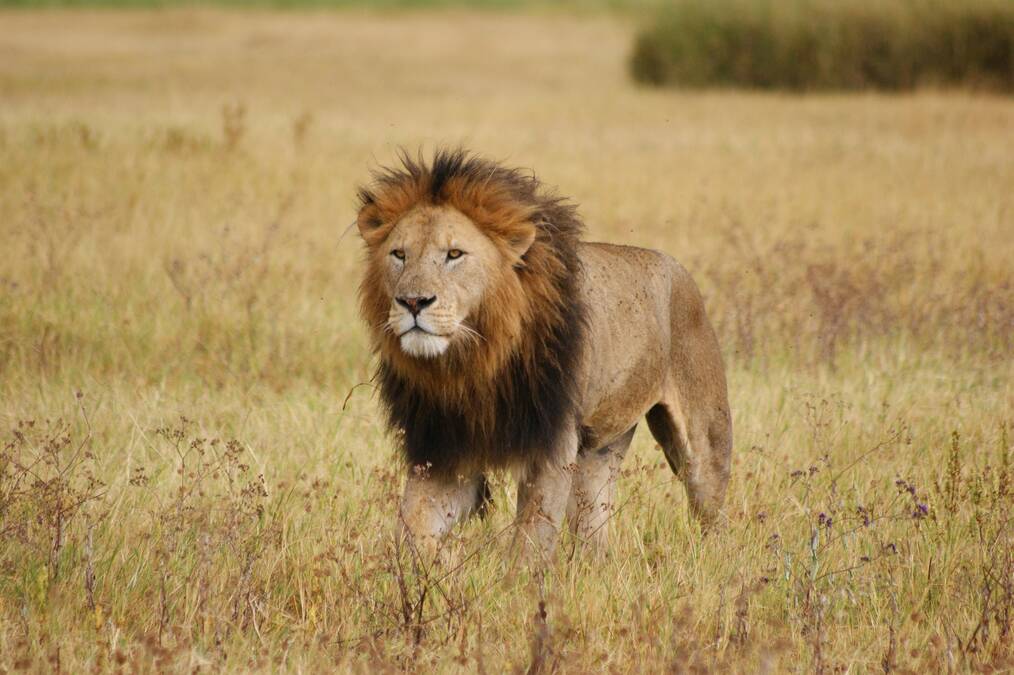
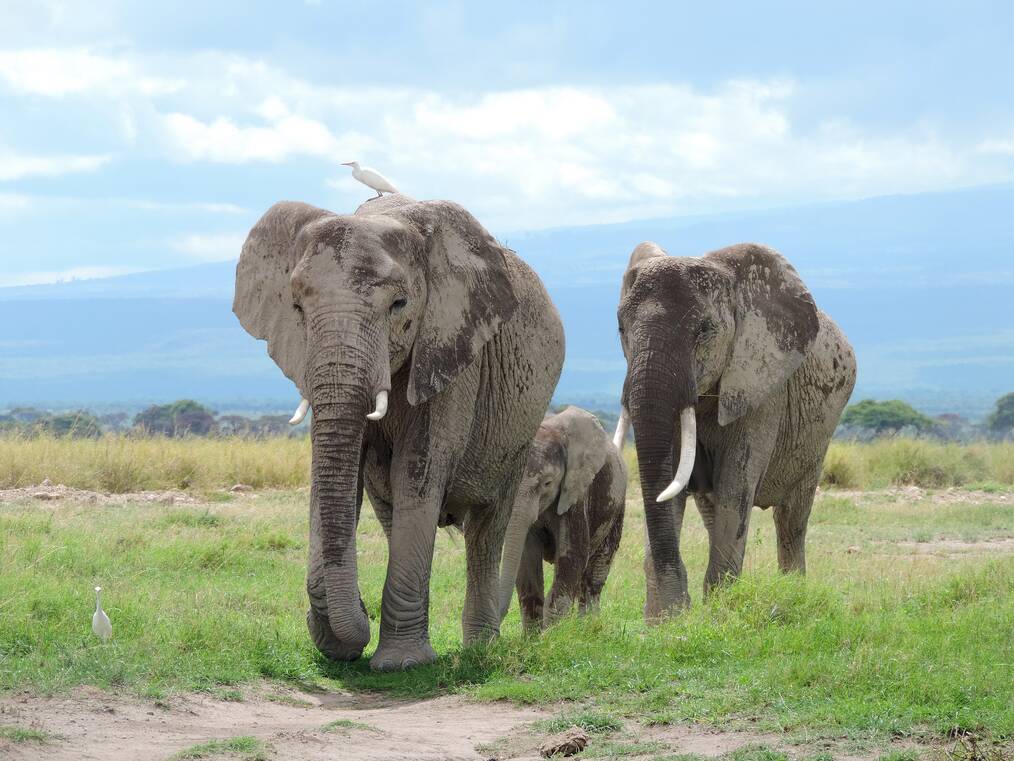
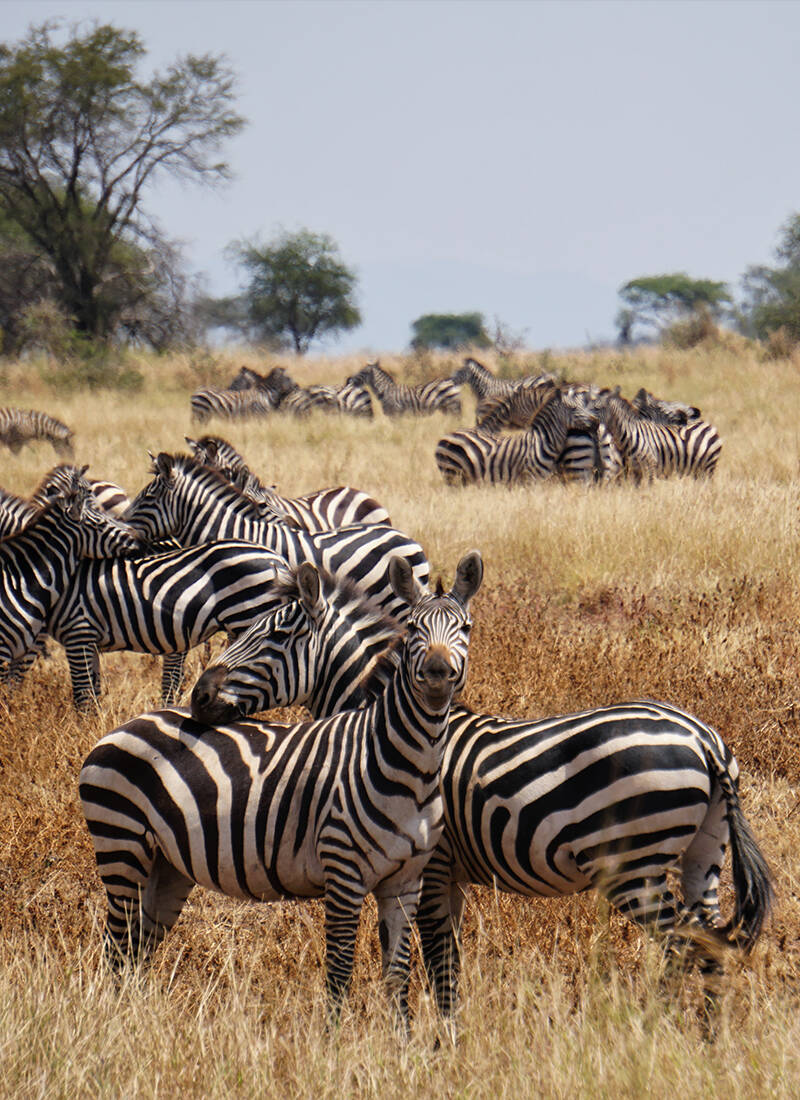
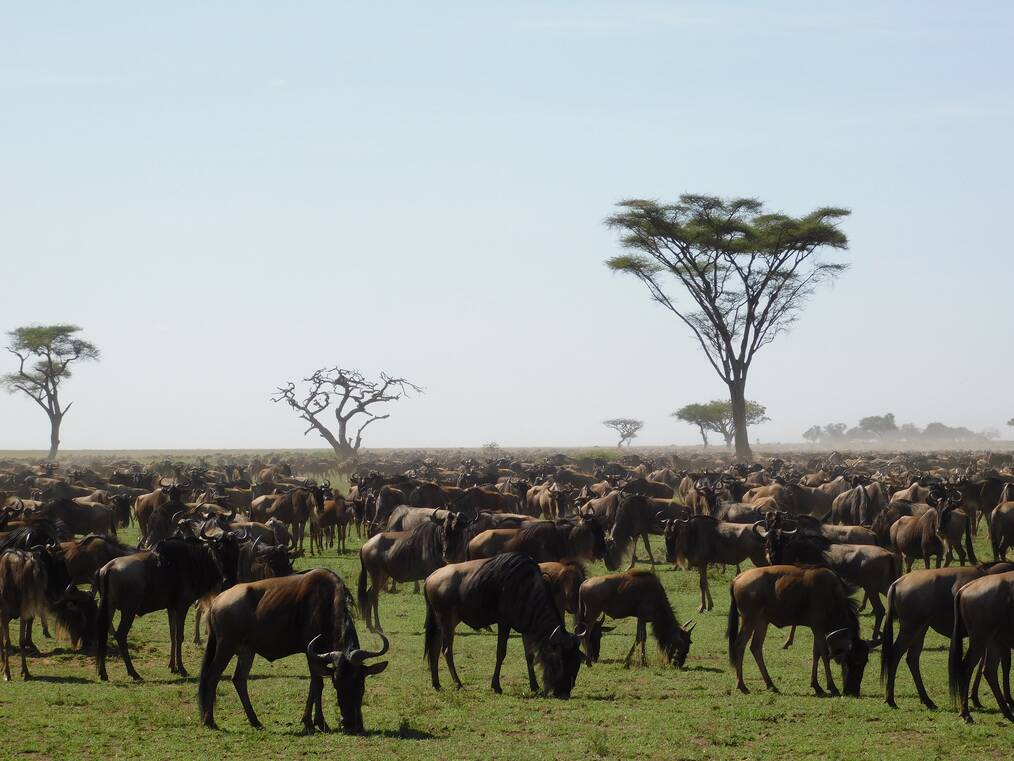
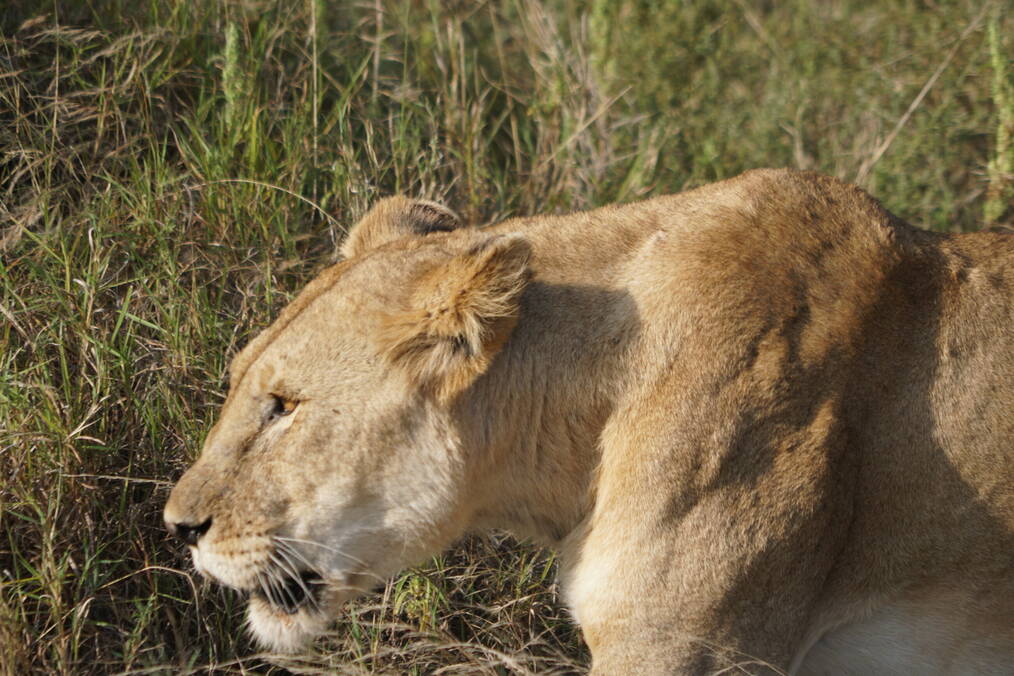
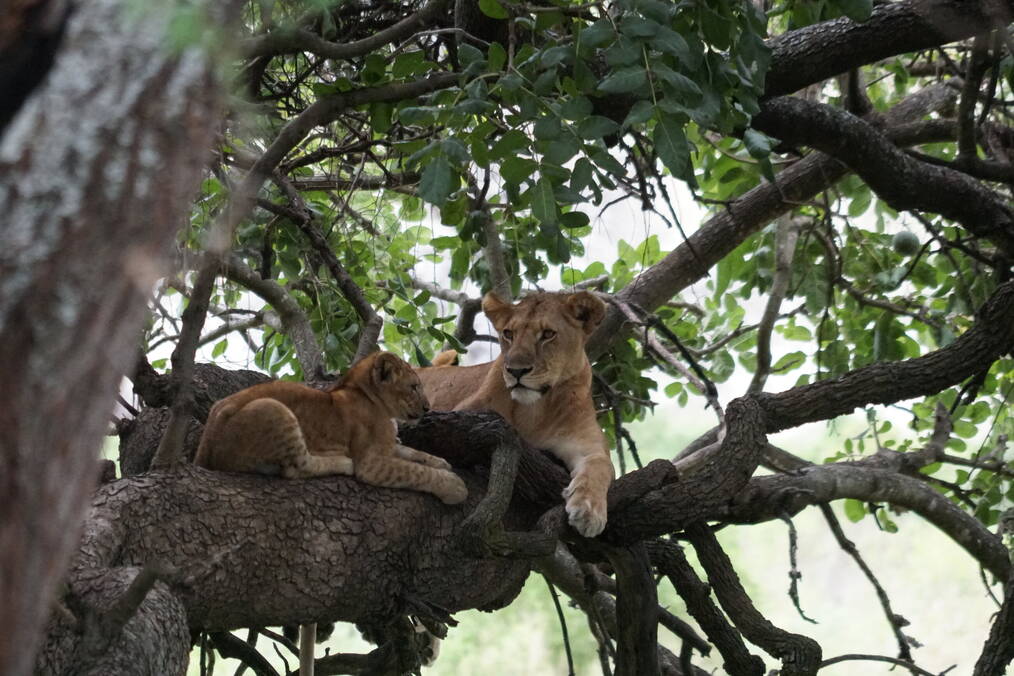
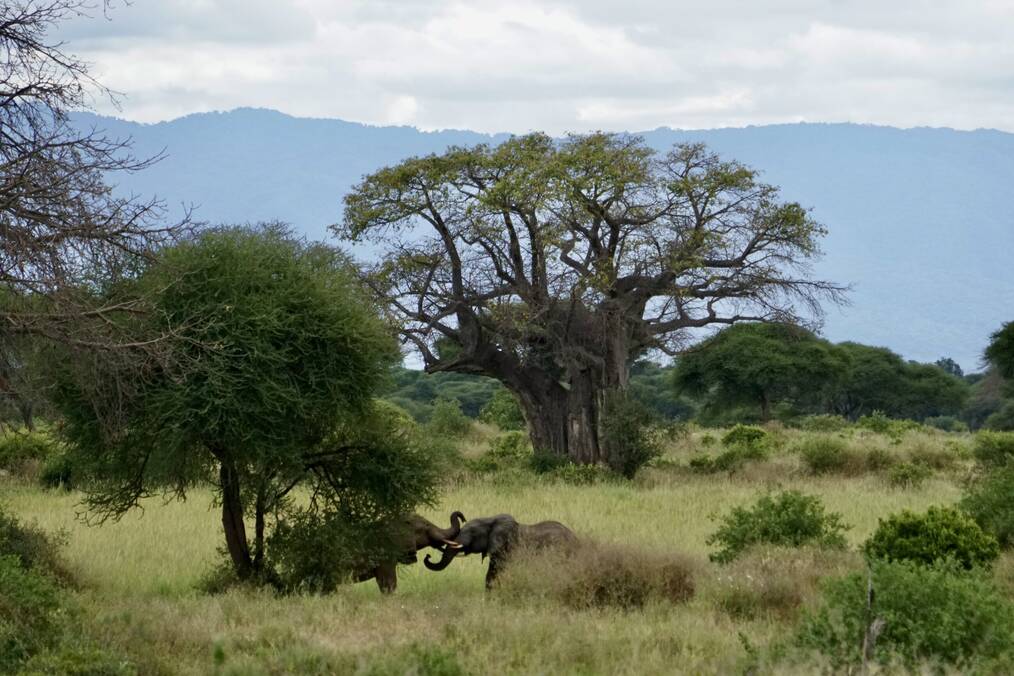
In the Serengeti, students watch wildebeest herds surge across endless plains, shadowed by lions and cheetahs in pursuit. Across the Maasai Steppe, elephants press through narrowing corridors while lions prowl village edges, the very spaces where fieldwork begins. In Tarangire and Manyara, you'll set camera traps, map migration routes, and listen as elders recount shifting rains, placing data within the deeper story of landscape and livelihood.

In this summer fundamentals course, the complex human-dominated landscape of the Tarangire-Manyara ecosystem, with diverse and competing land use types, becomes your classroom. Through field-based excursions, interactions with local communities, and discussions with wildlife conservation and management experts, watch the critical issues surrounding wildlife management and conservation come to life before your eyes.

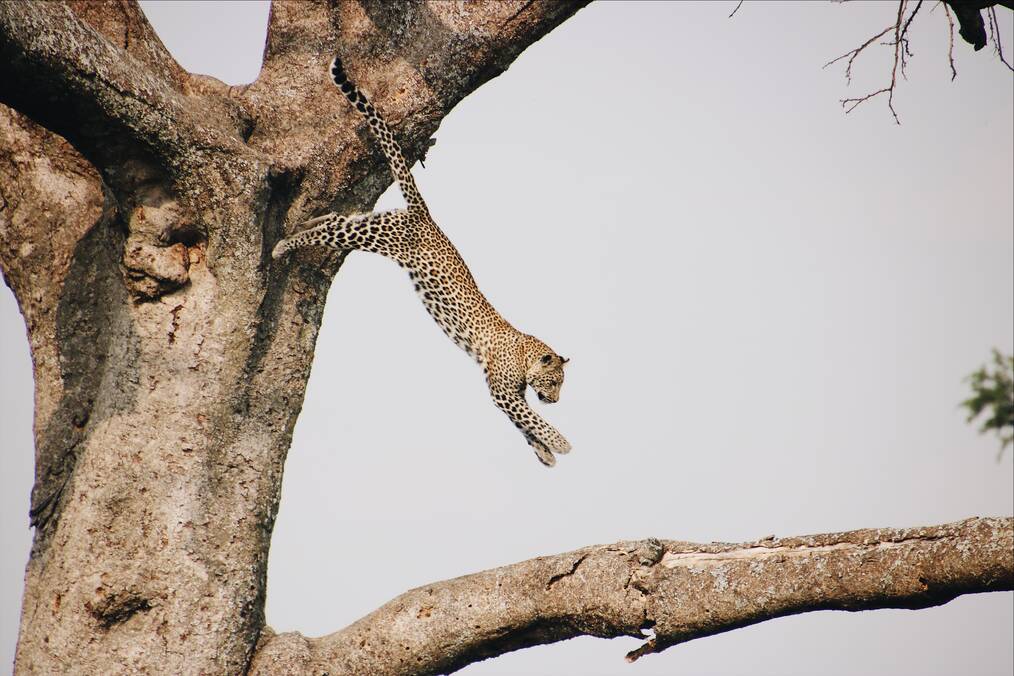
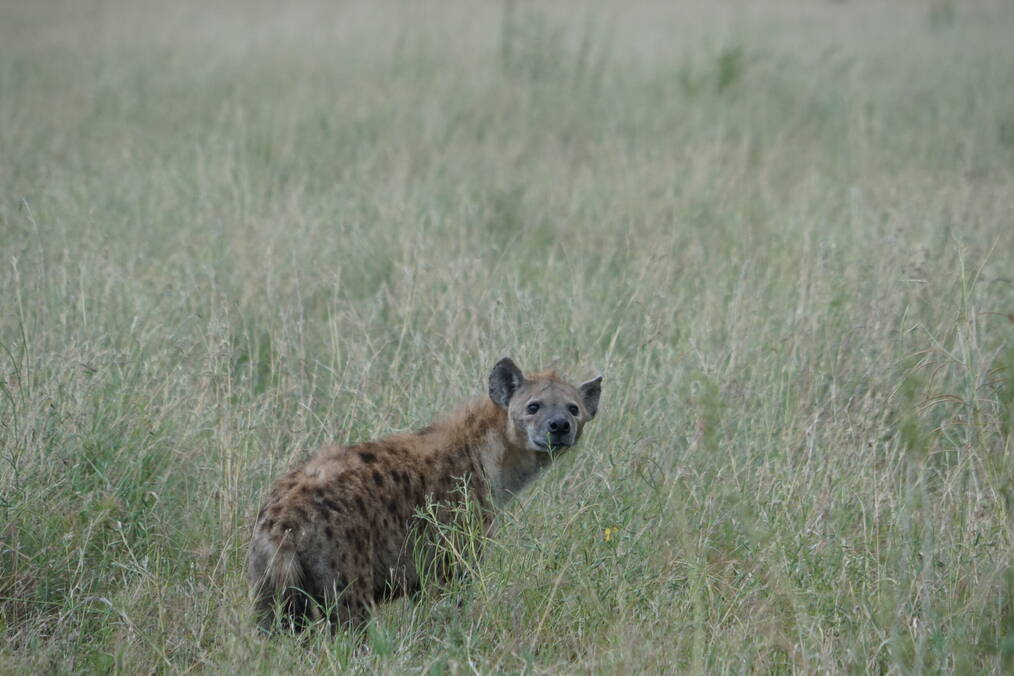
Tanzania is home to more than 35 species of carnivores, including the African lion, cheetah, leopard, spotted hyena, and wild dog – all of which are on the IUCN Red List. Study the behavioral ecology and conservation challenges facing these incredible creatures, while observing some of Africa’s largest remaining carnivore guilds up close.


Questions & Answers
Alumni Interviews
These are in-depth Q&A sessions with verified alumni.


Staff Interviews
These are in-depth Q&A sessions with program leaders.

Location
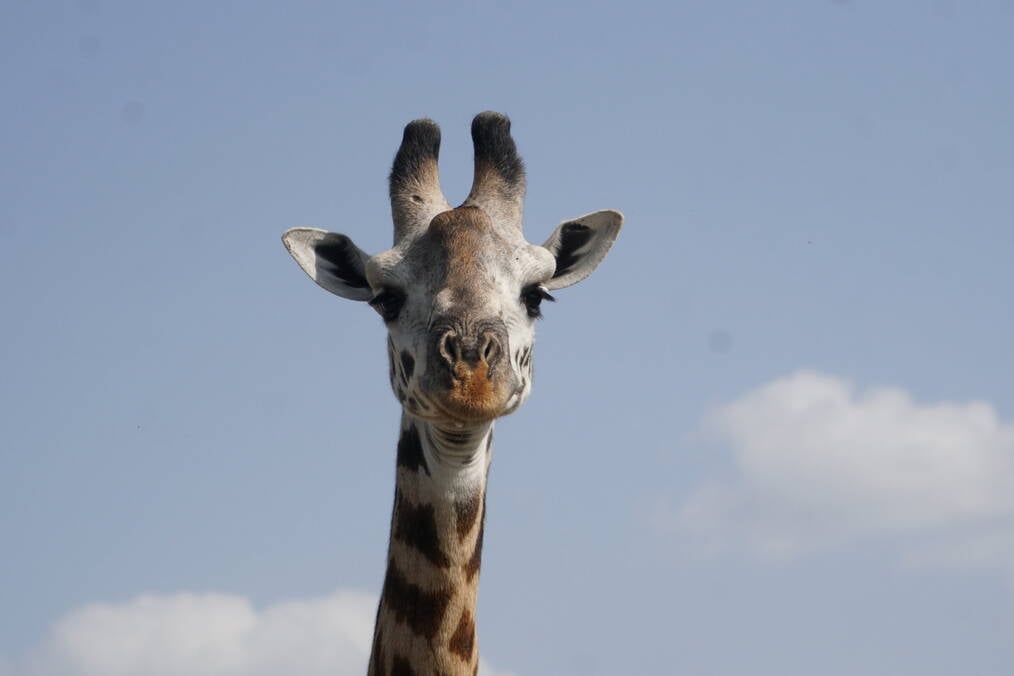
Tanzania can be an easy place to overlook when planning a trip to Africa, but it is teeming with wildlife, lush landscapes, culture. You will witness all of those from the wildebeest migrations, 3 of the 7 natural wonders, and Maasai people.