SFS Study Abroad: Himalayan Climate and Sustainability in Bhutan

SFS Study Abroad: Himalayan Climate and Sustainability in Bhutan

Location
  • Bhutan
Term
Fall, Short Term, Spring, Summer
Subject Areas
Agriculture Animal Science Asian Studies Biology Botany Conservation and Preservation Cultural Studies Earth Sciences East Asian Studies Ecology Environmental Studies Field Studies Geography Humanities Indigenous Cultures Life Sciences Natural Sciences Philosophy Public Policy Religious Studies Social Sciences Statistics Sustainable Development Tourism Wildlife Sciences +15

Program Details

Program Type
Provider
Degree Level
Associates Bachelors
Housing
Dormitory
Language
English

Pricing

Price Details
Program fees include tuition, housing, daily meals, field excursions, entrance fees, cultural activities, advising services, airport transfers, 24/7 mental health and well-being support, official transcript processing and more – check out our website. Need-based scholarships available.
What's Included
Accommodation Activities Airport Transfers Classes Meals Transportation Wifi
What's Included (Extra)

No Application Fee!

What's Not Included
Airfare Travel Insurance Visa
Nov 14, 2025
Nov 24, 2025
18 travelers are looking at this program

About Program

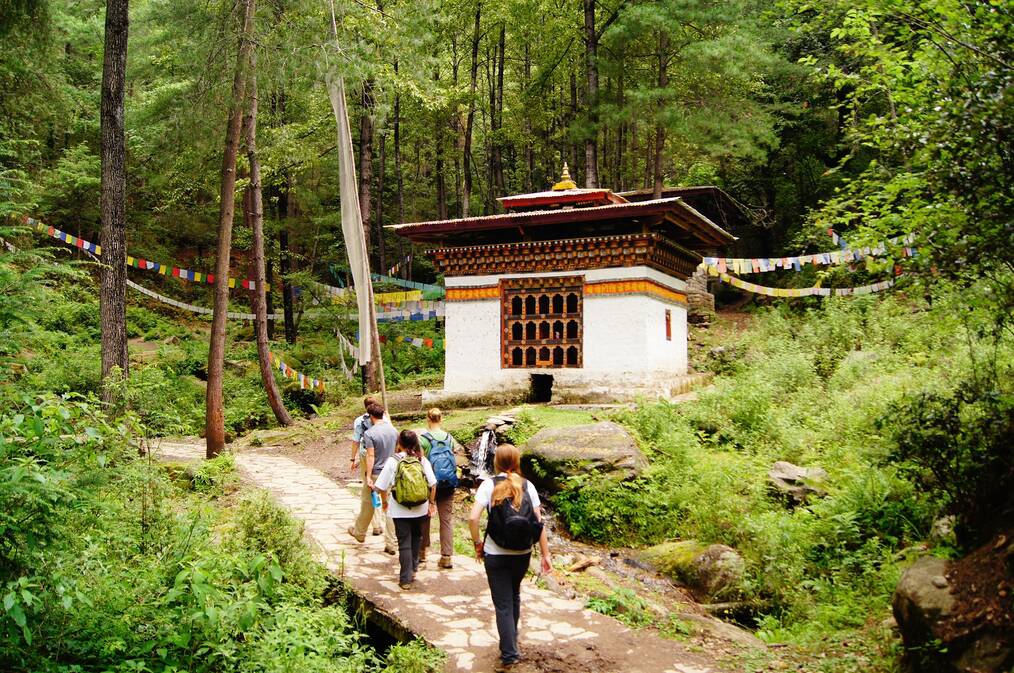
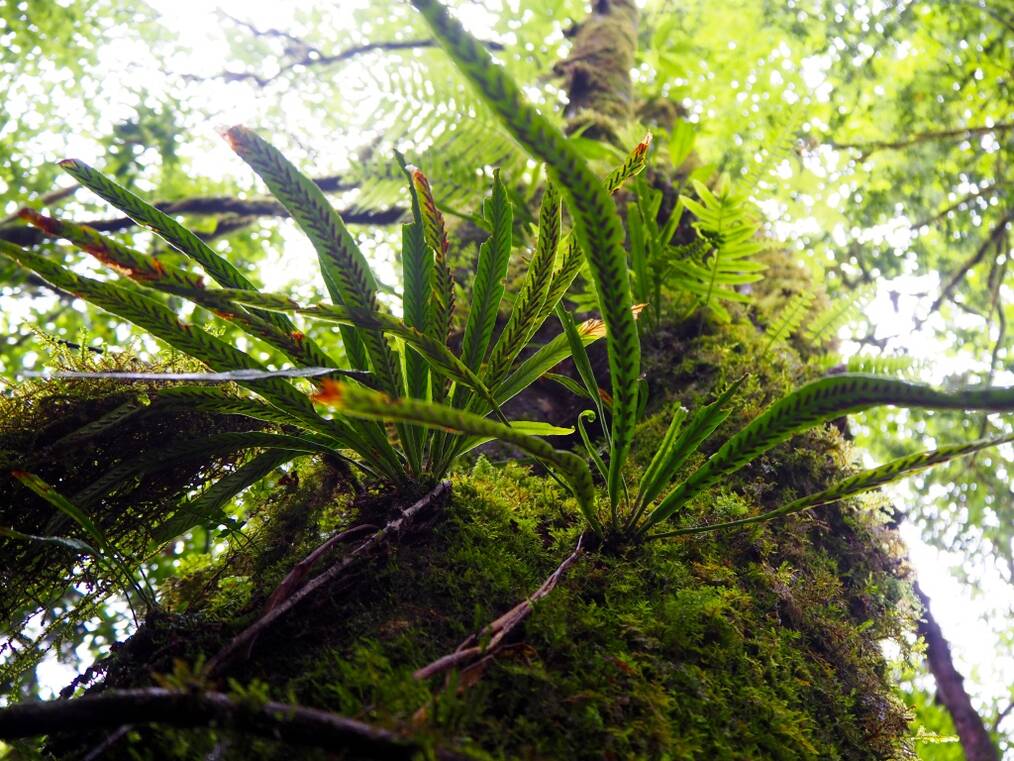
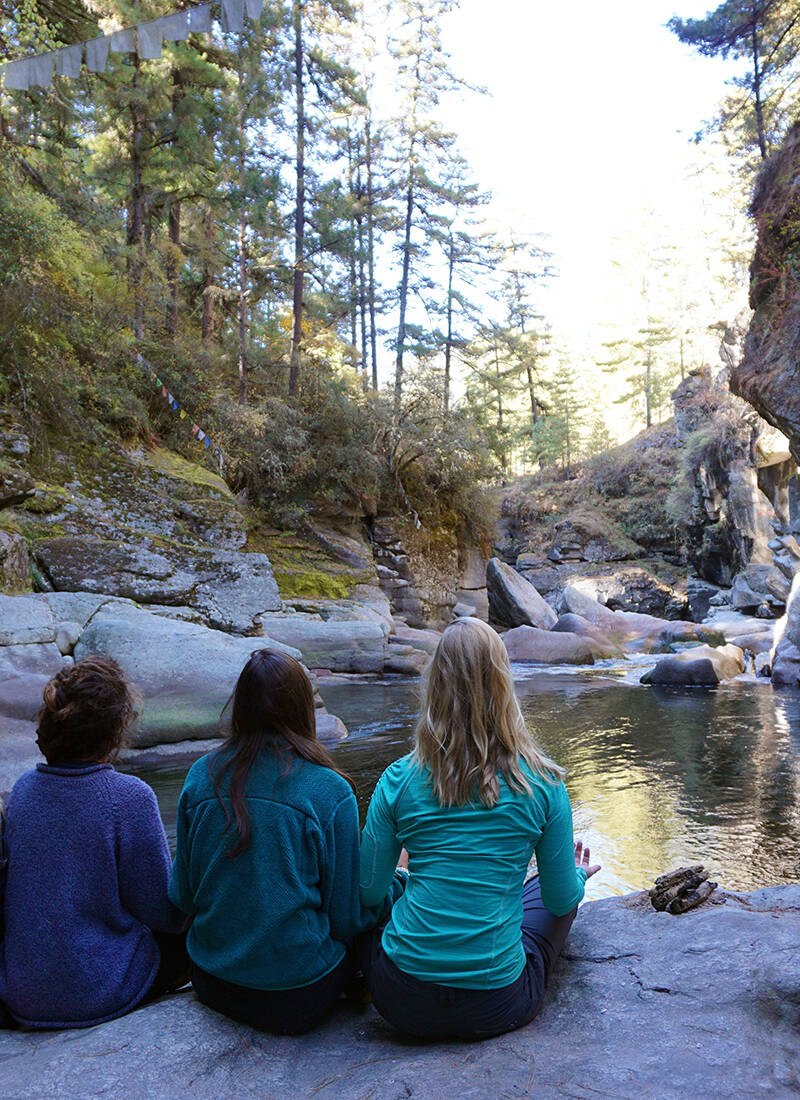
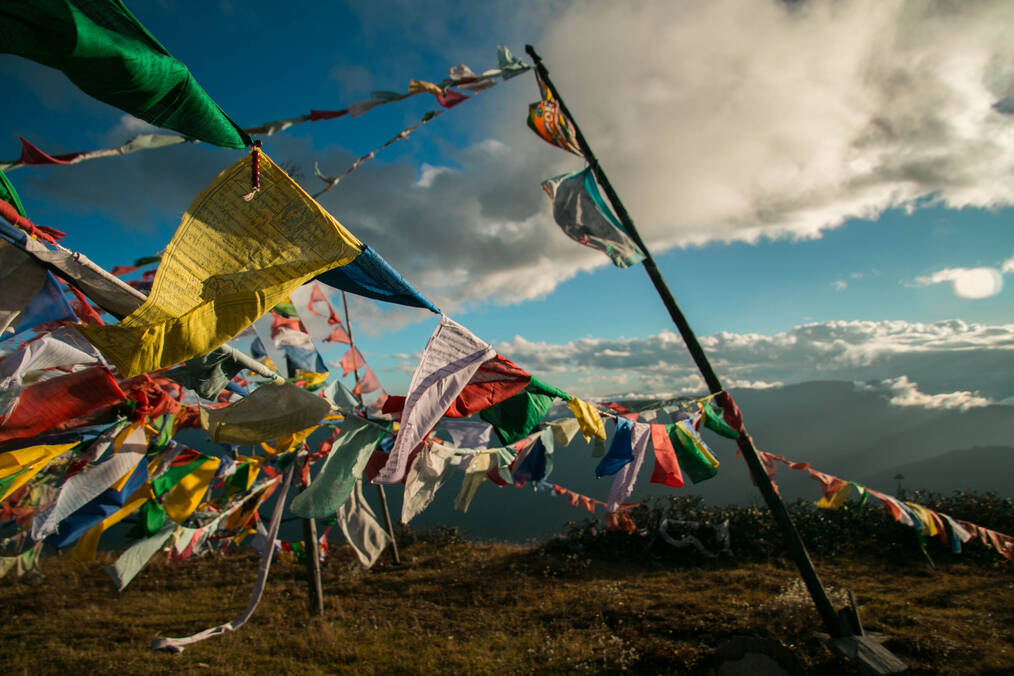
Have you ever wanted to spend time in the Himalayan mountains, hike through rhododendron forests dotted with brightly colored prayer flags, or observe graceful black-necked cranes and elusive mountain-dwelling takins?

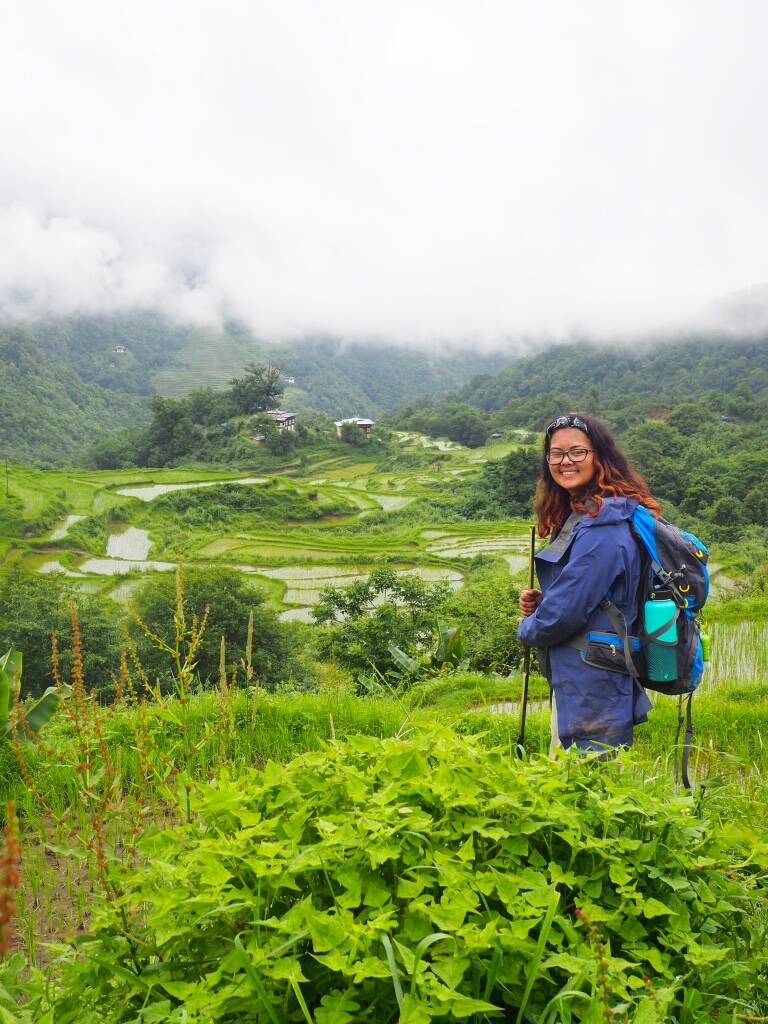
Our programs in Bhutan take place in the country’s mountains, valleys, rivers, forests, protected areas, and cultural sites. Courses and fieldwork focus on key environmental issues faced here such as natural resource and water management, climate change, and sustainable livelihoods. As the country begins to urbanize, and with the looming threat of a rapidly changing climate, Bhutan is at a crossroads. In keeping with the tenets of Gross National Happiness, the people of Bhutan must balance preserving biodiversity with securing their economic futures. SFS works in partnership with the Bhutanese government and the Bhutan Ecological Society to provide much-needed data that informs sustainable conservation and development policies and climate adaptation strategies.

Program Highlights

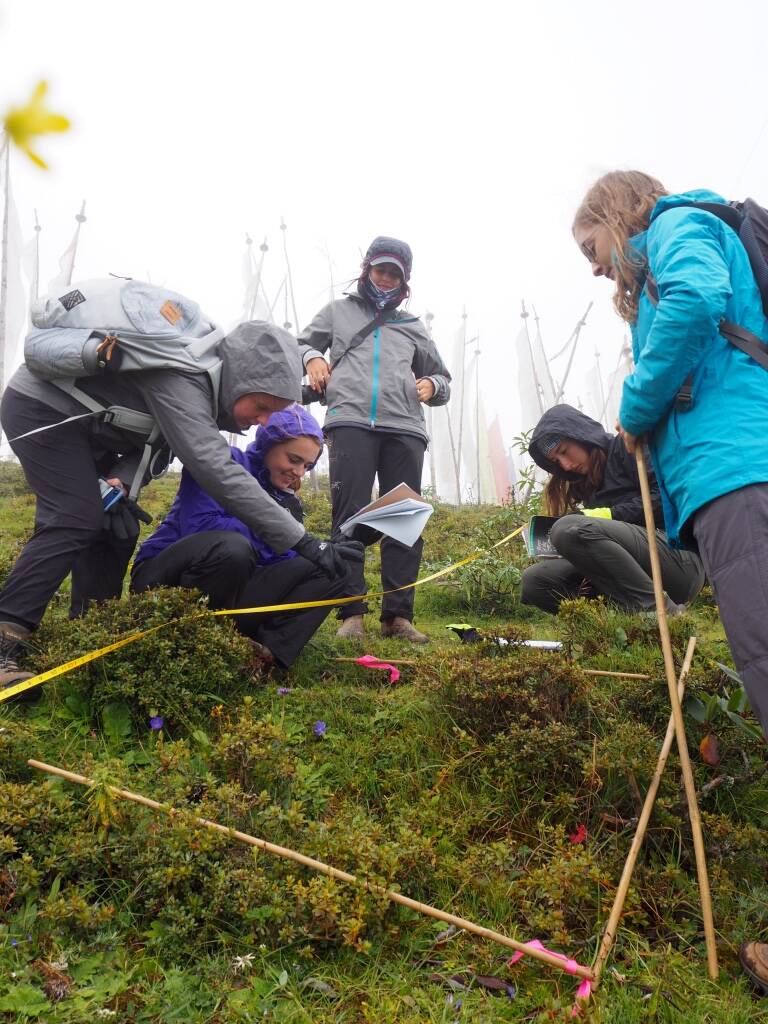
  • Trek Chelela ridges, record DBH, canopy cover, and species counts along altitudinal transects to model forest shifts.
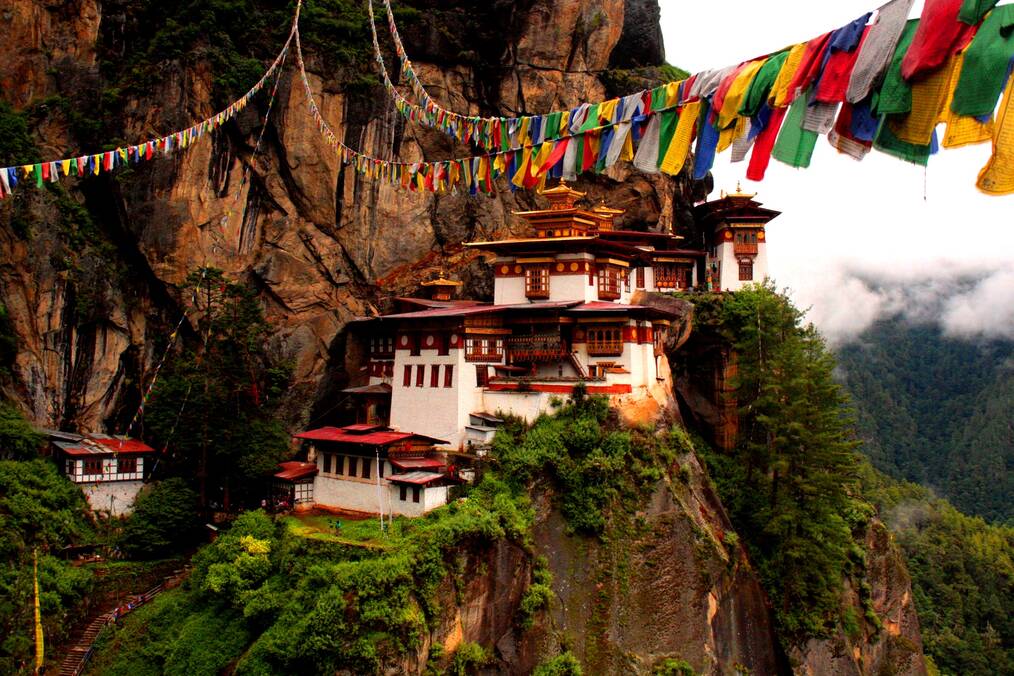
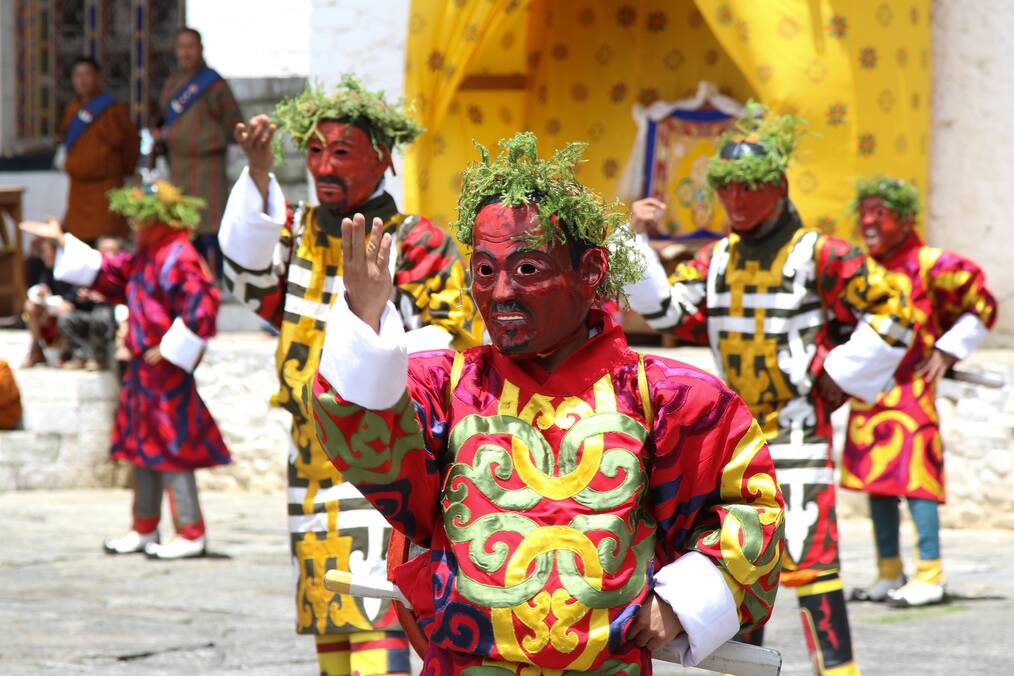
  • Hold interviews with monks and community leaders near Tiger’s Nest, exploring ties between Buddhist ritual and conservation ethics, then code emerging themes.
  • Facilitate community dialogues on balancing Bhutan’s carbon-negative policies with pastoral and agricultural livelihoods.
  • Conduct Directed Research: frame a stakeholder-driven question, collect and analyze field data with faculty guidance, and present actionable findings to local partners.
  • Earn academic credit: 18 credits for semester programs and 6 credits for summer programs. Conduct a 4-credit research project during the semester program.

Video and Photos
Popular Programs

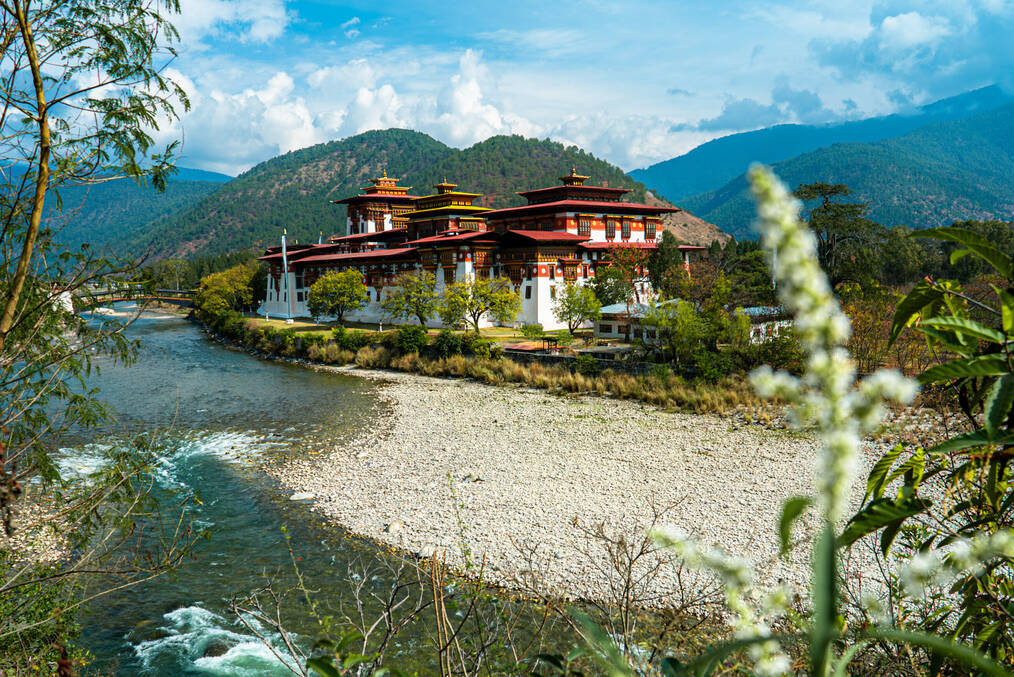
A large traditional Bhutanese fortress-monastery sits beside a winding river, surrounded by forested mountains under a bright, partly cloudy sky.

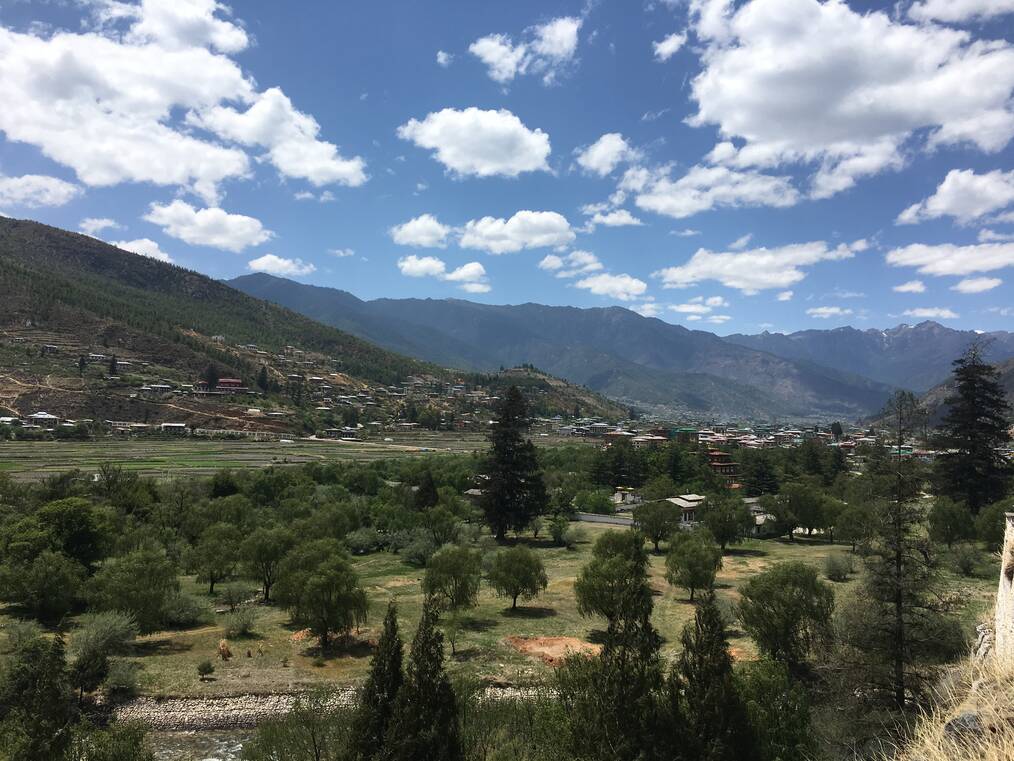
Students work in high Bhutanese valleys where altitude shapes ecology and culture. From alpine meadows to glacial rivers, they survey biodiversity and see how hydropower, climate change, and rural pressures challenge conservation ideals. With Gross National Happiness guiding stewardship, students learn from monastic communities and landscapes that reveal how tradition and development intersect.

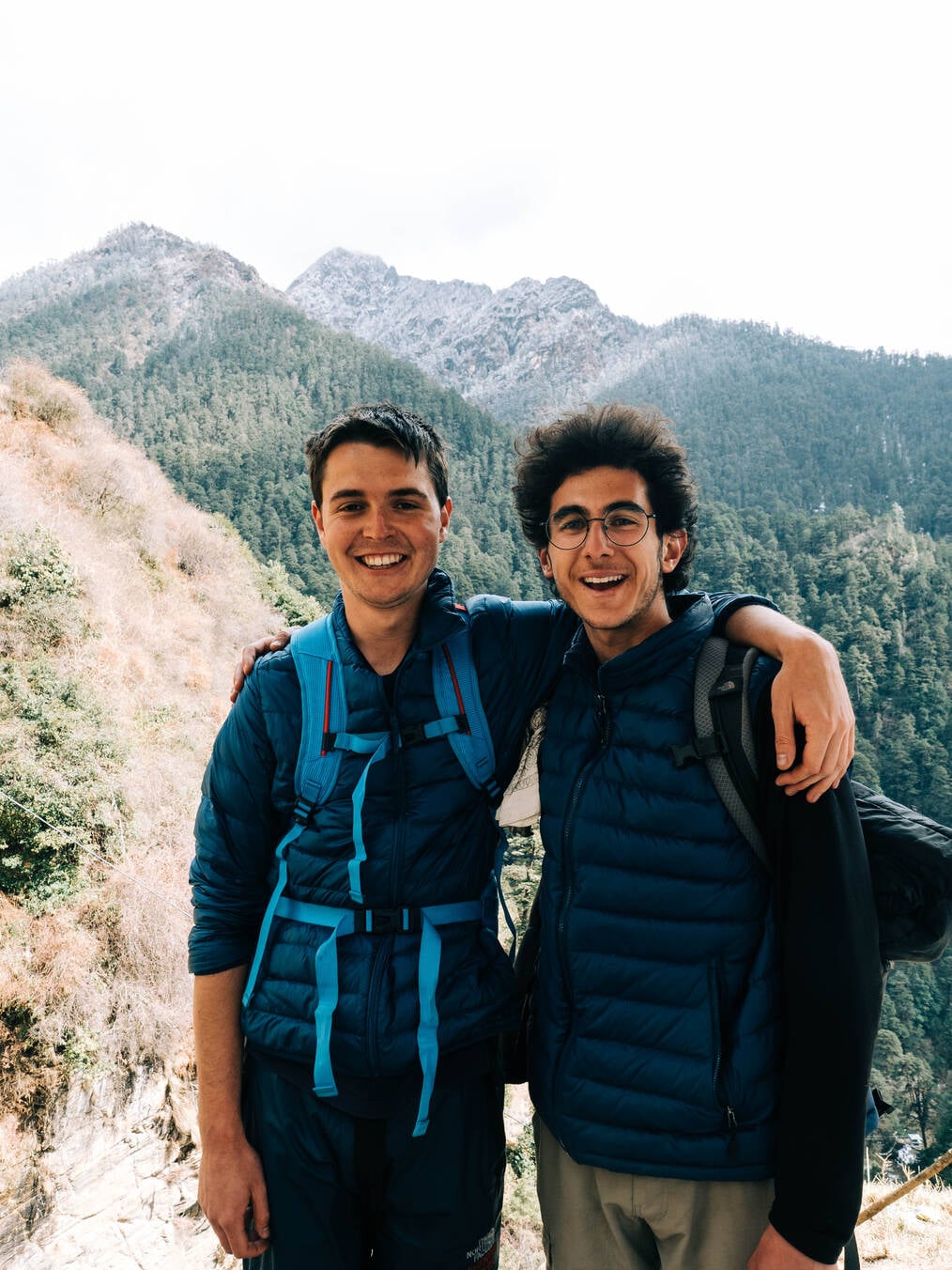
A snowy mountain range rises above dense evergreen forests, with early sunlight casting shadows across the trees under a clear sky.

Explore the rich biodiversity, forests, culture, and dramatic mountain views of the Bhutanese Himalayas. Spend six weeks studying issues of conservation, forest management, and development, visiting ancient shrines, and surveying big cats and forests in one of the most fascinating countries in the world. Students meet SFS staff in Bangkok two days before the program start to explore the city and to ensure travel to Bhutan on the same flight.
Program Reviews

5.00 Rating
based on 2 reviews
  • 5 rating 100%
  • 4 rating 0%
  • 3 rating 0%
  • 2 rating 0%
  • 1 rating 0%
  • Academics 5
  • Support 5
  • Fun 5
  • Housing 5
  • Safety 5
Showing 1 - 2 of 2 reviews
Jenna
5/5
Yes, I recommend this program

Best Decision I Ever Made

SFS Bhutan was the most incredible experience from start to finish. The classes were engaging, fun, and just so cool. The professors and center staff were amazing, and I loved the experiential learning aspects. We got to travel all around Bhutan, learning about/from different communities, practices, and traditions, and conduct research that let me hike the Himalayas and learn more about Bhutanese flora and fauna! Doing this program is the best decision I've ever made, I miss it so much and hope to go back to Bhutan some day! A once in a lifetime opportunity, I'm so glad I went.

What was the most unfamiliar thing you ate?
I got to try yak cheese! That was really cool. Butter tea, a traditional Bhutanese tea, and suja, a homemade Bhutanese alcohol, were also very cool to try. I'm vegetarian, but my meat-eating friends tried Yak meat as well which I'm told was delicious.
Pros
  • Travelling to different parts of Bhutan
  • Delicious, cheap food!
  • Incredible culture and spirituality
Cons
  • risk of getting ill from water
52 people found this review helpful.
Marta
5/5
Yes, I recommend this program

The world is your oyster...SFS helps you to shuck it!

I have been back in the U.S. for 2.5 weeks now, and I am glad to say that despite the time continuing to pass, I will never have a shortage of amazing memories to look back on from my semester in Bhutan.

The School for Field Studies has opened up the world for me; it has shown me another culture and way of life, a stunning country, and it has turned typical Western education on its head: you don’t have to be in a classroom to learn; you don’t need a library to study. SFS fosters learning in real-life situations: having to cope with language barriers when trying to interview locals; collaborating with peers to complete research projects; most of all, I think it helps foster self-reliance, self-compassion, and self-knowledge. Kadrinche la, Bhutan!

What was the most surprising thing you saw or did?
Monks on the roof of a monastery, DANCING! They were fixing something on the roof and one was tied to another with a rope...it was both the most absurd and heartwarming thing I had seen!
193 people found this review helpful.

Questions & Answers