SIT: School for International Training Study Abroad

SIT Study Abroad

Why choose SIT Study Abroad?

SIT has been providing immersive, field-based study abroad programs for undergraduates for more than 50 years. SIT offers more than 70 programs in Africa, Asia and the Pacific, Latin America, and the Middle East, as well as comparative programs in multiple locations. In addition to its rich history, SIT Study Abroad has a number of unique qualities that make it an ideal choice for an extraordinary, transformative study abroad experience.

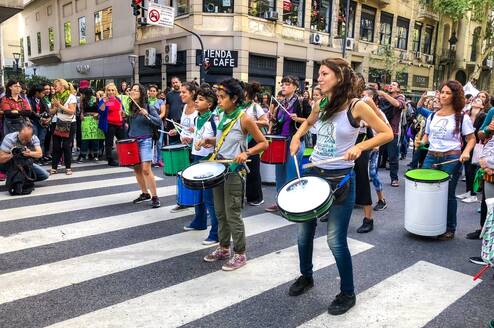
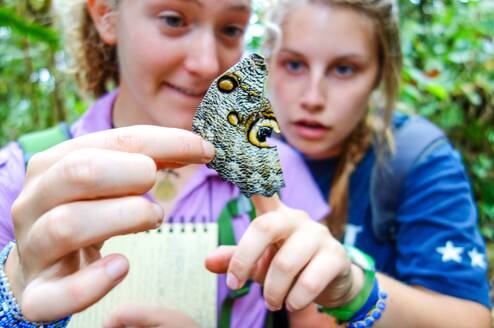
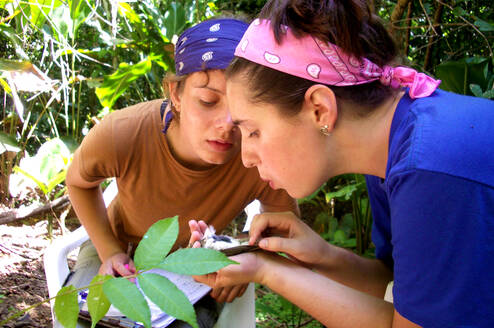
SIT students step beyond the boundaries of a traditional classroom to analyze critical issues shaping local communities around the globe. Students become deeply engaged in a topic and undertake their own research, case studies, in-depth practica, or community projects. SIT Study Abroad is deeply embedded in local communities around the world.

Ready for the next level? Take your graduate studies abroad with SIT Graduate Institute: https://www.gooverseas.com/organization/sit-graduate-institute-reviews

Scholarships

SIT Available Scholarships & Grants

SIT Study Abroad awards need-based scholarships and grants. Scholarships and grants are available to all students accepted into an SIT Study Abroad program irrespective of citizenship, national origin, or home school.

Value
$500 - $5,000

Diversity & Inclusion 💙

Reviews

Maya
5/5
Yes, I recommend this program

Impactful program

This program was so impactful for my understanding and appreciation of the beautiful world we live in! SIT is deeply invested in experiential learning - we went on so many excursions and met many professors / NGO directors / artists / museum staff / and more fantastic characters who were eager to share their excitement about their work and passions. (One man we met is a famous artist who lived in Barcelona for decades, and now lives in a remote home in the hills of Chefchaouen, running a small hostel whose goal is to bring together young men and women in the local area to help bridge the gender gap in Morocco. You will meet many characters like this during your time in the Sevilla program.)

Living with a host family was the perfect way to acculturate myself to Sevilla and practice Spanish. If you get placed with Reyes - you’ve been blessed! SIT’s directors were supportive in helping me adjust to life in a homestay.

The academics are as challenging and meaningful as you make them. I found expectations to be low compared to your typical college experience. However, the material is very interesting so it was easy to stay engaged and motivated. Plus, you can incorporate your experiences with excursions, homestays, and other hands-on moments into what you’re learning - which I actually think can provide more insight than long readings or essay assignments.

If you’re curious about human relations on small and large scales - politics, movements, social change, social UNchange, language, etc - you will find meaning in this program. (In other words, if you study anthro, sociology, psych, IR, polisci, history…)

Great program, excellent directors, incredible location. Go for it and make the most of it! xx

Adriana
5/5
Yes, I recommend this program

Best experience ever!

My time abroad in Ushuaia was awesome. Exciting and unique; an extremely outdoorsy and rugged experience. I mean, come on-- I got to go to Antarctica! I got comfortable being dirty and learned to love it. I grew into my capability for doing anything I put my mind to.

My host mom was wonderful. I couldn't have asked for a better stay. She took me in as her "daughter" and showed me around, taking me to do local activities, to her favorite restaurants, and on a road trip. Granted, some other students didn’t have as much luck, but if they were truly uncomfortable the program directors found another family to relocate the students to, each time being a large improvement.

The program directors were awesome. truly treated us like adults but showed up time and time again, proving beyond doubt that our well-being was of utmost priority. The cohort of students is small (mine was 17 students but I know recent programs have been about ~25); so it’s nice to have a group to do everything with, but if you thrive in crowds or are looking to study at a local university, maybe reconsider how you want your study abroad community to look.

The academics were great. Two words: EXPERIENTIAL LEARNING. We learned so much from so many different sectors; tourism, fisheries, biology, culture, economy. We learned in so many different places, too: classrooms, museums, mountains, beaches, plains. I practiced my Spanish constantly. The one critique is that I wish my Spanish language class would have been a little more intensive. I think I could’ve learned more in the time we had.

If you want a true adventure, to immerse yourself in Spanish language and Argentine culture, to be outside, and to learn with your senses with a small group, this is the program for you.

What was the most surprising thing you saw or did?
Visited Antarctica... need I say any more?
Pros
  • Amazing hiking, nature, adventure
  • Experiential learning in countless different situations
  • Amazing program staff
Cons
  • No Mexican food in Ushuaia or anything adjacent
  • Small program cohort-- hard to meet locals our age
  • Hard to get places from Ushuaia (very remote, no trains)
Yosselin
5/5
Yes, I recommend this program

Learning Beyond the Classroom

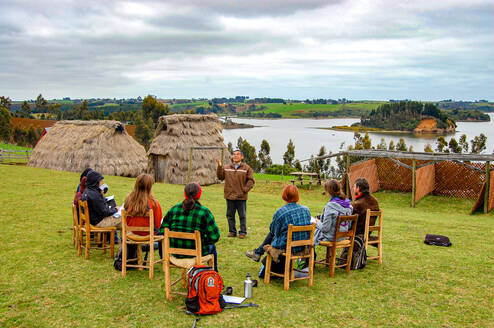
SIT Social Movements and Human Rights is an incredible opportunity to immerse yourself in a hands-on experiential program, just like they describe on the website! While the course load can be demanding, a well organized study schedule and asking questions when confused makes it very easy to manage. The most memorable moments for me were when visiting the various organizations and being warmly welcomed by the Mapuche communities, which were all truly life changing. When approaching this program, it is very important that you come in with an open mind and embrace every learning opportunity.

What was the most nerve-racking moment and how did you overcome it?
The most nerve-racking moment for me was when submitting and presenting my research project. I felt intimidated because I had limited research experience before this program and felt unsure at times when writing it. However, I overcame it by checking in with my advisor and approaching every feedback as an academic growth opportunity. I did not only feel supported by my advisors but also by the program staff that were all every kind in every step of the way.
Pros
  • High level of support by Anna, Gri, Eli, and Cata
  • Traveling to other parts of Argentina
  • Academic growth
Cons
  • Adjusting to the foods
Thomas
4/5
Yes, I recommend this program

I learned more about myself through learning more about the world.

The experience of field-based learning and cultural immersion has left a remarkable impact on me that I will undoubtedly never forget. As a Black and queer student, I have developed so much as a person, as a student, a creative, a friend, a community member, etc. I have learned more about myself through exposure to things both familiar and unfamiliar. I am more confident sure of who I am because of this program. Additionally I've developed knowledge of human rights histories and current issues and fostered the skills to articulate effective action items accordingly. I can attribute my growth experience to the phenomenal support of the program faculty and the connection to marginalized communities within a eurocentric country.

What was the most unfamiliar thing you ate?
Once for dinner I had a fish milanesa made of merluza. I unfortunately didn't have a great experience with enjoy the argentinian cuisine while I was there. That was partially due to being pescatarian and gluten free, but partially due to lack of flavor and spice within the culture. That being said, I'm incredibly grateful to have had all meals supplied by the program accomodate my restricting dietary habits
Pros
  • Improvement in languagge
  • Better understanding of myself
  • Independent research skills
Cons
  • Local cuisine
Named
5/5
Yes, I recommend this program

Incredible Experiential Learning

I understand that studying abroad in India is unconventional, that it doesn't strike Westerners as appealing as France or England. However, it is India that will teach you more about your knowledge, yourself, and your realities. It will test you, but it is a life-changing experience. Through my experience with SIT, I was thoroughly supported, cared about, and loved by all faculty. I was stimulated academically, linguistically, and culturally.

The most incredible learning outcome from this experience was ISP period, doing research and field work was invaluable and is another building block for my career in public health.

Programs

Displaying 1 - 9 of 35

Alumni Interviews

These are in-depth Q&A sessions with verified alumni.

Why did you choose this program?

I chose this program because I knew I wanted to go to Peru for my semester abroad, but also for its theme and academic focus.

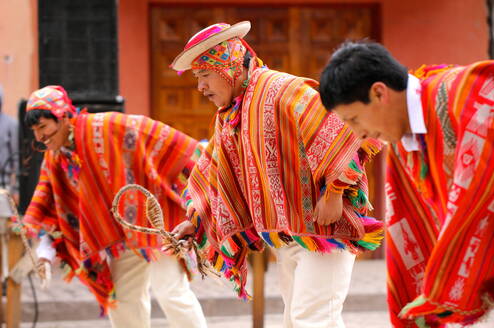
Indigenous people and their cultures are a topic rarely discussed in academia, even though they have made many important contributions to societies all across the globe. I wanted to learn more about indigenous groups in Peru and how they are adapting to a constantly changing world.

What did your program provider (or university) assist you with, and what did you have to organize on your own?

The SIT website had several pre-departure documents, checklists, and other prep materials available in order to help me feel more ready for my semester abroad. The program admissions counselor and alumni contact I had were both very helpful in answering all of my questions as well. The syllabi for the academic courses were also clearly outlined on the program site.

On my own, I had to put in the effort to practice my Spanish before leaving. I was also in charge of determining my own flights and how long I would stay after the program ended.

What is one piece of advice you'd give to someone going on your program?

It's okay to be nervous or anxious! Although adjusting into a new culture and language will be challenging, once you settle down into a routine the city you're in will feel like home in no time. Overcoming any personal obstacles that arise during your time abroad will make you a stronger, more confident person.

What does an average day/week look like as a participant of this program?

During the week, you'll typically have classes from 8:30 AM to around 12 PM or 12:30. These classes include Spanish language, history, research ethics, and more. After class, you'll eat lunch with your host family.

You can spend your free time in the afternoon doing a number of things. You can relax and study at a cafe, go see a movie, or walk to the Plaza de Armas to do some shopping. There are lots of nice gardens and parks all around the city, too. I took dance classes (hip hop and salsa) at a local dance school, which was super fun!

On the weekends, you can spend a whole day traveling to the mountain outskirts of Cusco and go see some pretty cool sights. My favorites were the famed Rainbow Mountain and the incredible Lake Humantay. Both are great sites for doing some hiking! There are also several Incan ruins close to the city that you can visit, including Saqsaywaman and Puka Pukara.

Going into your experience abroad, what was your biggest fear, and how did you overcome it? How did your views on the issue change?

My biggest fear going in was feeling isolated or lost. I was worried that I wouldn't make any friends in my program, or that I wouldn't like the feel of Peruvian culture. I was also concerned that I wouldn't feel safe in Cusco.

Contrary to my fears, I made friends quickly. Everyone in my program (a small group of 11 people) was kind, friendly, and easy to get along with. We all became very close after a short period of time. These people became my biggest support in Peru, and we had a lot of fun hanging out at cafes together or going on hiking trips.

Thanks to my new friends, my transition into Peruvian culture was much easier. I also had a lovely host family that made me feel very welcome and accepted. It did take a fair amount of time, but eventually, I became much more comfortable and settled into my life in Cusco. The city was also much safer than I expected, so I felt silly after worrying so much about safety.

The most important thing about adapting to a new culture is to have an open mind. If you don't open yourself up to new opportunities to interact with people and learn about their ways of life, then you aren't taking full advantage of the joys of being abroad. Be accepting of any new chances that come your way!

What was your favorite thing about Peru?

It's hard to pick just one! From the abundance of adorable llamas and alpacas to the delicious variety of maracuya (passionfruit) flavored foods, I loved practically everything about Peru.

I think I felt truly happiest when I hiked to the top of Lake Humantay with my friends. It was a really tough hike and we were all very tired when we reached the top, but the beautiful view made it worth it.

Living with a host family was also a wonderful experience. I became really close with them and we are still in touch today!

Staff Interviews

These are in-depth Q&A sessions with program leaders.

Eric Wirth

Nothing goes better with a cup of morning/afternoon/late night coffee than getting to know Eric Wirth, the director of admissions for SIT Study Abroad, and the culture of SIT Study Abroad a little bit better.
Mountain Watching

Tell me a little about yourself. What has been your career path so far?

My passion for education abroad began after spending a year abroad in Elche, Spain during my junior year of high school. I landed my first job after college as an admissions counselor for a study abroad provider. After several years in the work force, I returned to graduate school at the University of Massachusetts, Amherst where I had the opportunity to serve for a year as the resident director to one of the university’s programs in Spain. After finishing my MA, I reentered the world of international education with greater knowledge and an enhanced perspective on higher education and learning abroad.

Did you study abroad after high school?

I’ve studied abroad a total of four times; once in high school, twice in college – one semester and one summer – and then for a year as a graduate student. Each time in Spain. Through each experience, I learned more and was able to take my level of cultural and linguistic understanding to a deeper level. I suspect one day I will work toward a doctorate, and I can guarantee I will study abroad again. My first instinct would be to return to Spain to delve back into the culture and languages I adore.

As for SIT, what are the core principles that you strive to achieve?

At our core, SIT Study Abroad programs foster academic rigor, intensive cultural immersion, substantial community involvement, and an emphasis on field-based research.

What does the future hold for SIT? Any new exciting programs to share?

This spring we are running two new programs in the Middle East: one in Egypt focusing on urban studies and the other in Morocco focused on journalism and new media. We have also launched a new summer program that explores traditional approaches to healthcare in India. We continually strive to provide our students with the most interesting and relevant coursework and locations.

And the future of the industry - how do you think study abroad and international education will change over the next 10 years?

We’ll see the usual demographic shifts in mobility as a response to global politics, world events and markets. What will be interesting to watch is how governments and individual institutions address these shifts to meet demand and capitalize on market share. My hope is that more and more we will learn to become better citizens of the world and will travel abroad because we crave learning and connection with one another. Talking to people around the world is increasingly easier, but meaningful communication and understanding remains a challenge.

I'm continuously impressed with the depth and variety of programs offered by SIT Study Abroad. Their emphasis on field base learning is especially intriguing, as well as their commitment to cultivating relationships locally in host areas. I sincerely admire and hope to echo their attitude for turning every experience into a learning experience!

Over the last 10 years working in the field of international education, I’ve had the opportunity to travel to Cuba, Czech Republic, England, Greece and Serbia. There are many fascinating countries and continents with amazing things to teach us.

Professional Associations

NAFSA Logo