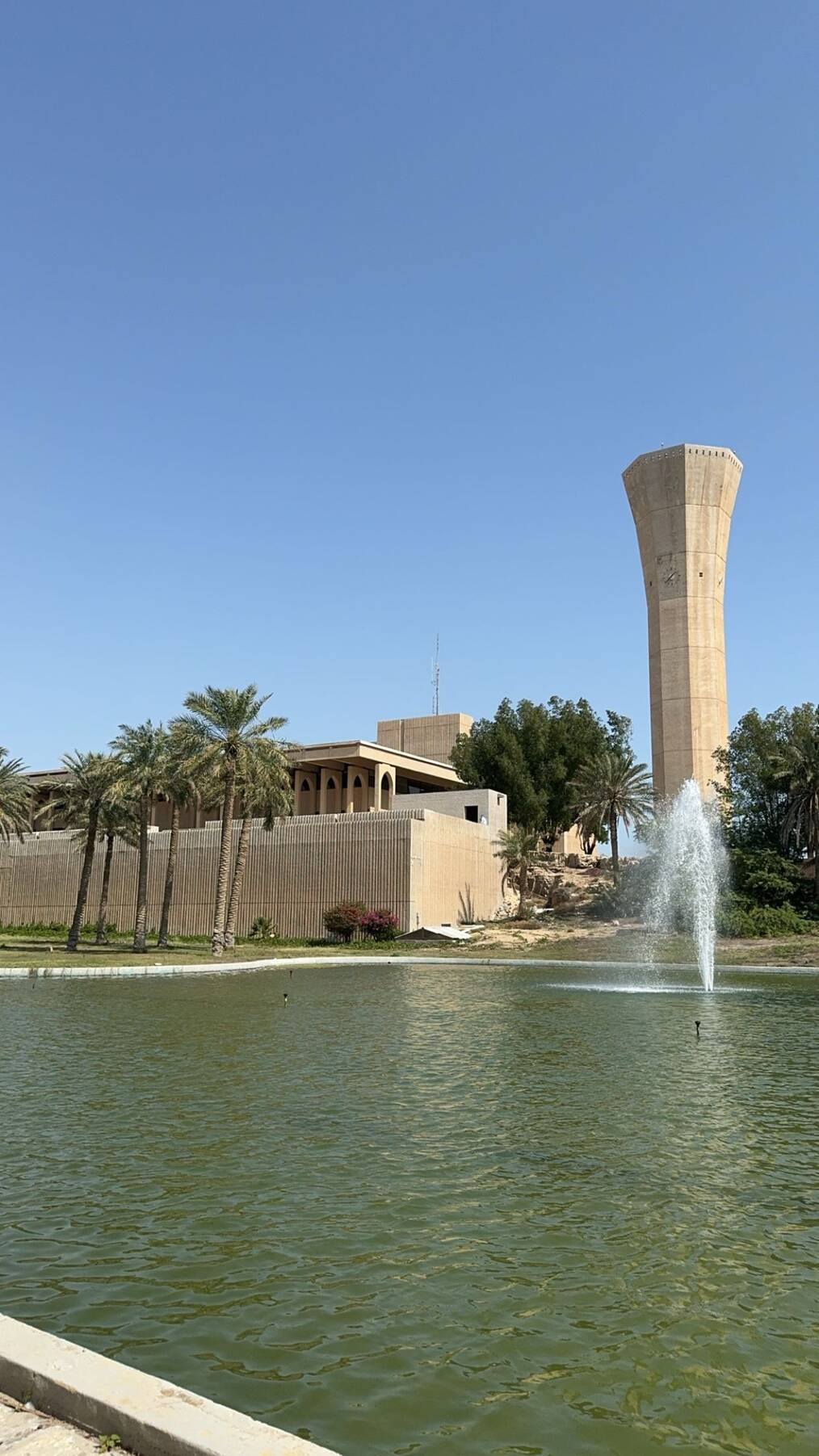
I. Arrival and First Impressions
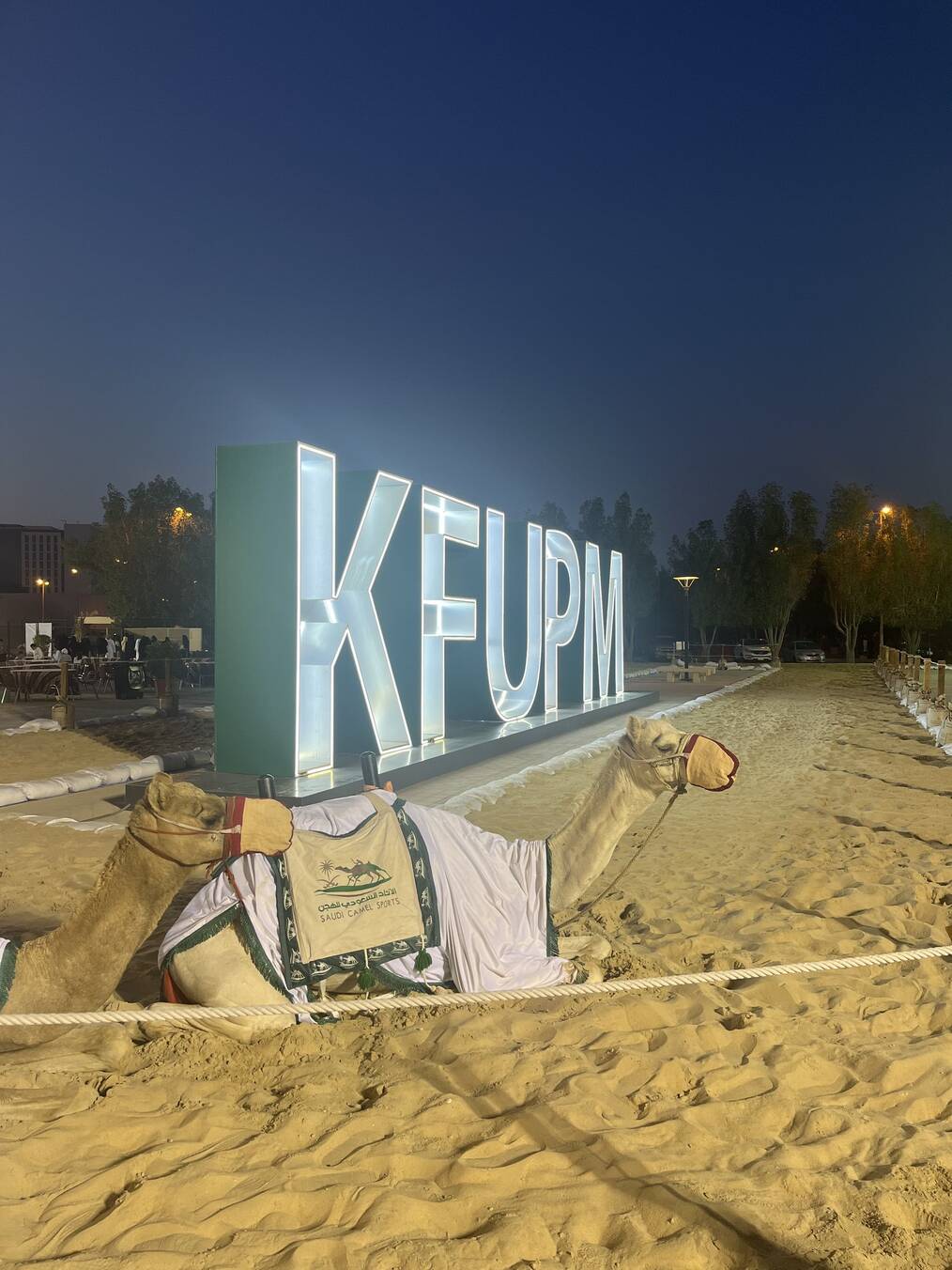
When I arrived in Dhahran, Saudi Arabia, I didn’t know exactly what to expect. I had never visited the Middle East before, and though I was excited, I was also bracing for a difficult adjustment. But almost immediately, those concerns melted away. One of my earliest memories was walking around the campus at 2 AM and being stopped by someone who said, “Hey, I saw you earlier today. Would you like to join me for some coffee?” I was genuinely taken aback — in the best way. This happened multiple times: strangers introducing themselves, inviting us for coffee, all very curious and welcoming. That warmth set the tone for the entire five months I spent studying at King Fahd University of Petroleum and Minerals (KFUPM).
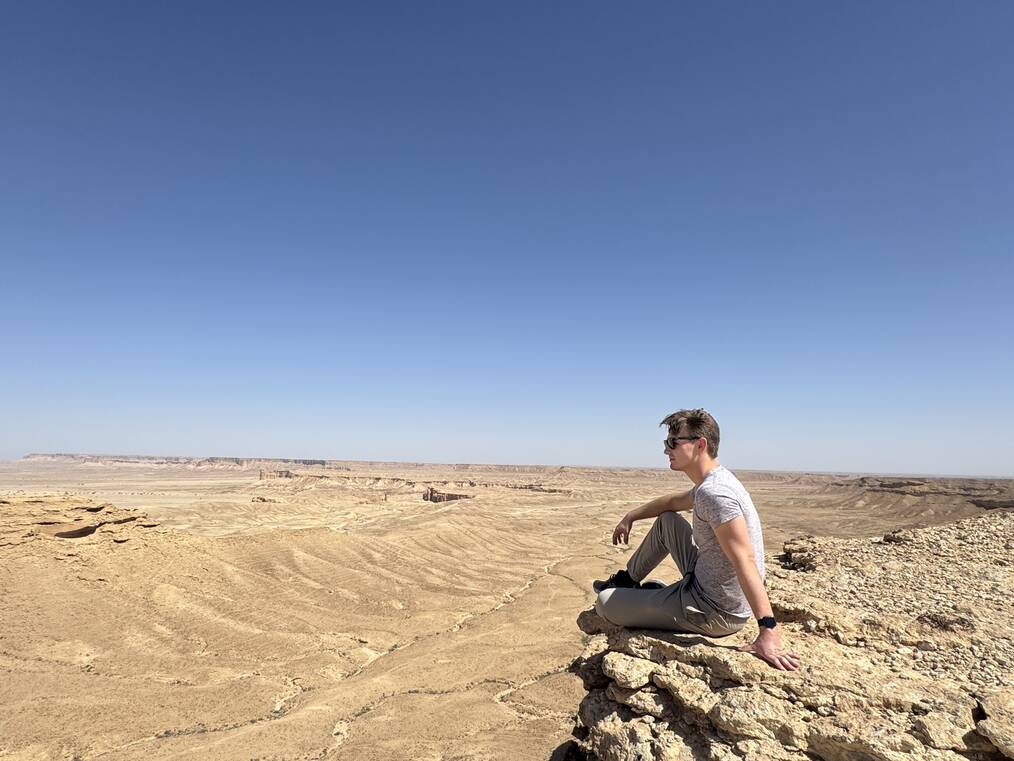
KFUPM made a concerted effort to help us settle in. Each of the 12 exchange students was paired with a student mentor who helped us navigate everything from setting up a bank account to understanding cultural nuances. Although the initial weeks felt a bit constrained — we stayed mostly on campus, relying on Uber to get out — we quickly grew more confident and began exploring the surrounding area multiple times a week.
II. Academics and Life at KFUPM
The academic environment at KFUPM was more relaxed than what I was used to at Georgia Tech, but the material was just as rigorous. The professors were approachable, and the classes often emphasized real-world applications. My favorite course was International Relations, taught by a recent Penn State graduate. While we followed a structured syllabus, much of our class time was spent engaging in open discussions about global politics, particularly the impact of U.S. foreign policy and leadership. These conversations were some of the most intellectually stimulating moments of my semester.
Culturally, the daily routine wasn’t all that different from life back home. I would rush to class after skipping breakfast, sometimes study afterward, and often resist the urge to nap before my next lecture. What made it different wasn’t the schedule — it was the people, the setting, and the shared experience with the other exchange students.
III. Social Life and Cultural Observations
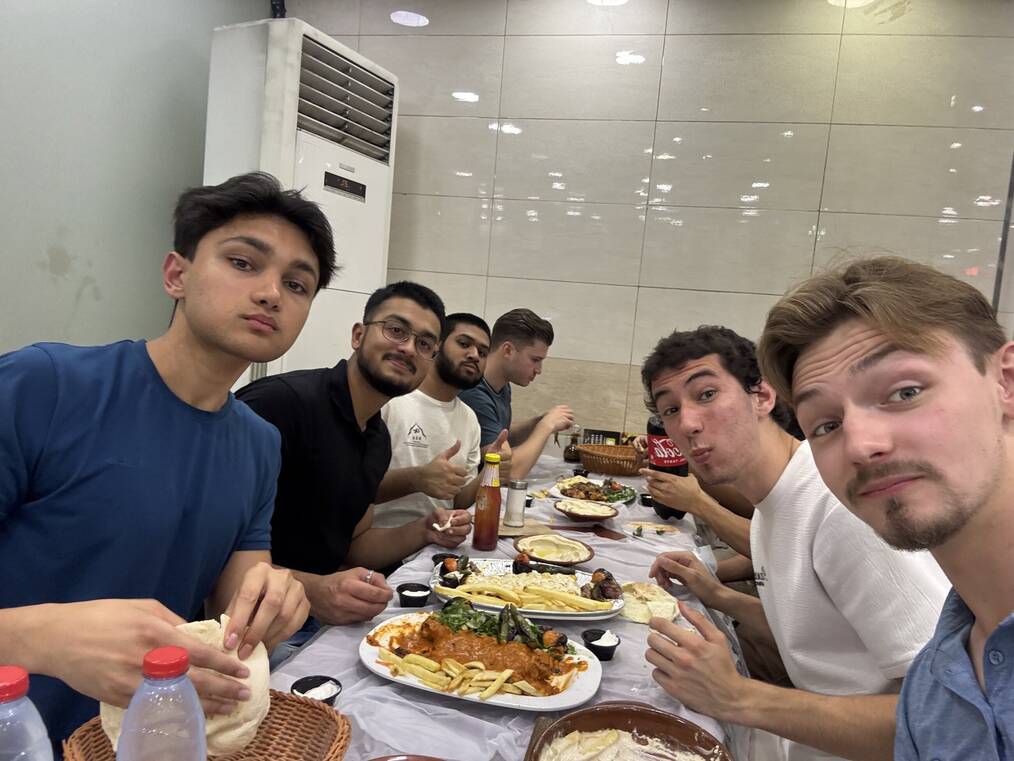
While I made many friends at KFUPM, I can’t say I became particularly close with any one of the Saudi students there. I think part of that came from knowing the exchange was temporary. Still, I was warmly included, and the friendships I formed with fellow exchange students became some of the most important ones of the trip. We shared meals, studied together, and explored Saudi Arabia as a group.
One cultural element we quickly adapted to was the dynamic between men and women in public. At first, we were cautious and hyper-aware of potential missteps. But over time, we became more comfortable — to the point where we briefly forgot about gendered expectations. I remember planning an outing with some female coworkers and realizing only at the last moment that the restaurant we chose wasn’t considered appropriate for women. It was a useful reminder that even when you adjust, it’s important to remain mindful.
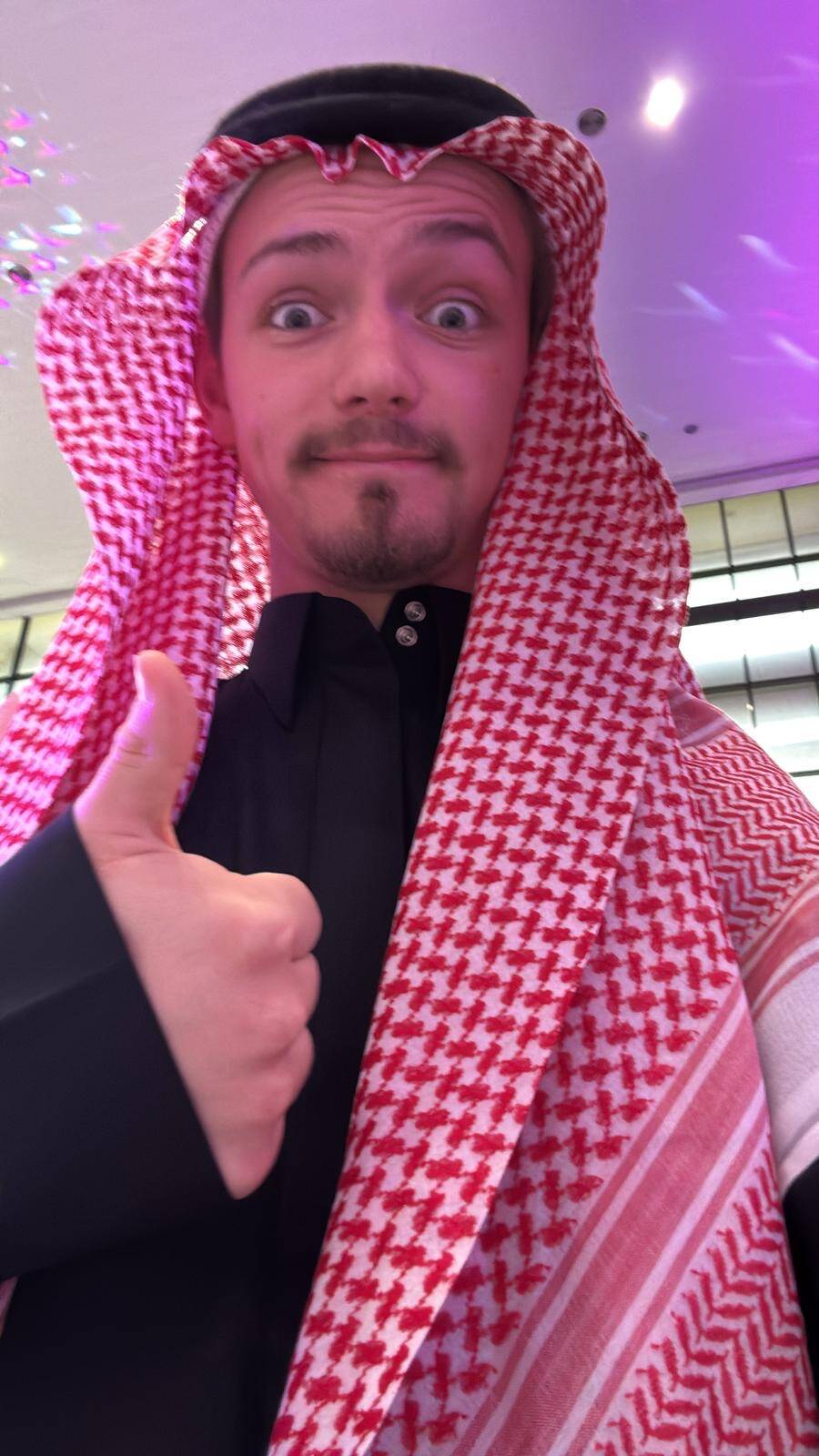
Weekends usually involved going to the gym and visiting our favorite restaurants — shawarma at Mama Noura’s or grilled meat dishes at Bilad Al Sham. We also spent a lot of time drinking Arabic coffee and eating dates, which are central to the culture. Hospitality in Saudi Arabia is unmatched, and nearly everyone I met was eager to hear about my background and how my perception of Saudi Arabia had changed. Truthfully, I didn’t have strong preconceptions before arriving, so I mostly absorbed and learned as I went.
One unexpected takeaway? Bidets. I got used to them quickly, and now I find myself wishing they were more common in the U.S.
IV. Travel and Exploration
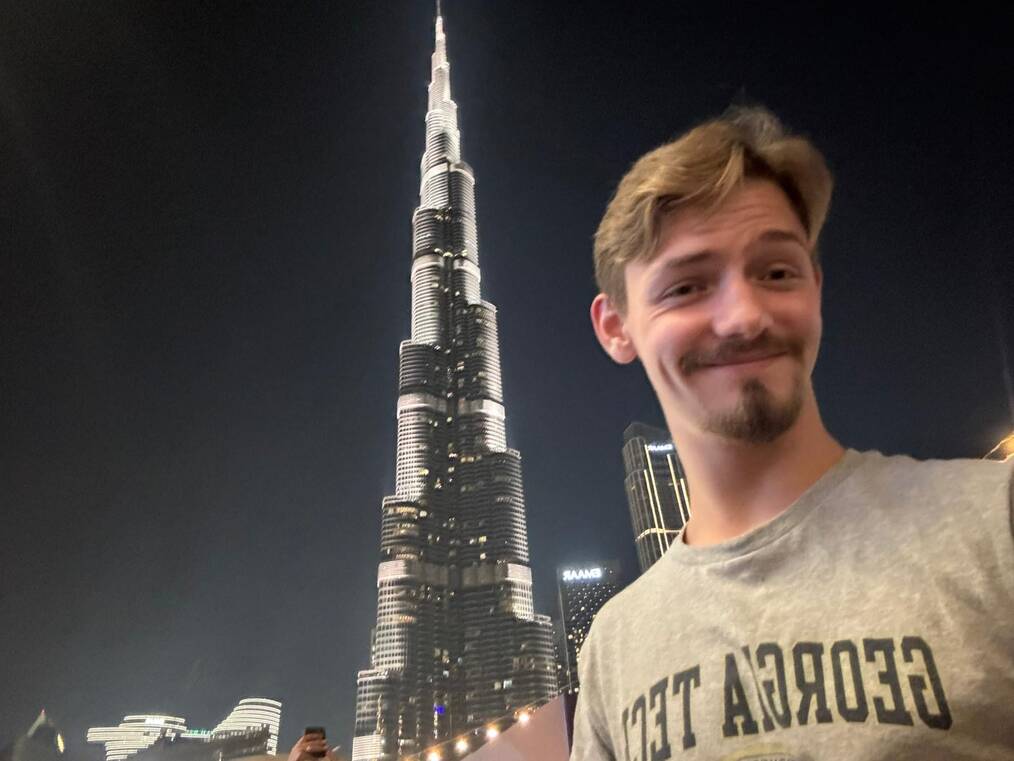
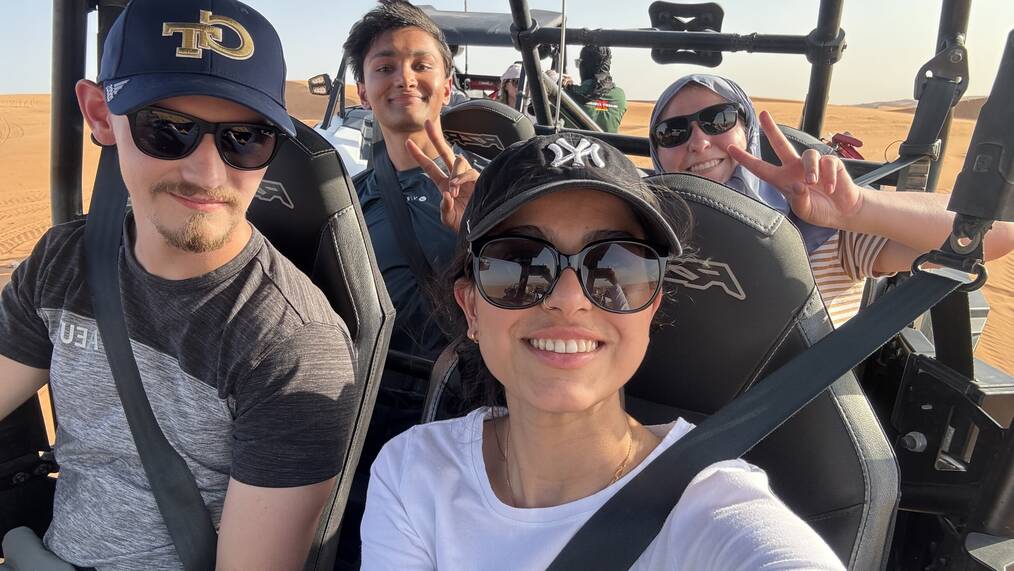
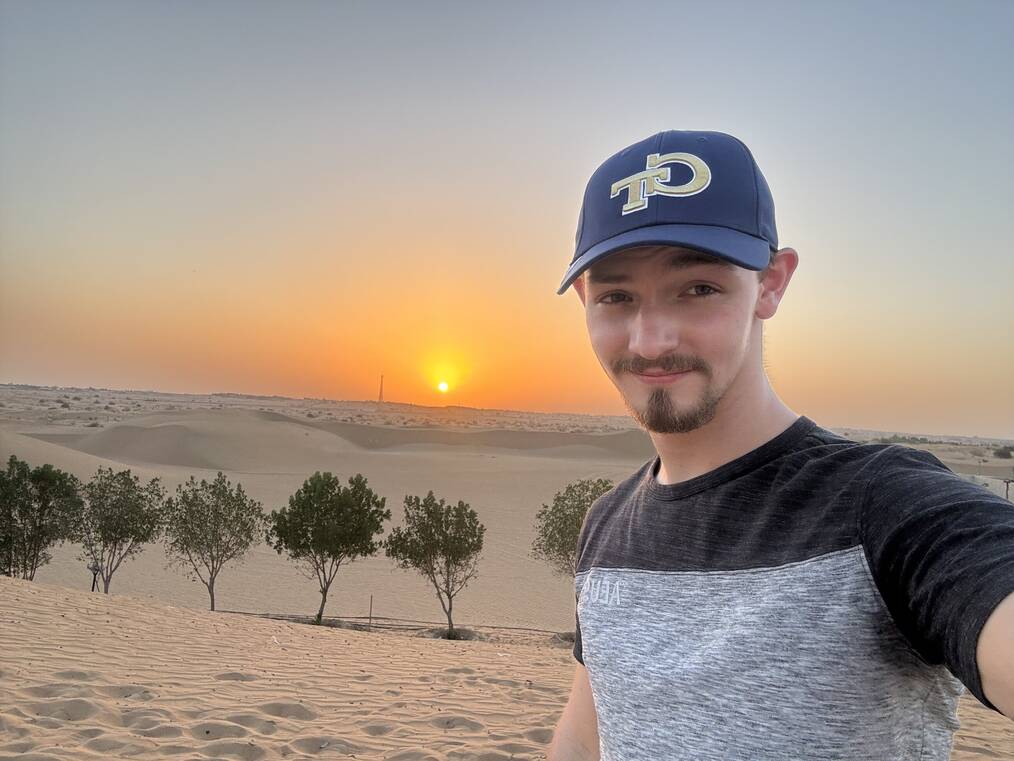
Though the semester was academically focused, we were able to travel a bit. We visited Riyadh, Bahrain, and also stayed in the UAE for a week. While the UAE was more Westernized, I found it less distinctive than Saudi Arabia in some ways. Still, it was exciting to see a different side of the region. We visited The Museum of the Future in Dubai, a surreal and beautifully designed space that blends science, art, and imagination. It was definitely an interesting and unique experience.
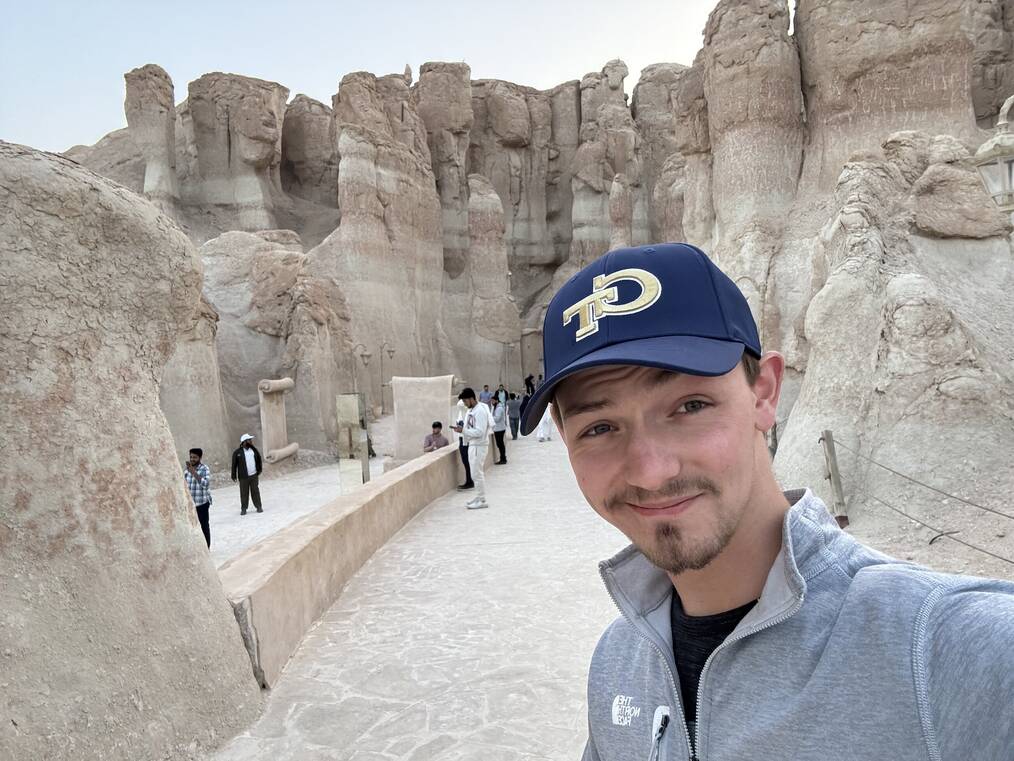
Back in Saudi, we spent time in Diriyah, a cultural district being developed around the historic old city in Riyadh. It was one of the most impressive places I visited — a blend of historical preservation and modern development. The museums in Riyadh, Bahrain, and Dubai also exceeded my expectations. They were meticulously curated, informative, and visually striking. My friends and I were consistently impressed, and I found myself learning much more than I had anticipated about the region’s history and ambitions.
V. Eight Weeks at Aramco: A Different Kind of Learning
After the semester ended, I began an eight-week internship at Aramco’s R&D Center in Dhahran. The experience was valuable, but different from what I had expected — and, in some ways, a bit less structured than I’d hoped.
What made the internship meaningful wasn’t just the technical exposure, but the people I met. I had the opportunity to work alongside engineers and researchers from with both Saudi and western backgrounds, and I learned a lot simply by listening to their experiences and perspectives. Conversations about career paths, research, and work culture helped me better understand the professional environment in Saudi Arabia.
Compared to the U.S., the workplace culture felt more relaxed, with a noticeable emphasis on work-life balance. That said, the internship itself was not the most tightly organized experience. There were occasional periods when I didn’t have a clear task, or when communication about project goals was somewhat vague. I wouldn’t describe the internship as fast-paced or high-pressure, but it gave me a window into how different organizations function and adapt to their own rhythms.
Despite some of the slower moments, I still came away with new insights into engineering workflows, project planning, and corporate culture. The R&D Center also exposed me to the broader scope of Aramco’s long-term energy projects, which deepened my curiosity about industrial applications of chemical engineering — even if my personal contributions were more limited than I’d hoped.
Looking back, I think what I appreciated most were the relationships I built. Some of the closest friendships I formed in Saudi Arabia came from the time I spent working at Aramco. It helped close out my time in the country on a personal note, reminding me once again how important people are in shaping any experience.
VI. Conclusion
My time in Saudi Arabia has been transformative. It gave me the chance to step outside of my comfort zone and into a world that is often misunderstood. I gained a deeper appreciation for Saudi culture, made lasting friendships, and developed academically and professionally in ways I didn’t anticipate.
KFUPM did an excellent job supporting us, and I genuinely enjoyed the pace and tone of academic life there. The Aramco internship offered a glimpse into Saudi work culture and gave me the chance to meet and work with people I otherwise would never have encountered. Together, these experiences helped shape my goals for the future and made me more confident, both as a student and as a person.
For any student considering a semester abroad — especially somewhere unexpected — I can’t recommend this experience enough. It wasn’t always perfect, but it was real, exciting, and deeply rewarding.