SIT Peru: Indigenous Peoples and Globalization; Fall 2025
Ratings
Review
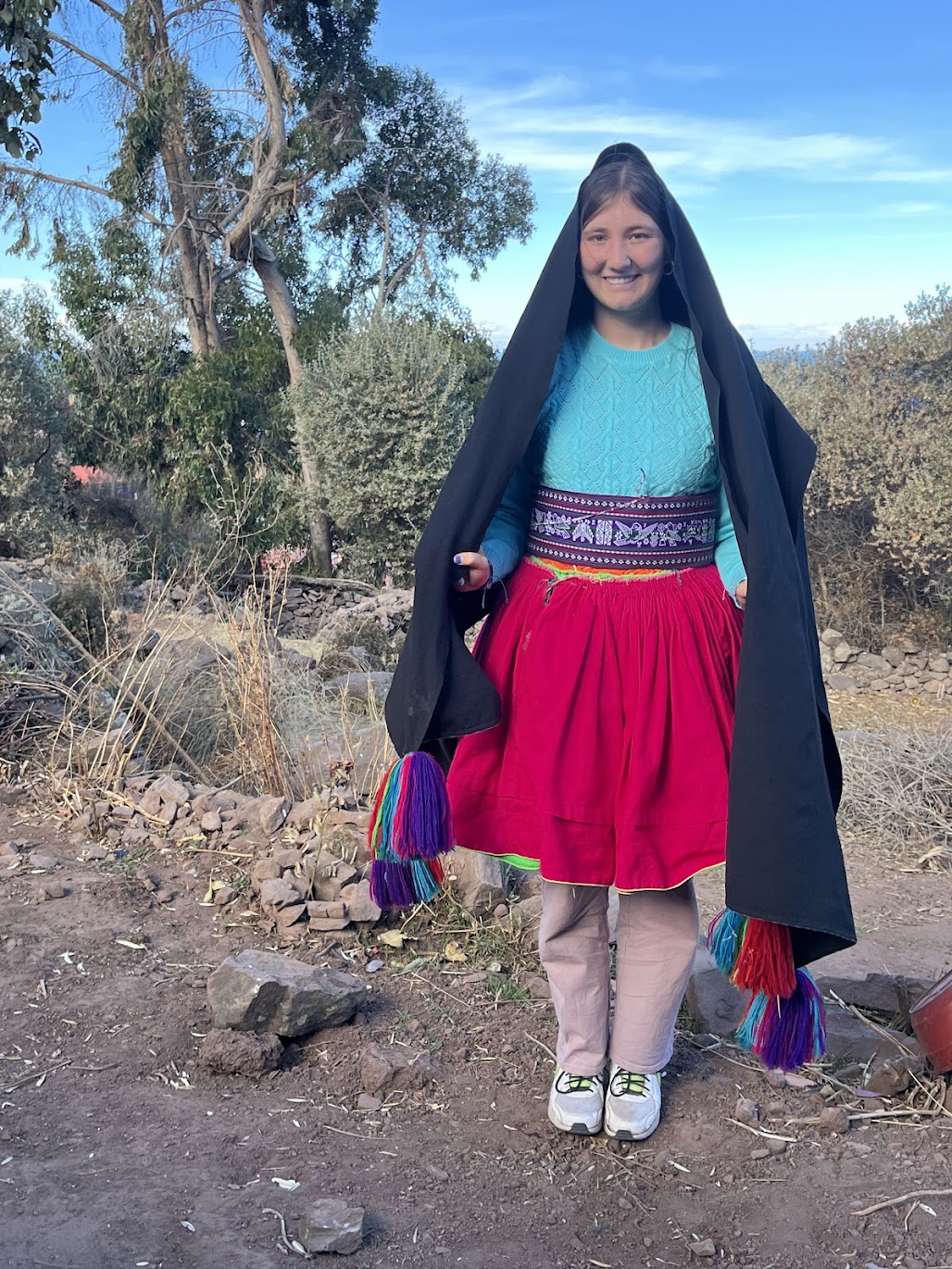
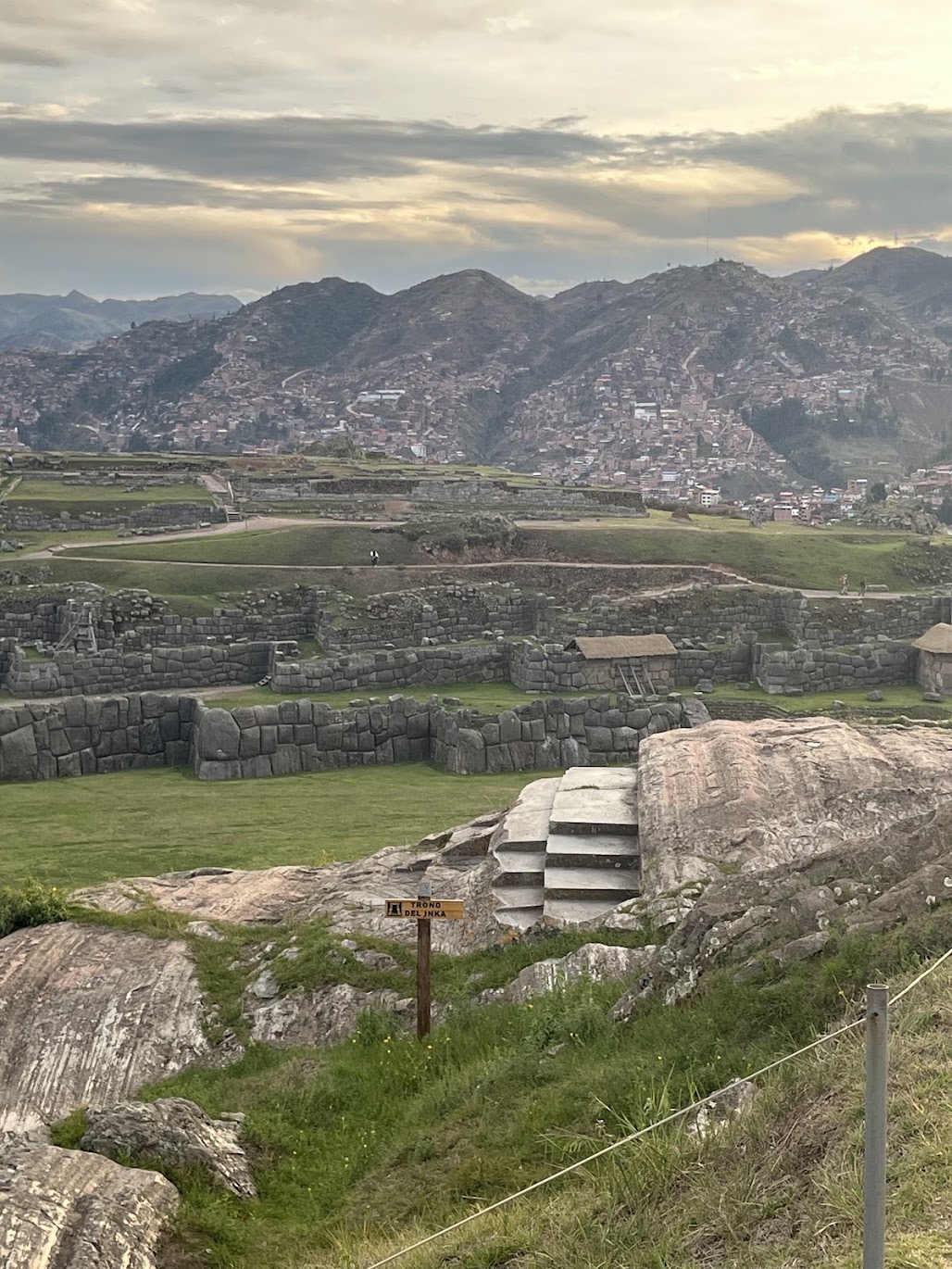
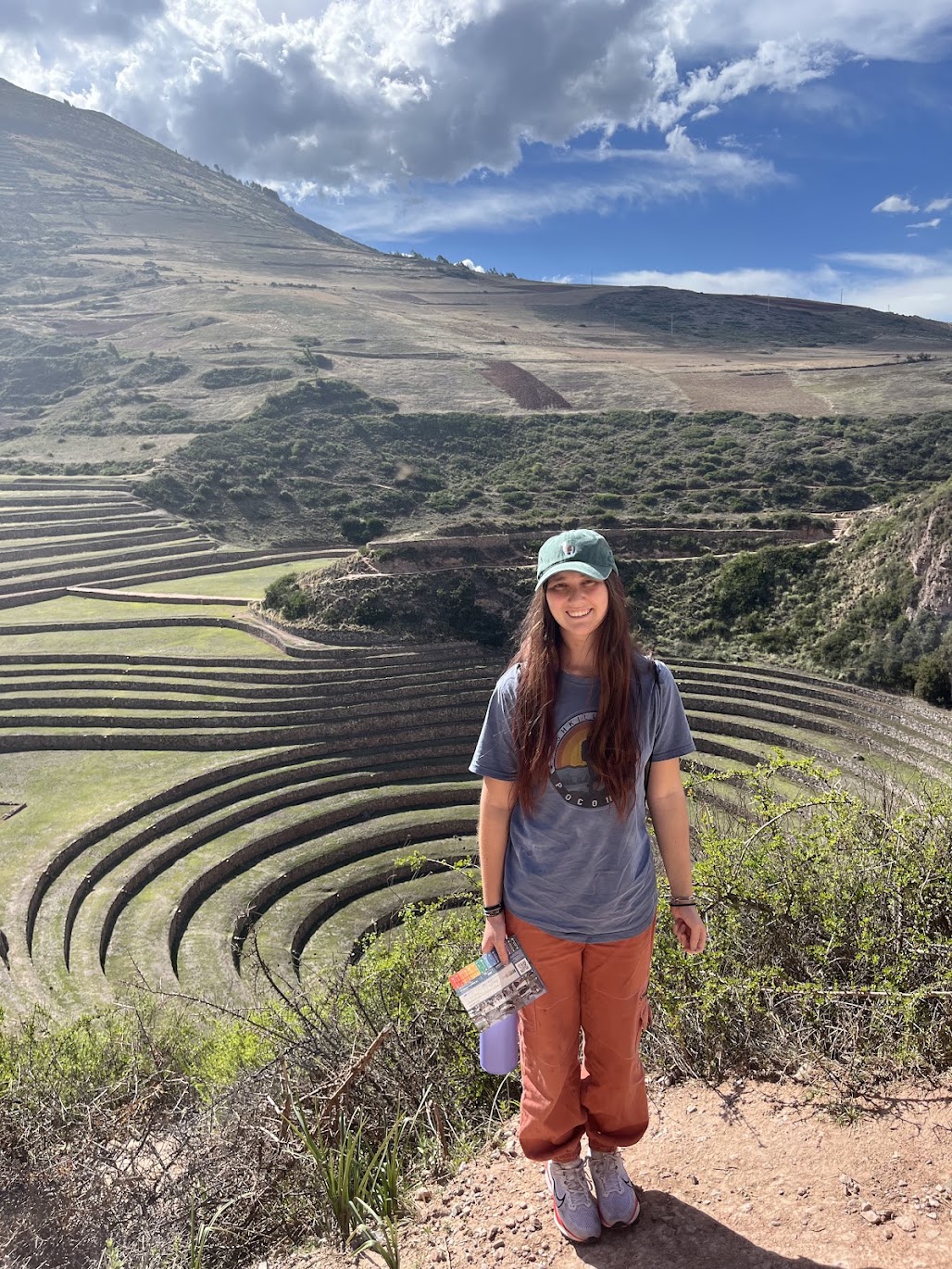
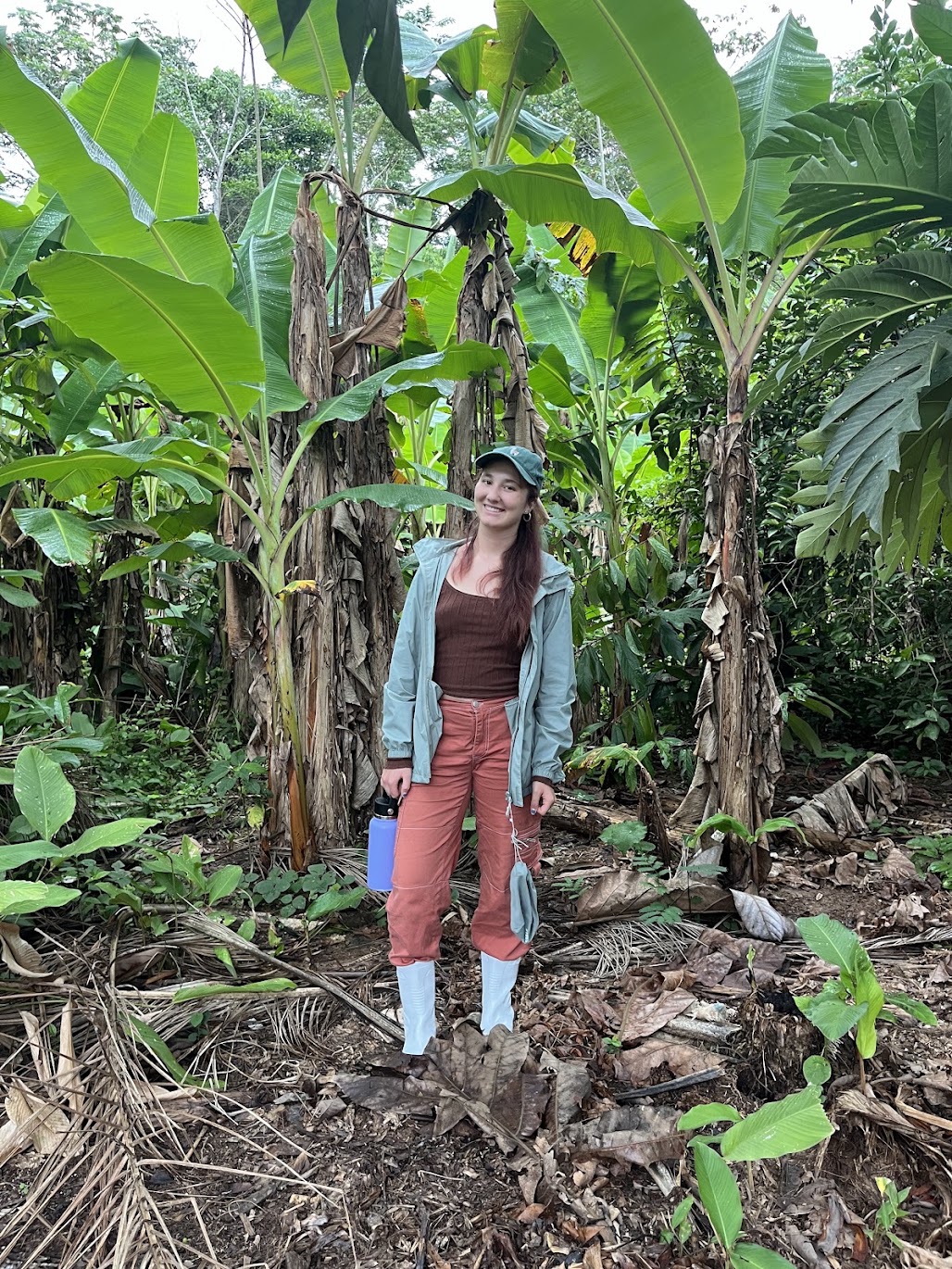
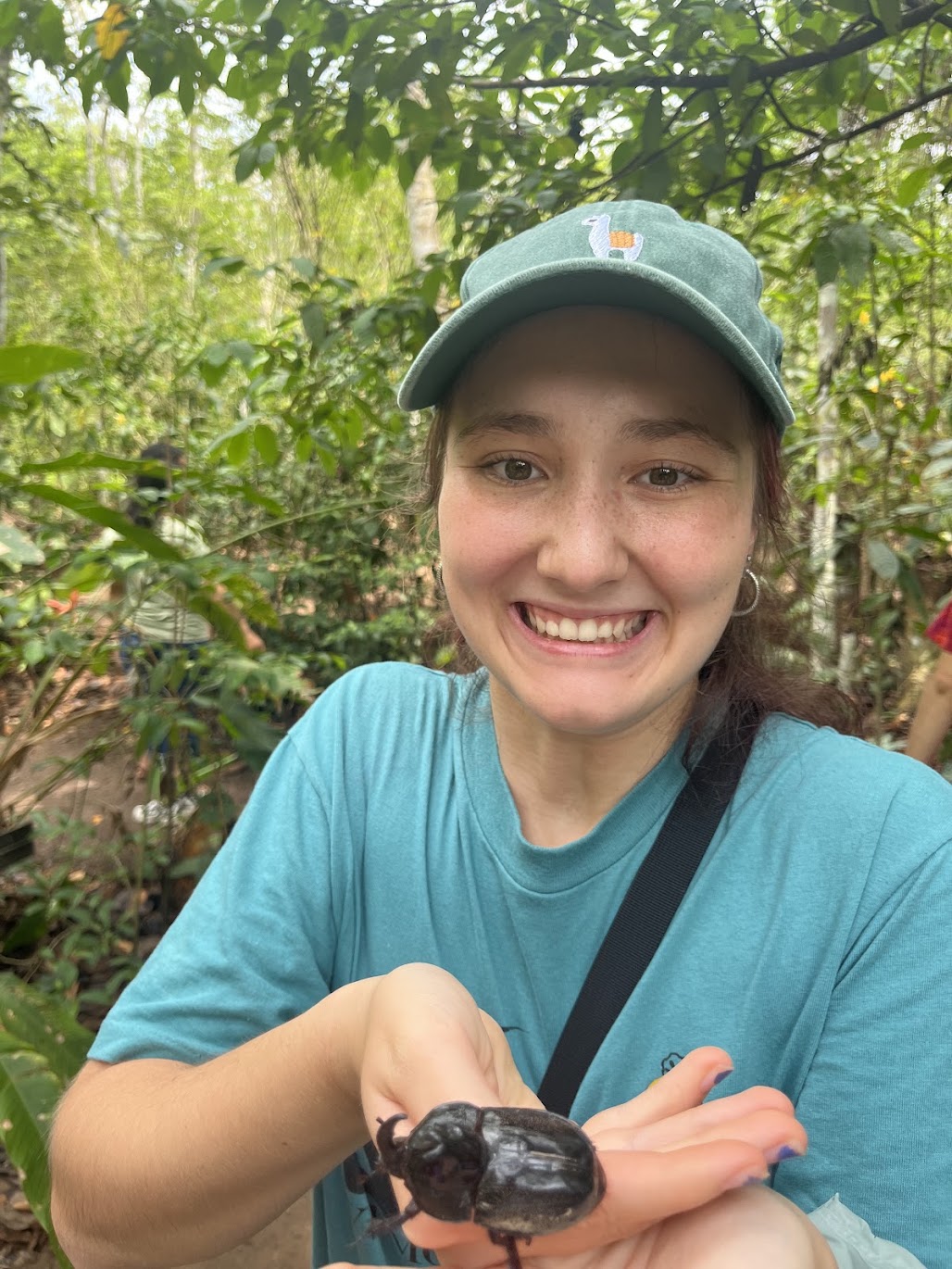
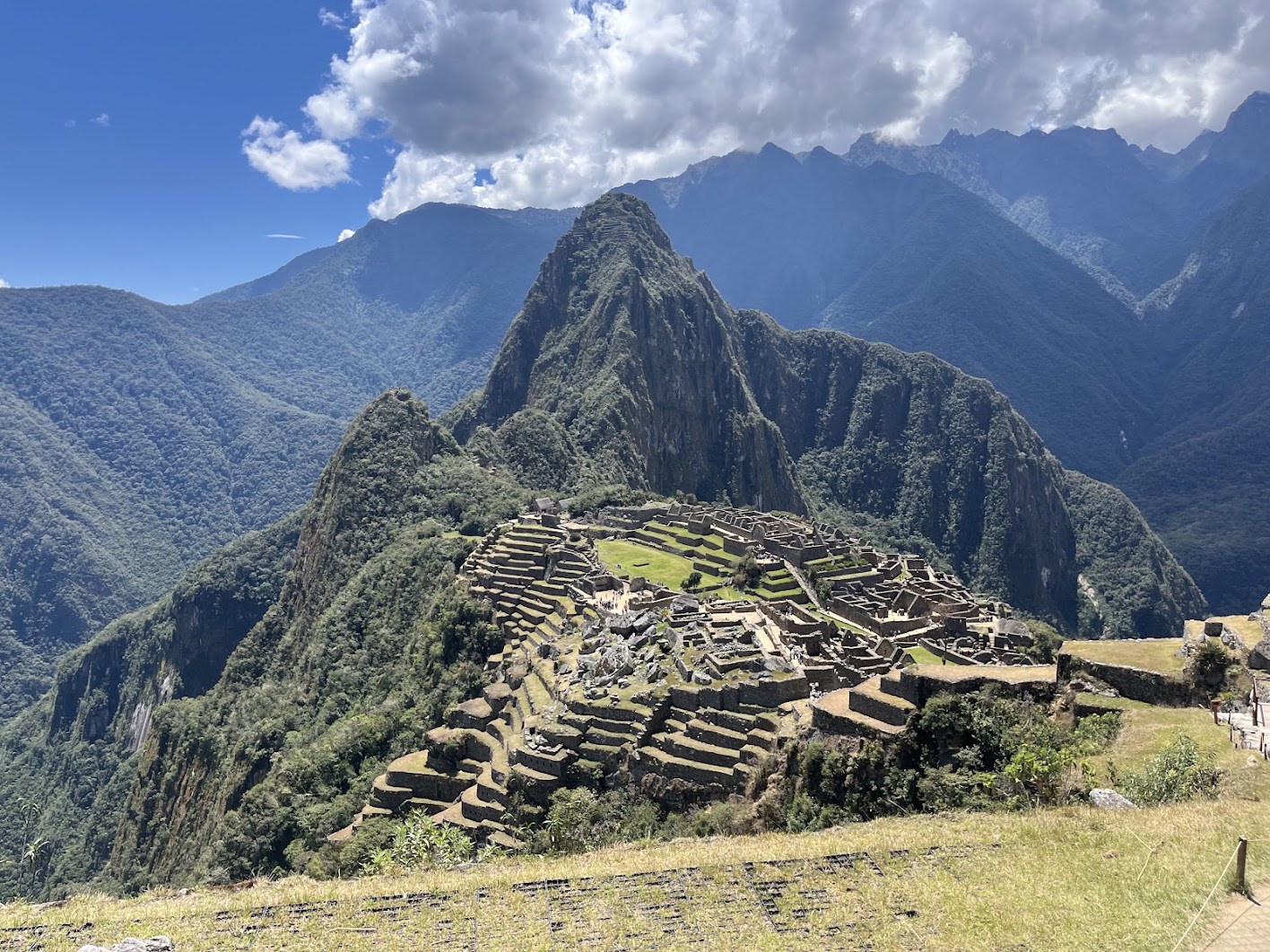
I studied abroad in Cusco, Peru, in Fall 2025 through SIT Peru: Indigenous Peoples and Globalization. I absolutely loved this program! The immersive learning was the best aspect. We visited Indigenous communities, including Huilloc, Puerto Maldonado in the Amazon, and Taquile Island. Machu Picchu was also on the itinerary, of course. There is no substitute for actually visiting these places. These experiences helped me understand the course material and develop empathy in a way that classroom learning alone could not.
I had an amazing experience with my host family in Cusco. I am still very close with them, and they are like a second family to me! They introduced me to their extended family, took me on day trips, different restaurants, and really helped me get to know Cusco. I still carry a pendant with their family crest on my keychain.
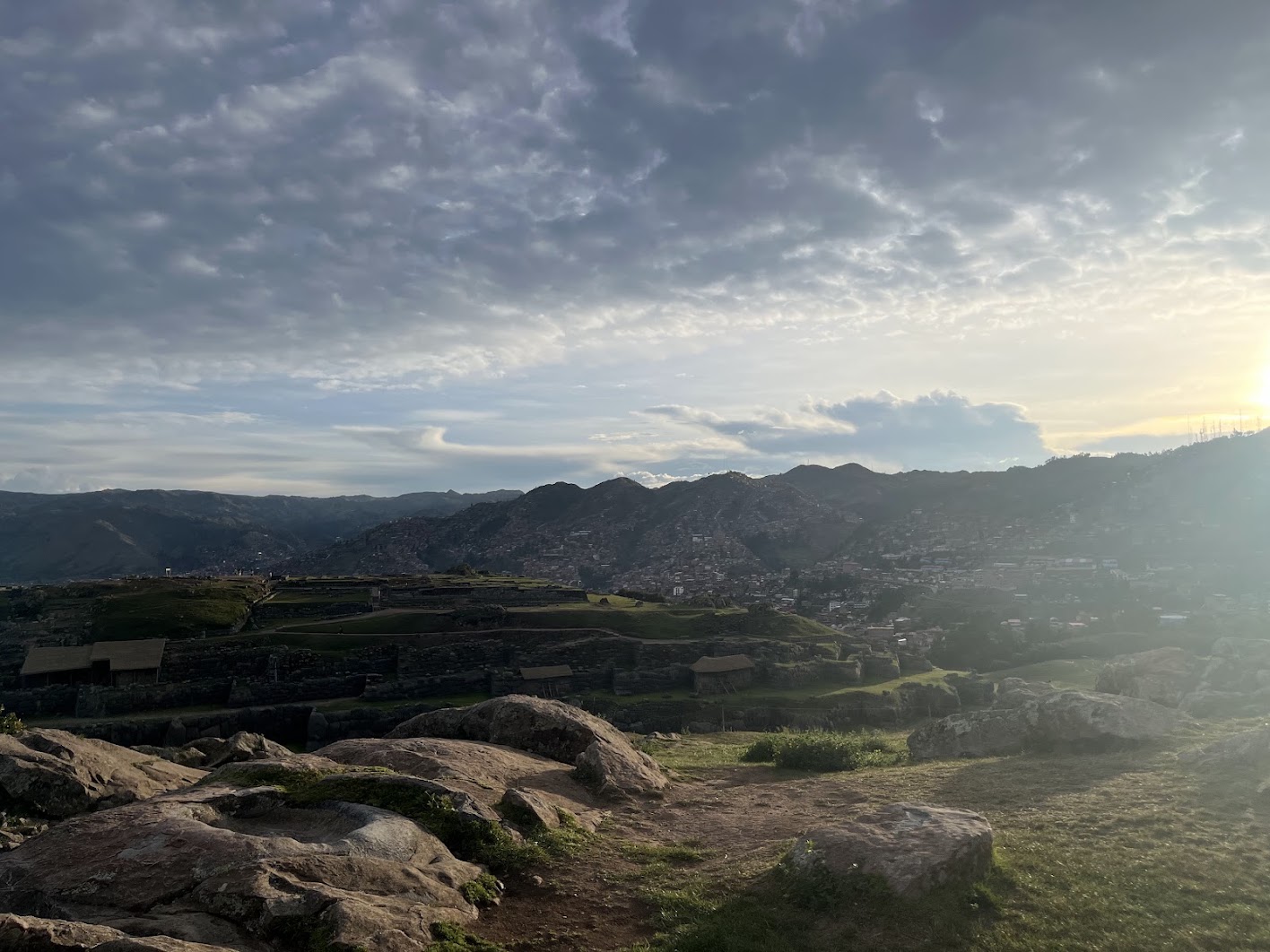
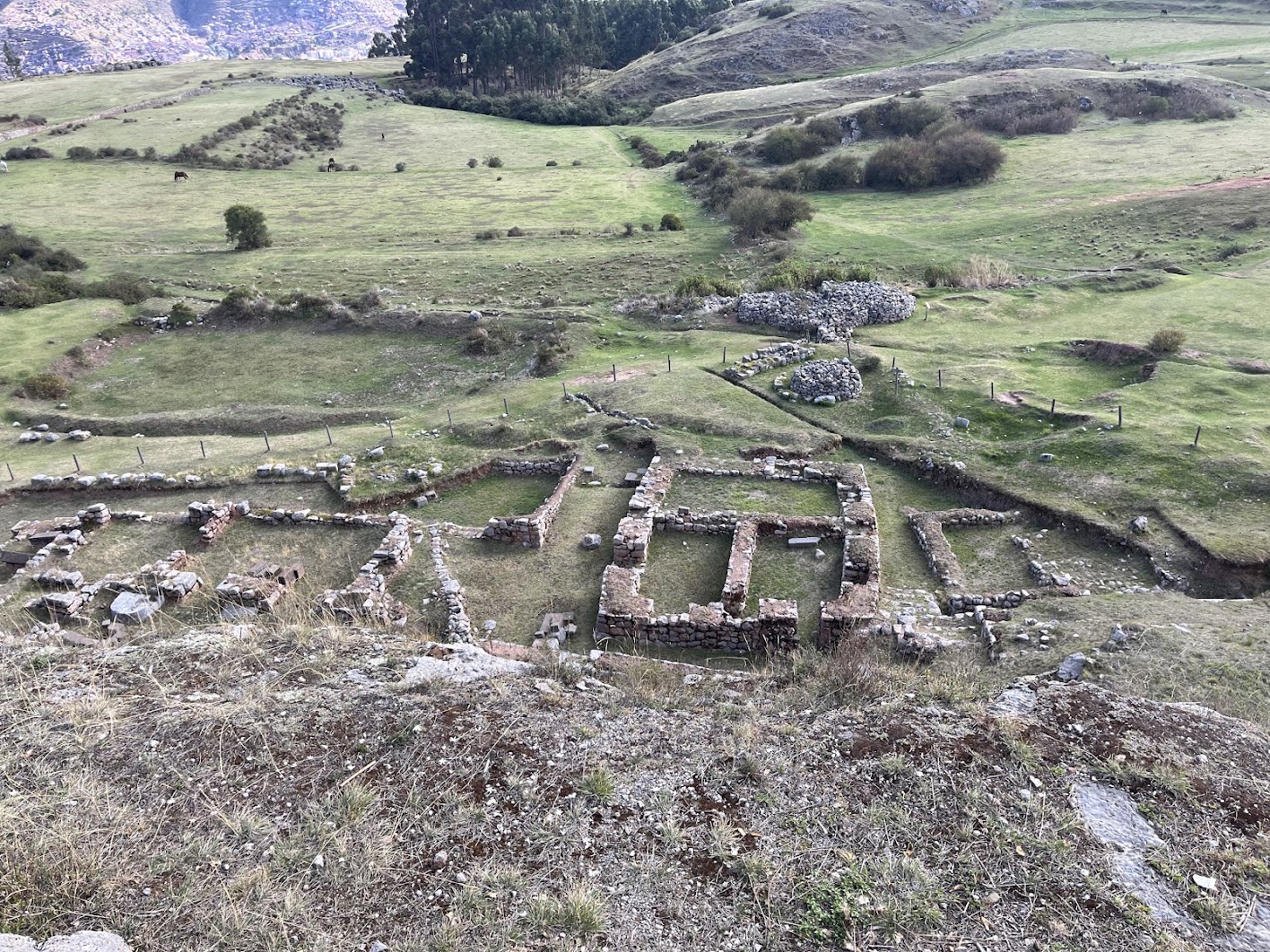
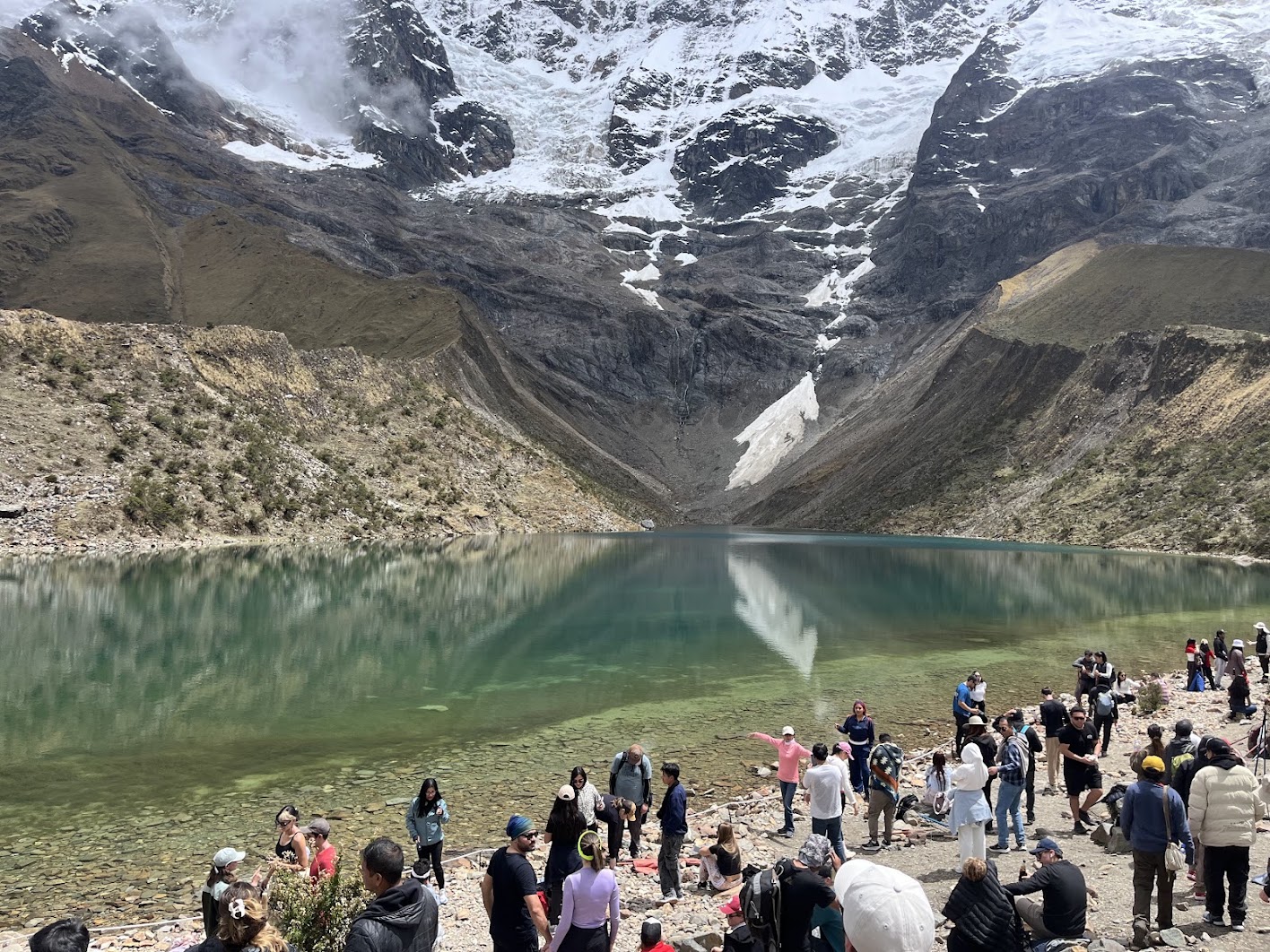
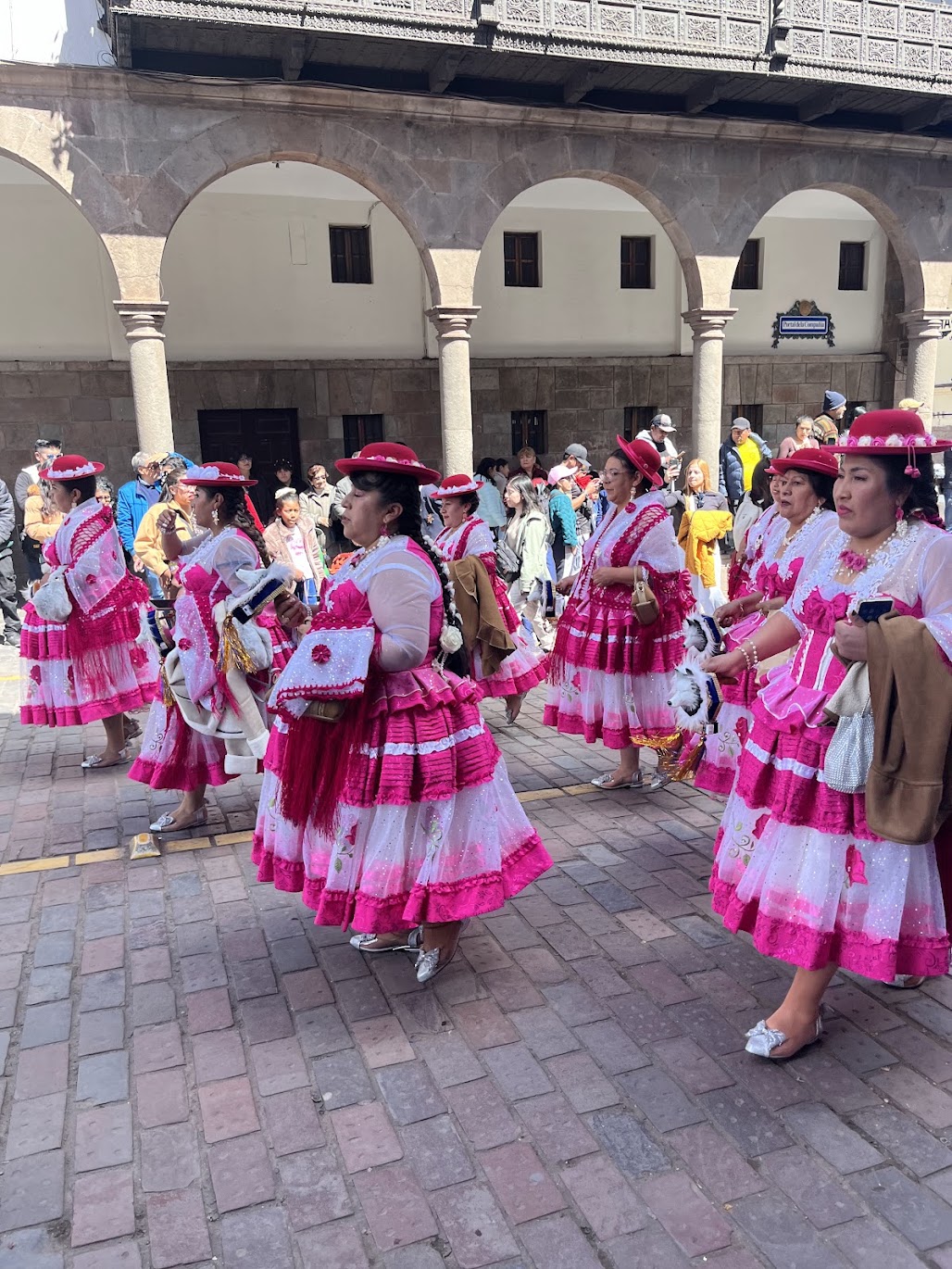
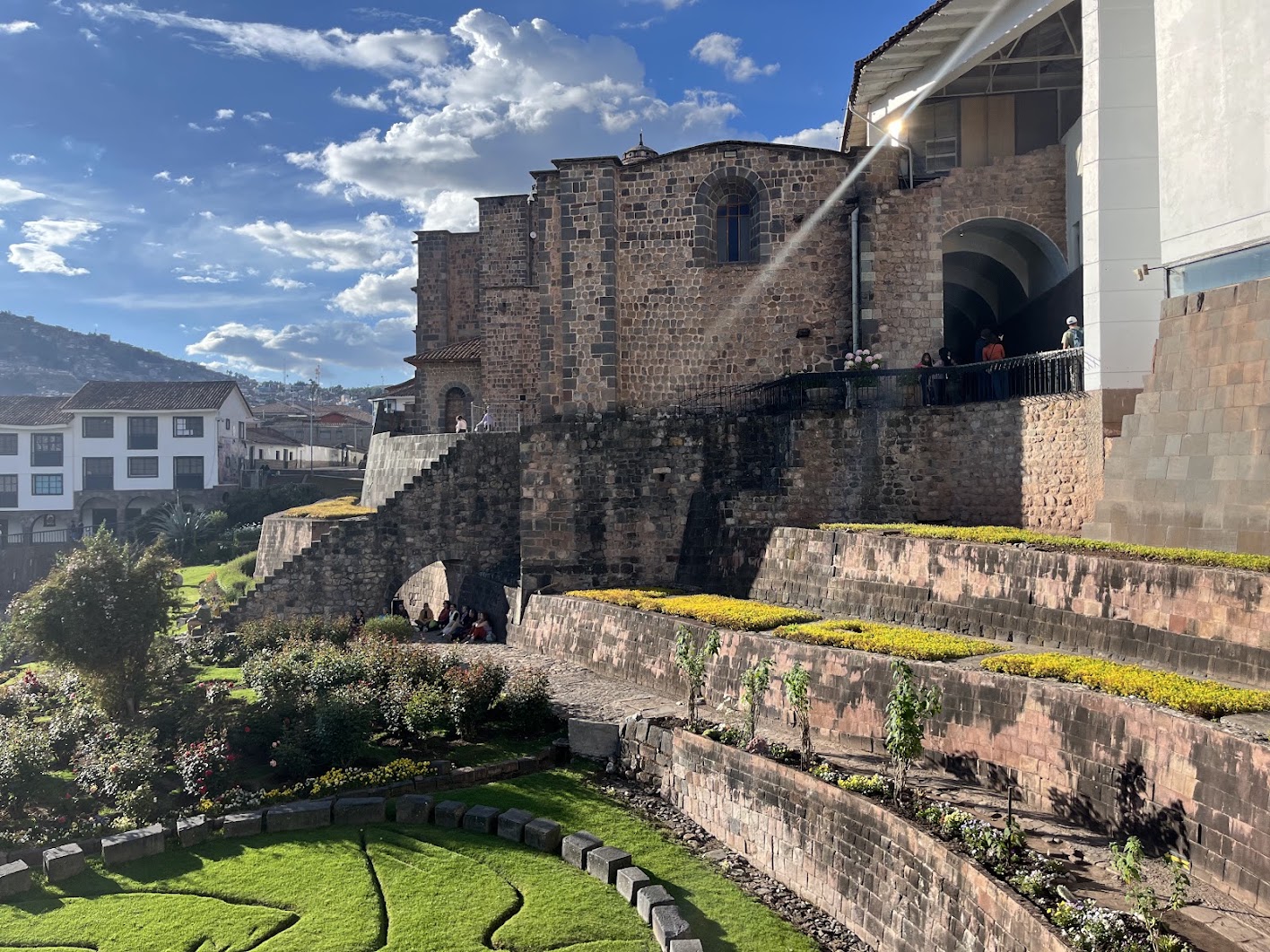
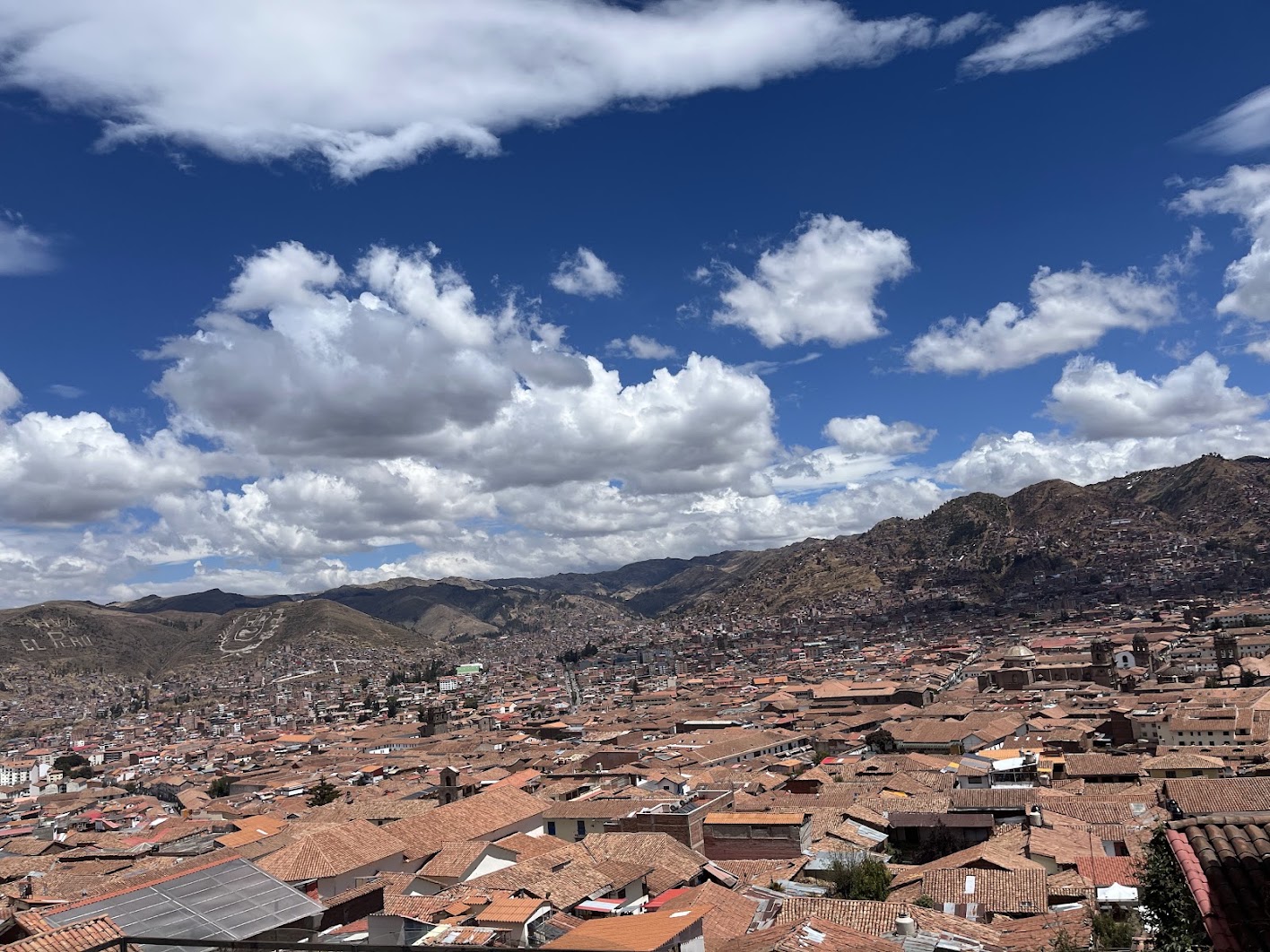
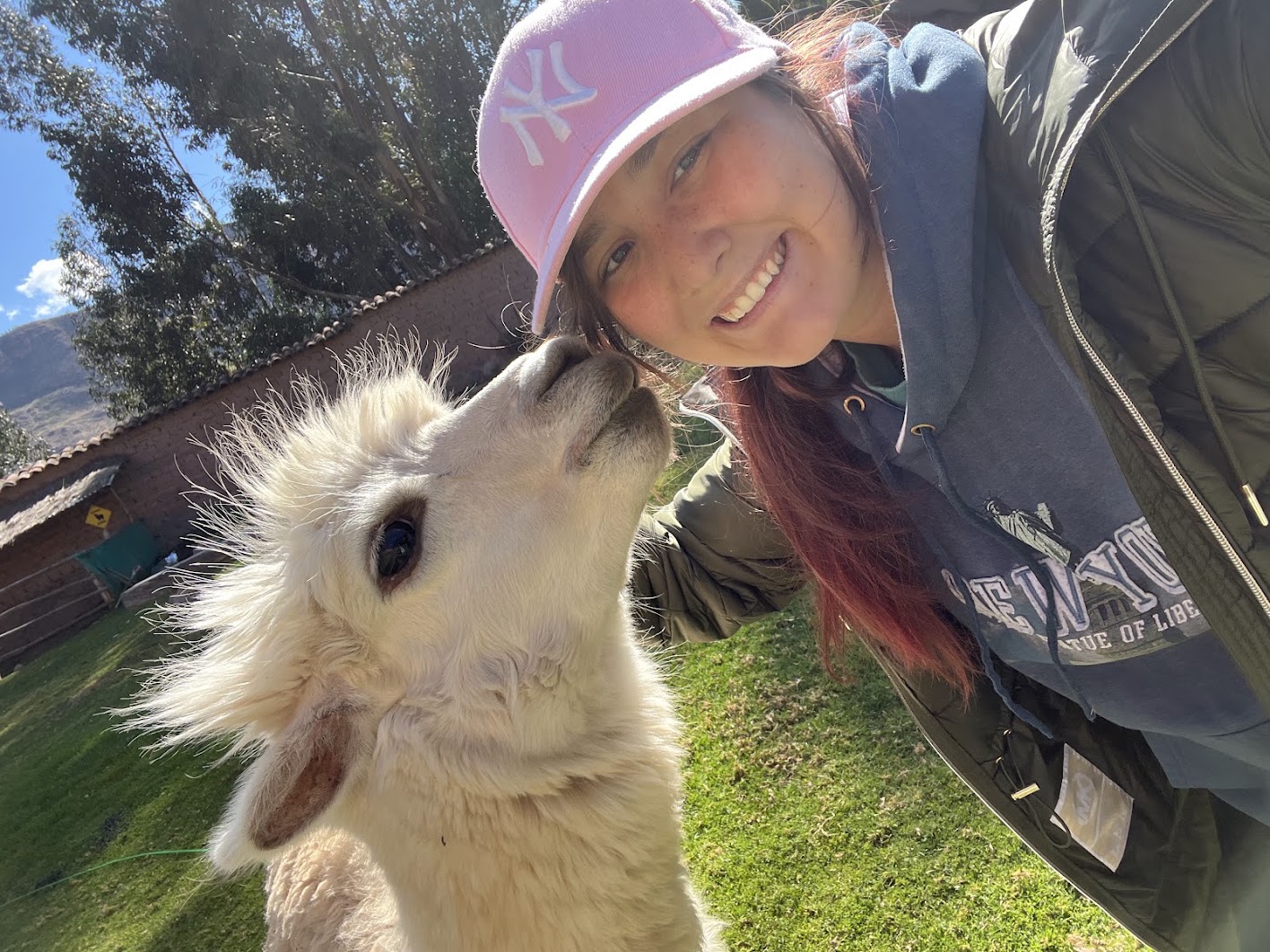
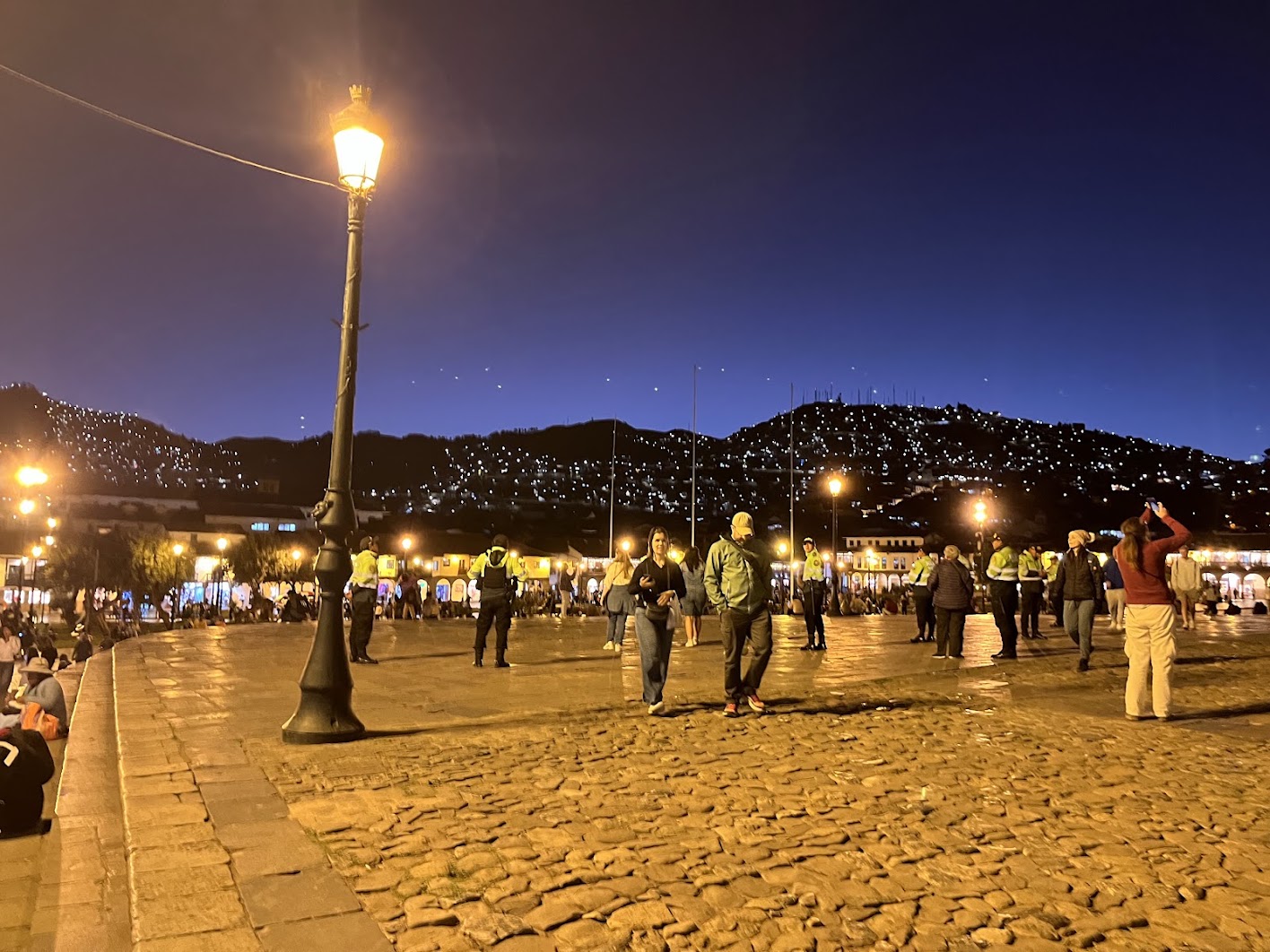
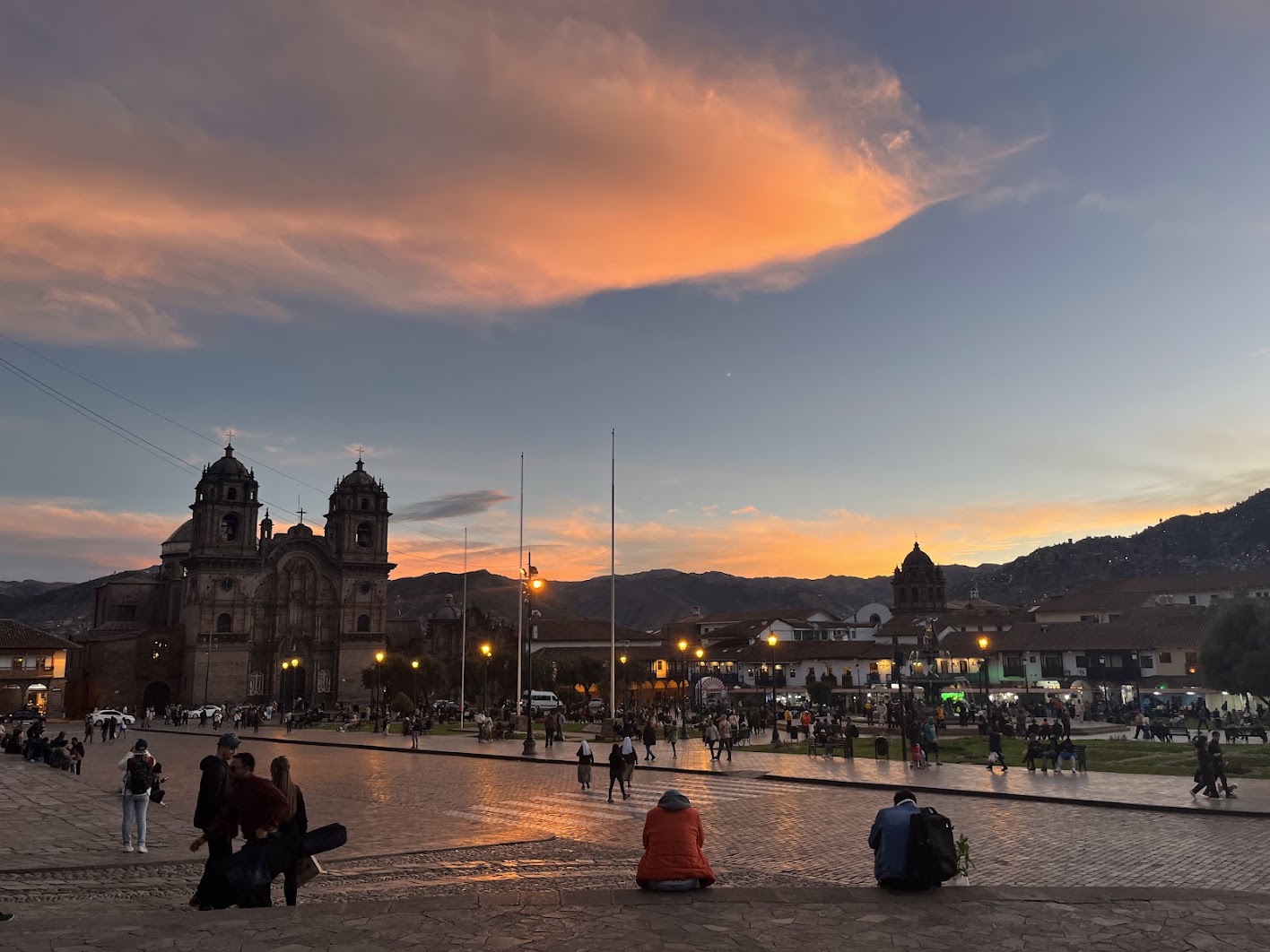
Cusco itself was also a major part of why I loved the program. The city has many museums, Inca archaeological sites, restaurants, and opportunities for hiking and day trips, including Humantay Lake. Living there gave me time to explore both the historic center and everyday life outside the main tourist areas. My neighborhood felt very safe, and the program classes were a ten-minute walk away.
Our Spanish classes were held at a local school. Our small class became close with our professor, and my Spanish improved. For the program classes, different lecturers come in, and the material is very interesting, focusing on Peruvian and indigenous history.
Prospective students should know that this is different from a typical university exchange. You are not enrolled at a local university, and classes are only with your SIT cohort. Cultural immersion comes through your host family, excursions, research, and your effort to explore Cusco and meet people. There is less unstructured time for hobbies or travel. However, this structure allows for community visits and direct learning about Indigenous cultures that would be difficult through a standard exchange.
The independent research process was in Spanish, including interviews, the final paper, and presentation. I became close with the family I stayed with during research, and I still have the contact information of Indigenous women textile weavers I met and have spoken with some since returning home.
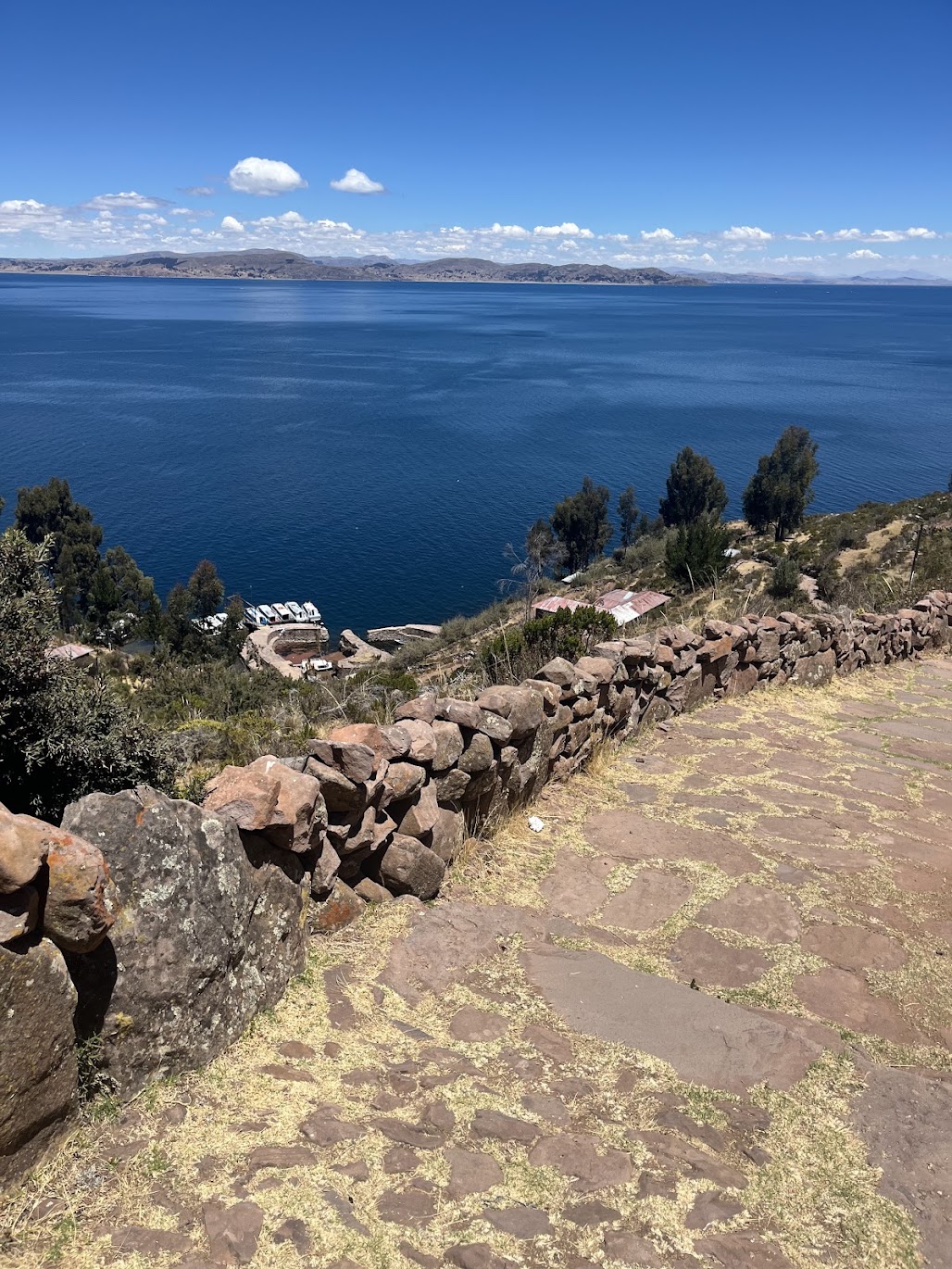
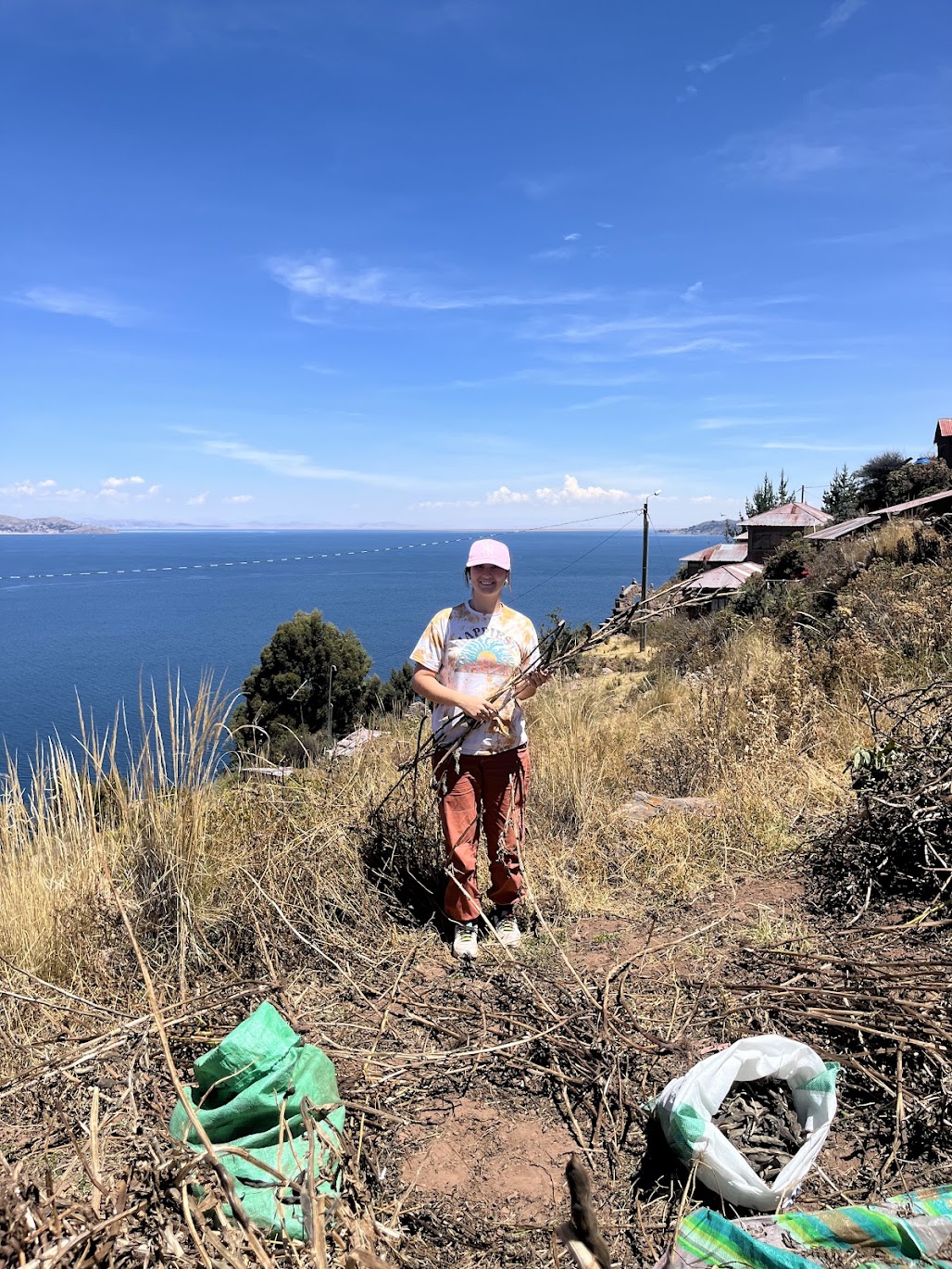
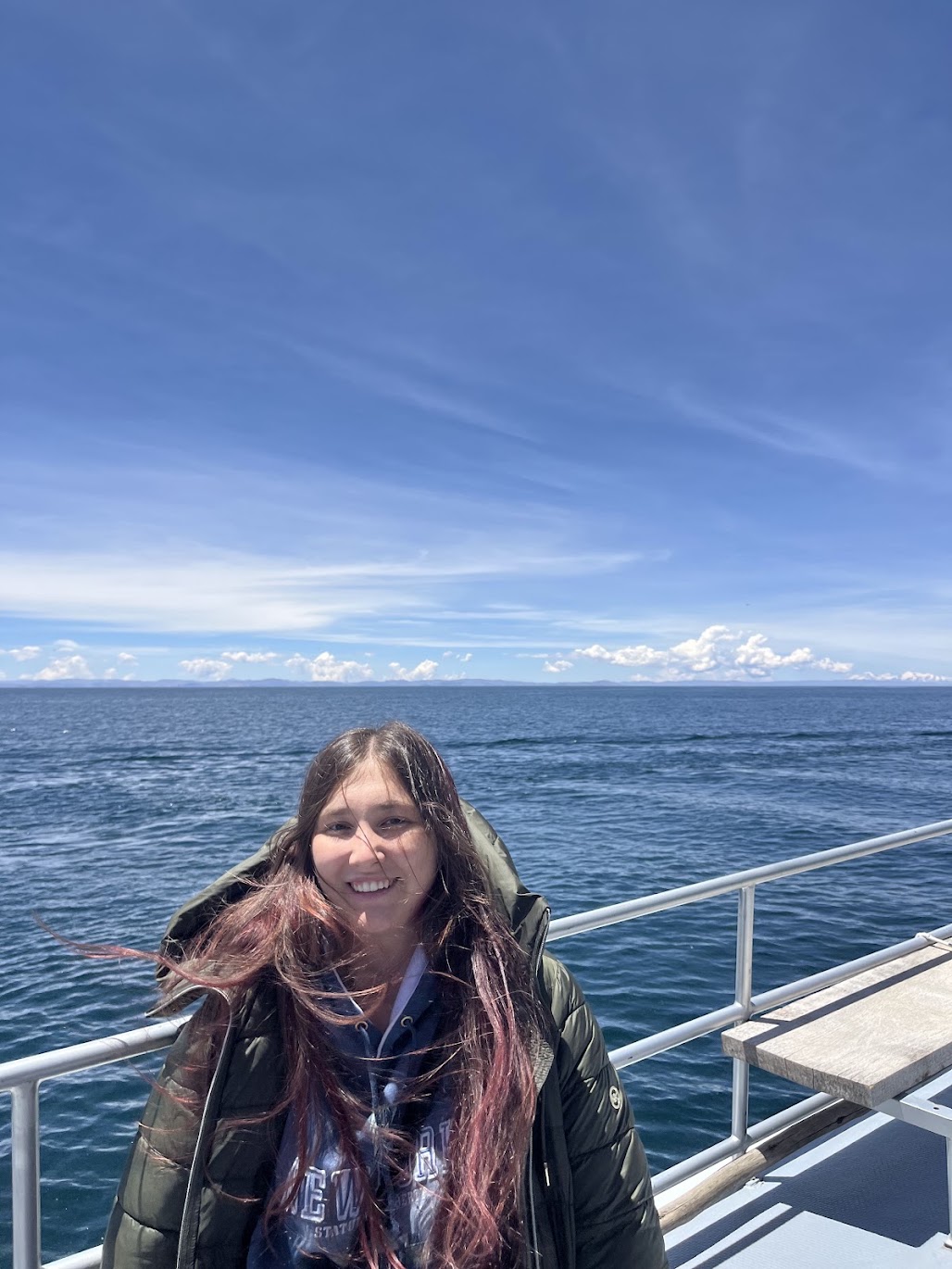
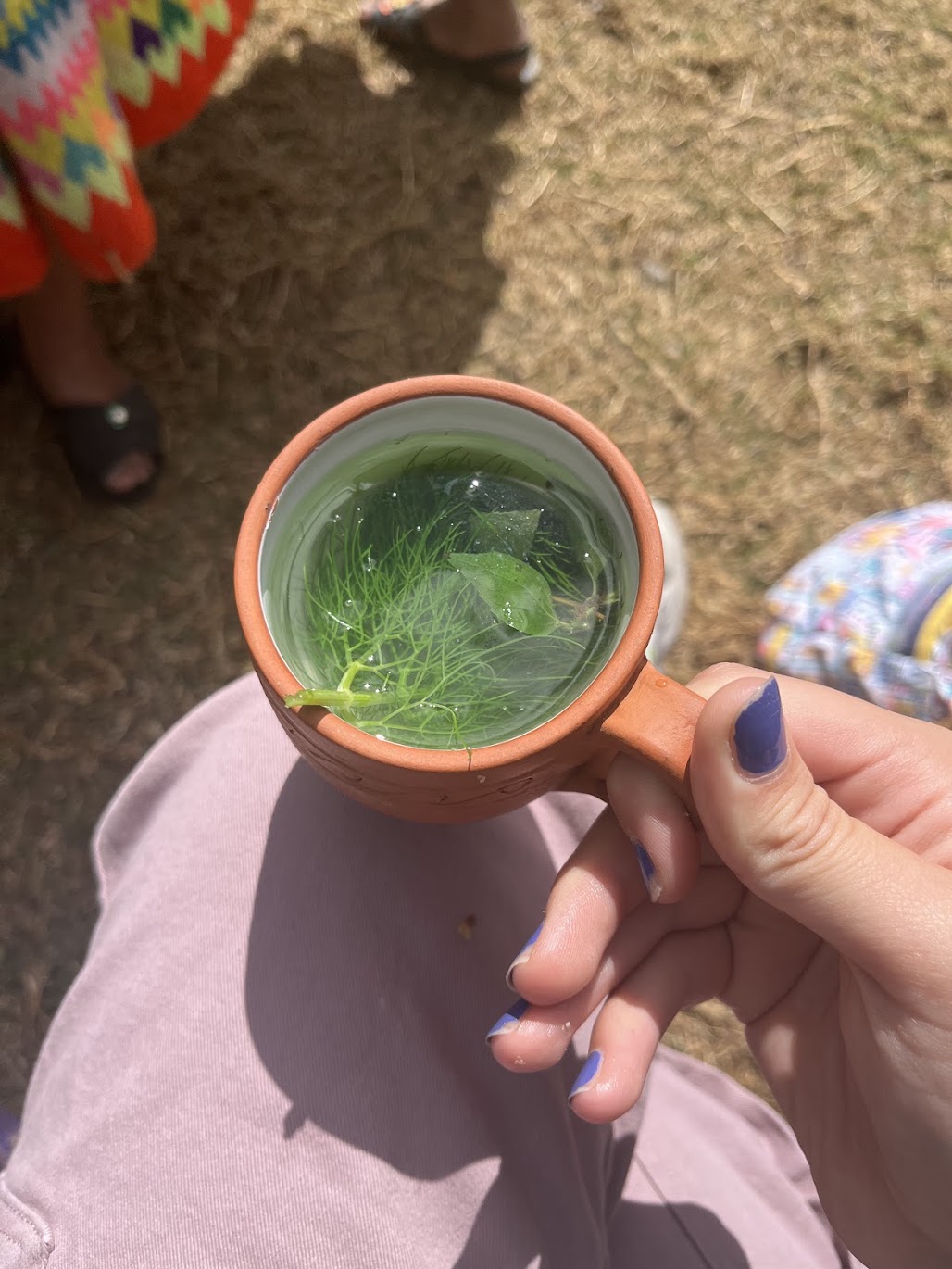
Students should prepare for basic living conditions during some community stays. On Taquile Island, accommodations had limited running water, no hot water, and early mornings. These stays were difficult, but also one of the program’s greatest benefits. We worked on chacras, participated in local activities, and even attended a wedding!
I strongly recommend the program, but students should be ready for unfamiliar environments and moments of loneliness or doubt. Those feelings are normal and should not be taken as a sign not to do the program. For me, it was life-changing. I met incredible people, broadened my understanding of Peru and Indigenous communities, and formed relationships I expect to maintain for the rest of my life. I would without hesitation make the same decision again.
Media