
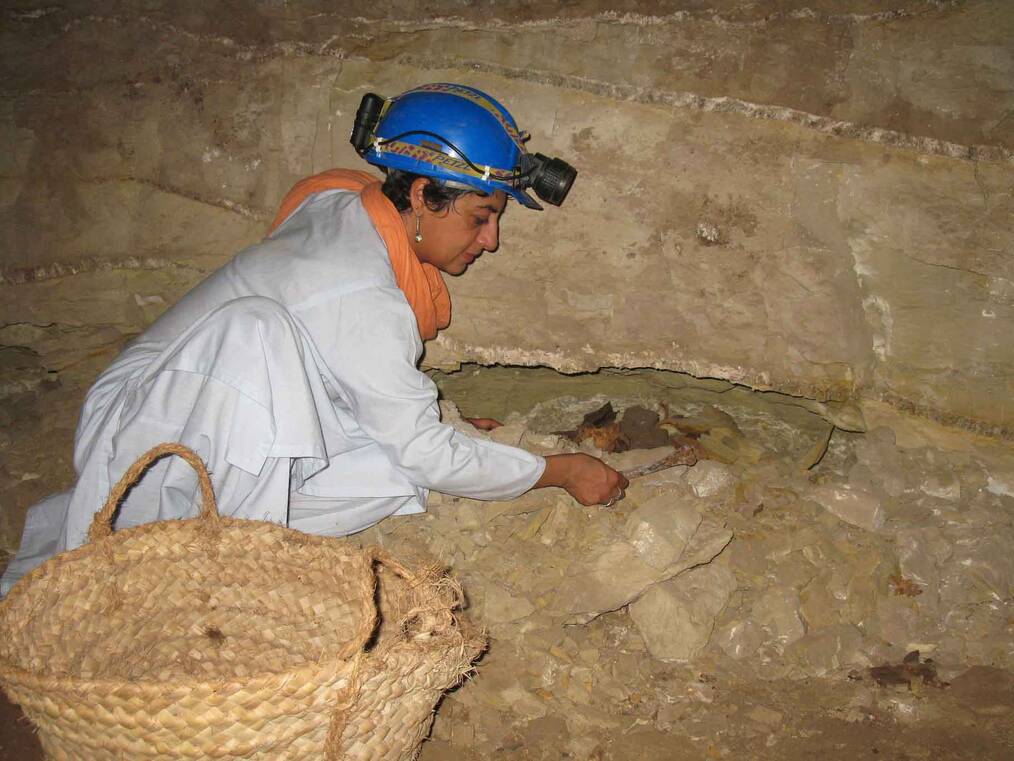
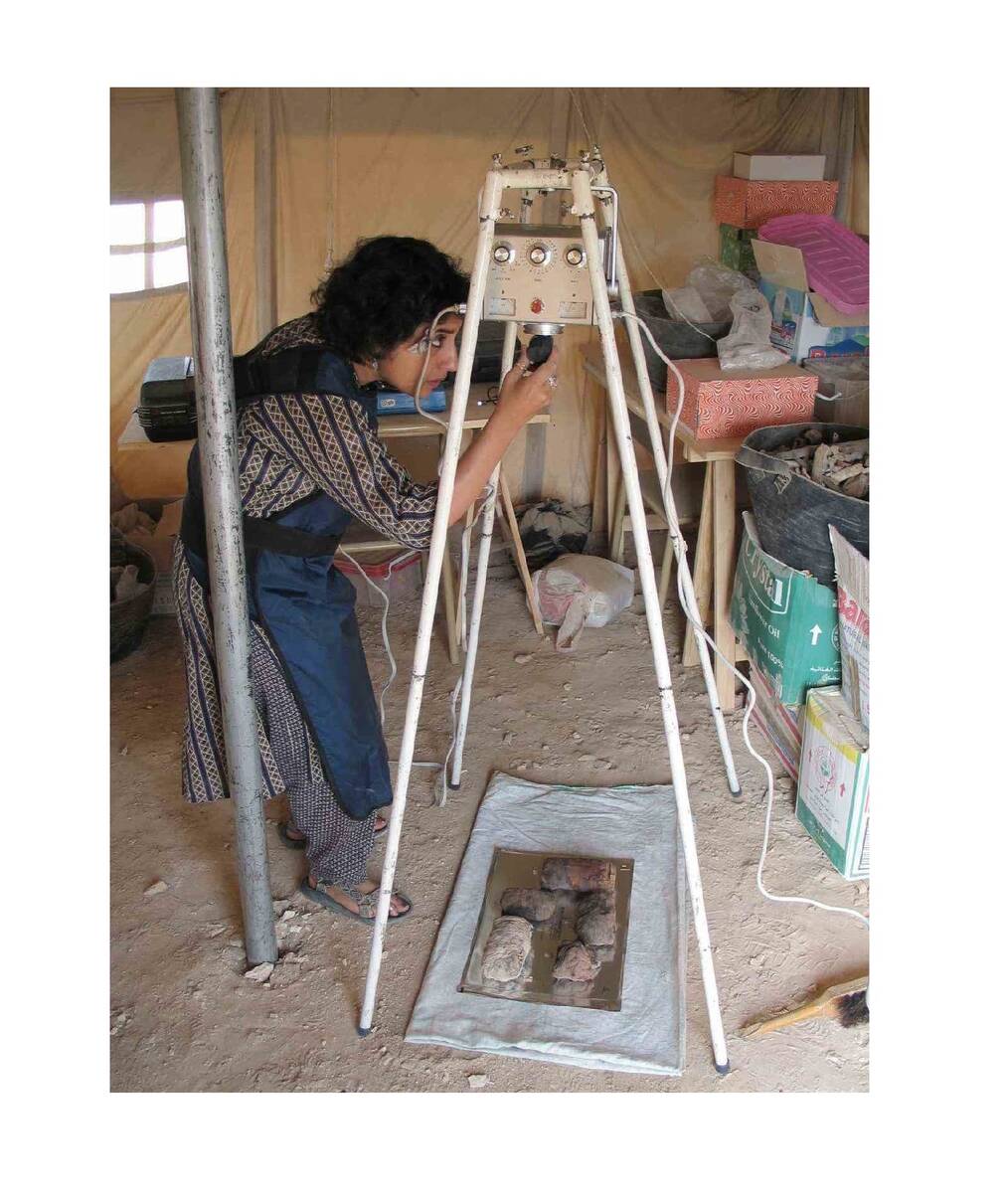
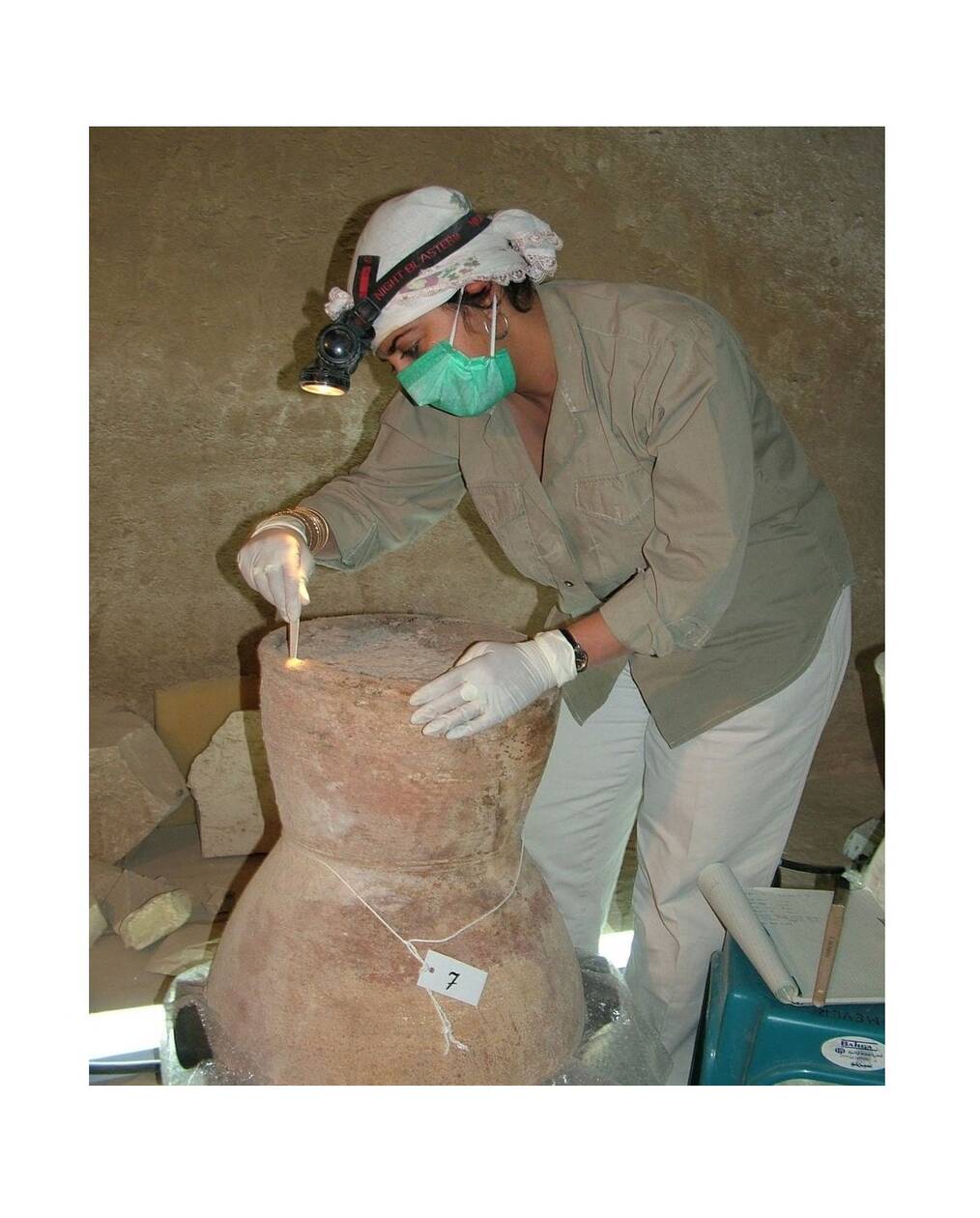
Dr. Ikram is an Egyptologist who has excavated in Egypt since she was a student in 1986, and has also worked in Greece, Turkey, and Sudan. Her main interests in terms of ancient Egypt are death and mummification, daily life, food, rock art, experimental archaeology, ethnoarchaeology, archaeozoologist, and the cultural heritage protection. She has published extensively on these subjects, both for adults and children, and has also appeared on television.
Staff Spotlight: Salima Ikram
Title:
Distinguished University ProfessorPhotos
What is your favorite travel memory?
The first time I went into the Great Pyramid at Giza when I was 9.5 years old was amazing – the dramatic architecture of the Grand Gallery that shot up through the pyramid was awe-inspiring, and the whole space filled me with wonder. This was one of the pivotal moments in my decision to become an Egyptologist.
How have you changed/grown since working for your current company?
I have been blessed with the opportunity to live and work in Egypt, and have had access to study its monuments as well as to dig them up. I have also been able to take students to visit the sites and also to work on them, which allows both them and myself to grow as scholars and human beings, as we witness the astonishingly rich culture of ancient Egypt.
What is the best story you've heard from a return student?
One of the nicest things a student has said (actually, several of them say this) is that they have been extremely well prepared for grad school and that the Egyptology unit at AUC taught them how to think, question, appreciate, and be engaged with Egypt in a way that students who study elsewhere cannot. And, at conferences, they always insist on a group lunch, which is starting to mean taking over an entire restaurant.
What makes your company unique? When were you especially proud of your team?
The Egyptology Unit at AUC is made up of wonderful scholars with a range of expertise who are engaged in ancient Egypt in a variety of ways. We have a unique understanding and way of interacting with Egypt's culture due to the fact that we live in Egypt and are immersed in both its present and past. We all publish extensively and are involved in a variety of field projects in which we involve our students.
What do you believe to be the biggest factor in being a successful company?
The Egyptology unit works (and plays) together for mutual benefit and also works very hard to ensure that our students have the best possible education as well as opportunities to work in the field and enjoy a wide variety of experiences as well as exposure to different scholars and intellectual paths.