
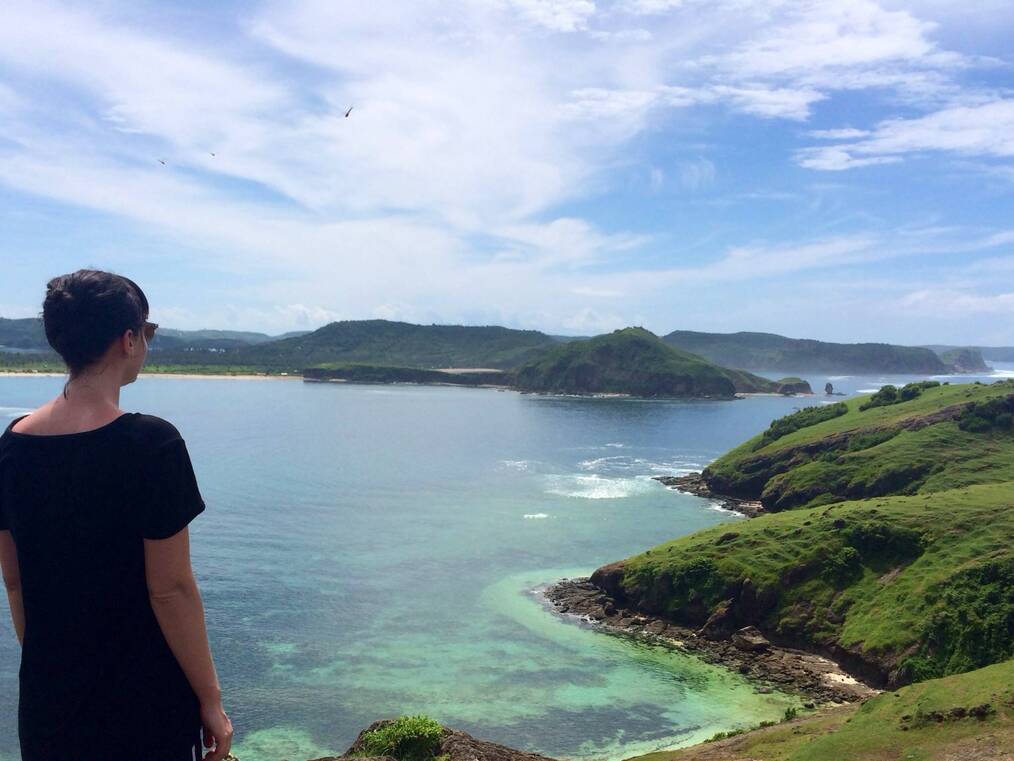
In 2019, I was working in Nepal for a couple months, and I was able to do several days of trekking in the Annapurna region. One morning, we woke up really early to climb to a snowy peak at 12,000 ft, and we were greeted with the most beautiful sunrise, with 360 degree views of the Himalayas. There were only a few other people there, and we all silently enjoyed the stunning views together, with mugs of hot chai in hand.
Staff Spotlight: Amy Krzyzek
Title:
Assistant Director, Africa, Asia-Pacific, and US ProgramsProgram:
Global Health in the Philippines Photos
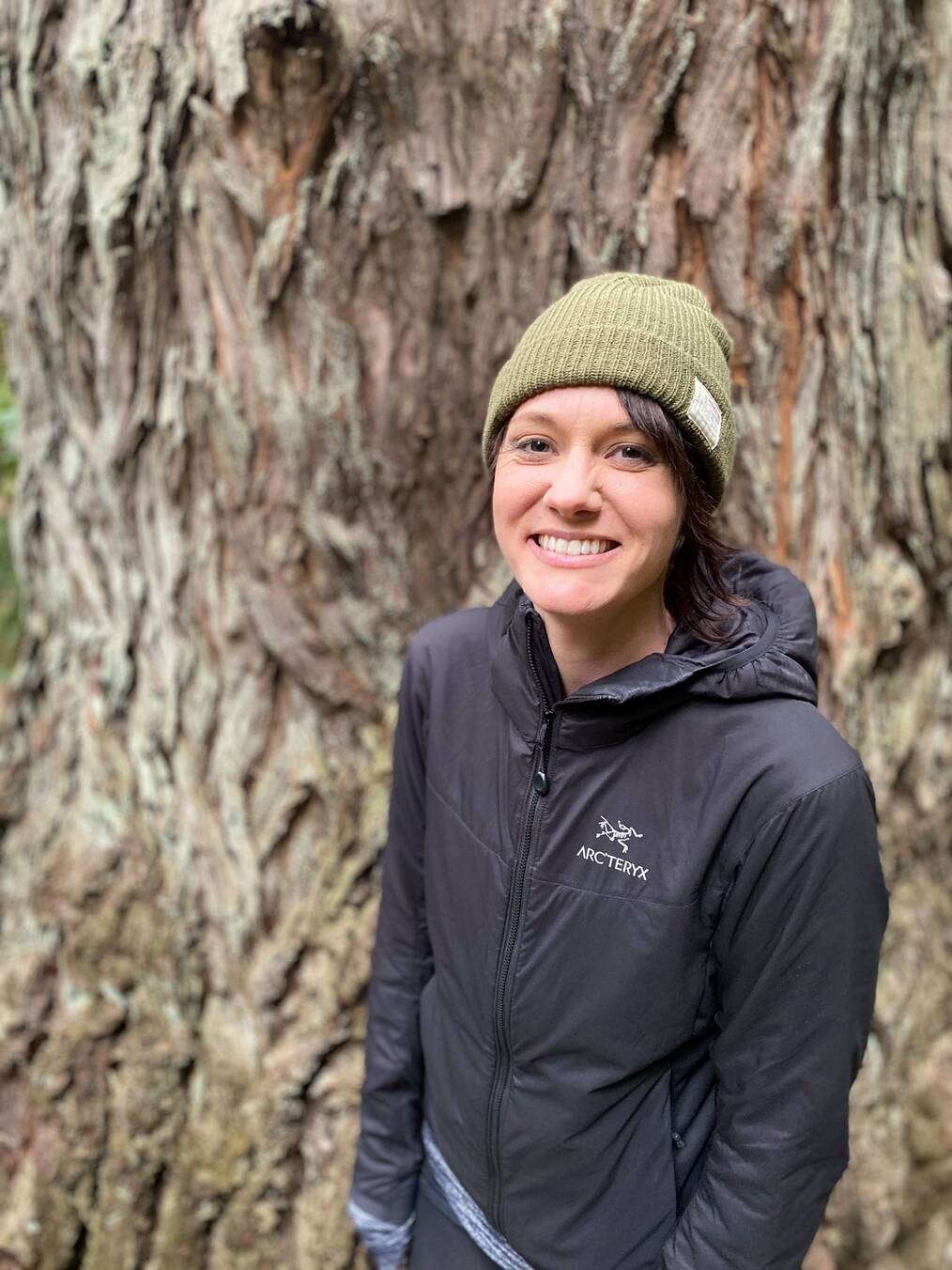
Amy is passionate about the field of experiential education and has 8 years of experience managing global education programs in the Global South. She feels really grateful to work for an organization that engages in conversations around ethics and social justice, and that tangibly supports the work of communities and NGOs in the places where she works.
What is your favorite travel memory?
How have you changed/grown since working for your current company?
I used to travel with students and serve as lead educator on global education programs. Now, I am behind the scenes, where I have the opportunity to support partners in Asia, Africa, and the US to be the stars of the show. It's really great to have students be taught by our global partners, as these local leaders are the true experts of the global health challenges and solutions in their contexts.
What is the best story you've heard from a return student?
Last summer, a talented student shared a beautifully-illustrated journal of her experiences in India, and I appreciated seeing her reflections and all of the day-to-day changes that occurred in her thinking. These small shifts in perspectives, assumptions, and worldviews plant seeds that help shape our studies and our careers.
If you could go on any program that your company offers, which one would you choose and why?
I grew up in a rural area and enjoy learning about the challenges of delivering healthcare in rural/remote settings. For that reason, some programs I am drawn to are Remote Island Medicine in the Philippines, Rural/Urban Himalayan Rotation in India, and Maternal Child Health, HIV, & Realities of Health Access in Uganda.
What makes your company unique? When were you especially proud of your team?
We are thought leaders in the field of global health education, and we are always pushing to advance ethics in this space. We do this in formal ways, including publishing research. We also do this informally in our conversations with academic partners and students. We know that universities, students, and professionals often have good intentions, but good intentions are not enough. CFHI is committed to ensuring that global health programs have positive impacts on locally-led health initiatives.
What do you believe to be the biggest factor in being a successful company?
I believe the biggest factor in being a successful company is that CFHI is so fortunate to have a network of global partners across 12 countries. We work with 200+ individuals in about 75 clinics, hospitals, and NGOs at our sites. This network of global health leaders who teach and support our students is without a doubt our greatest asset.