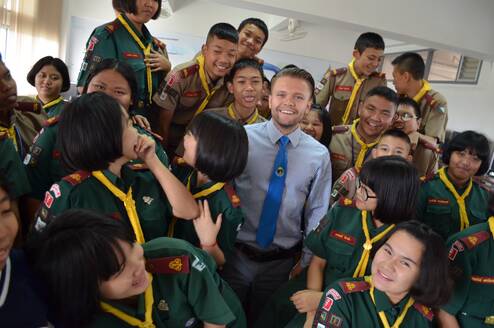
Teaching in Thailand’s Isaan (Northeastern) region is a unique and deeply enriching experience that differs significantly from teaching in more tourist-oriented areas like Bangkok, Chiang Mai, or the southern islands. Isaan is often considered the cultural heartland of Thailand, and working there offers teachers an authentic glimpse into rural Thai life, strong community values, and a slower, more grounded pace of living.
One of the most striking aspects of teaching in Isaan is the warmth and hospitality of the local people. Teachers are often treated with genuine respect and curiosity, particularly in smaller towns and villages where foreign teachers are still relatively uncommon. Colleagues frequently go out of their way to help with daily life, from translating at markets to inviting teachers to family events, weddings, or temple ceremonies. This sense of belonging can be incredibly rewarding and helps foreign teachers integrate more deeply into the community.
In the classroom, teaching can be both challenging and fulfilling. Many students come from farming or low-income backgrounds, and their exposure to English outside of school is limited. As a result, English proficiency levels are often lower than in urban areas. However, students are generally polite, enthusiastic, and eager to learn, especially when lessons are interactive and fun. Games, songs, and conversational activities tend to work far better than rigid textbook-based instruction. Teachers who are flexible, patient, and creative usually find great success and satisfaction in seeing their students’ gradual progress.
The teaching environment itself varies widely. Some schools are well-resourced, while others may lack basic materials, reliable technology, or air-conditioned classrooms. This can be an adjustment for teachers used to more structured systems. Lesson planning expectations are sometimes unclear, and administrative organization may feel relaxed or inconsistent. However, this also allows teachers a great deal of freedom to design their own lessons and teaching style without excessive pressure or micromanagement.
Life outside the classroom is another major draw of Isaan. The cost of living is low, allowing teachers to save money despite modest salaries. Local food is delicious, inexpensive, and distinct, with famous dishes like som tam (papaya salad) and larb originating from the region. While nightlife and entertainment options are limited compared to major cities, many teachers come to appreciate the quieter lifestyle, strong sense of community, and easy access to nature, rice fields, and nearby Laos or Cambodia.
That said, Isaan is not for everyone. Teachers who rely heavily on Western conveniences, active nightlife, or frequent travel may feel isolated. Language barriers can be more pronounced, as English is less commonly spoken outside of schools. Adaptability and cultural sensitivity are essential for a positive experience.
Overall, teaching in Thailand is best suited for those seeking meaningful cultural immersion rather than a glamorous expat lifestyle. It offers the chance to make a real impact, build lasting relationships, and experience a side of Thailand that many visitors never see. For teachers with an open mind and a sense of adventure, this can be an unforgettable and life-changing place to teach.