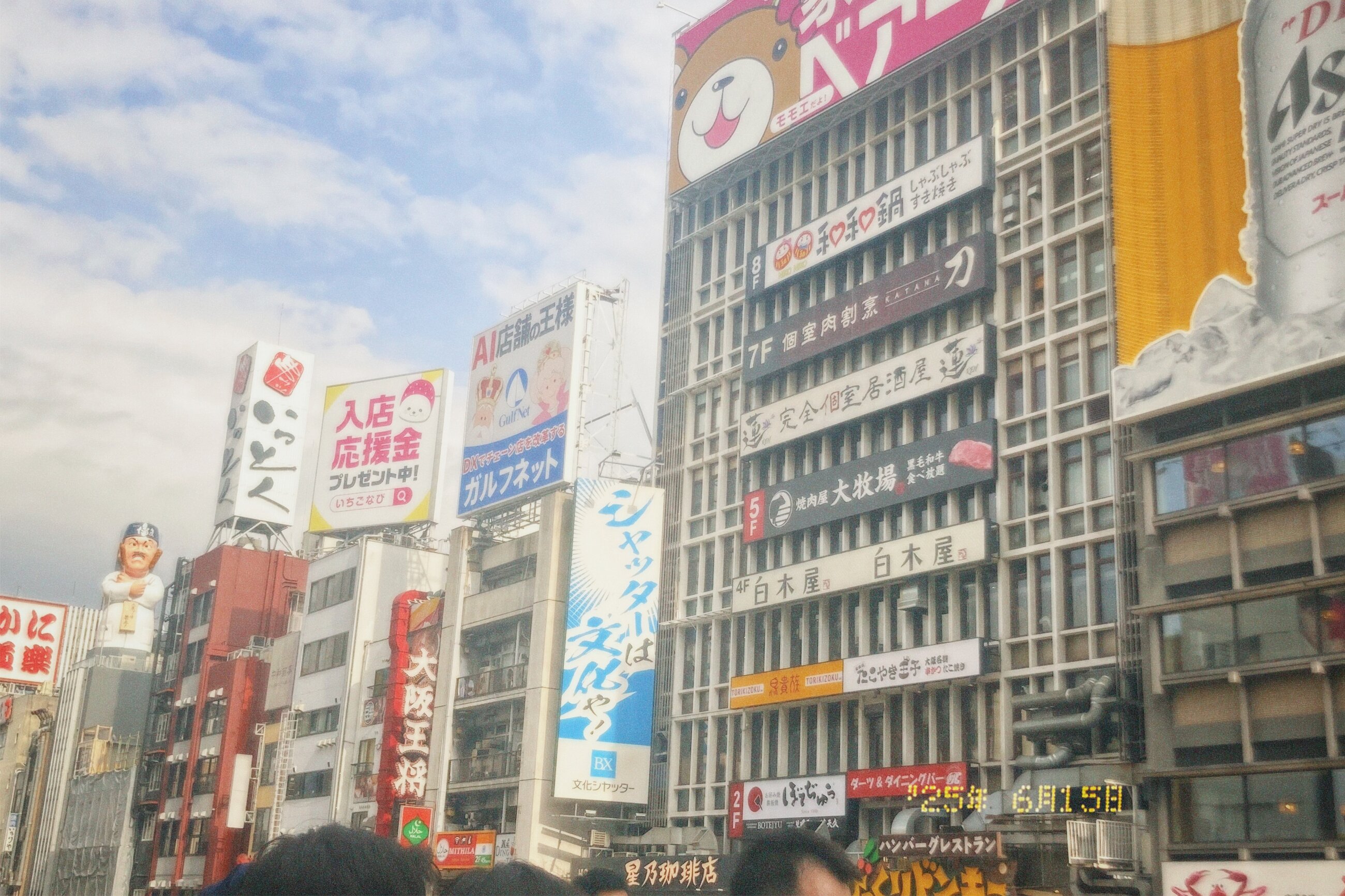
My Experience in Kyoto, Japan
Ratings
Review
This summer I had the chance to go to Kyoto, Japan through CIEE’s High School Study abroad program. I attended session I, which took place during June. If you want to go to Japan, I recommend session I because it isn’t too hot and humid yet, and we also got to visit schools while they were still in session. CIEE offers really good scholarships, and the staff is really helpful and communicative. Student and staff mentors are also always available to answer questions, which helped a lot during the application process.
First, I will discuss the advantages of choosing CIEE from my experience:
- I was super impressed with the affordability of the program; although the upfront cost seems high, the money goes towards excellent staff and teachers, stipends for our host families, and stipend to pay for lunches and transportation — they also arranged really nice hotels for us during field trips and for when we first arrived.
- The language classes are high quality and supplement your immersion. I was placed in level 1, which is upper-novice/lower intermediate, and the language support was excellent. Our class was taught by a native Japanese speaker, and instruction was delivered in mostly Japanese. Although it was challenging to adjust to at first, especially since I had only ever self studied Japanese, I think that if your goal is to actually learn the language, then you are in good hands. For the language and culture programs, we are required to take a language assessment (STAMP) before and after the program to measure our growth. In just one month, my score increased from a level 2 to a level 4!
- College Credit: Most language and culture programs offer the choice of college credits (about $150). I HIGHLY recommend choosing this option, because you are pretty much guaranteed the credit even if you start knowing absolutely none of the target language. You can send apply the credit to your high school transcript, or send it to colleges when you apply.
- Immersive and educational curriculum: we didn’t only take language classes, but we also engaged in a lot of other activities to learn about Japanese culture and society. Some of my favorites of these was the high school visits and field trip to Hiroshima. The program does a really good job of align sure you are practicing your language skills and actually engaging with the local culture. We also got to do some volunteering at a daycare/elementary school that was super fun, and you can count it as volunteer hours. I made a lot of friends while abroad, some local and some also studying abroad. Everyone was super helpful, friendly, and enthusiastic about the program.
Now, I will discuss some negatives of the program:
- Transport time: Your host family could live as far as 90 minutes away from school, and since class started at 8:45 that meant waking up at 6am. I ended up living all the way in Osaka; 2 trains, a bus, and over an hour away. My roommate and I would have to leave the house no later than 7:00 noon order to get to school on time. Personally, I actually enjoyed the long commute. It gave me a long time to people watch and observe the landscape. There were also a lot of fun malls on the route that my roommate and I would frequently explore. The biggest drawback for me was that we had a curfew (I’ll talk about this later) which meant we had to head home really early, and didn’t get to explore as much as we wanted.
- Rules/Freedom: Like probably every other summer abroad program you’ll find, we had a LOT of rules. We weren’t supposed to go anywhere without our host family or a teacher, we had a super early curfew (7:30 for dinner), and we were expected to go straight home after school — no exploring. I understand why this exists, programs like this have a lot of liability and need to keep track of kids who are alone in a foreign country. However, it was a little frustrating as someone who is used to being very independent and loves to explore on my own. Luckily, my host family always took me and my roommate out on weekends, so we never had too many issues. It was a lot worse for other students though, because they were stuck inside all weekend if their host family didn’t want to hang out with them. They weren’t even able to walk to a convenience store down the street. While the program is very safe and does a good job of keeping track of you, it was a little too strict in my opinion and I felt like I missed out on some opportunities to experience life in Japan.
My Advice:
- I highly recommend doing a summer abroad. Even if you are not 100% sure, you can always apply and see if you can get in. Studying abroad gave me a new outlook on life, I realized that the world is a lot bigger than we think. I learned communication skills and how to navigate life in a new environment, abilities that will benefit me in all aspects of my future.
- While working on your application, reach out to an advisor or whoever you have contact to if you have questions. Ask them to review what you wrote and give you any suggestions before you submit, they are happy to help!
- Once accepted, try to complete the required materials as fast as possible, and communicate with staff if you are having issues (for example, I couldn’t get a health clearance before the deadline so I got an extension)
- Don’t pack a lot so you have room for buying new stuff, you will have access to a laundry machine and trust me you won’t need as much clothes as you think
- Bring a portable charger, or prepare to buy one when you get there (You can find them at Hands, Aeon, etc.). You will be out all day almost every day, and your phone will likely loose power fast — especially if you are using maps or taking photos.
- Bring a water bottle or buy one there!!! Again, you will be out ALL DAY and need to stay hydrated. In Japan especially, it can get really hot and humid so you need to be careful of heatstroke. In Kyoto especially there is no drinking fountains or anything, so you don’t want to be wasting money buying water.
Media