Eco2 Diving logo

Eco2 Diving

Why choose Eco2 Diving ?

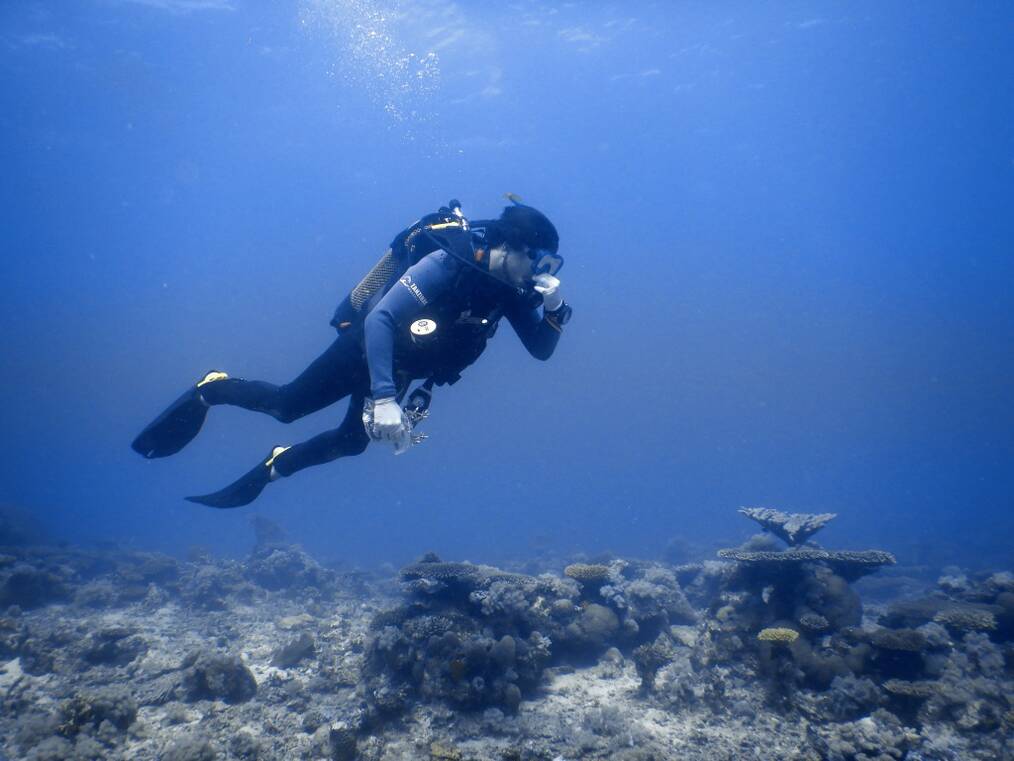
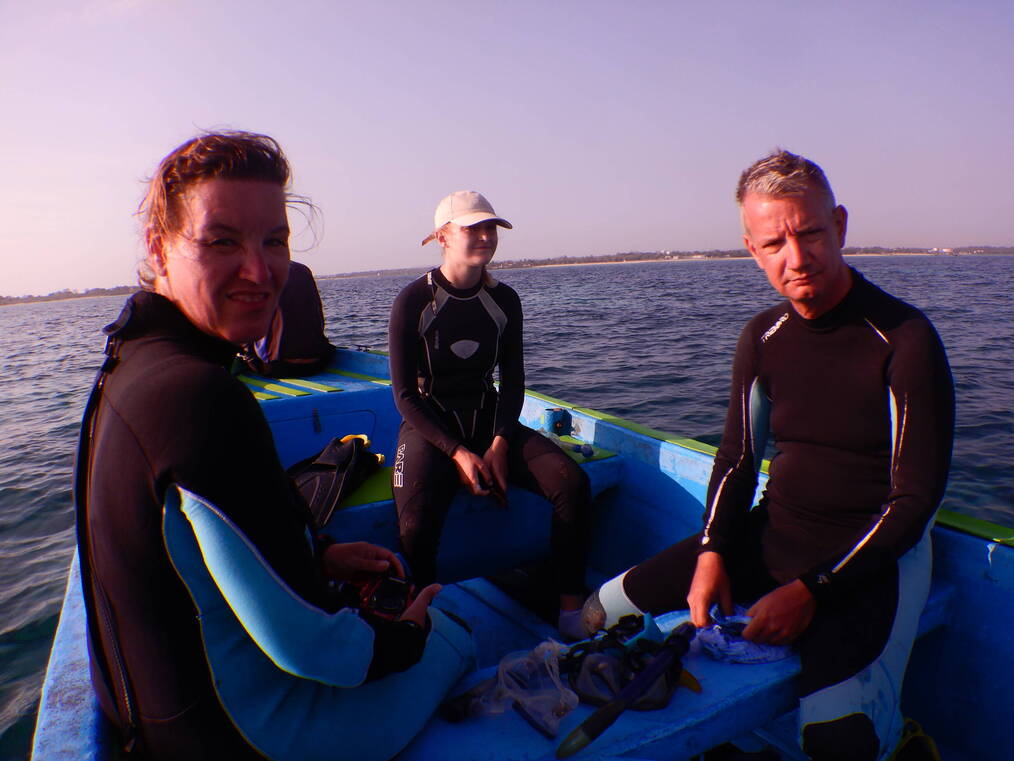
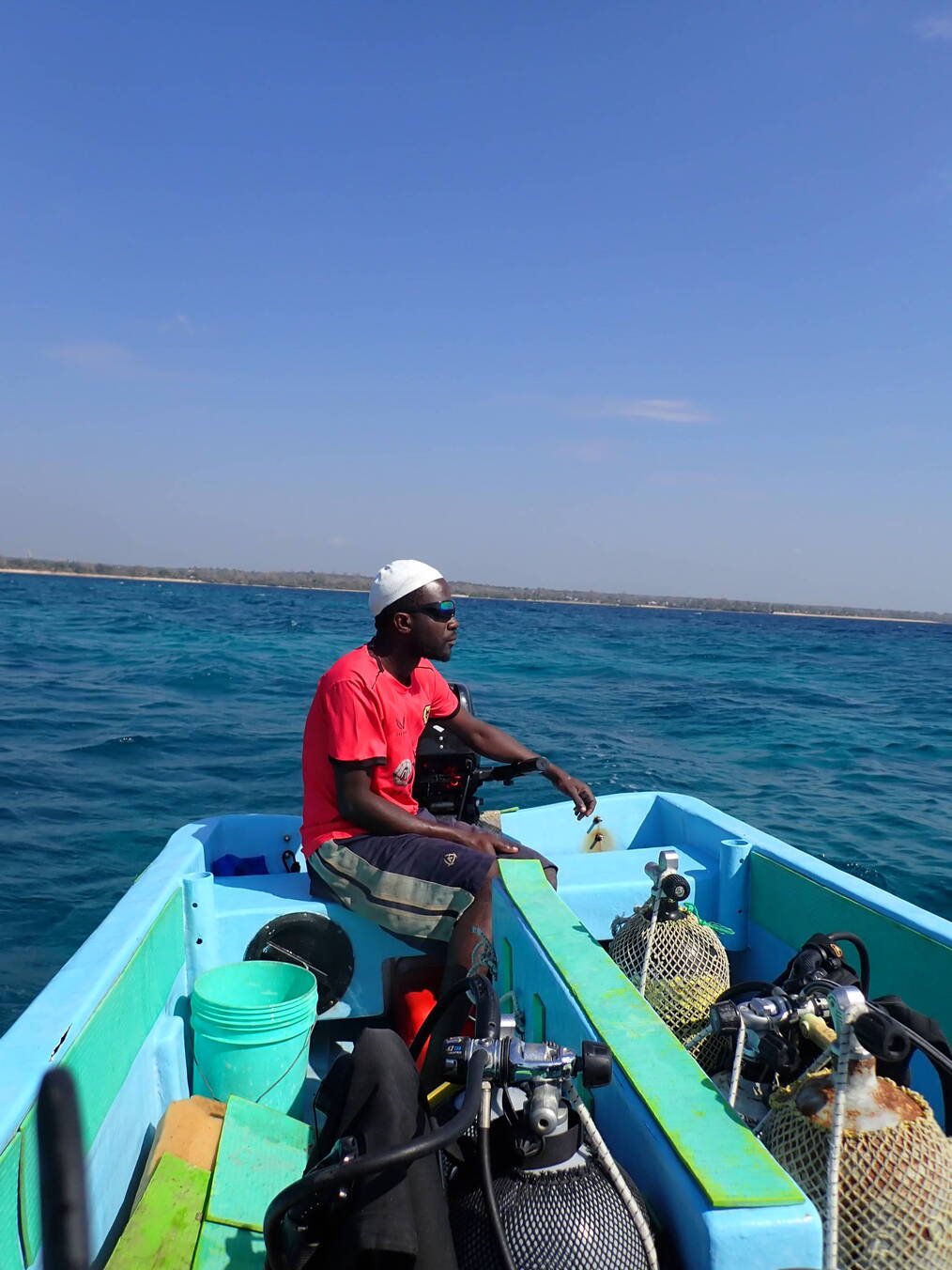
Eco2 Diving is a PADI and SSI dive resort based in Mikindani, southern Tanzania, combining scuba diving with meaningful marine conservation.

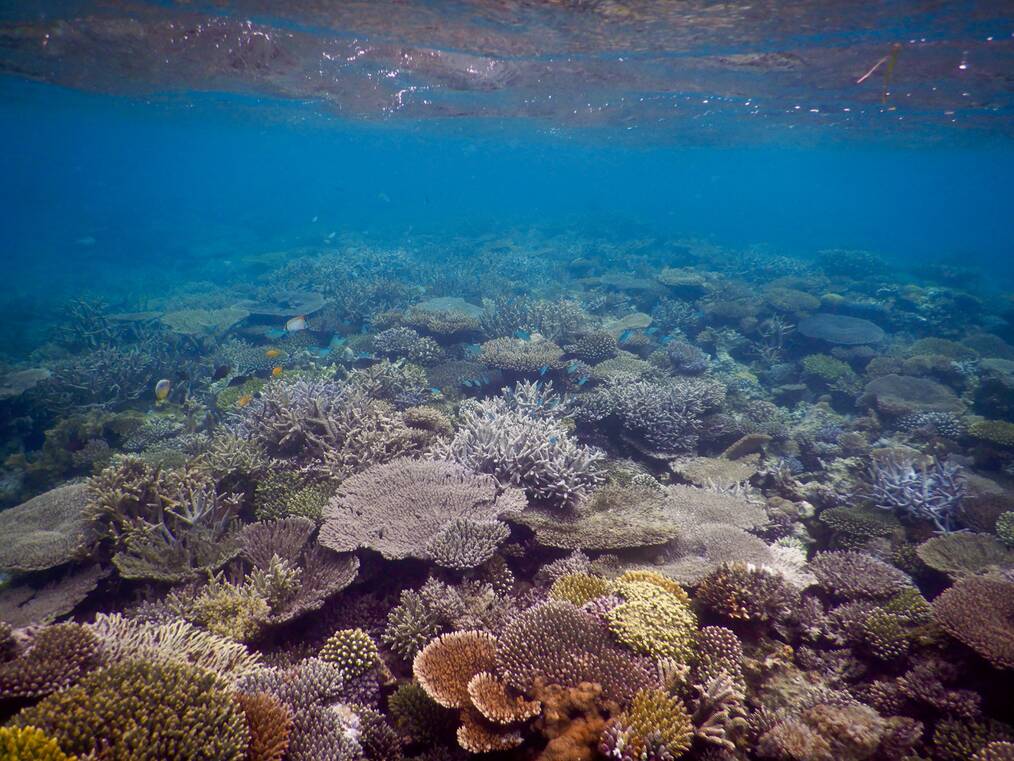
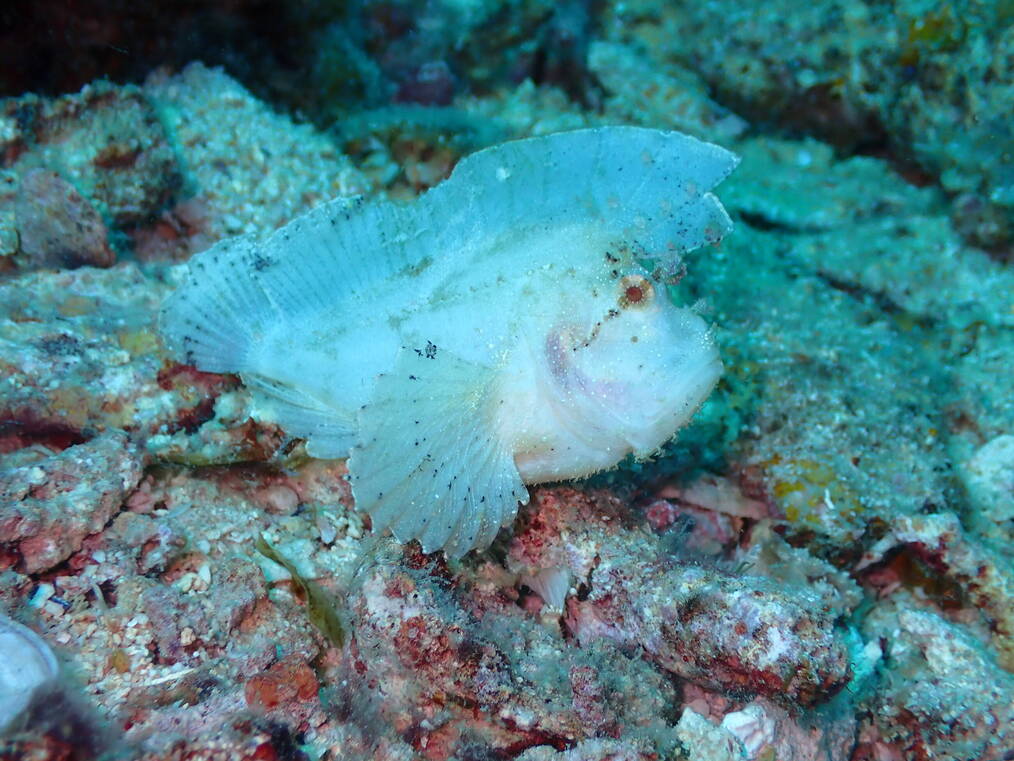
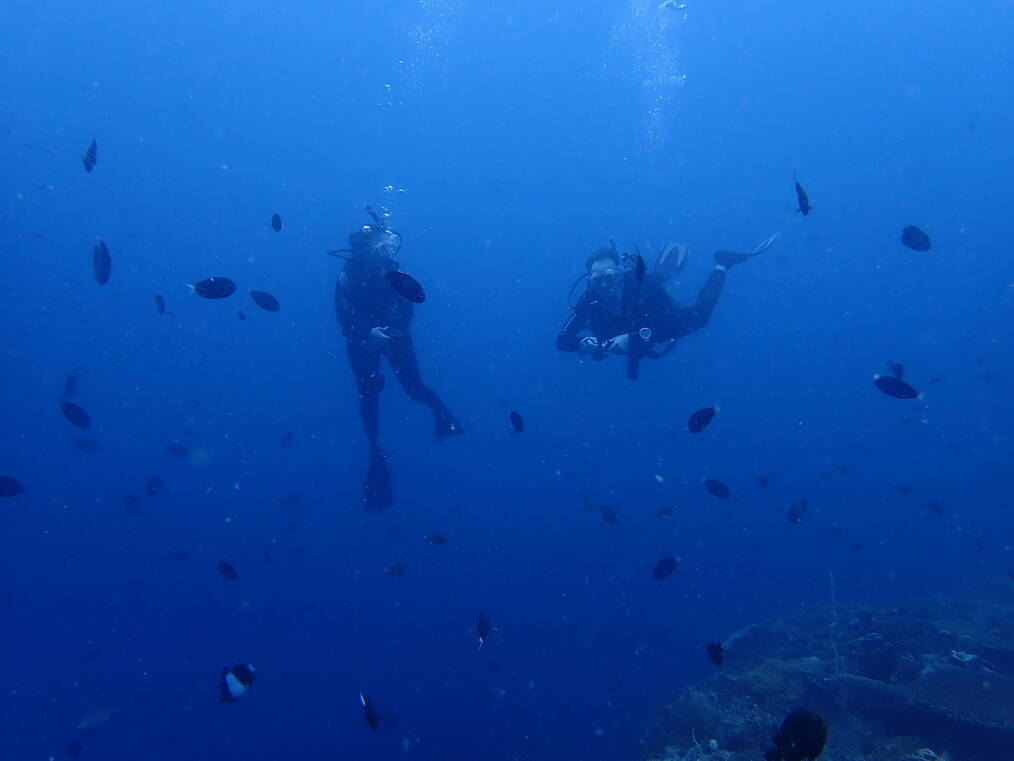
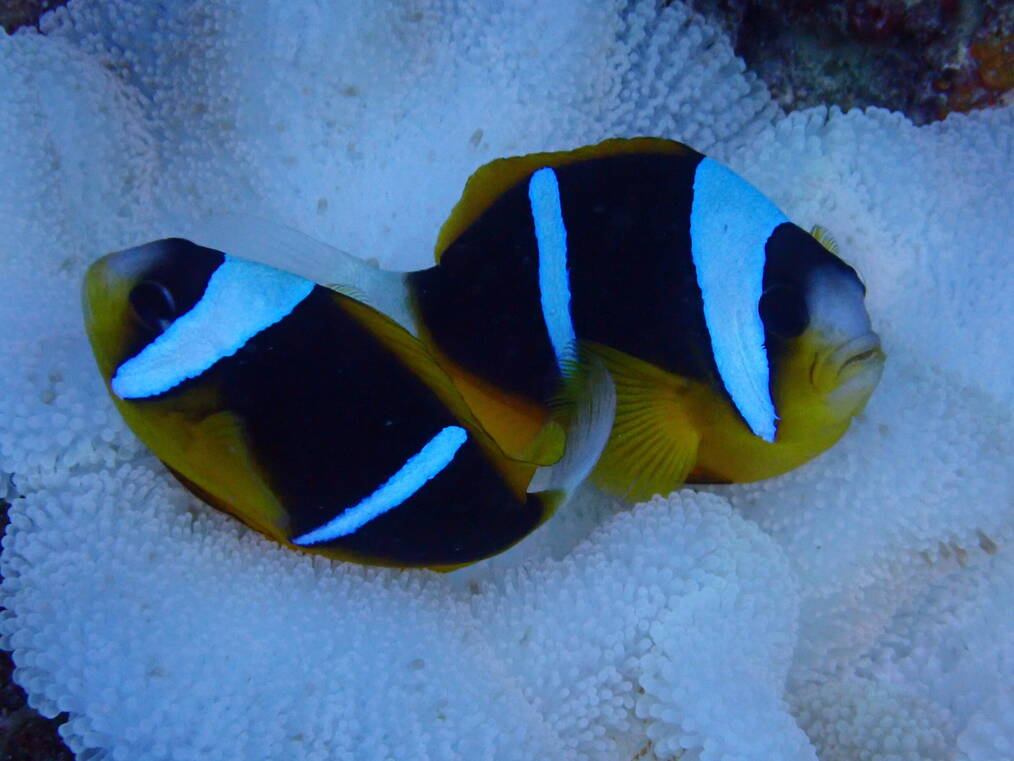
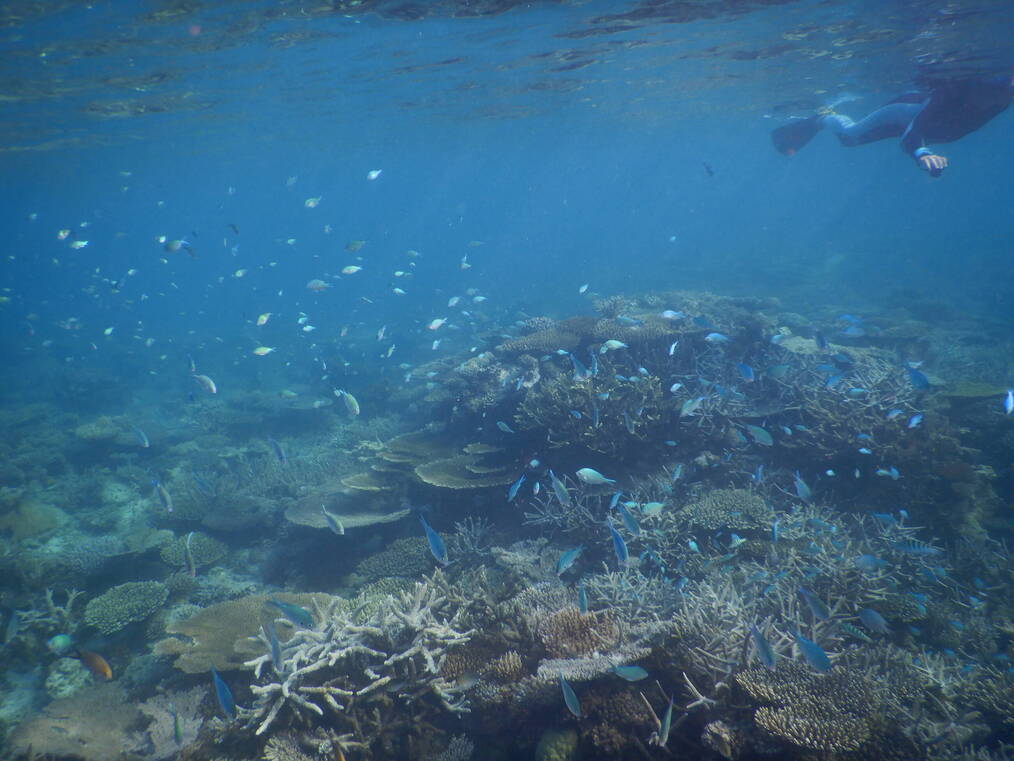
We offer beautiful, uncrowded dives in pristine southern Tanzanian waters, far from mass tourism, with healthy marine life and diverse reefs.

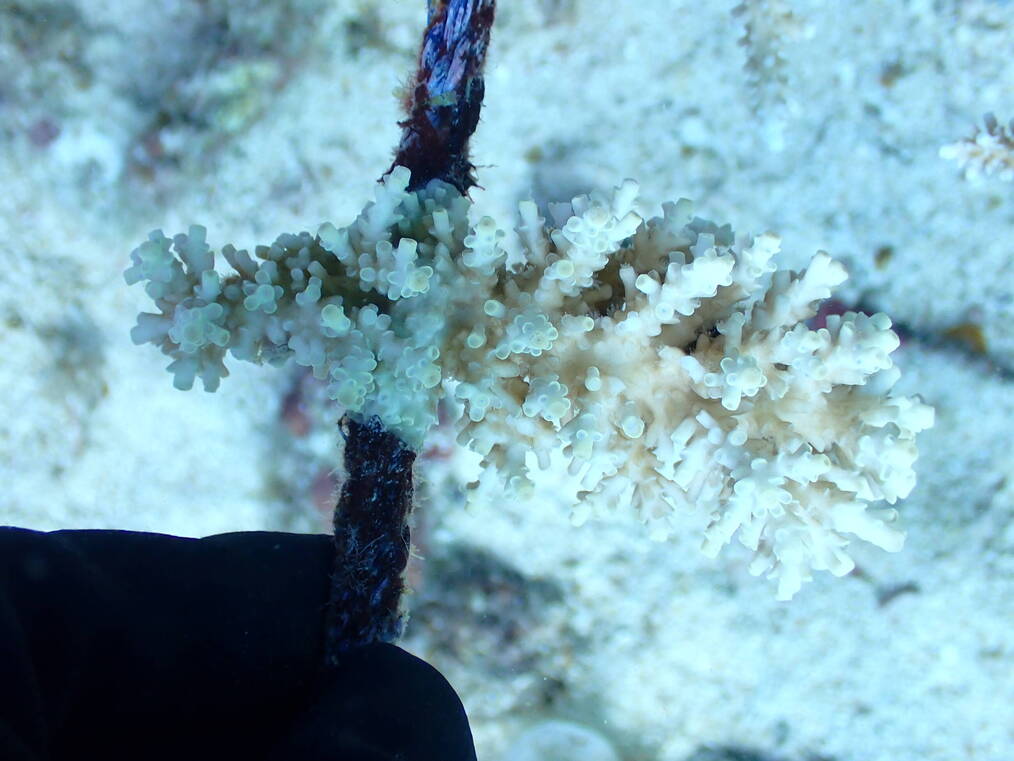
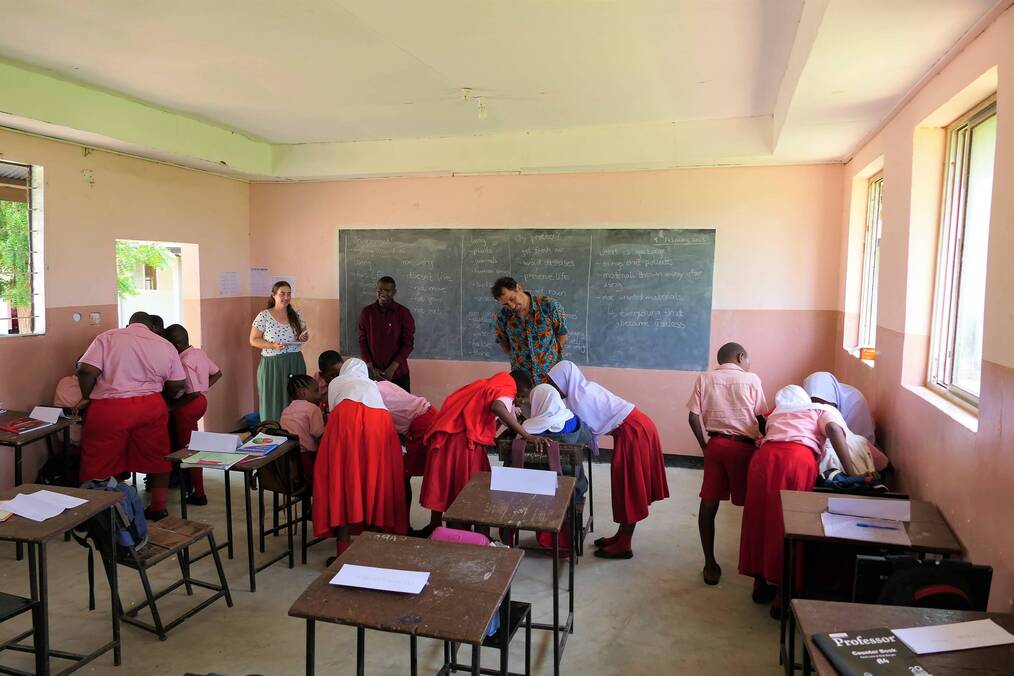
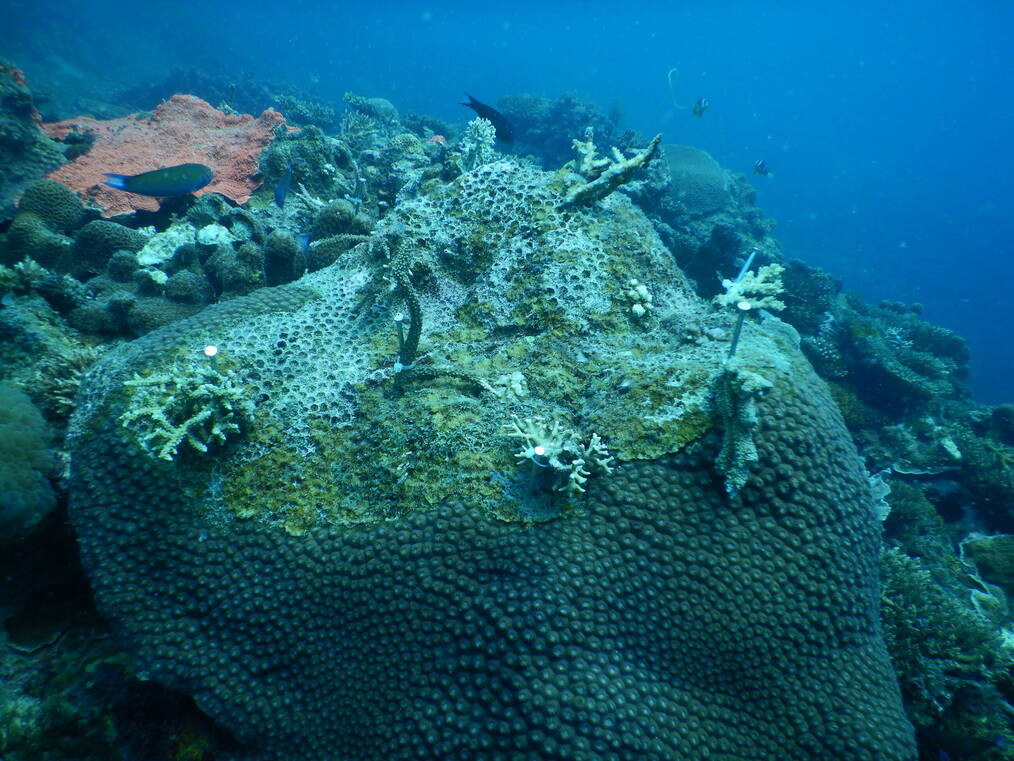
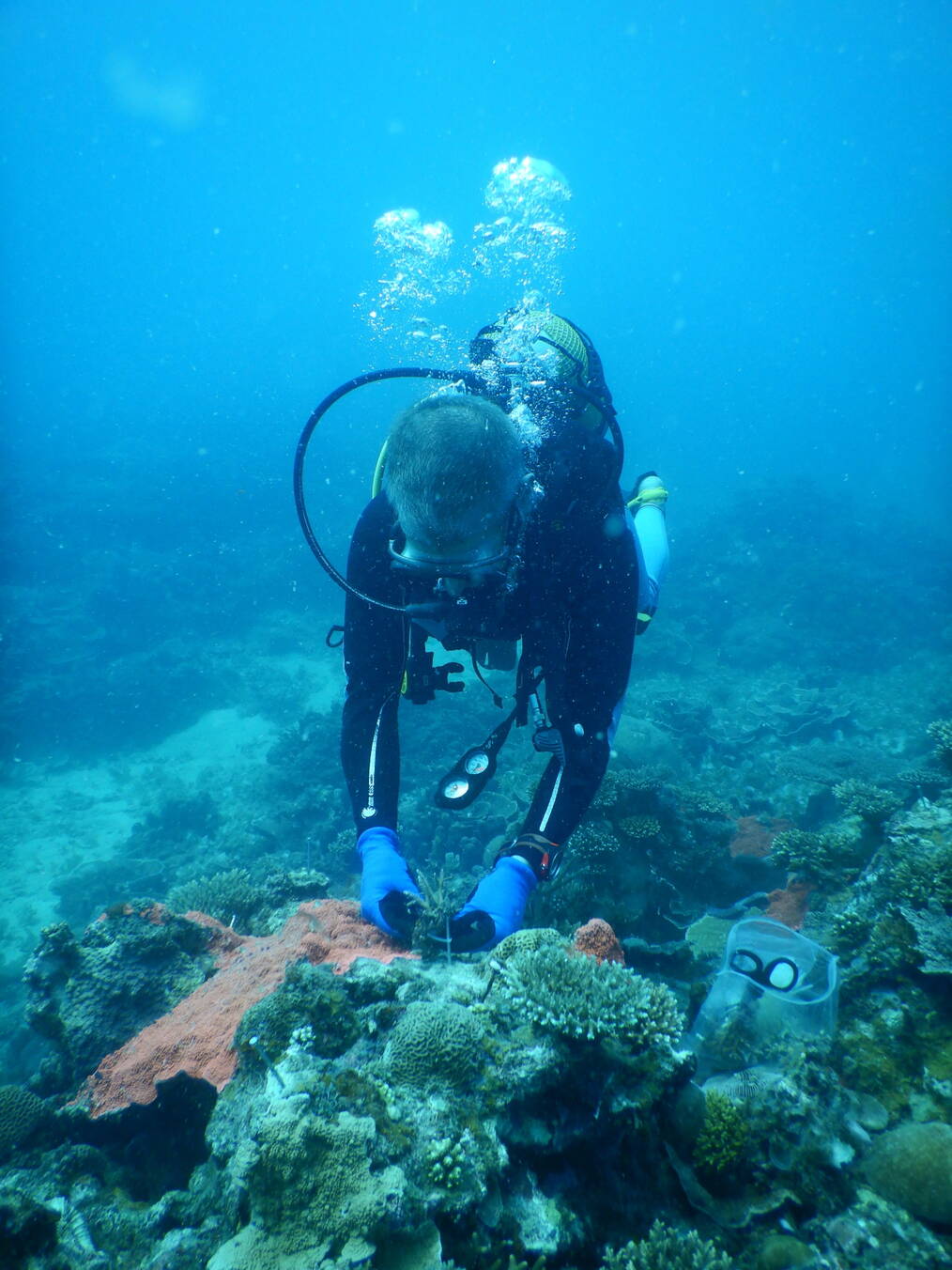
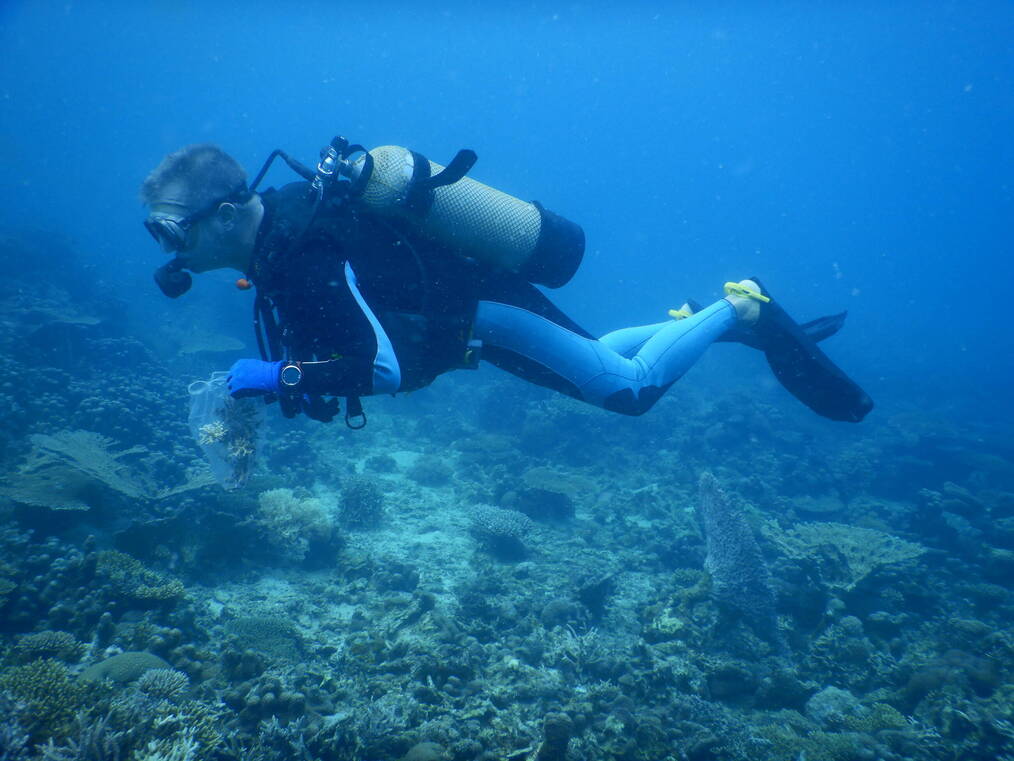
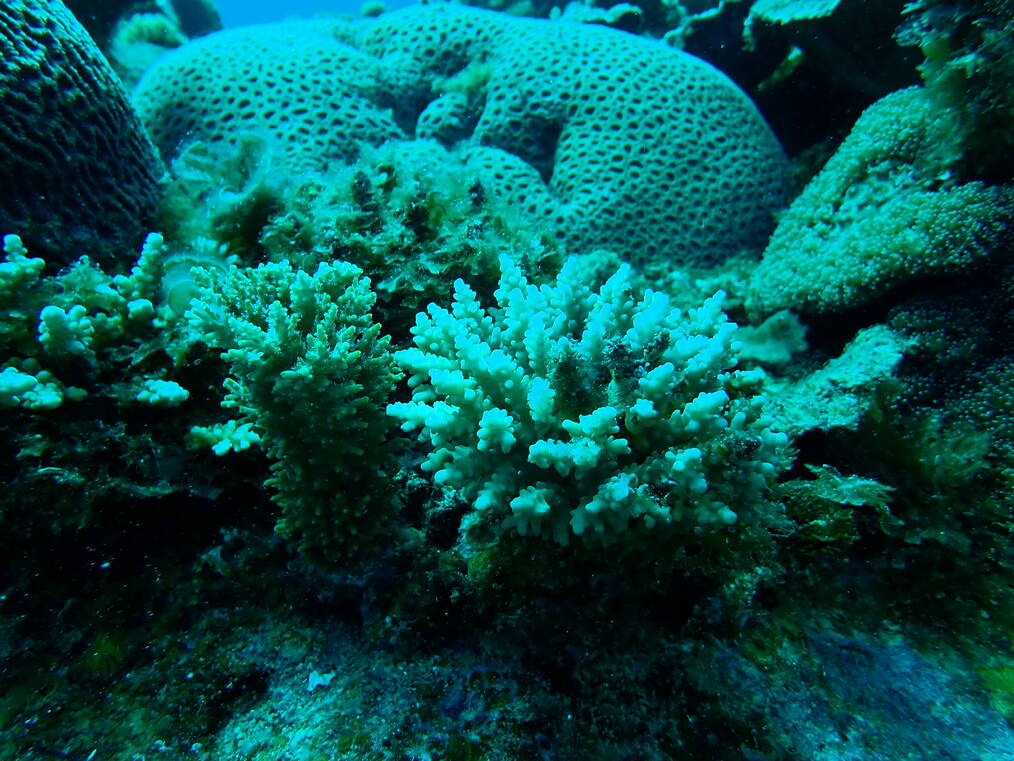
Alongside diving, we actively run marine conservation programs like our coral reef restoration to support the regeneration of areas impacted by destructive fishing techniques. Volunteers are closely supervised and educated on marine conservation challenges, and actively contribute to hands-on work both underwater and on land. They receive the necessary training and certifications while working side by side with local communities to support sustainable, long-term conservation efforts.

Limited spots available throughout the year

Website
eco2diving.com
Founded
2003

Frequently asked questions

Get answers to help you plan with confidence.

Diversity & Inclusion 💙

Our project operates in a multicultural, international environment rooted in a local Tanzanian context.
We are committed to fostering a respectful and inclusive atmosphere for all participants, regardless of background, while encouraging cultural awareness and mutual respect on the ground.

Impact 🌎

Our approach to sustainability is grounded in long-term thinking and practical action.
We aim to minimize the environmental footprint of our operations while actively contributing to marine conservation through reef restoration, responsible diving, and community-based initiatives.
Sustainability, for us, means ensuring that our activities create lasting benefits without compromising the ecosystems we depend on.
We design our programs with a strong focus on long-term impact, local relevance, and realistic expectations.
Activities are carefully balanced to ensure they support marine ecosystems and local communities without creating dependency or unnecessary pressure.
Ethical impact, for us, means acting responsibly today while preserving the integrity of the environment and community for the future.

Reviews
James
5/5
Yes, I recommend this program

Discovering Mikindani Above and Below the Water

I arrived knowing almost nothing about coral restoration and, as a history teacher, I initially found myself asking more questions about Mikindani's past than its reefs. That quickly changed. Learning to dive opened up an entirely new part of the place I was visiting, and working on the nurseries gave those dives a purpose. I loved the contrast between spending the morning underwater and then talking with people or exploring the town afterwards. There were plenty of moments when I looked completely incompetent during my dive training, which kept everyone entertained, but that was part of the experience. By the end, I felt I hadn't simply participated in a conservation program; I had discovered Mikindani from two completely different perspectives.

What was your funniest moment?
My students would have enjoyed seeing their history teacher learning to dive. During one training session I was concentrating so hard on everything that I completely failed to notice everyone signalling that we were going the other way. I happily swam off alone for about ten metres before realising!
Pros
  • The combination of volunteering and discovering Mikindani
  • A small organisation where it's easy to interact with everyone
What other participants should know
  • You need to enjoy quiet places — there isn't much nightlife
Erik
5/5
Yes, I recommend this program

Test, Observe, Improve

Because I work in renewable energy, I was already interested in environmental projects before coming to Mikindani. What appealed to me most was the practical, experimental nature of the restoration work. You can have a good idea on paper, but the reef eventually decides whether it works. I enjoyed discussing different methods, observing their limitations and thinking about how they might be improved. I stayed long enough to return several times to work carried out earlier in my visit, and even seeing small changes was extremely rewarding. Conservation here isn't theoretical — you're constantly learning from what actually happens underwater.

What was the most surprising thing you saw or did?
Coral growth ! Over my time here, I was able to see this tiny coral grow over its rope and that was really fabulous. Nature is amazing.
Pros
  • Lots of discussions with the team about the methods used
  • The pragmatic and experimental approach
What other participants should know
  • Local conditions sometimes limit the technical solutions available
Riya
5/5
Yes, I recommend this program

The Ocean I Was Afraid Of

It seems slightly ridiculous now, but I chose a marine conservation program despite being genuinely nervous about deep water. I wanted to challenge myself, although during my first ocean dive I questioned that decision! I couldn't descend at first and needed time at the surface to calm down. Nobody rushed me, and eventually I went down metre by metre. A week later, I found myself calmly working on a coral nursery and suddenly realised how far I had progressed. I came because I cared about environmental issues, but the experience became much more personal than I expected. Understanding coral restoration was fascinating, but learning that fear doesn't necessarily have to stop me from doing something is probably the lesson I will remember longest.

What was the most nerve-racking moment and how did you overcome it?
Simply descending on my first ocean dive. I had convinced myself I was ready, then suddenly I wasn't! Nobody rushed me. I stayed at the surface, breathed, tried again and went down slowly. A week later I was working underwater and couldn't believe I'd been so frightened.
Pros
  • Developing a practical understanding of environmental issues
  • The support provided to beginners
What other participants should know
  • You need to accept progressing at your own pace
Anneke
5/5
Yes, I recommend this program

Meer dan een vrijwilliger, minder dan een toerist

Ik had al veel gereisd voordat ik naar Tanzania kwam, maar ik had nog nooit deelgenomen aan een natuurbeschermingsproject. Wat ik het leukst vond, was de afwisseling. De ene dag hield ik me bezig met duiken of het werken met koralen, en de volgende dag met activiteiten op het land. Als docent vond ik het vooral geweldig om tijd met kinderen door te brengen en te zien hoe milieueducatie een aanvulling kon zijn op het werk dat onder water werd gedaan. Mikindani zelf was ook een belangrijk onderdeel van mijn ervaring. Na een tijdje voelde ik me niet langer iemand die er alleen maar op doorreis was. Ik begon mensen te herkennen en raakte gewend aan het rustigere ritme van het stadje. De accommodatie en levensstijl waren vrij eenvoudig, maar juist dat vond ik prettig. Toen ik vertrok, had ik het gevoel dat ik een paar weken ergens echt had gewoond, in plaats van er alleen maar op bezoek te zijn geweest.

Pros
  • Het nauwe contact met het team en de lokale bevolking
  • De educatieve activiteiten met kinderen
What other participants should know
  • Het comfort is vrij eenvoudig
  • Ik had graag aan nog meer activiteiten met de lokale gemeenschap deelgenomen
Nicolas
5/5
Yes, I recommend this program

Plonger avec un but

Je plongeais déjà depuis plusieurs années lorsque je suis arrivé, donc j'étais familier avec le concept de plonger. Ce qui a changé, c’est la raison pour laquelle je plongeais. Lors d’une plongée loisir classique, on regarde constamment autour de soi à la recherche du prochain animal intéressant ou d’un beau paysage. Ici, je pouvais passer la majeure partie d’une plongée à travailler avec précision sur une toute petite zone. Revenir sur les mêmes sites, reconnaître certaines colonies et observer l’évolution du travail effectué précédemment m’a permis de créer un lien avec le récif que je n’avais jamais ressenti en tant que touriste. Cela m’a également poussé à faire beaucoup plus attention à ma flottabilité et à mes mouvements sous l’eau. Les plongées n’étaient pas toujours reposantes — c’étaient des plongées de travail — mais je les ai trouvées beaucoup plus gratifiantes. Pour la première fois depuis des années, j’avais l’impression de redécouvrir complètement la plongée.

What is your advice to future travelers on this program?
Si vous êtes déjà un plongeur expérimenté, oubliez l’idée qu’il s’agira simplement de vacances plongée comme les autres. Travailler sous l’eau demande des compétences différentes et beaucoup plus de patience. Prenez votre temps, améliorez votre flottabilité et appréciez le fait de plonger avec un véritable objectif plutôt que de chercher constamment le prochain gros animal.
Pros
  • Améliorer ses compétences tout en contribuant au projet
What other participants should know
  • Il faut rester suffisamment longtemps pour vraiment profiter du suivi

Programs

Displaying 1 - 1 of 1

Staff Interviews

These are in-depth Q&A sessions with program leaders.

Laurent Bedouret

Job Title
Head of Corals of Mikindani
Laurent is the co-founder of Eco2 Diving and Corals of Mikindani, a community-based coral reef restoration project in southern Tanzania. A former aerospace engineer turned scuba instructor, he combines conservation, education and sustainable tourism to help protect marine ecosystems while creating meaningful experiences for volunteers and local communities.
Laurent Bedouret, Co-founder of Eco2 Diving

What is your favorite travel memory?

One of my favourite travel memories is watching the sunset from Isla de la Luna on Lake Titicaca, Bolivia. It wasn't a famous attraction or a luxury destination—just a small, peaceful island surrounded by water, with the snow-capped Andes rising in the distance. As the sun disappeared behind the mountains, everything became completely still. That moment reminded me that the most memorable places are often the ones that feel untouched and authentic. Looking back, I think that experience shaped the way I travel and even influenced the life I've chosen today. Living and working in a quiet corner of southern Tanzania gives me that same feeling of connection with nature and simplicity every day.

How have you changed/grown since working for your current company?

Building Eco2 Diving has changed me in more ways than I ever expected. I came from an engineering background, where planning, structure and predictability were part of everyday life. Running a small conservation project in rural Tanzania taught me almost the opposite. I learned to be more patient, more adaptable and to focus on finding solutions instead of expecting everything to go according to plan. It also pushed me far outside my comfort zone, from managing international volunteers to working across very different cultures and leading a business with limited resources. Looking back, I think the biggest lesson has been that meaningful projects are built through persistence, flexibility and countless small improvements rather than perfect plans.

What is the best story you've heard from a return student?

One story that has stayed with me came from a former volunteer who contacted us some time after returning home. They told me that their experience in Mikindani had inspired them to start a small environmental project in their own community and applying the same idea: start small, stay committed and make a positive difference with the resources you have. Hearing that was incredibly rewarding because it reminded me that our impact isn't measured only by the corals we restore, but also by the people we inspire. If someone leaves with the confidence to create positive change elsewhere, then the programme has achieved something far greater than we could ever accomplish on our own.

If you could go on any program that your company offers, which one would you choose and why?

As strange as it may sound, I would choose our own Coral Restoration and Marine Conservation programme—but this time as a volunteer rather than the person running it. When you're organising a programme, you're always thinking about logistics, safety and making sure everyone has a great experience. I'd love the opportunity to step back, see everything through a participant's eyes and simply enjoy learning alongside the team. If I had to choose a programme outside of Eco2 Diving, it would probably be a terrestrial wildlife conservation project. Spending so much time underwater has made me curious about the challenges facing ecosystems on land, and I believe the best conservationists never stop learning from others.

What makes your company unique? When were you especially proud of your team?

What makes Eco2 Diving unique is that conservation isn't something we do for the local community—it's something we build with the local community. Alongside welcoming volunteers, we invest a lot of time in training local staff and creating opportunities for them to develop new skills. One of my proudest moments was watching Buruhani, who joined us as our bar manager and couldn't swim, confidently carrying out coral restoration dives and working towards becoming a professional dive leader. Seeing someone grow in confidence, discover a new passion and realise what they're capable of is just as rewarding as seeing a restored reef recover. For me, conservation is ultimately about helping both ecosystems and people thrive together.

What do you believe to be the biggest factor in being a successful company?

I believe the biggest factor in building a successful company is persistence. Especially in conservation, meaningful change rarely happens overnight. There are setbacks, unexpected challenges and many moments when progress feels slow. What matters is having a clear purpose and continuing to move forward, even when nobody is watching. We're a small, independent project with limited resources, but we've always focused on doing what we believe is right rather than chasing quick wins or easy recognition. Over time, those small, consistent efforts add up—whether it's restoring a reef, training local staff or inspiring volunteers to create positive change in their own communities.