Project Laut Turtle Logo

Project Laut

Why choose Project Laut?

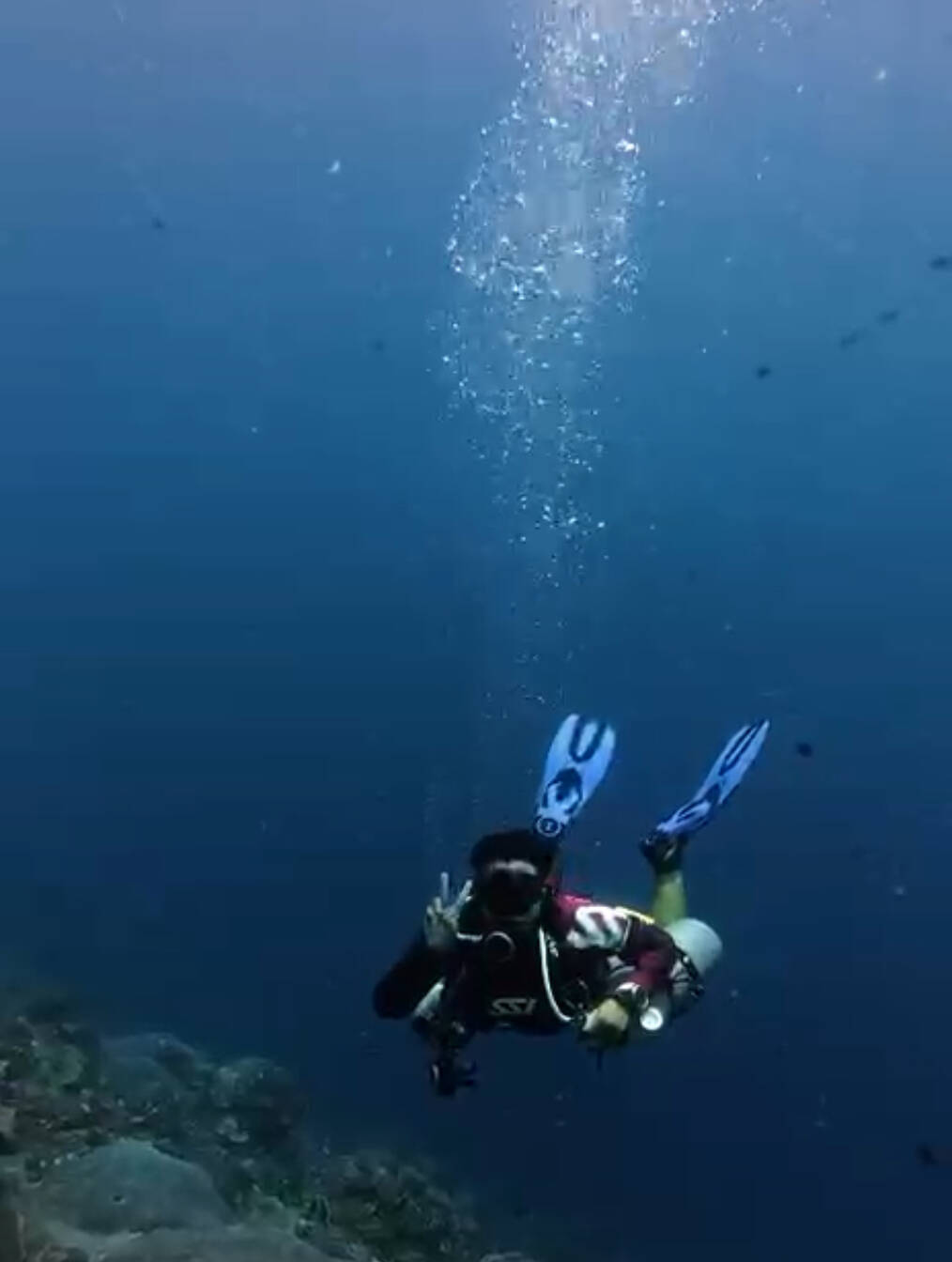
Project Laut is a professional dive-training and conservation project in Nusa Penida, Bali. We combine SSI Divemaster and Instructor development with applied reef science, taught by two SSI Platinum-1000 Instructor Trainers, an SSI XR Instructor, and marine biologists. Small cohorts, tight standards, and a 100% IE pass rate. We’ve trained SSI Dive Professionals for over 5 years.

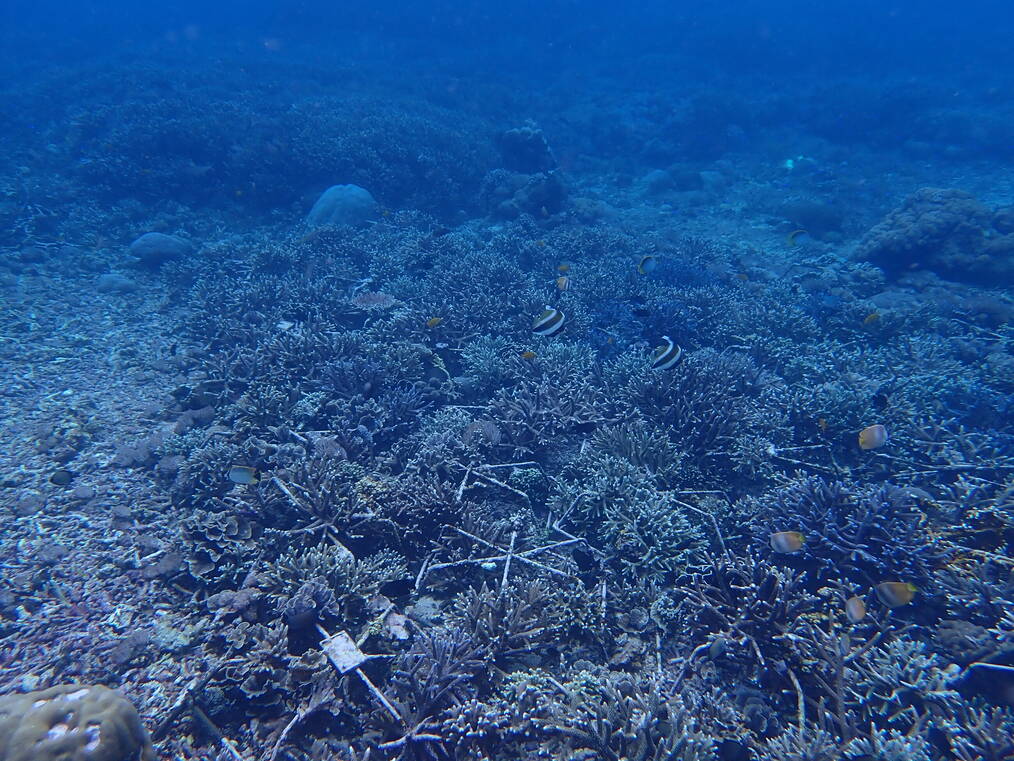
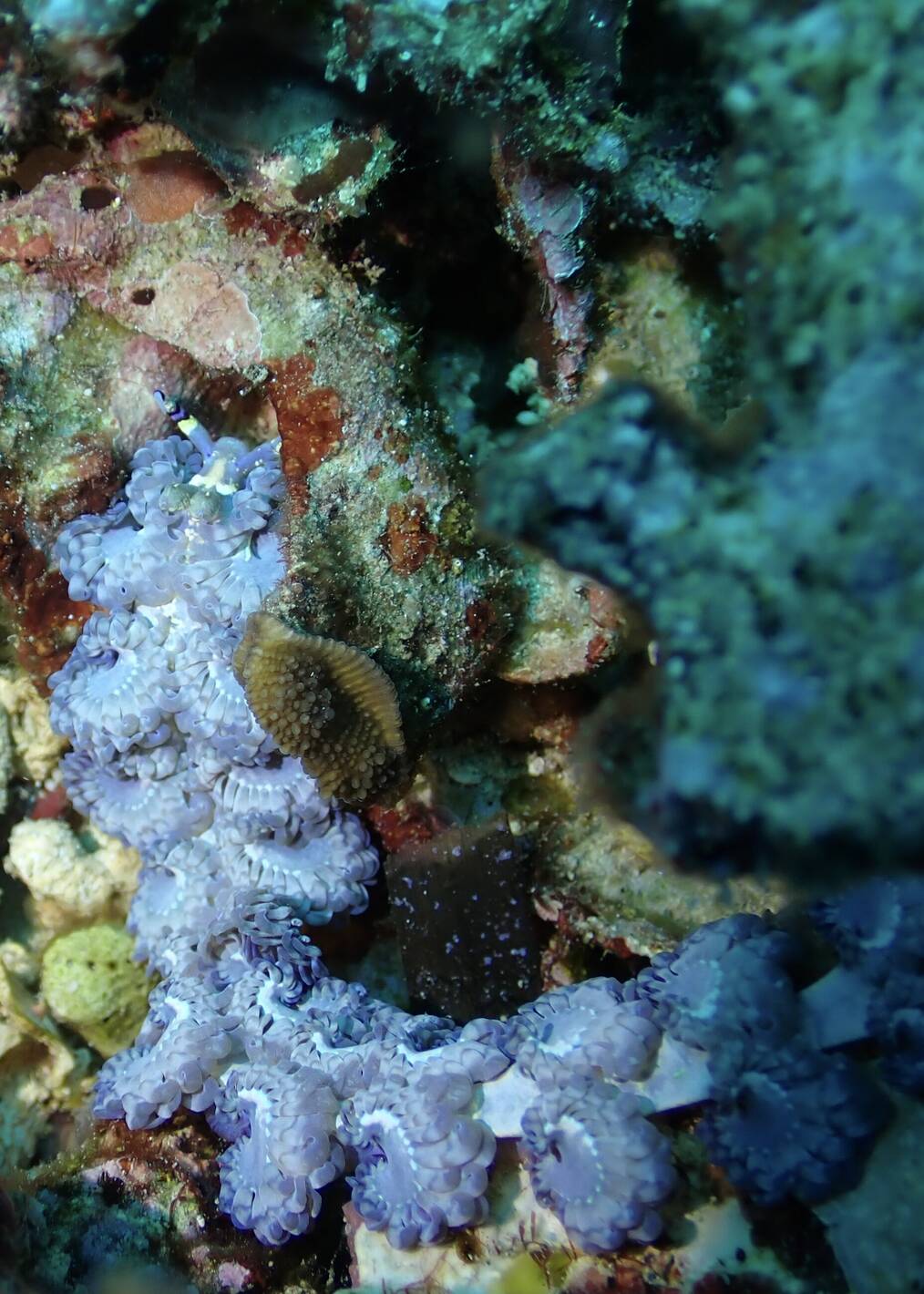
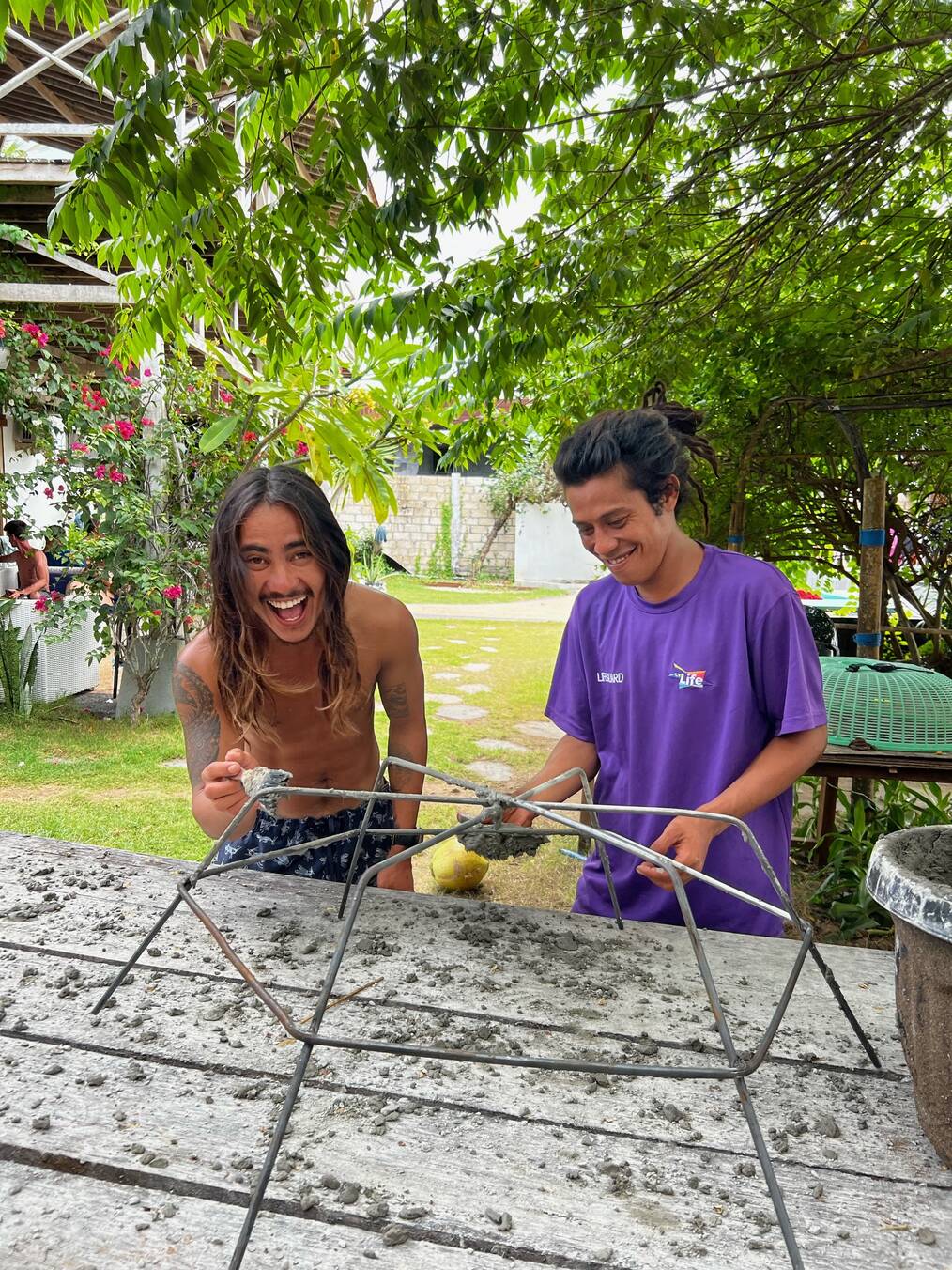
You won’t just log dives; you’ll build field hours that matter: MARRS coral-restoration, turtle photo-ID, reef surveys, and 3D photogrammetry used for site management. Graduates leave with the credential they came for plus a portfolio and references employers respect.

Pathways: Divemaster & Research Diver Internship, Eco-Instructor (with extended shadowing), Fast-Track to Teach, XR/technical options, and a 6-week Researcher package. Visa guidance, course materials, tanks/air on training days, and mentorship are included. Erasmus+ friendly; Indonesian trainee scholarships run regularly.

Intern Spaces Filling Fast

Website
projectlaut.org
Founded
2020

Reviews

Fiona
5/5
Yes, I recommend this program

Couldn't have asked for better instructors.

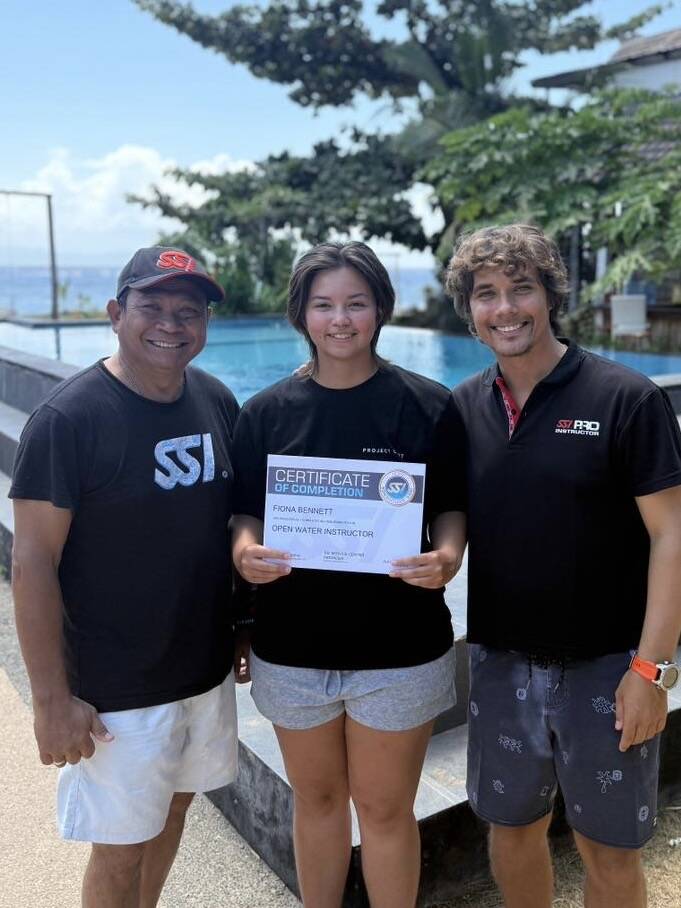
I participated in the Instructor Go Technical Route and I am beyond happy with my experience here at Project Laut. Currently wrapping up my last couple of weeks and hate to have to leave, Project Laut has become a second family to me, everyone is kind, welcoming and willing to help out with anything they can. As well as my scubadiving I also wanted to improve on my photograpy and was glad to recieve amazing tips and tricks to help me on my journey. I've had an awesome experience earning my Instructor certification, Deep Diving Specialty Instructor, Decompression Diving, Wreck Diving and soon my Recreational Sidemount. Here at Project Laut they really hold you to a higher standard and help you gain the experience needed to start your Instructor career.

What was the most surprising thing you saw or did?
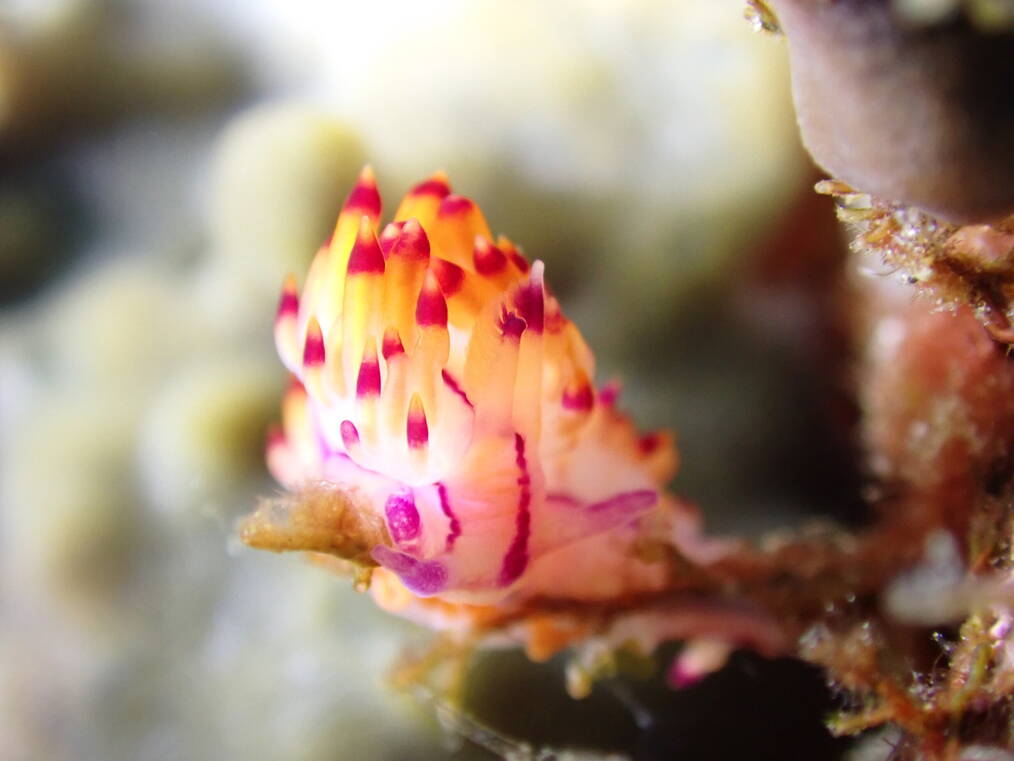
We were lucky when we went to the Liberty Wreck in Tulamben during our trip, got the see the biggest grouper I'd ever seen! And some beautiful ringed pipefish! Oh and saw some of the biggest blue dragon nudibranches on the Penida reefs.
Pros
  • Highly qualified insturctors
  • Great day-to-day balanced schedule
  • Gain Conservation Experience during course
Martin
5/5
Yes, I recommend this program

Fast-Track to Teach (Early 2025)

I came back to Project Laut for the Fast-Track to Teach after doing my Divemaster here, and it was the right call. The course was lean, intense, and focused on exactly what a new instructor needs: standards, safety, and clean, neutrally buoyant demos that hold up in real ocean conditions.

Day one set the tone with clear objectives, a tight schedule, and immediate coaching. We rotated through micro-teaches, confined-to-open water progressions, rescue refreshers, and daily standards quizzing. Every demo was filmed and reviewed; every mistake had a fix and a drill. Briefings, risk management, control and positioning, problem anticipation. I also shadowed real courses and ran parts of them, which made the jump from candidate to instructor feel natural.

Joma and Sita don’t sugar-coat. You get direct feedback, a plan, and reps until it sticks. By exam time, demos were automatic, standards were second nature, and my debriefs were concise and useful. I passed on the first go and—more importantly—felt ready to take a class the next day.

What was the most unfamiliar thing you ate?
Durian in Nusa Penida. I’d heard all the stories about the smell, and yeah, t’s strong. But once you get past that, the texture is rich and creamy, almost like custard, and the flavor is sweet with a slight almond vibe. I tried it chilled at a roadside stall and it was actually pretty good. Not an everyday snack for me, but I’d definitely have it again! Especially the sweeter, less pungent varieties the locals recommend.
Pros
  • Neutrally buoyant skill demos with video review and targeted drills
  • Small groups, high accountability, professional culture
Martin
5/5
Yes, I recommend this program

Project Laut Divemaster Internship (2024)

I arrived at Project Laut as an Advanced Open Water diver and left as a confident, employable divemaster. In between, I completed Rescue, React Right, and the full Divemaster program and it was exactly the high-standard, no-shortcuts training I was looking for.

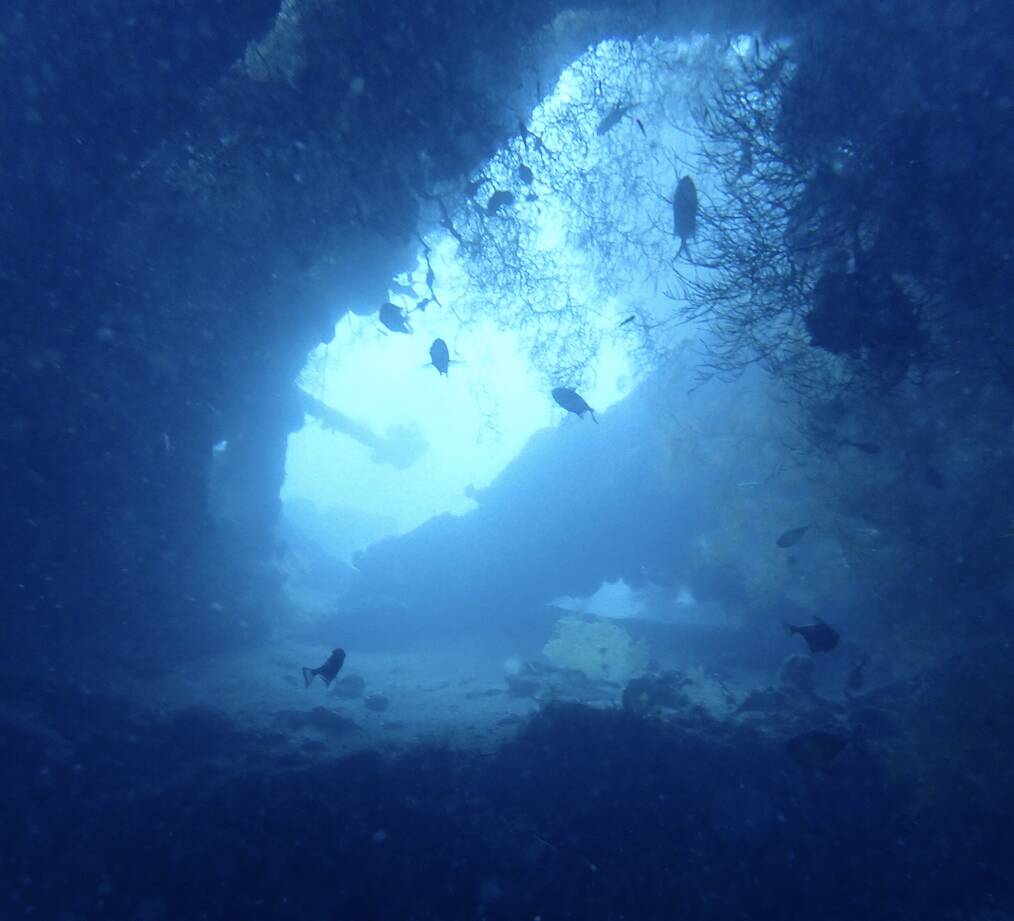
What stood out first were the conditions. Nusa Penida can be demanding; currents, changing visibility, real ocean navigation. Instead of avoiding that, Project Laut used it as a classroom. Every dive had a purpose, and I learned how to plan, brief, and execute safely when things aren’t “perfect.” That experience alone made me far more adaptable and calm underwater.

The academic and skills bar is high here. Theory wasn’t just about passing quizzes; instructors pressed us to understand the why behind procedures and standards. Skills were evaluated neutrally buoyant from day one. It was tough at first, but it transformed my trim, finning, and overall control. By the end, I was actually diving better and with a lot more confidence.

Professionalism is baked into the culture. We were coached on communication, risk management, guiding etiquette, and how to think like a pro, not just act like one. Feedback was direct, specific, and consistent. I always knew where I stood and what to improve next.

If you want a relaxed “rubber stamp,” this isn’t it. If you want to earn a Divemaster rating that genuinely upgrades your diving and prepares you for professional work, Project Laut delivers. I left more skilled, more confident, and far more employable.

What was the most nerve-racking moment and how did you overcome it?
We had a strong downcurrent at Blue Corner when we were performing some skills, and I was brought from 10m to 16m! I almost panicked, but then remembered the training. We tucked behind a ledge, I deployed the dSMB and we slowly reeled ourselves up to a safety stop. Lesson learned: don’t fight the ocean, read it!!
Pros
  • Neutrally buoyant skill evaluations; challenging but game-changing
  • Real-world practice in tough ocean conditions (currents, navigation, briefings, SMB work)
  • Clear, constructive coaching on professionalism and leadership
Cons
  • None!!
Saltanat
5/5
Yes, I recommend this program

Fast, focused, and genuinely professional! Exactly what I needed <3

I returned to Project Laut in 2024 for the Fast Track to Teach, adding a week beforehand to sharpen core skills. It was the right call. The refresher week dialed in buoyancy, trim, problem-solving, and demo quality so I started the ITC confident instead of playing catch-up.

What I appreciated most was how organized everything was before I even arrived. Course materials and standards were provided in advance, with clear study guidance and checklists. I did a lot of self-study at home, which made the in-person days highly efficient; less time “learning the book,” more time teaching, evaluating, and improving.

The course atmosphere struck the balance I was hoping for: fun, supportive, and still very professional. Feedback was direct and specific after every micro-teach and pool/open-water session. Expectations were transparent, daily plans were tight, and the coaching culture pushed me to raise my standards without feeling overwhelmed.

What was your funniest moment?
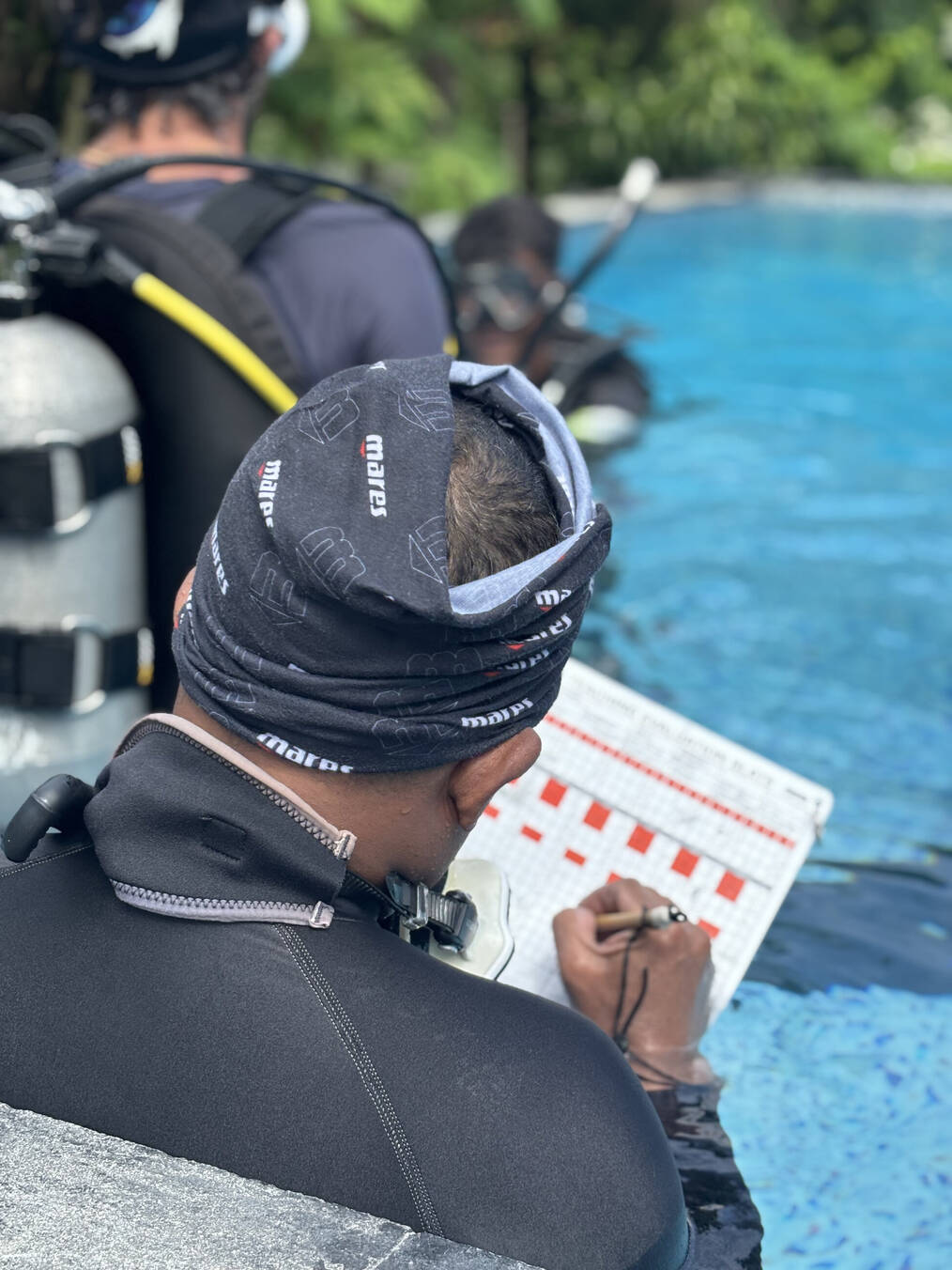
During our pool filming for video review, I completely blanked on which skill I was supposed to demo. I launched into a flawless alternate air source exercise… except the assignment was actually mask removal and replacement. I surfaced feeling very proud, until everyone burst out laughing and held up the slate. We replayed the clip on shore, and the whole team (me included) was crying with laughter. Silver lining: 10/10 technique… for the wrong skill.
Pros
  • Efficient pacing and strong organization
  • Professional mindset from day one, but still a friendly, fun environment
  • Actionable feedback on every session
Cons
  • You’re expected to show up prepared; the pre-study isn’t optional
Eric
5/5
Yes, I recommend this program

Returned for the Eco-Instructor & left as a conservation-minded pro

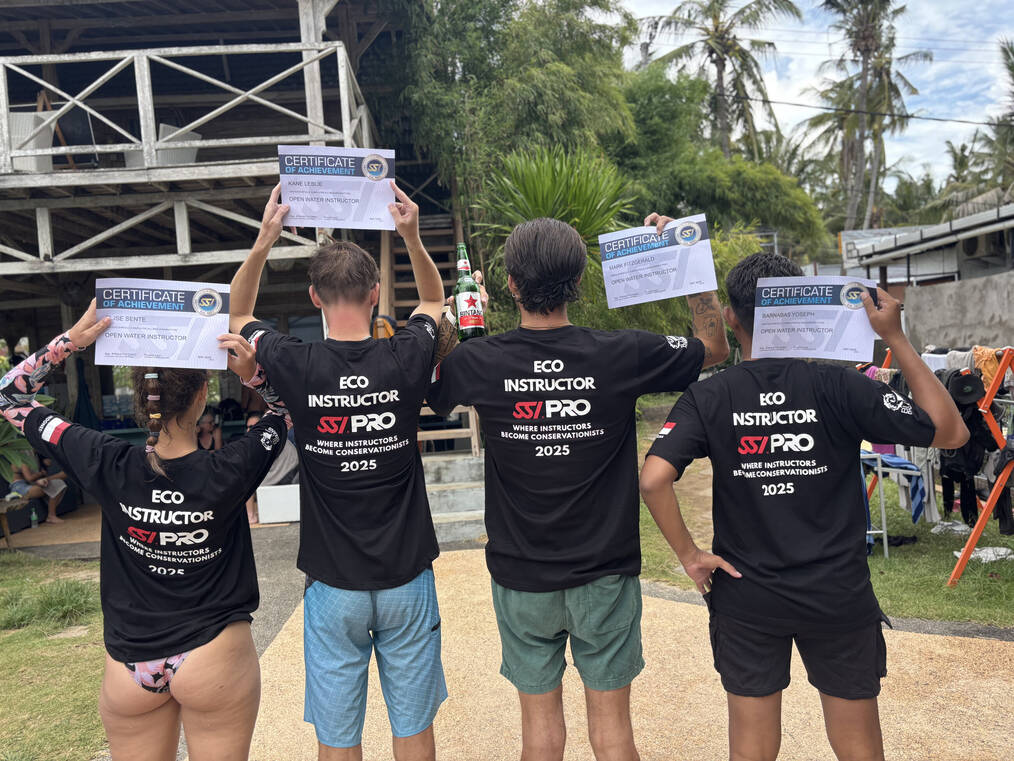
I came back to Project Laut in 2024 for the Eco-Instructor pathway after doing my Divemaster here in 2022. The growth was obvious: tighter systems, more conservation structure, and an even stronger coaching culture. Doing my Instructor Training Course under Joma and Sita was the difference-maker! It was fun, but still standards-driven, had direct feedback, and a strong emphasis on real-world teaching, not just passing evaluations.

The ITC was rigorous and focused. Daily micro-teaches, clear rubrics, and immediate, specific notes kept me improving fast. Shadowing live courses showed how to manage briefings, problem solves, and safety in Penida’s currents and thermoclines. By the time evaluations rolled around, I felt very confident (and I passed with a strong showing!)

What set this program apart was earning instructor ratings in ecology specialties, including Coral Reef Restoration. I learned how to structure conservation lessons, run field-safe restoration sessions, and connect student activities to data and maintenance schedules. The end result: I can teach conservation specialties with confidence and purpose.

What stood out out to me was the coaching from two instructor trainers (Joma & Sita) who keep standards high and feedback practical. The Integrated conservation curriculum that actually transfers to the classroom and field. The Small cohorts, with lots of reps teaching, evaluating, and refining briefings

What is your advice to future travelers on this program?
It is best if you arrive with a solid DM foundation and recent water time. The ITC focuses on roleplaying and evaluations - it is expected that you already can perform your skills at a DM level. For me, since it had been awhile since I did my skills, I did a 1 week "Skills Refresh" to get up to speed, and then I joined the regular ITC cycle with the other candidates.

Also, I would say choose the Eco-Instructor route if you want conservation to be part of your professional identity—those specialties help you stand out
Pros
  • Coaching from two instructor trainers (Joma & Sita) who keep standards high and feedback practical
  • Integrated conservation curriculum that actually transfers to the classroom and field
  • Small cohorts; lots of reps teaching, evaluating, and refining briefings
Cons
  • You’re expected to have or source a full pro-level kit (rentals are available though)
Read my full story

Programs

Displaying 1 - 3 of 3

Alumni Interviews

These are in-depth Q&A sessions with verified alumni.

Why did you choose this program?

I chose this program because it pairs serious, skills-first training with real conservation work and a clear path to employment. I’d already seen the standard here during my Divemaster—small groups, two instructor trainers on staff, and uncompromising, neutrally buoyant skill evaluations - so coming back for my Instructor made sense. The coaching is direct and practical, the ocean conditions in Nusa Penida make you genuinely capable, and you get to shadow live courses instead of simulating them. Adding coral restoration and turtle ID sharpened my portfolio, and graduates from this program actually get hired. In short: high standards, real experience, and outcomes that matter.
 

What did your program provider (or university) assist you with, and what did you have to organize on your own?

The provider handled all the training and operational pieces: pre-course onboarding, SSI app setup, study materials, daily schedules and coaching, neutrally buoyant skills and evaluations, guidance and paperwork for the Instructor Exam, access to conservation projects (coral restoration and turtle ID), course-shadowing, and the day-to-day diving logistics (boats, sites, tanks, weights). They also offered local guidance on housing options, SIM cards, and sourcing gear. I organized my own flights, visa, insurance with scuba coverage, accommodation and meals (using their recommendations), full professional dive kit for the Instructor phase (renting a couple of items short-term) plus medical clearance and personal expenses.
 

What is one piece of advice you'd give to someone going on your program?

Start early and show up buoyancy-ready. Do the e-learning before you arrive, then spend a week dialing in horizontal trim, frog kick, and other proper finning techniques. The program evaluates all skills neutrally buoyant - if you’ve already got control, you’ll learn faster, conserve gas, and get far more value from every dive.
 

What does an average day/week look like as a participant of this program?

Tuesday to Saturday is the workweek, with Sunday and Monday off. A typical day starts with a briefing and a pool or skills block, then a boat dive focused on fish ID surveys or coral restoration—teams split into wet (in-water deployment, maintenance, photo transects) and dry (prep, data logging, gear). Afternoons rotate between a second conservation dive, turtle identification and database work, or classroom modules (theory, video review, dive briefings). Evenings are for e-learning, kit maintenance, and planning the next survey. Over a week you’ll cycle through coral tasks, fish ID transects, turtle photo-ID processing, pool skills, and classroom sessions so you’re building both in-water capability and solid conservation data habits.
 

Going into your experience abroad, what was your biggest fear, and how did you overcome it? How did your views on the issue change?

I was worried I wouldn’t meet pro-level standards in Nusa Penida’s conditions; holding neutral trim, running briefings, and demonstrating skills mid-water in current. I tackled it with brutal clarity: pre-reading done before arrival, daily video review, and extra pool time to hard-wire a 60–90s hover, frog/reverse kick, mid-water mask skills, and rescue sequences in surge. Shadowing real courses and rotating between wet/dry conservation teams forced me to plan, brief, execute, and debrief like an instructor, not a student. The fear shifted from “these conditions will expose my weaknesses” to “these conditions are my advantage.” By the end, currents felt like a training tool, high standards felt like a framework, not a barrier, and employability became a function of evidence: logged demos, references, and a conservation portfolio I could show employers.
 

Why did I decide to return to do my instructor course with project laut?


Because this is where standards and outcomes aligned. I’d already done my Divemaster here and knew the bar: small groups, two instructor trainers on staff, and every demo evaluated neutrally buoyant on video. That precision matters when you’re interviewing for work. I also wanted real teaching time; shadowing live courses, running briefings/debriefs, and getting actionable feedback, not just pool simulations. Add the conservation track (coral restoration, fish ID, turtle ID) and Nusa Penida’s conditions that force proper trim, propulsion, and gas planning, and the choice was clear. On top of that, the group at Project Laut just felt like family, after spending so much time with them during the DM I was very happy to come back and pursue the next level with them!
 

Staff Interviews

These are in-depth Q&A sessions with program leaders.

Intan Stefhanie

Job Title
Admissions Outreach
I'm from Pekanbaru, Indonesia and i studied taxation economy at Riau University. I am a person who thrives on working as part of a team or independently. I take initiative, I am hardworking and eager to learn with core values of honesty, carefulness, and tenacity. With my knowledge and experience, I would be able to fulfill the requirement you request and become an asset to your team. I worked at Bank Negara Indonesia in Pekanbaru and also worked as a Doctor Secretary who opened his clinic in South Jakarta for 1 month and, I have experience working with one artist from Australia, Bruce Kirby as a Social Media Specialist. I used to work as a Virtual Assistant with Aaron Israel ( Israel & CO LP Germany) but before that I was his Personal assistant in Bali from 2018 until November 2021, and also a Freelance Personal Assistant with Anita Ramsak (Founder of ARSIC Social Impact Consulting Bali & Human Rights Specialist in United Nations).
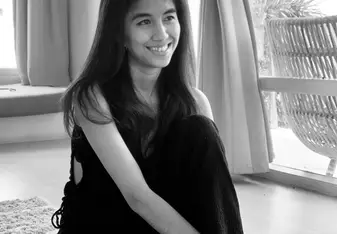
INTAN STEFHANIE wearing a black jumpsuit with long dark hair and smiling

What is your favorite travel memory?

The sheer adrenaline rush and giddiness I felt as I looked down at a vivid blue sea in Bali, with a sunset to boot, felt like I was hanging by threads, which I was.

That unadulterated feeling of thrill and joy, the satisfaction of doing something out of the ordinary is my travel memory and what my mind travels to, too.

How have you changed/grown since working for your current company?

I began as an admin on social media with Joma. I consistently try to make going above and beyond my bare minimum. I took on any additional responsibilities I could, such as handling the customers about diving and marine conservation via social media like email, Facebook comments, or DM facebook and emergency responder teams, for one example. I’d do this carefully to not sacrifice the quality of my work, or take on more than I could handle. I worked hard to make my comfort zone that of stepping outside of my comfort zone. Early on, I learned some hard lessons, but I took those in stride and powered on learning everything I could. I am motivated to be the best person I can be. I am not that person yet, but I am driven to become that person. I think that attitude is partly what I contribute to my success.

What is the best story you've heard from a return student?

Unfortunately, I never heard of or have experience from a returning student yet. I studied in a city called Pekanbaru that is super freaking hot and humid like 40 degrees every day and sometimes you don't know how to breathe because there are no trees left and oil on the ground. I feel like if people in my hometown have the option, they willl not go to live there and even for a student who has absence for 2 weeks, they will not gonna came back to my city and choose to live in a small village.

If you could go on any program that your company offers, which one would you choose and why?

Project Laut. Project Laut is run by a passionate and knowledgeable team like Joma who do everything they can to make your stay as enjoyable and worthwhile as possible. This is a genuine conservation experience coupled with some amazing diving and the chance to develop new skills. The course has given people the most up-to-date methods and knowledge in the fields of marine conservation and research so people can go forward more confidently and able.

What makes your company unique? When were you especially proud of your team?

I'm not sure that unique (i.e., "being the only one of its kind; unlike anything else") is important. This company exists because someone has a vision (perhaps an overused, but nevertheless useful, word) and achievement of the vision is paramount. Becoming unique may be a critical success factor, but something else, say excellence in execution may be more important. To be unique is to DISCOVER it. Trial and error until you find it and that's how Nomads Diving Penida does.

An achievement that I’m proud of is being chosen to work on this project with Joma's team. His dedication is imperative for the growth of the company. Joma and the team's recent accomplishments, creativity, and open-mindedness contribute immensely to the team’s success.

Working on projects such as Project Laut was eye-opening because I’d never worked on such diving and marine conservation before. It taught me valuable skills in communication and collaboration that I bring to every new project I work on today.

What do you believe to be the biggest factor in being a successful company?

I read articles from Jhon Spence's blog. He wrote what he believes are the five most important factors for building a successful company are a clear vision, a measurable plan, a culture of urgency, the best people, and superior customer service. That's the biggest factor that I believe is how to become a successful company.