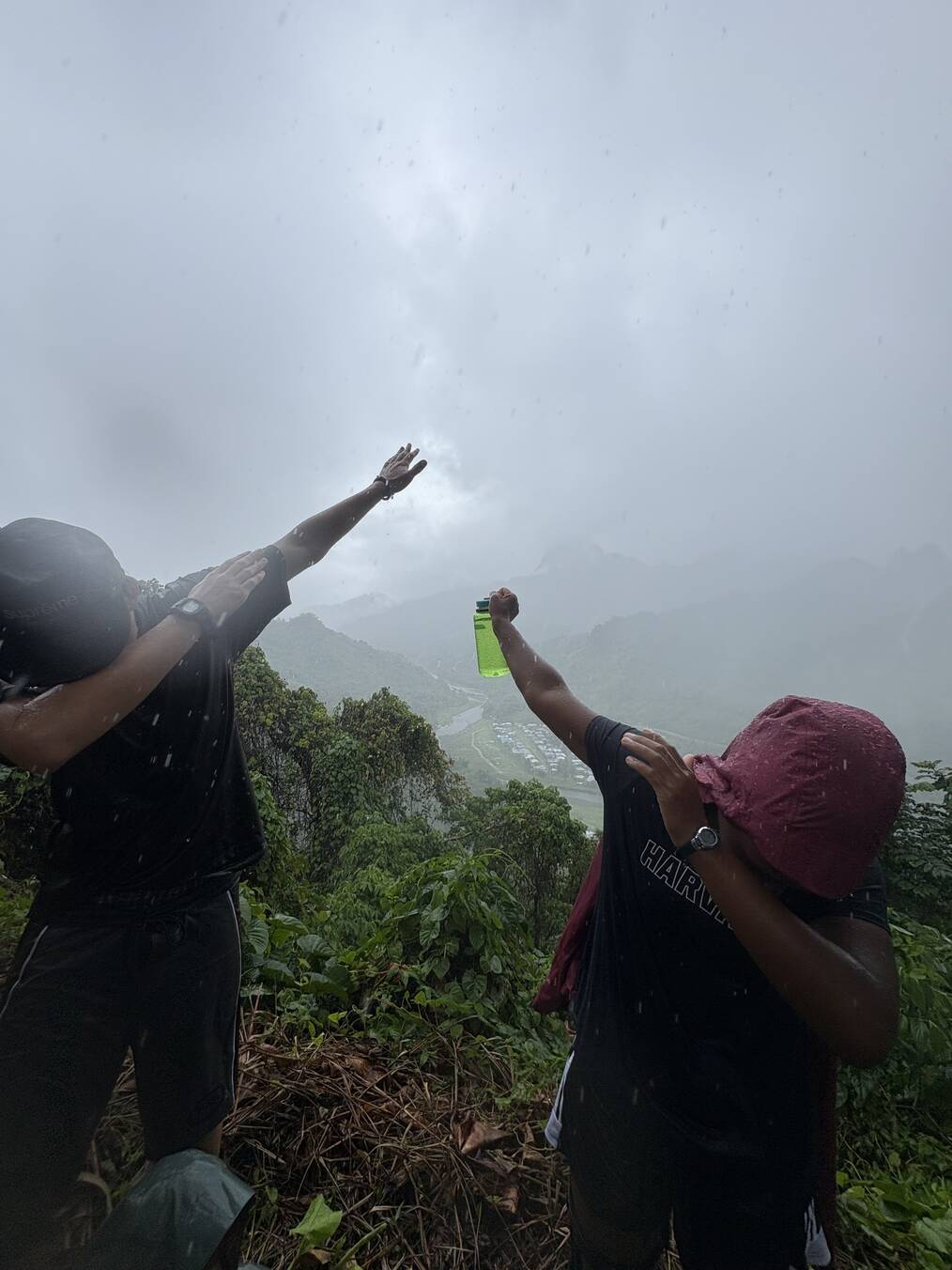
This program was so fantastic!! It’s hard to summarize and pick my favorite moments. I absolutely loved the jungle trek in Sumatra. The terrain was rugged but Jay and Eric and Febroni (our local guides) seemed to magically appear whenever we needed a hand. I felt like I lost a few pounds through sweat so I was thankful for the afternoon swim in the river next to camp after the trek. We saw SO MANY orangutans (more than our guides had ever seen before), and it was so incredible to see them in real life. I was using the squat toilet one time at camp and look up to see a mama and baby orangutan watching me. Also I got pooped on by one…
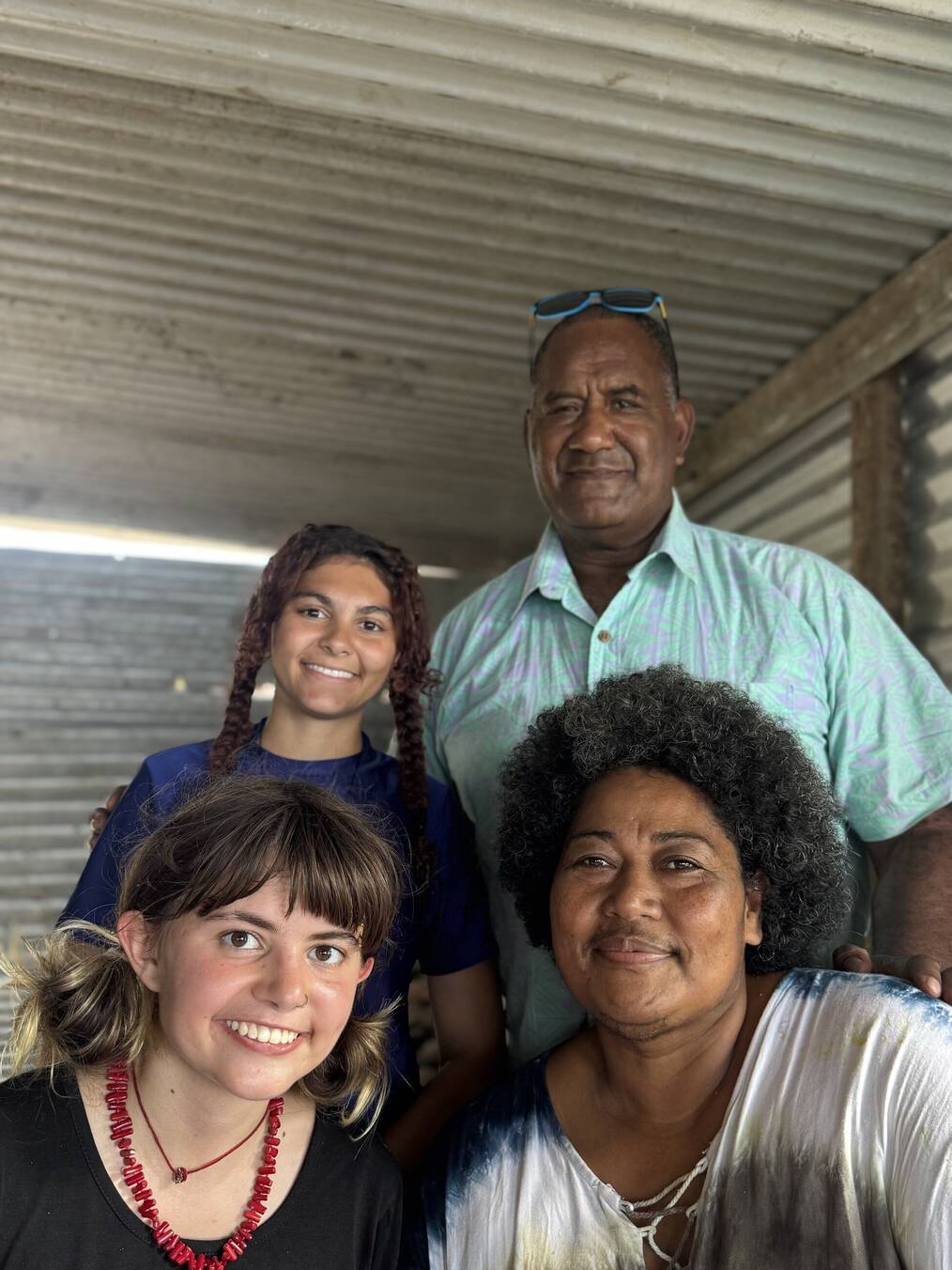
Our home stays were so nice, and I gained a lot of knowledge about communicating with people who don’t speak English. It was difficult at some points, like when we were served two full cups of coffee after dinner and didn’t know how to refuse (delicious but the caffeine was a lot for post-dinner), but the generosity of the locals came through in everything they did.
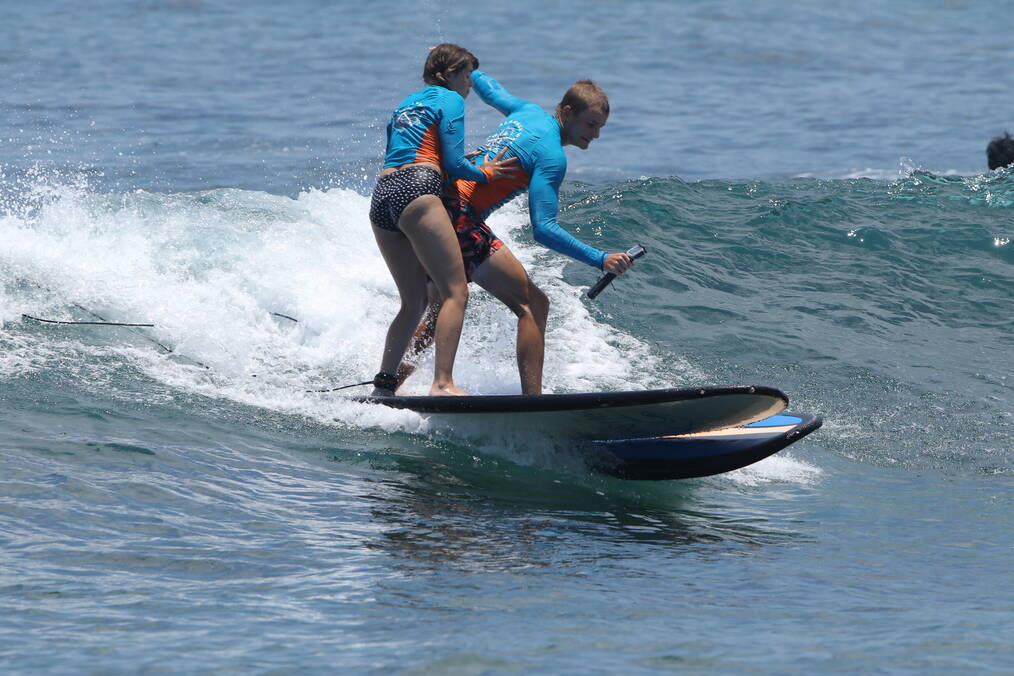
I’d never swam in the ocean before this trip and wouldn’t consider myself a strong swimmer, but all the water-based activities were super great and within my skill level. I saw an octopus snorkeling and the scuba diving was INCREDIBLE. I even caught a few waves surfing!
One of my favorite moments was our first night on one of the treks we did. The whole group was staying in one big tent and it was storming so hard. There was no electricity so the only thing lighting the room was the frequent cracks of lightning. It was pouring rain and so windy and the floor flooded. It was such a bonding moment and when we finally got to sleep anytime I’d roll over I’d be face to face with my travel mates.
My glasses were stolen off my face and broken by a monkey so if you can’t see without your glasses bring an extra pair. Please, please wear sunscreen - the UV actually broke the scale on the weather app once and I got burned bad a couple times even from just 20 minutes or so. Pack light - you’ll be moving every couple days.
From drinking kava in Fiji (slightly better than mud water haha) to helping clean white tigers’ cages, to crying in an ice bath, this trip opened my eyes to so many new things. I would highly recommend this trip, thought it’s not for those who aren’t very outdoorsy. The hiking can be hard and everything you bring will get wet at some point, and can stay damp for a long time. The people you’ll meet and the sights and animals you’ll get to see so outweigh any negatives for those considering this program. My program instructors were so amazing and struck the perfect match between friend and mentor - I couldn’t have asked for better leaders.
What was the most unfamiliar thing you ate?
I tried a lot of new foods on this trip, including the “Special Fried Rice” which I was surprised to discover had sausages and squid and fish and chicken, sea grapes, pig’s heart, many new types of fish, river ferns, octopus, and taro.
What other participants should know
- Big group travel can be frustrating and/or hard sometimes
- 10 weeks is a long time to be away from family
- Limited alone time/space




Response from ARCC Programs
Keira, thank you for taking the time to share your reflections and feedback about your recent gap program in Southeast Asia with ARCC. We are always looking for ways to enhance our programs, and the individual experience of every participant is a critical step in this process. We are glad you found elements of the experience to be unique and meaningful, particularly those through our in-country partnerships throughout the program.
We do want to take a few moments to respectfully clarify a few points to ensure accurate context for future participants and families. Regarding transparency about the structure, our programs are intentionally designed as an educational experience, combining a structured curriculum with immersive experiential learning. This is communicated clearly throughout the enrollment process, in pre-program conversations, including your interview, and through detailed pre-program materials. In fact, the elements of our educational curriculum are one of the main reasons participants choose our programs.
Our policies regarding technology use, group living, and levels of independence are discussed extensively with both participants and families prior to the start of each program. These policies and procedures are intentional to support group cohesion, promote meaningful engagement with projects and local communities, and encourage personal growth. While they may feel limiting to some, they are clearly defined from the outset and are instrumental to the environment we strive to create.
Operating international programs and developing educational curriculum with experienced instructors, 24/7 support, risk management, and local projects and partnerships involves significant logistics and expenses. For obvious reasons, participants and families are not expected to be aware of or fully understand the operational and financial complexities behind delivering our programs, as this is not an essential part of the experience. In terms of tuition and budgeting, we understand that program costs may appear high from a participant's perspective, and we welcome feedback with the goal of striking a balance between financial accessibility and prioritizing overall experience, safety, and unique experiences.
We sincerely appreciate you sharing your experiences and would welcome further opportunity to engage directly and learn more.