Master of International Nature Conservation

- New Zealand
- Christchurch
- Germany
Frequently asked questions
You can apply to Master of International Nature Conservation by clicking the "Apply Now" button.
Master of International Nature Conservation starts at $21,500 USD. For full pricing, visit the provider’s website.
Yes, the program includes housing. Participants stay in apartments, dormitories, or with a host family.
The program fee includes some activities, airport transfers, classes, some meals, SIM cards, and wifi.
Master of International Nature Conservation is a multi-country program, visiting New Zealand and Germany.
About Program
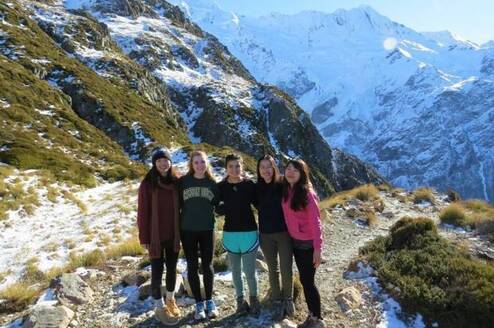
Study conservation on a global stage with Lincoln University's Master of International Nature Conservation — a dual degree earned in partnership with the University of Göttingen, Germany. You'll spend a semester immersed in New Zealand's unique biodiversity hotspots and endangered species conservation, then a semester at Göttingen exploring conservation across highly modified European landscapes.
The programme includes:
A study semester at Lincoln — applied ecology and wildlife management
A study semester at Göttingen — conservation biology and continental networks
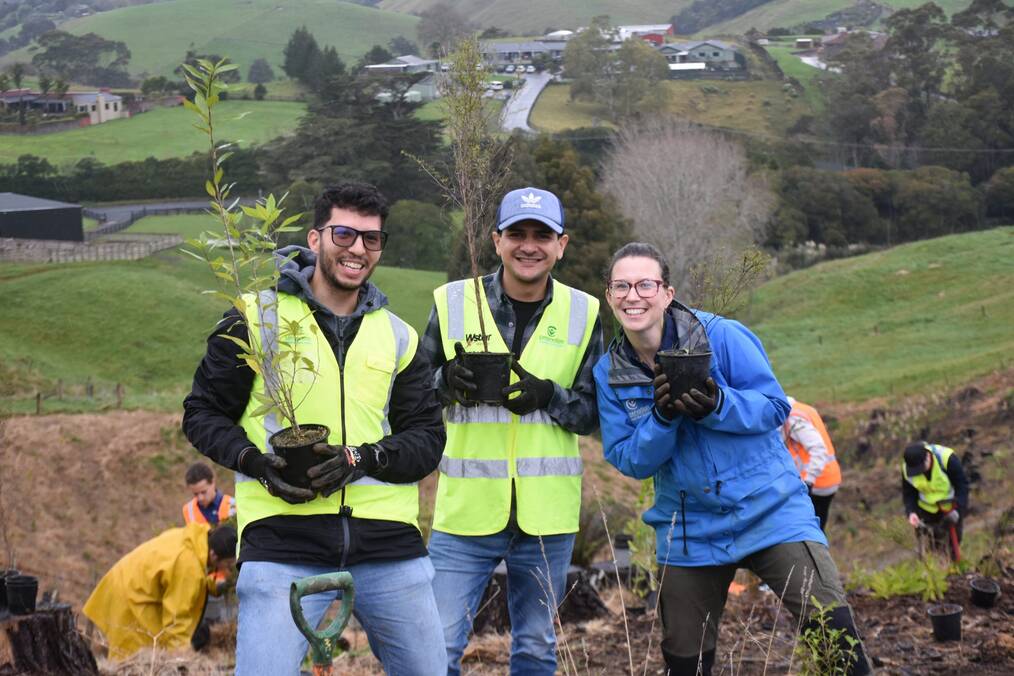
A 12-week internship with a conservation organisation, in NZ or abroad
A research-based master's thesis
Graduates leave with an internationally recognised double degree and hands-on experience across two hemispheres — a genuine edge for careers with organisations like the IUCN, national parks services, or global NGOs such as WWF.
Study conservation on two continents. Apply now — your global career starts here.
Program Highlights
- Genuine double degree, not just an exchange — you graduate with a jointly conferred M.Sc./MINC from both Lincoln and Göttingen, not a single-institution degree with a study-abroad note.
- Two contrasting conservation contexts — study New Zealand's biodiversity hotspots and endangered species work at Lincoln, then Germany's highly modified landscapes and continental-scale conservation networks at Göttingen.
- Flexible course pathways — choose from specialised electives like Mana Kaitiaki (Māori Resource Management), Advanced GIS, Animal Behaviour, or Insect Diversity and Ecology, letting you shape the degree around your interests.
- 12-week practical internship — gain real-world experience with a conservation organisation, based either in New Zealand or overseas.
- Two intakes a year — start in Semester 1 (late February) or Semester 2 (July), giving you flexibility on when to begin.
Video and Photos



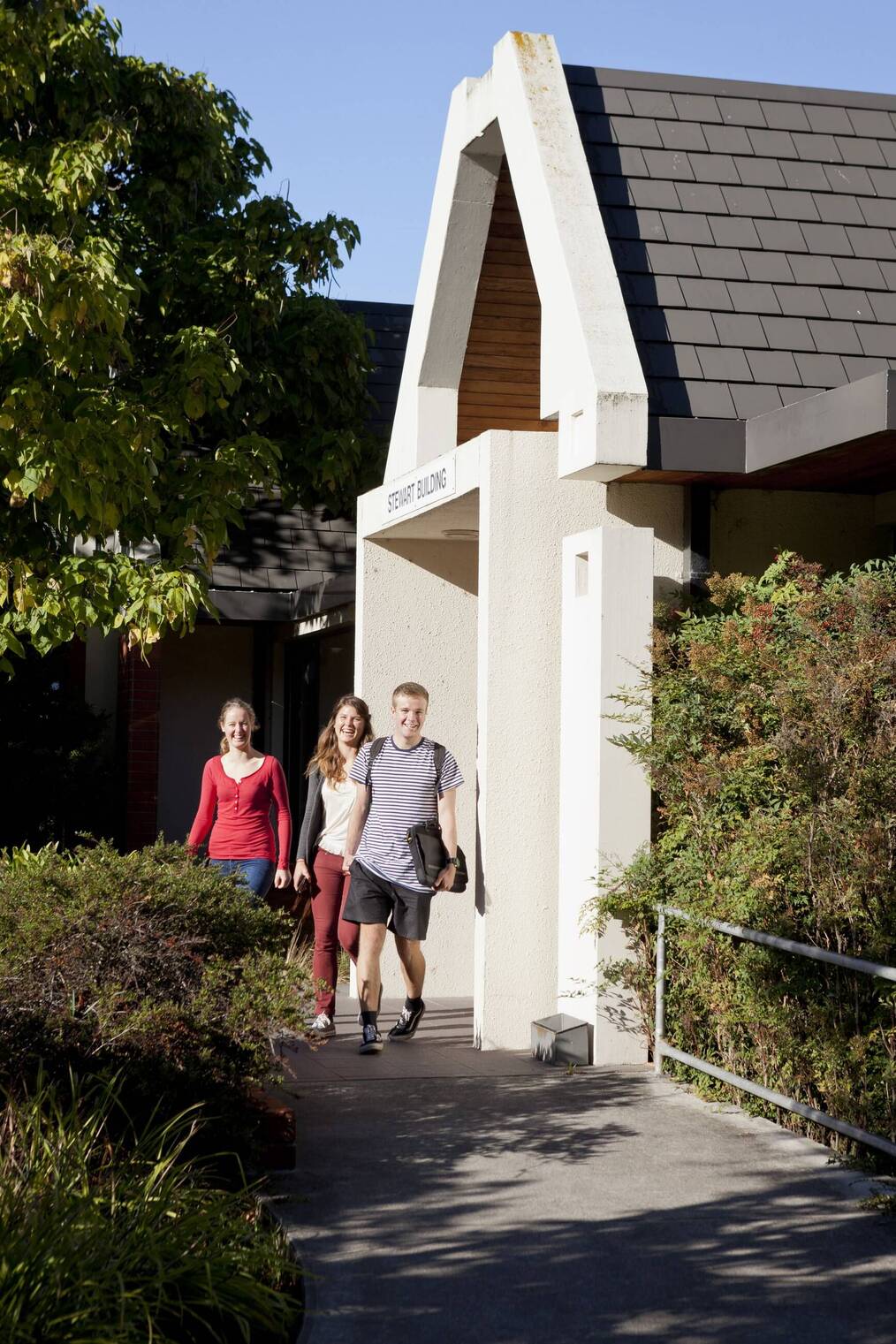
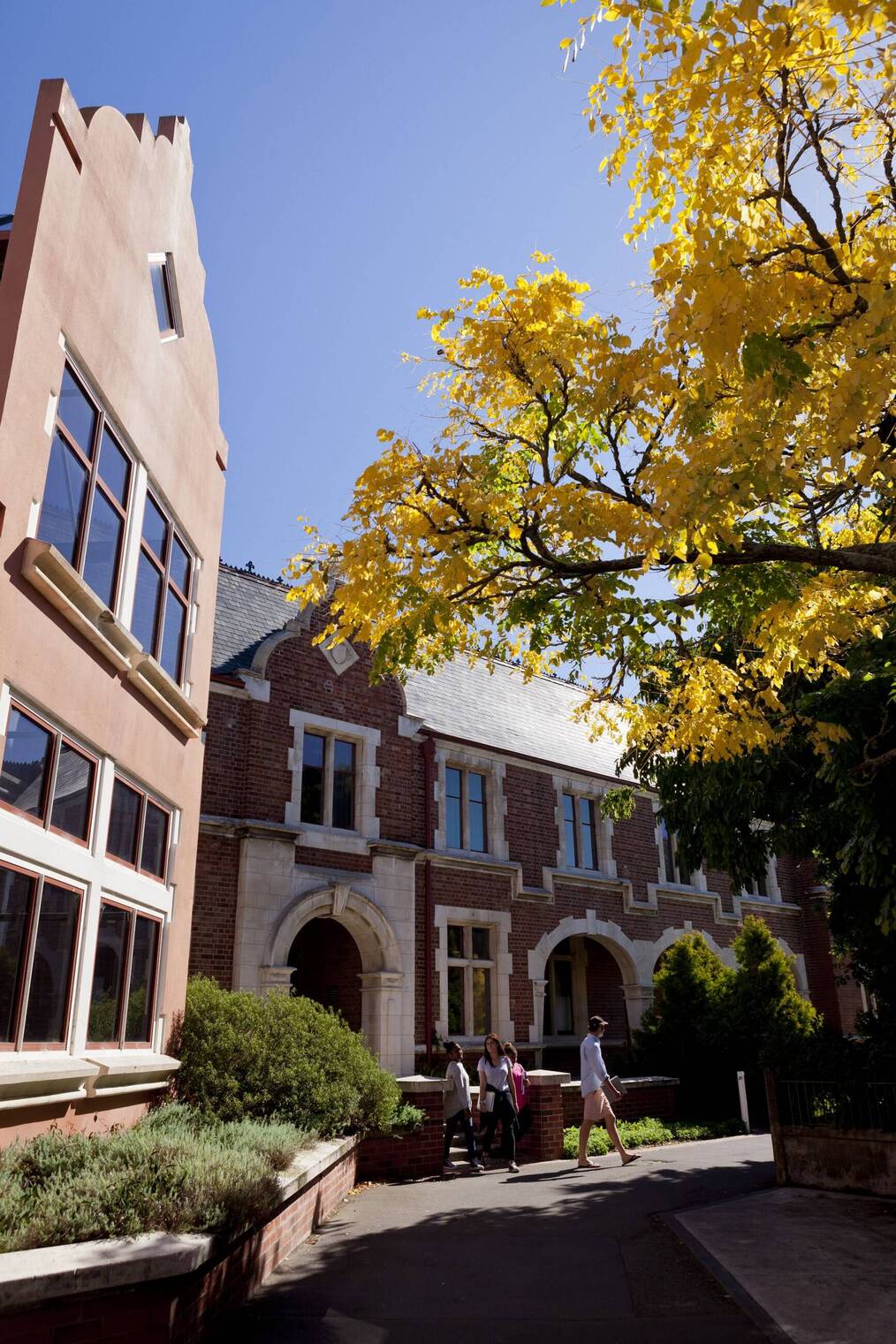
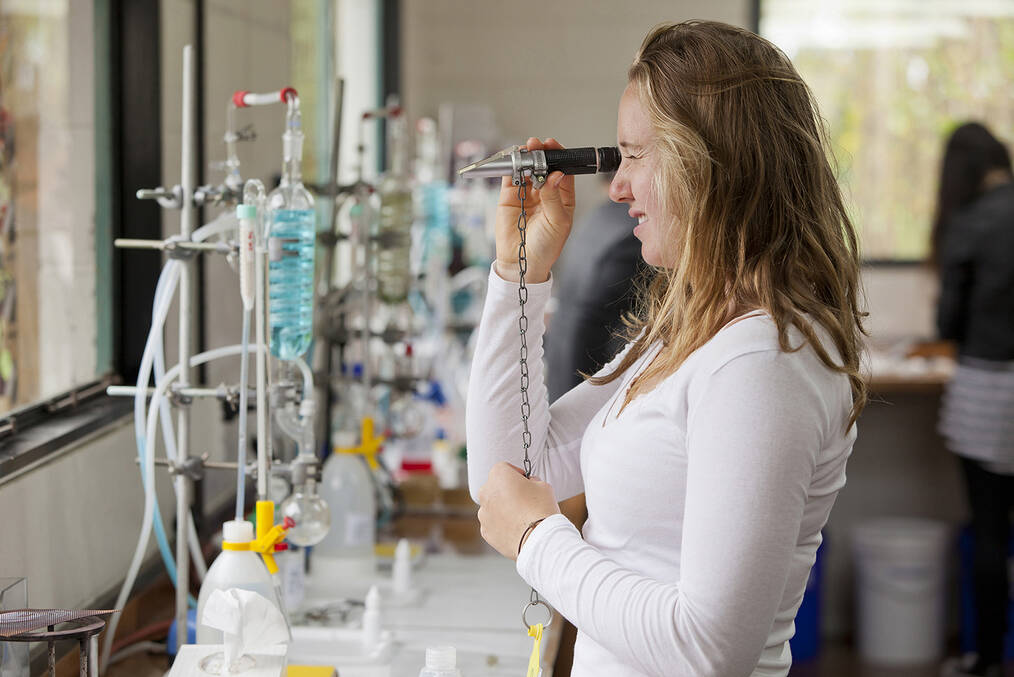
Diversity & Inclusion 💙
BIPOC Support
Commitment to Diversity: The university actively works to create an inclusive environment that respects and celebrates diverse backgrounds and perspectives.
Supportive Structures: Initiatives may include dedicated support services for BIPOC students, such as mentoring programs, cultural events, and workshops to foster a sense of belonging.
Curriculum Development: Efforts are made to integrate diverse voices and perspectives into the curriculum, ensuring that the academic experience reflects a variety of cultural viewpoints.
Recruitment and Retention: The university aims to improve recruitment and retention of BIPOC students and staff, recognizing the importance of representation in academic settings.
Engagement with Communities: Lincoln University seeks to build strong relationships with BIPOC communities, promoting collaboration and understanding through outreach and partnership programs.
LGBTQIA+ Support
Diversity and Inclusion Initiatives: The university actively promotes policies and programs aimed at creating a safe and supportive space for LGBTQIA+ individuals.
LGBTQIA+ Student Groups: Student-led organizations and groups often exist to provide a sense of community, offer social support, and advocate for LGBTQIA+ rights and representation on campus.
Counseling and Support Services: Professional counseling services are available, offering confidential support for students dealing with issues related to their sexual orientation or gender identity.
Awareness Campaigns and Events: The university may host events, workshops, and awareness campaigns to educate the community about LGBTQIA+ issues and celebrate diversity.
Safe Spaces: Designated safe spaces on campus are available for LGBTQIA+ students to connect and engage without fear of discrimination.
Neurodivergent Support
Personalized Learning Plans: Neurodivergent students can access tailored support plans to accommodate their individual learning needs and preferences.
Counseling and Wellbeing Services: The university provides counseling services that offer confidential support for neurodivergent students, helping them navigate academic and personal challenges.
Study Skills and Resources: Workshops and resources focused on study skills, time management, and exam preparation are available to help neurodivergent students succeed academically.
Flexible Learning Environments: Faculty members are encouraged to adopt flexible teaching methods and assessment strategies to support diverse learning styles.
Peer Support Networks: Opportunities for peer mentoring and support groups may exist, allowing neurodivergent students to connect with others who share similar experiences.
Accessibility Support
Accessibility Commitment: The university is dedicated to removing barriers to participation, ensuring that all campus facilities and services are accessible to students with disabilities.
Individual Support Plans: Students can receive personalized support plans tailored to their specific needs, which may include adjustments to teaching methods, assessment formats, and learning environments.
Support Services: A range of support services is offered, including academic advising, counseling, and access to assistive technologies.
Staff Training: Ongoing training for faculty and staff promotes awareness and understanding of disability issues, ensuring that they can effectively support students.
Student Engagement: The policy encourages feedback from students with disabilities to continuously improve services and resources available to them.
Impact 🌎
Sustainability
Ethical Impact
Commitment to Integrity: The university upholds high ethical standards in all its academic and administrative practices.
Social Responsibility: Lincoln University focuses on contributing positively to society through community engagement and outreach programs.
Sustainability Focus: Environmental stewardship is a priority, with initiatives aimed at promoting sustainable practices in research, teaching, and operations.
Equity and Inclusion: The university is dedicated to fostering a diverse and inclusive environment that respects all individuals and communities.
Research Ethics: Lincoln prioritizes ethical considerations in research, ensuring transparency, accountability, and respect for all participants.