

Lincoln University - Christchurch, New Zealand
Why choose Lincoln University - Christchurch, New Zealand?
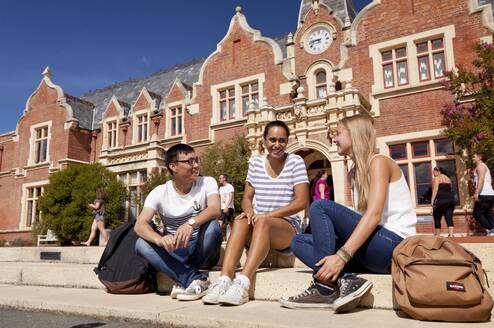
Established in 1878, Lincoln University is New Zealand's only specialist land-based university and one of the country's longest-standing contributors to the primary industries that sit at the very core of the New Zealand economy. Lincoln has built an international reputation for excellence in land, environment, and food-based sciences, alongside strong, industry-connected commerce degrees.
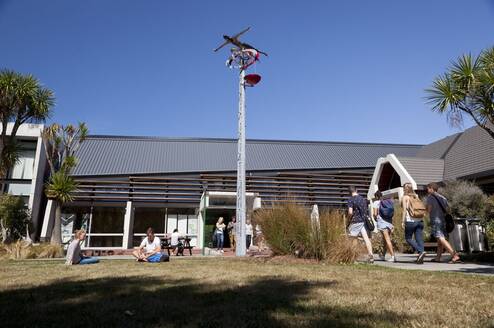
Located just outside vibrant Christchurch, on the doorstep of the South Island's most scenic landscapes, Lincoln offers students a rare combination: a close-knit, supportive campus community paired with easy access to a major city and some of New Zealand's most spectacular natural environments — from the Southern Alps to the Pacific coastline. It's a true gateway to the South Island, ideal for students who want their studies to be matched by adventure and exploration outside the classroom.
Website
www.lincoln.ac.nzFounded
1878
Frequently asked questions
Lincoln University - Christchurch, New Zealand offers general grants/scholarships.
Lincoln University - Christchurch, New Zealand offers programs in Austria, Germany, and New Zealand.
Based on 77 verified Go Overseas community reviews, Lincoln University - Christchurch, New Zealand averages 4.7 out of 5. Reviewers most often cite international student community, new zealand outdoor activities, supportive academic staff. Read reviews to learn more.
Lincoln University - Christchurch, New Zealand supports participants with commitment to diversity and inclusion, mentoring and peer support networks, personalized learning and individual support plans. Health & safety protocols are documented. Scholarships or payment plans are available.
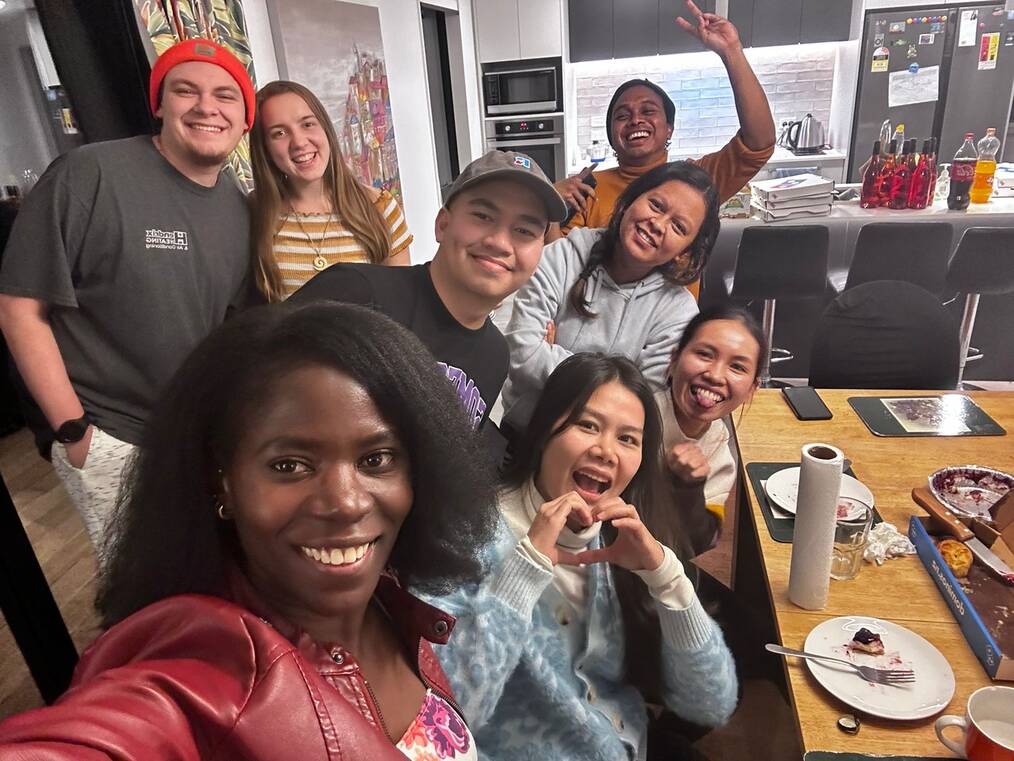
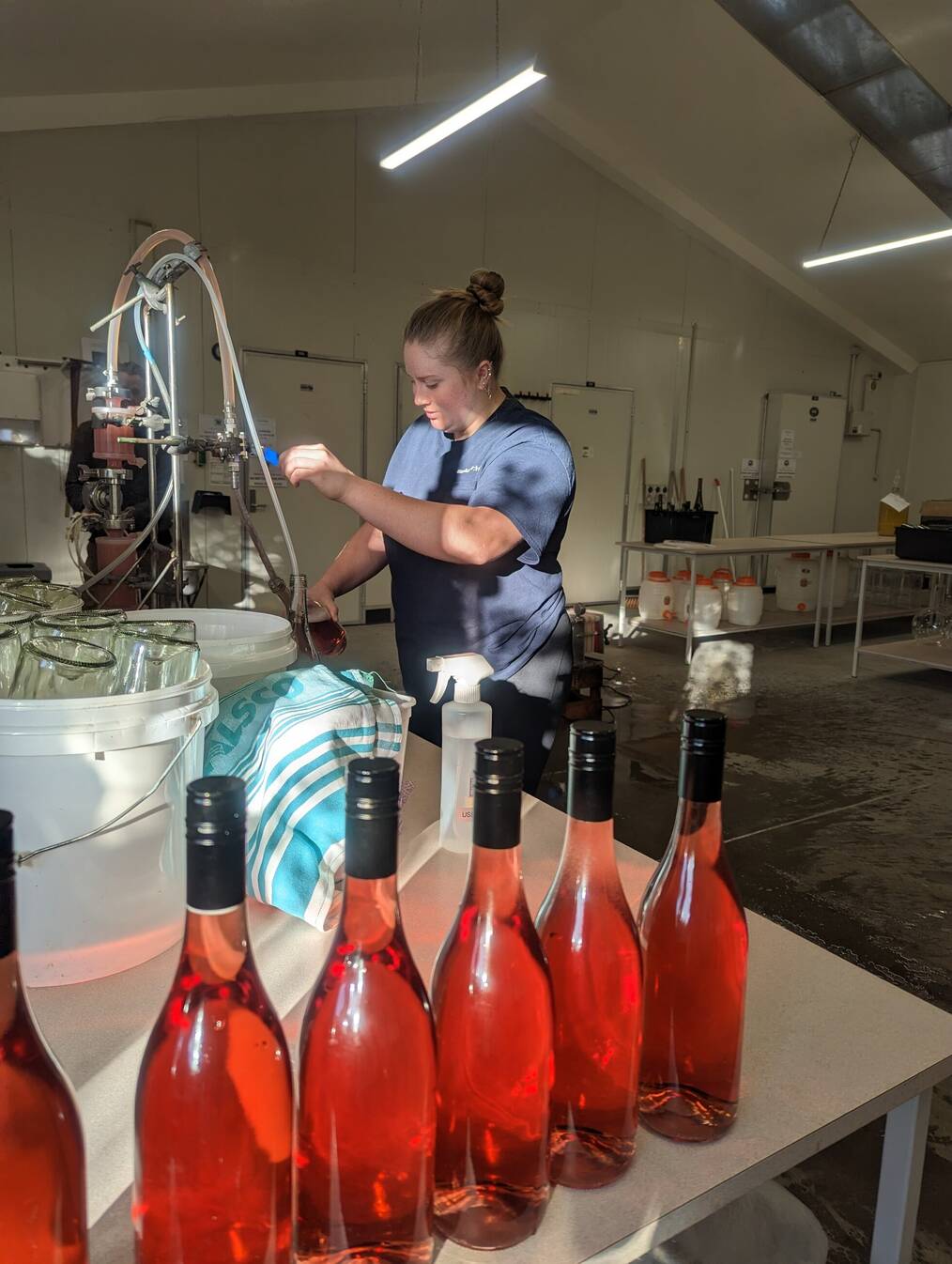
Community Photos














Diversity & Inclusion 💙
BIPOC Support
Commitment to Diversity: The university actively works to create an inclusive environment that respects and celebrates diverse backgrounds and perspectives.
Supportive Structures: Initiatives may include dedicated support services for BIPOC students, such as mentoring programs, cultural events, and workshops to foster a sense of belonging.
Curriculum Development: Efforts are made to integrate diverse voices and perspectives into the curriculum, ensuring that the academic experience reflects a variety of cultural viewpoints.
Recruitment and Retention: The university aims to improve recruitment and retention of BIPOC students and staff, recognizing the importance of representation in academic settings.
Engagement with Communities: Lincoln University seeks to build strong relationships with BIPOC communities, promoting collaboration and understanding through outreach and partnership programs.
LGBTQIA+ Support
Diversity and Inclusion Initiatives: The university actively promotes policies and programs aimed at creating a safe and supportive space for LGBTQIA+ individuals.
LGBTQIA+ Student Groups: Student-led organizations and groups often exist to provide a sense of community, offer social support, and advocate for LGBTQIA+ rights and representation on campus.
Counseling and Support Services: Professional counseling services are available, offering confidential support for students dealing with issues related to their sexual orientation or gender identity.
Awareness Campaigns and Events: The university may host events, workshops, and awareness campaigns to educate the community about LGBTQIA+ issues and celebrate diversity.
Safe Spaces: Designated safe spaces on campus are available for LGBTQIA+ students to connect and engage without fear of discrimination.
Neurodivergent Support
Personalized Learning Plans: Neurodivergent students can access tailored support plans to accommodate their individual learning needs and preferences.
Counseling and Wellbeing Services: The university provides counseling services that offer confidential support for neurodivergent students, helping them navigate academic and personal challenges.
Study Skills and Resources: Workshops and resources focused on study skills, time management, and exam preparation are available to help neurodivergent students succeed academically.
Flexible Learning Environments: Faculty members are encouraged to adopt flexible teaching methods and assessment strategies to support diverse learning styles.
Peer Support Networks: Opportunities for peer mentoring and support groups may exist, allowing neurodivergent students to connect with others who share similar experiences.
Accessibility Support
Accessibility Commitment: The university is dedicated to removing barriers to participation, ensuring that all campus facilities and services are accessible to students with disabilities.
Individual Support Plans: Students can receive personalized support plans tailored to their specific needs, which may include adjustments to teaching methods, assessment formats, and learning environments.
Support Services: A range of support services is offered, including academic advising, counseling, and access to assistive technologies.
Staff Training: Ongoing training for faculty and staff promotes awareness and understanding of disability issues, ensuring that they can effectively support students.
Student Engagement: The policy encourages feedback from students with disabilities to continuously improve services and resources available to them.
Impact 🌎
Sustainability
Ethical Impact
Commitment to Integrity: The university upholds high ethical standards in all its academic and administrative practices.
Social Responsibility: Lincoln University focuses on contributing positively to society through community engagement and outreach programs.
Sustainability Focus: Environmental stewardship is a priority, with initiatives aimed at promoting sustainable practices in research, teaching, and operations.
Equity and Inclusion: The university is dedicated to fostering a diverse and inclusive environment that respects all individuals and communities.
Research Ethics: Lincoln prioritizes ethical considerations in research, ensuring transparency, accountability, and respect for all participants.
Reviews
Programs



Alumni Interviews
These are in-depth Q&A sessions with verified alumni.


Staff Interviews
These are in-depth Q&A sessions with program leaders.
