Bachelor of Science (Environmental Science)

- New Zealand
- Christchurch
Frequently asked questions
You can apply to Bachelor of Science (Environmental Science) by clicking the "Apply Now" button.
Bachelor of Science (Environmental Science) starts at $21,750 USD. For full pricing, visit the provider’s website.
Yes, the program includes housing. Participants stay in apartments, dormitories, or with a host family.
The program fee includes some activities, airport transfers, classes, some meals, SIM cards, and wifi.
Bachelor of Science (Environmental Science) is located in Christchurch, New Zealand.
About Program
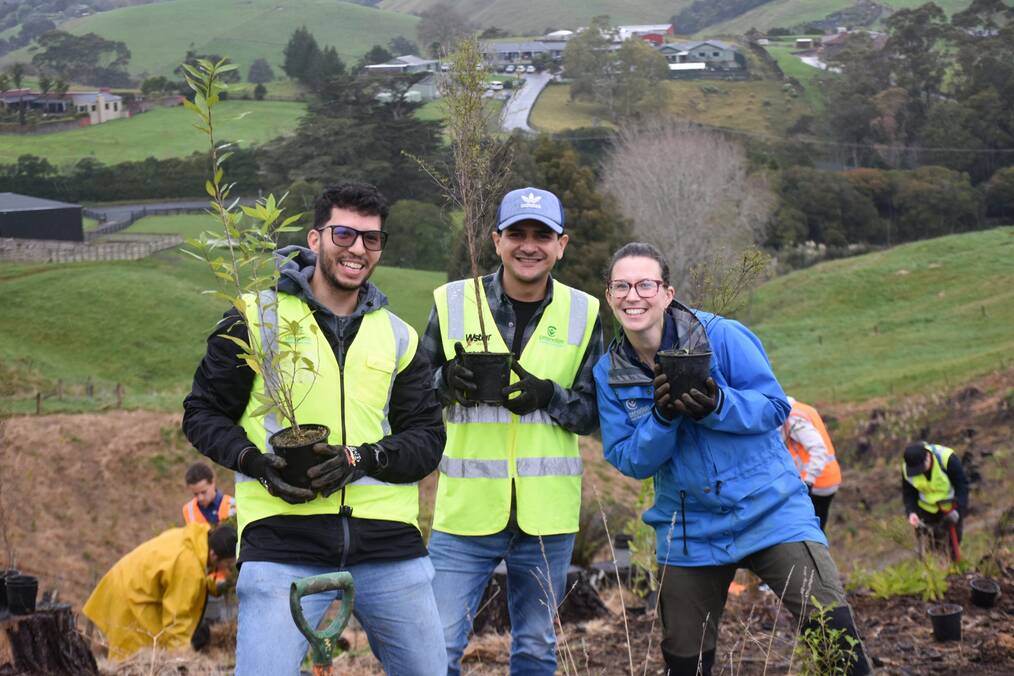
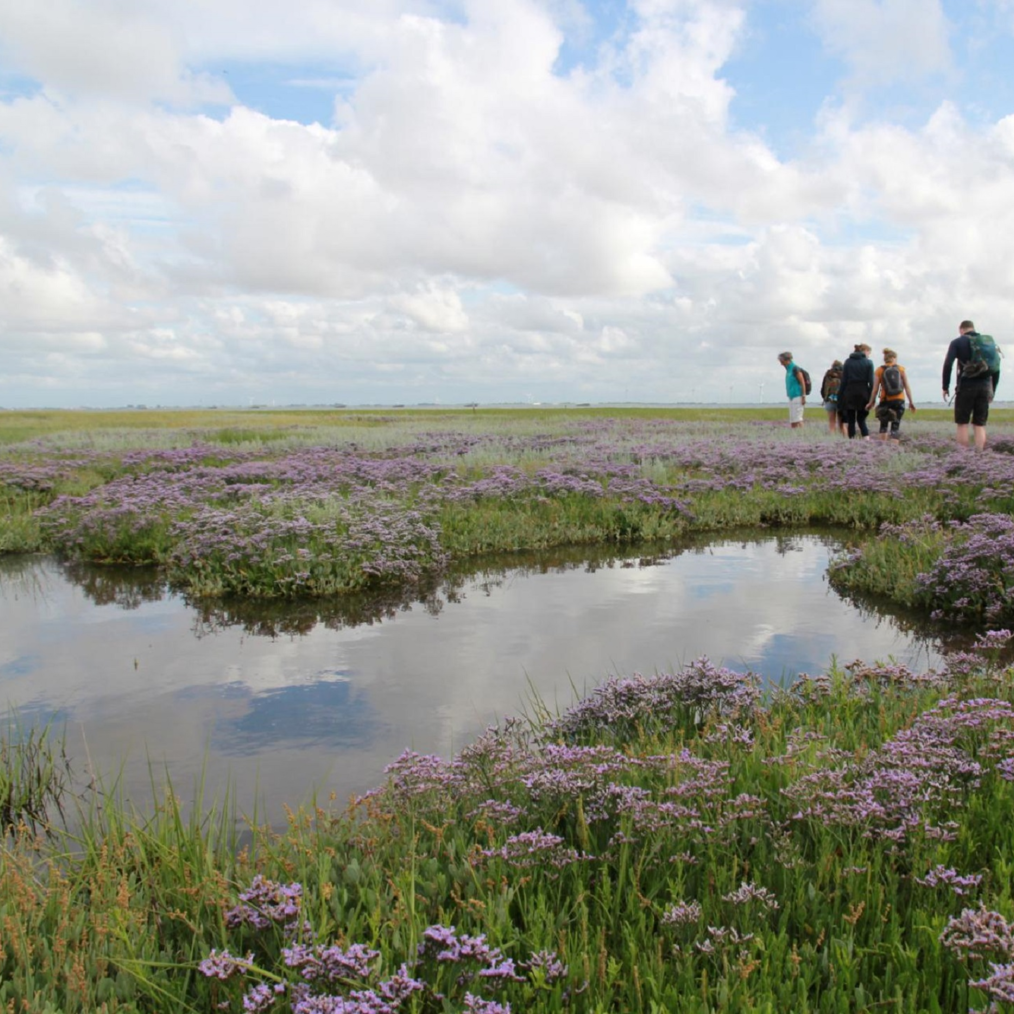
Planet Earth is under pressure — freshwater and terrestrial ecosystems are degrading, soils are depleted, and biodiversity is in retreat. At Lincoln University, you train to become one of the scientists equipped to diagnose these problems and design real solutions.
Lincoln is New Zealand's only specialist land-based university, and it shows in how you learn here. Small class sizes mean direct access to your lecturers — not lost in a lecture theatre of hundreds, but working alongside internationally recognised scientists who know your name and your interests. Our compact, close-knit campus sits at the heart of New Zealand's agricultural economy, so you're not just studying environmental science in theory — you're immersed in a landscape where productive land use and environmental stewardship play out in real time.
You'll build a grounding in the natural processes driving soil and water systems, ecosystem function and restoration, and what it takes to use land better.
Program Highlights
- Double major advantage — pair Environmental Science with Conservation and Ecology to graduate with combined expertise in ecosystem restoration, biodiversity and applied conservation.
- Double major advantage — pair Environmental Science with Conservation and Ecology to graduate with combined expertise in ecosystem restoration, biodiversity and applied conservation.
- Taught by frontier scientists — learn directly from internationally recognised researchers working on NZ's most pressing environmental issues.
- Career-ready from day one — graduate into environmental consulting, resource management, freshwater restoration, land rehabilitation or sustainability roles across the primary industries.
- Flexible, well-rounded science degree — electives in economics, policy and society sit alongside core science, so you build both technical depth and broader perspective.
Video and Photos




Diversity & Inclusion 💙
BIPOC Support
Commitment to Diversity: The university actively works to create an inclusive environment that respects and celebrates diverse backgrounds and perspectives.
Supportive Structures: Initiatives may include dedicated support services for BIPOC students, such as mentoring programs, cultural events, and workshops to foster a sense of belonging.
Curriculum Development: Efforts are made to integrate diverse voices and perspectives into the curriculum, ensuring that the academic experience reflects a variety of cultural viewpoints.
Recruitment and Retention: The university aims to improve recruitment and retention of BIPOC students and staff, recognizing the importance of representation in academic settings.
Engagement with Communities: Lincoln University seeks to build strong relationships with BIPOC communities, promoting collaboration and understanding through outreach and partnership programs.
LGBTQIA+ Support
Diversity and Inclusion Initiatives: The university actively promotes policies and programs aimed at creating a safe and supportive space for LGBTQIA+ individuals.
LGBTQIA+ Student Groups: Student-led organizations and groups often exist to provide a sense of community, offer social support, and advocate for LGBTQIA+ rights and representation on campus.
Counseling and Support Services: Professional counseling services are available, offering confidential support for students dealing with issues related to their sexual orientation or gender identity.
Awareness Campaigns and Events: The university may host events, workshops, and awareness campaigns to educate the community about LGBTQIA+ issues and celebrate diversity.
Safe Spaces: Designated safe spaces on campus are available for LGBTQIA+ students to connect and engage without fear of discrimination.
Neurodivergent Support
Personalized Learning Plans: Neurodivergent students can access tailored support plans to accommodate their individual learning needs and preferences.
Counseling and Wellbeing Services: The university provides counseling services that offer confidential support for neurodivergent students, helping them navigate academic and personal challenges.
Study Skills and Resources: Workshops and resources focused on study skills, time management, and exam preparation are available to help neurodivergent students succeed academically.
Flexible Learning Environments: Faculty members are encouraged to adopt flexible teaching methods and assessment strategies to support diverse learning styles.
Peer Support Networks: Opportunities for peer mentoring and support groups may exist, allowing neurodivergent students to connect with others who share similar experiences.
Accessibility Support
Accessibility Commitment: The university is dedicated to removing barriers to participation, ensuring that all campus facilities and services are accessible to students with disabilities.
Individual Support Plans: Students can receive personalized support plans tailored to their specific needs, which may include adjustments to teaching methods, assessment formats, and learning environments.
Support Services: A range of support services is offered, including academic advising, counseling, and access to assistive technologies.
Staff Training: Ongoing training for faculty and staff promotes awareness and understanding of disability issues, ensuring that they can effectively support students.
Student Engagement: The policy encourages feedback from students with disabilities to continuously improve services and resources available to them.
Impact 🌎
Sustainability
Ethical Impact
Commitment to Integrity: The university upholds high ethical standards in all its academic and administrative practices.
Social Responsibility: Lincoln University focuses on contributing positively to society through community engagement and outreach programs.
Sustainability Focus: Environmental stewardship is a priority, with initiatives aimed at promoting sustainable practices in research, teaching, and operations.
Equity and Inclusion: The university is dedicated to fostering a diverse and inclusive environment that respects all individuals and communities.
Research Ethics: Lincoln prioritizes ethical considerations in research, ensuring transparency, accountability, and respect for all participants.