Volunteer for Wildlife Conservation in Zimbawe

Hosted by
Volunteer for Wildlife Conservation in Zimbawe
- Zimbabwe
About Program
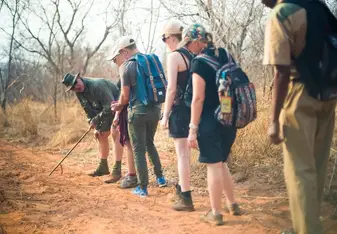
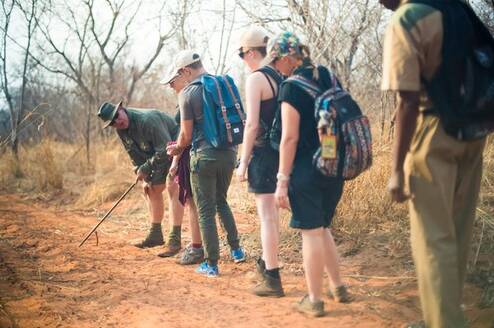
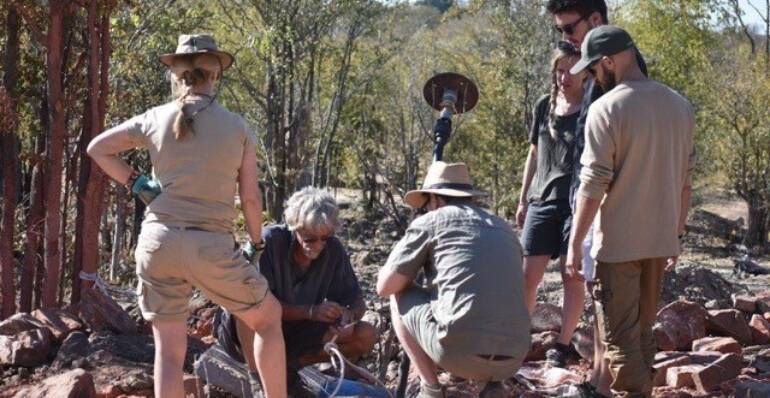
Spend 14 unforgettable days in Zimbabwe gaining real-world conservation experience alongside National Parks rangers and researchers. This hands-on Biology and Conservation Program is designed for students who want more than lectures—days are spent in the field supporting wildlife surveys, assisting with ecological monitoring, maintaining park infrastructure, and learning how protected areas are managed from the inside.
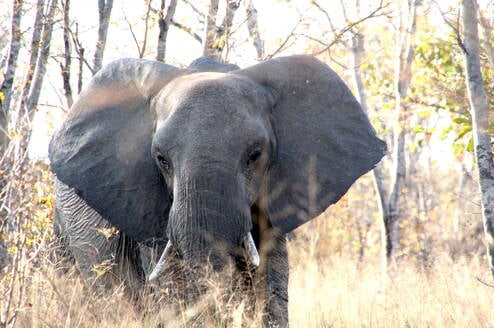
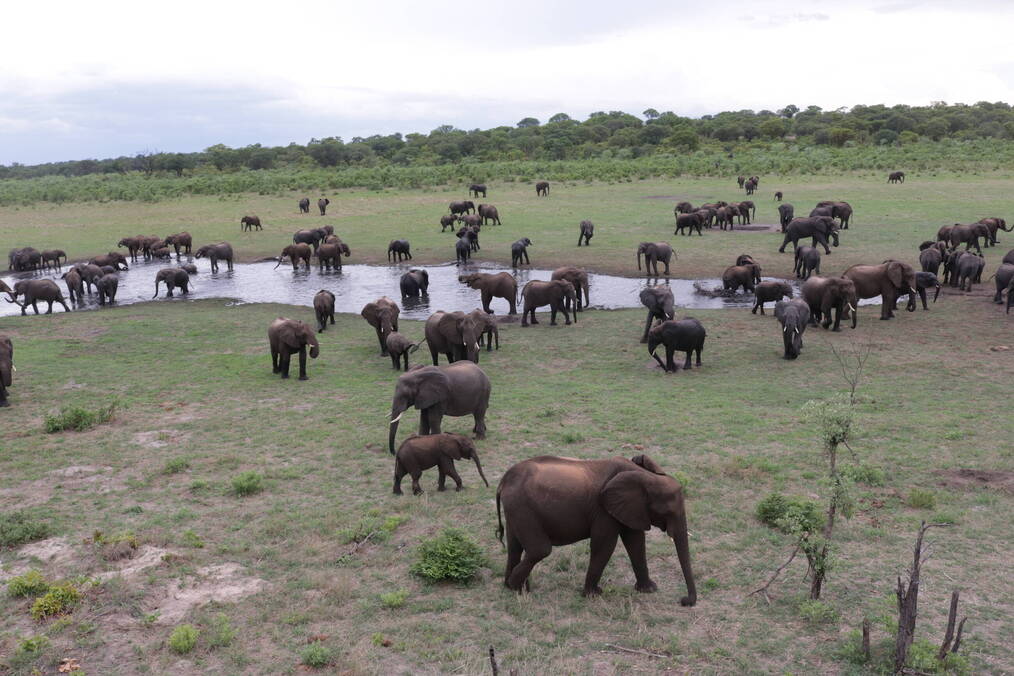
You’ll take part in road and waterhole population counts, giraffe monitoring, vegetation surveys, and recording predator and bird sightings for active research projects. Early starts, field data collection, and time in remote landscapes make each day dynamic and rewarding. As the project moves between ecosystems, your role evolves, giving you broad exposure to conservation science while building practical skills, confidence, and a deeper understanding of how ecosystems function in the real world.
Program Highlights
- Hands-on conservation work alongside rangers and National Parks teams
- Real wildlife research including giraffe ID, predator sightings, and game counts
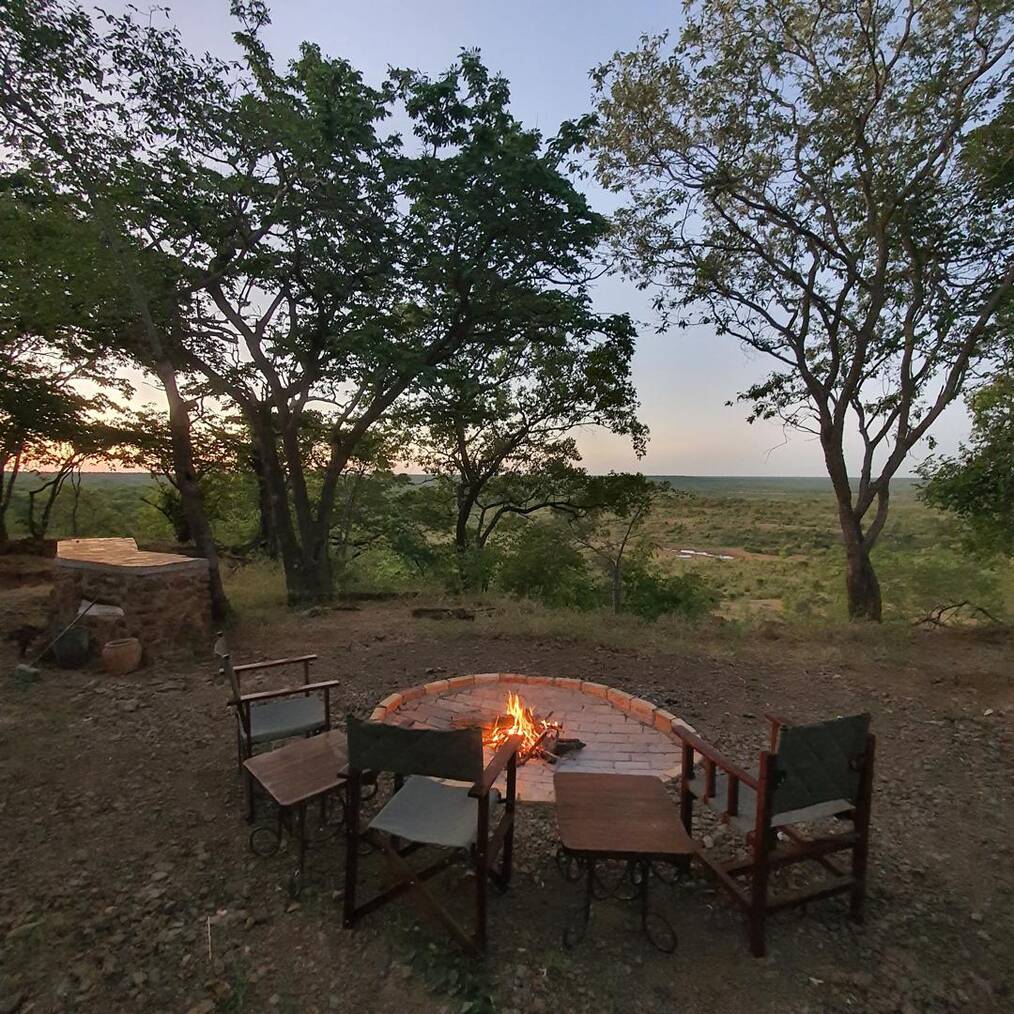
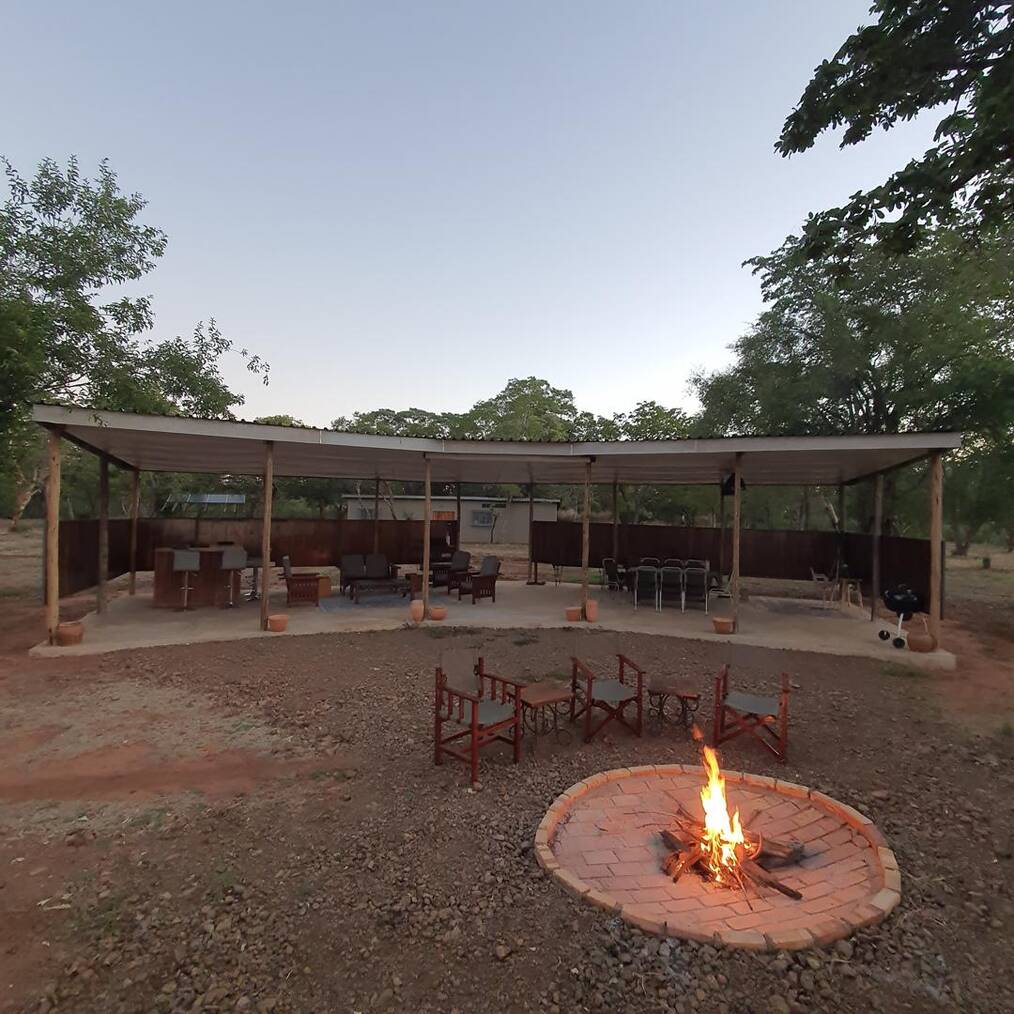
- Bush adventure with camping, early starts, and field skills training
- Move across wild landscapes with changing tasks every few days
- Make friends and make a difference while supporting conservation in Zimbabwe
Video and Photos
Program Impact
Volunteers play an active and meaningful role in supporting daily conservation operations across a 1,000km² wildlife corridor linking two National Parks. The data collected during wildlife counts, giraffe identification surveys, vegetation monitoring, and predator and bird sightings is shared directly with park authorities and partner research organizations. This information informs real management decisions — from tracking population trends to planning water provision in dry seasons — ensuring that conservation strategies are based on current, reliable field data.
By helping maintain 52 solar-powered water points, assisting with habitat rehabilitation, and supporting anti-poaching and monitoring teams, volunteers contribute to the long-term protection of wildlife in an arid landscape where resources are limited. The project also strengthens collaboration with local conservation professionals and supports sustainable employment in the region. Through practical involvement, participants become part of a wider conservation network that protects biodiversity while contributing to the stability and resilience of the surrounding community.