Thailand Mini Semester | Pacific Discovery

Hosted by
- Thailand
- Bangkok
- Chiang Rai
- Krabi
Frequently asked questions
You can apply to Thailand Mini Semester | Pacific Discovery by clicking the "Apply Now" button.
Thailand Mini Semester | Pacific Discovery is open to participants aged 17 to 22.
The program runs for 1-3 months.
Yes, the program includes housing. Participants stay in cabins, hostels, hotels, or lodges.
The program fee includes accommodation, activities, equipment, meals, park fees, tour guide, and transportation.
Thailand Mini Semester | Pacific Discovery is located in Bangkok, Chiang Rai, and Krabi, Thailand.
About Program
Discover the heart of Thailand through adventure, service, and self-discovery. Over six unforgettable weeks, explore ancient temples, vibrant cities, and remote villages. Connect with local communities, volunteer at an elephant sanctuary, and learn Thai cooking and Muay Thai.
From kayaking hidden lagoons to cycling historic ruins and experiencing homestays in the north, this journey invites you to dive into culture, build resilience, and grow with purpose.
With guided reflection, conservation projects, and a close-knit group of peers, you’ll gain confidence, perspective, and lifelong friendships.
Whether you’re seeking clarity, challenge, or connection, this is more than a journey, it’s a turning point.
Program Highlights
- Get up close and personal with elephants during a volunteer project at an elephant sanctuary
- Scuba diving course in the the clear waters of Southern Thailand
- Hike and tube in the jungle, rivers and lakes of Khao Sok National Park
- Learn hands-on about conservation and sustainability at a wildlife reserve in Kanchanaburi
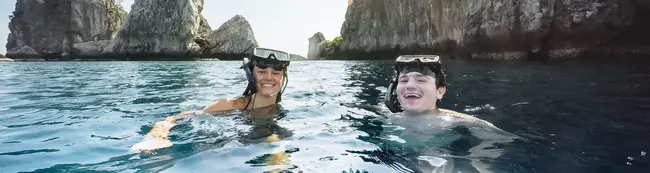
- Kayak around the beaches and islets in Southern Thailand
Fall Programs Now Live!
Video and Photos


Diversity & Inclusion 💙
BIPOC Support
LGBTQIA+ Support
Neurodivergent Support
Accessibility Support
Impact 🌎
Sustainability
We recently embarked on a Net Positive Benefit project where we are qualifying what impacts our groups have on the local communities, taking into consideration carbon emissions +/- social impacts +/- conservation impacts +/- community impacts. On our programs, students engage with non-profit organisations such as Litter Intelligence, Scholars of Sustenance, Ulu Mau puanui, Llama Pack project where they directly work for a better future - planting trees, eradicating invasive weed species, helping local communities and food banks.