Natural Horsemanship and Wildlife

Hosted by
Natural Horsemanship and Wildlife
- Zimbabwe
About Program
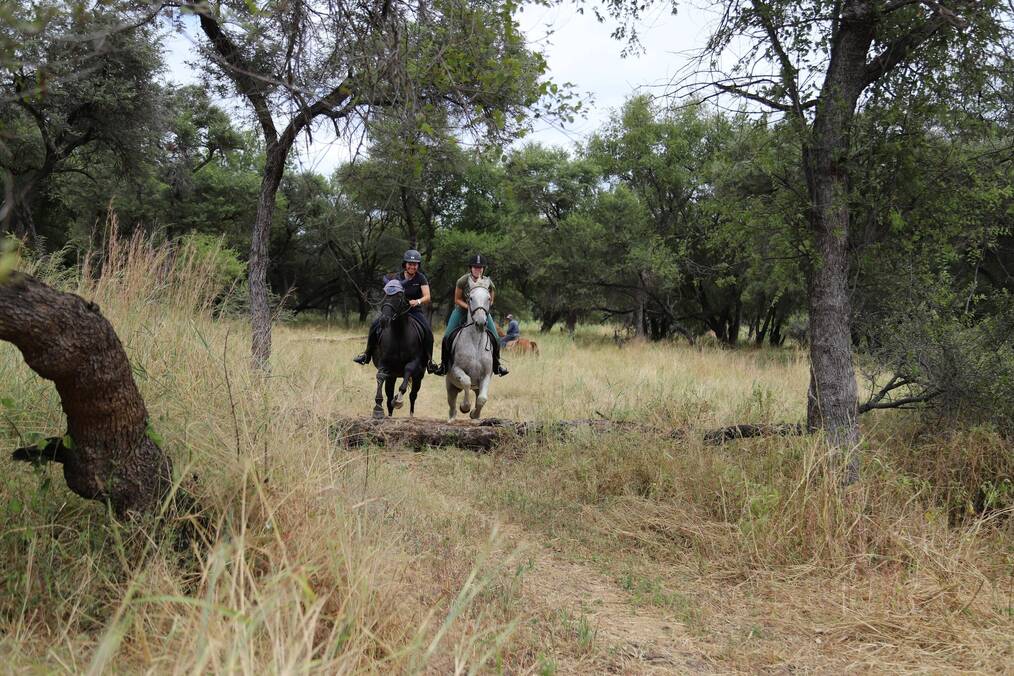
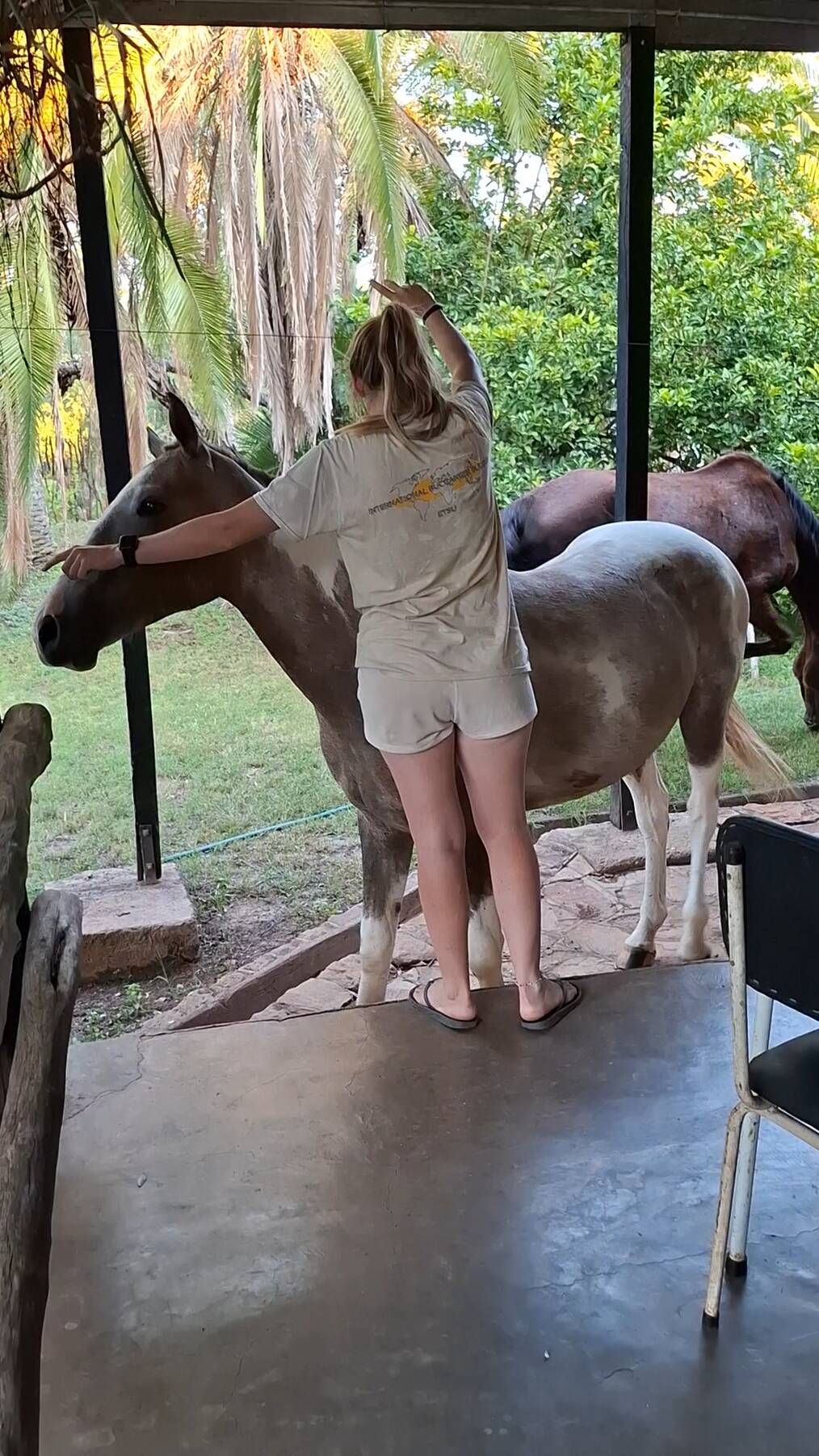
Our Equestrian program is set on our large wildlife reserve close to Bulawayo, Zimbabwe. Our horses are free living, only being paddocked when not well, lame or needed for very early morning rides. Mornings consist of bringing in the horses to the stables for grooming and health checks, after which it's time to work with them.
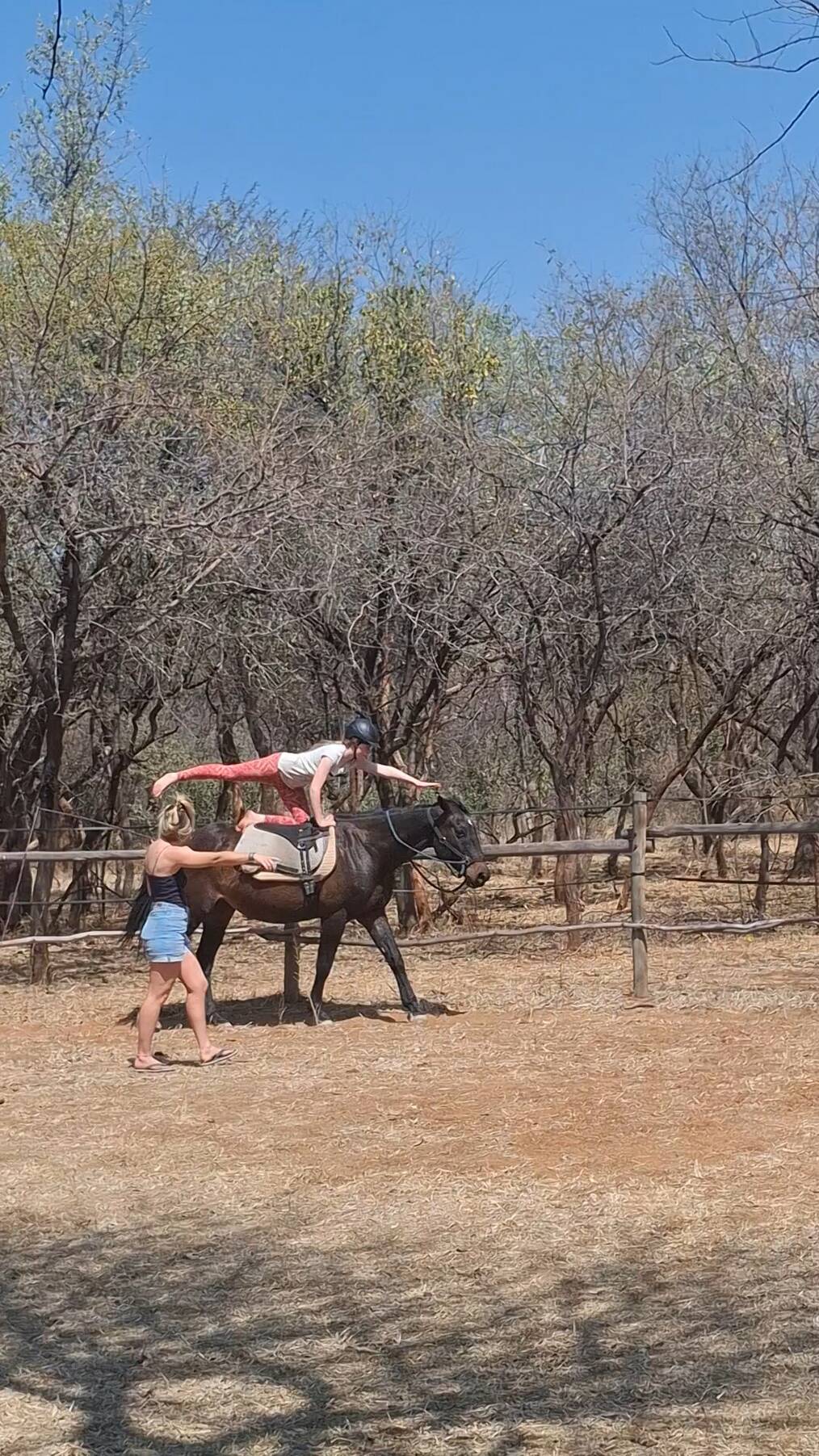
Utilizing natural horsemanship methods is key with all our horses and we are always keen to share and exchange skills. Join us as we work through the process of backing our up-and-coming safari horses, teach others jumping, dressage or work through issues. Round off the morning with a safari ride and see some wildlife!
Afternoons are for more horse work, a safari ride if we missed it in the morning, a session through our cross-country course, or doing some odd-jobs around the stables & arenas.
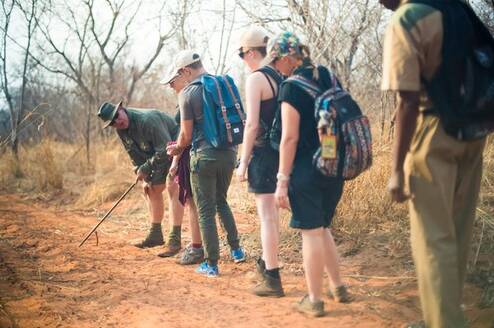
All our volunteers are very welcome to see what else happens on the reserve and where we can we'll include you on other activities.
Program Highlights
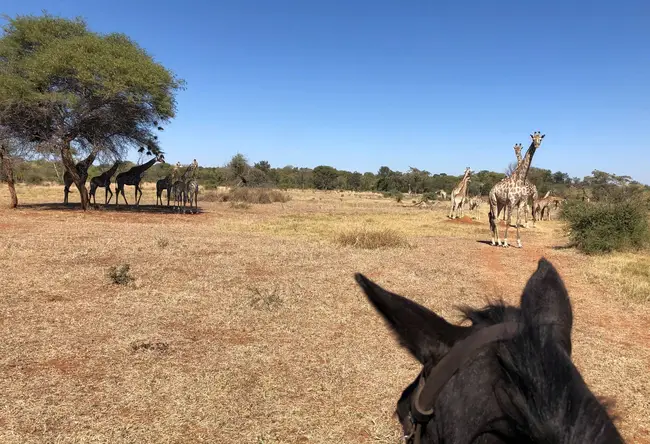
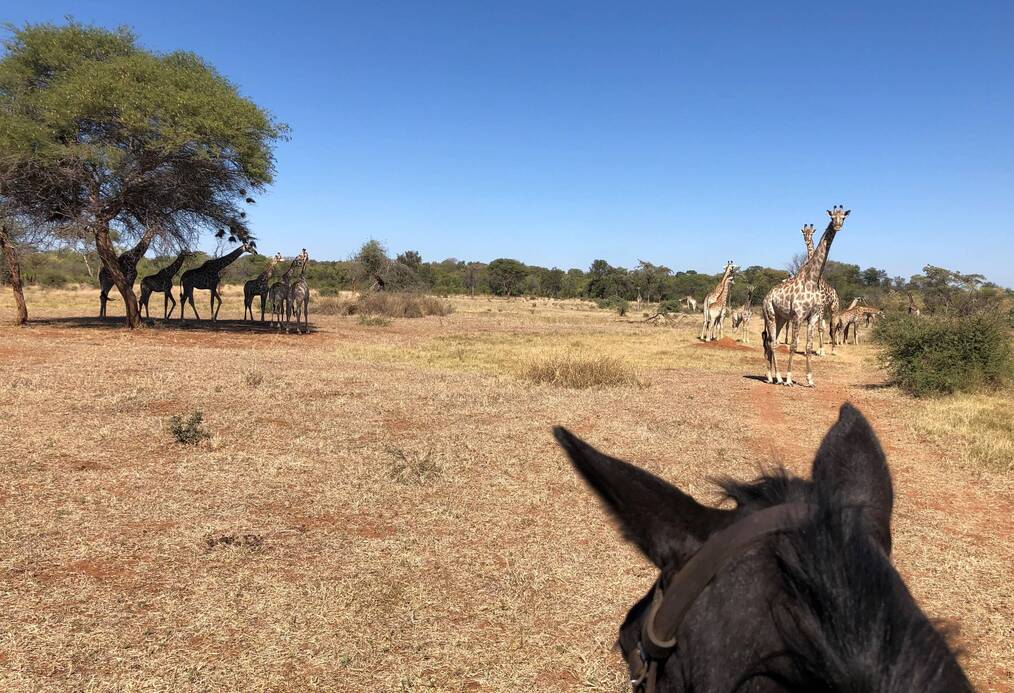
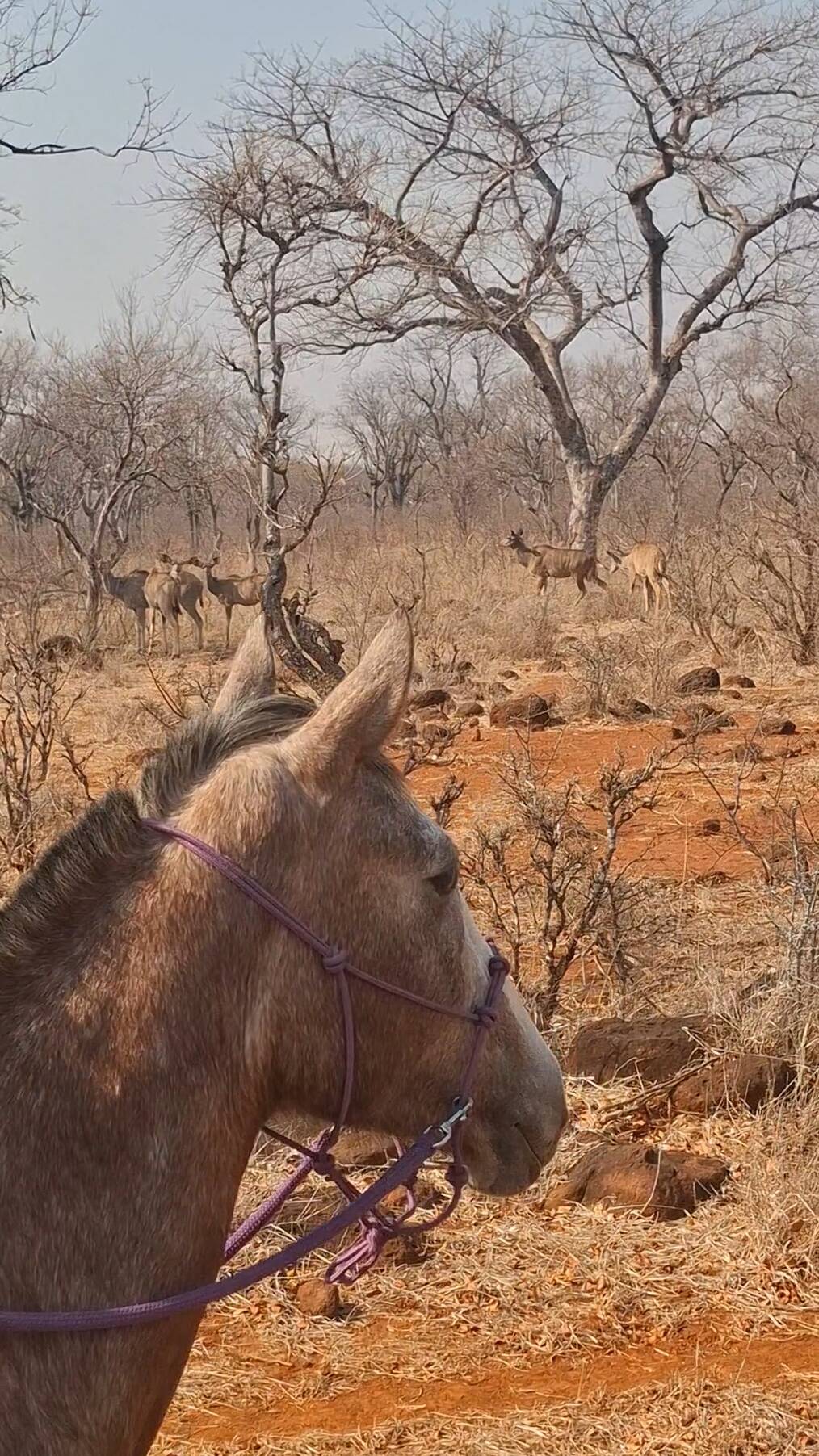
- Ride up close to giraffe and other wildlife. Enjoy the beautiful sunsets and the endless star studded night skies.
- Learn how to check your horses' vital signs and deal with basic medical issues
- Exchange ideas on natural horsemanship practices
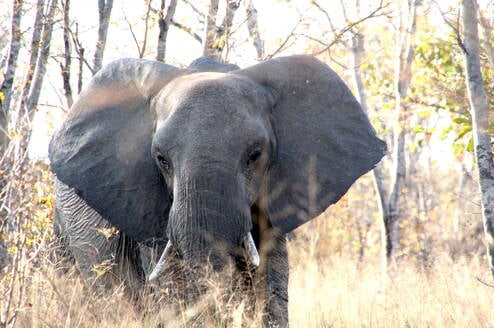
- Camp out in the bush for a night, weather permitting, not far from our nighttime elephant boma. Help out developing enrichment aspects for them and making the boma clean and comfortable
- Be part of our 2nd and 3rd generation family living out here in the African wild.
Video and Photos

Program Impact
All horse work is grounded in natural horsemanship principles, focusing on clear communication, trust, and ethical training. Volunteers may assist with backing young horses, general schooling, and working through behavioral or training challenges under guidance. This approach produces calm, well-trained horses that can move quietly and safely through wildlife areas, minimising disturbance to animals and sensitive habitats. Horseback safaris offer a low-impact alternative to vehicles, enabling close, non-intrusive wildlife viewing while reducing pressure on roads and ecosystems. In turn, this sustainable tourism model directly supports anti-poaching efforts, habitat management, and the long-term protection of the reserve.
Unlike many equestrian volunteer programs, participants are not limited to the stables. Volunteers are encouraged to engage with the wider workings of the reserve and, where possible, join wildlife conservation activities. This provides a deeper understanding of how horses, land management, and wildlife protection are interconnected, offering a rare opportunity to contribute meaningfully to both equine welfare and conservation in a real, working African reserve.
Related Programs

Questions & Answers
Staff Interviews
These are in-depth Q&A sessions with program leaders.