Internships in Guatemala
Internship Programs in Guatemala



About
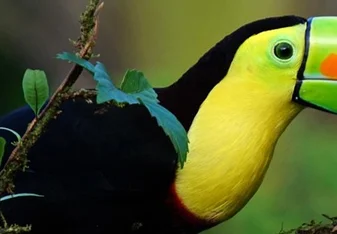
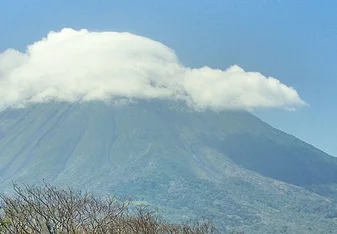
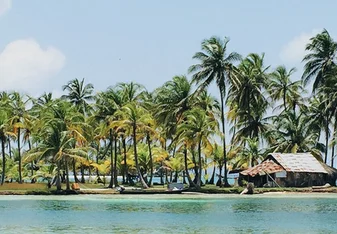
Guatemala is geographically diverse, with tropical rainforests, wetlands, and beautiful beaches, and high rocky mountain areas including over 33 volcanoes (both active and inactive). Recognized as a biodiversity hotspot, the country boasts an array of exotic wildlife including macaws, jaguars, tapirs, howler and spider monkeys.
Unfortunately, Guatemala also faces many social challenges like high illiteracy rates, high levels of crime, poor attendance at schools, inadequate protection of workers by labor laws, employment discrimination, violence against women; and domestic and alcohol abuse, particularly among Mayan ethnic groups.
As such, most internships in Guatemala will focus on NGO work, conservation, and community development.
Photo Credits: Rémi.
Top Industries
Internships in Guatemala can provide tailored work experience, achievement of academic objectives for a college degree, a culture immersion experience or even a valuable gap period for personal development. The vast majority of internships are unpaid, with only very few offering a stipend for minor work-related expenses. Costs vary depending on the agency offering the position, what type of work is involved, and whether there is a requirement for academic credits. Popular locations for internships include Antigua, Guatemala City, Petén (wildlife refuges), and Quetzaltenango.
Although the three broad areas listed here include many internships commonly offered, there are work or study-related opportunities in a number of other career areas. These include eco-tourism/tourism, human rights, law, media and PR, social work, administration and languages.
Animal Conservation: With a rich diversity of wildlife and 19 different ecosystems, Guatemala contains some of the most valuable sources of biodiversity in Central America. Many of the nation’s key wildlife areas are located in the northern Petén area, and are now protected under the wider umbrella of the Mayan Biosphere Reserve. Maintenance of these natural assets is under threat due to deforestation from agriculture expansion and development, wildlife poaching and inadequate funding.
A few Guatemalan NGOs including the Wildlife Rescue and Conservation Association (ARCAS) work to improve conservation of wildlife. These organizations run wildlife refuges and conservation centers in
the Petén area (North Guatemala) and Hawaii area (West Guatemala/Pacific Ocean side). Their work focuses on rehabilitation and conservation of local species including sea turtles, caimans and iguanas,
macaws, jaguars, and monkeys. Internships here would be ideal for those studying veterinary science,
animal science, marine biology, biology, zoology, botany, ecology, or conservation.
Various types of internships are available focusing on veterinary medicine, animal rehabilitation
and animal nutrition. These can provide valuable work and research experience on treating and
rehabilitating many different species, monitoring animal populations, studying animal behavior, and
epidemiology of wildlife disease.
Community Services: There is a great need for social support programs due to widespread and entrenched poverty. This poverty results from many complex historic and cultural factors, including a history of exclusion, repression and social/economic disadvantage for some groups.
There is a long-standing and extreme imbalance of income and land ownership. It is estimated that 42% of the nation’s total income is received by less than 10% of the population (2006). Land distribution is also concentrated in the hands of a small proportion of elite owners, a phenomenon dating back to the colonial era. Earning capacity of the poor is thus severely limited in the current economic and social environment. Public underinvestment by the government and households, in education, nutrition and health has contributed to the maintenance of high poverty levels.
In rural areas, extreme poverty is more common, especially amongst indigenous groups. The geographic nature of the country results in many pockets of rural isolation, which prevents ‘true’ physical unity of the country and exacerbates the social exclusivity of some groups.
A number of NGOs operate in Guatemala to provide a range of social services. Many of them focus on capacity building, training and improvements in literacy. Their programs may include teaching children, working with the disabled, daycare programs, microfinance education, housing construction, working with abused women and children, amongst many others.
Healthcare: Western-style healthcare quality and accessibility is far more limited in rural than in urban areas. Modern healthcare practitioners reportedly shun remote areas due to either the lower income potential from poorer clientele or discrimination against indigenous groups. This leaves poorer parts of the population with few healthcare options.
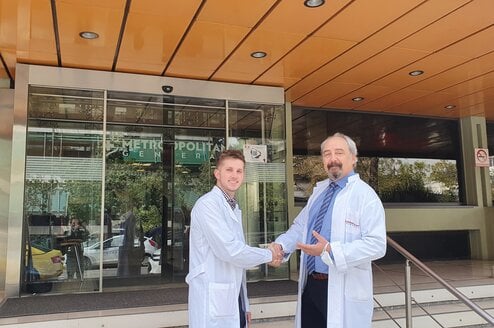
Health clinics operated by NGOs, often in remote and rural regions, offer opportunities for med school students (Years 1-4), premed and nursing students to work with experienced doctors and nursing staff. The work of the intern will vary depending on the level of experience and competency, personal traits and proficiency of Spanish. It may include work with mentally or physically disabled or institutionalized people, providing general medical check-ups, shadowing a trained doctor or nurse, depending on what project is available.
Planning Your Trip
Many programs offer college level credits for course related intern positions starting in Fall each year, with applications required well ahead (up to 12 months prior). Other programs can have a one month or more period of application assessment for their positions. Assessments for positions may often require a detailed resume highlighting relevant experience and education, a detailed questionnaire, interviews by phone or by Skype.
As Spanish is the official language of Guatemala, most agencies offering intern positions, recommend an initial period of language school attendance for new interns lacking Spanish proficiency. These schools are often available in larger cities such as Antigua or Guatemala City, where interns can spend several weeks learning intensively before commencement of the core part of their internship positions.
Intern programs can run for various time periods from a few weeks to 6 months or longer. Typically, a program of 9-12 weeks is common for self-funded internships.
Cost of Living in Guatemala
Cost of living is generally much lower than in European countries or the USA. Prices listed below are a guide only and in US dollars. Vegetables and fresh produce cost very little although meat may cost
comparatively more. Total groceries may cost $80-$100/mth; car fuel ($3-4 per gallon); house utilities
including gas, telephone, internet and TV may cost $80-90/mth.
Accommodation can vary in prices from $100 per mth for a rented room in a shared house, up to
$300 per mth for a small unfurnished apartment, depending on location. Many agencies offering an
internship will be able to organize ‘homestay’ or guesthouse accommodation at a relatively low cost.
Eating out at McDonalds may cost between $3-7 per person, while eating at a high quality restaurant may cost $30-35. Beers cost around $2 and coffee around $1.50. Language lessons may cost $5/hr (class learning); $100 per wk for 20hrs tuition. Individualized tuition will cost more.
Work Culture in Guatemala
- Etiquette: It is customary to address Guatemalans with their correct title. For professionals this would be for example: ‘Profesor’, ‘Doctor’, ‘Ingeniero’ (for an engineer) or ‘Abogado’ (for a lawyer), without adding their last name. For non-professionals, it is polite to address colleagues and associates with the applicable title of ‘Senor’ (Mr.), ‘Senora’ (Mrs.) or ‘Senorita’ (Miss). Most Guatemalans have two surnames, one from their father, which is listed first, and one from their mother. Use only the father’s surname when addressing someone. Other important tips for correct etiquette include:
- Do not be late for meetings as Guatemalans prefer punctuality.
- Handshakes are normal when first meeting someone but may not be firm as the custom is in some Western cultures. A greeting of ‘mucho gusto’ (meaning ‘pleased to meet you’) accompanying your handshake is also considered polite.
- As Latino society can be more formal than elsewhere, it is probably best to dress more conservatively until you can assess what the normal dress standard is, although certain internships will obviously require specific clothing e.g. medical internship. While the climate is often warm and tropical, shorts and t-shirts may not be appropriate attire.
- To maintain polite discussion with Guatemalans on first meeting them, avoid discussions on sensitive issues such as politics or internal problems and keep to general topics such as the country’s natural beauty, interesting culture etc.
- Do not talk loudly and avoid using hand gestures as these may potentially be offensive. Guatemalans have their own specific gestures for greetings which should be learned rather than using one from your own culture.
- Lunch is the main meal of the day and is often held at noon during the working week.
- Language: Moderate to proficient Spanish would be useful in making your internship effective. Some positions will require this level of language skill as a pre-requisite. This is particularly true for work involving detailed translation of Spanish or communications with local people.
While some positions state that no Spanish experience required, there will often be a recommendation for an initial intensive language course to help improve Spanish language skills before an intern position commences.
Work and Labor Laws in Guatemala
The normal working week for Guatemalans is usually Mon-Fri as well as a half day on Saturday for some areas of work. Some intern positions are expected to only work during weekdays but the exact
expectations for an intern working schedule should be clarified before acceptance.
Travel Safety Tips
Guatemala is a country troubled by high crime rates and unlawful behavior. Visitors should be careful in all regards during their time here. To avoid being targeted for theft or other criminal activity, it is recommended to travel in organized groups and never travel between cities or towns after dark. Do not attract unnecessary attention by wearing expensive jewelry, watches, cameras, fanny bags, money belts or use mobile phones or laptops openly. Do not ride low-priced public buses as these are poorly driven and targeted by criminals. Carry several color copies of your passport to use when necessary, as your passport should be carefully hidden in a secure place at all times. It is generally better to avoid standing out as a tourist or travelling alone, especially for women.
In rural areas, people may be more wary of strangers. As child abduction is considered a real threat, avoid taking photographs of children or any activity that may be misinterpreted as suspicious behavior.