Why did you choose this program?
After spending my senior year alone, in my room, completing school online, I was needing community and an immersive learning environment. The program was centered around those two themes in addition to a strong emphasis on nature, mindfulness, and creativity. Knowing there would be exploration and collaboration, I was feeling confident that I would be challenged and invited to grow in the areas of my life I wished to develop.
What did your program provider (or university) assist you with, and what did you have to organize on your own?
The program provides room and board, and transportation during the program. They also provide camping gear, PFDs, and dry bags. I had to organize my travel plans to and from Maine. Also, students are required to bring bedding, sleeping bag, and outdoor, weather-appropriate attire. Seguinland Institute offers assistance in transferring credits through the University of Maine Farmington, but in my experience, additional communication on my end was needed to add those credits to my school's records.
What is one piece of advice you'd give to someone going on your program?
To enter this experience with an open mind and heart. Allow the program's ethos to naturally unveil itself, and invite its energy into your body for the time you are here. The program works because of enthusiastic participation by students and an authentic, caring staff. Be curious, ask questions, challenge when you are feeling called, but leave inherit skepticism and expectations at the bridge of the island. Let yourself be immersed and transported into the present moment.
What does an average day/week look like as a participant of this program?
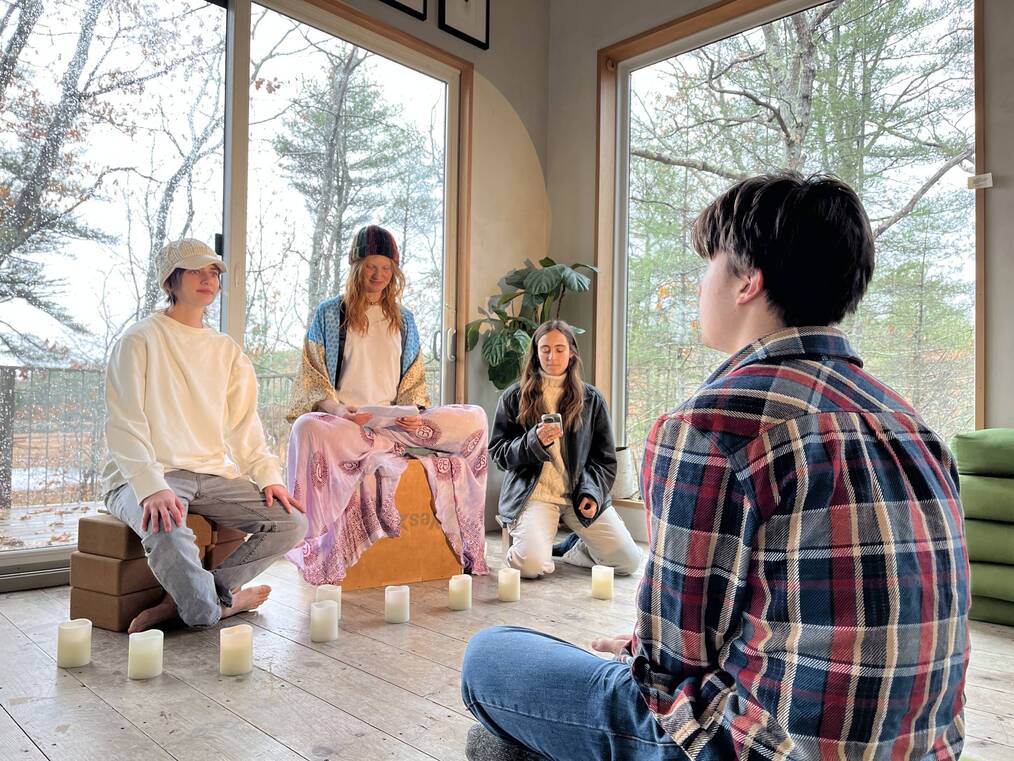
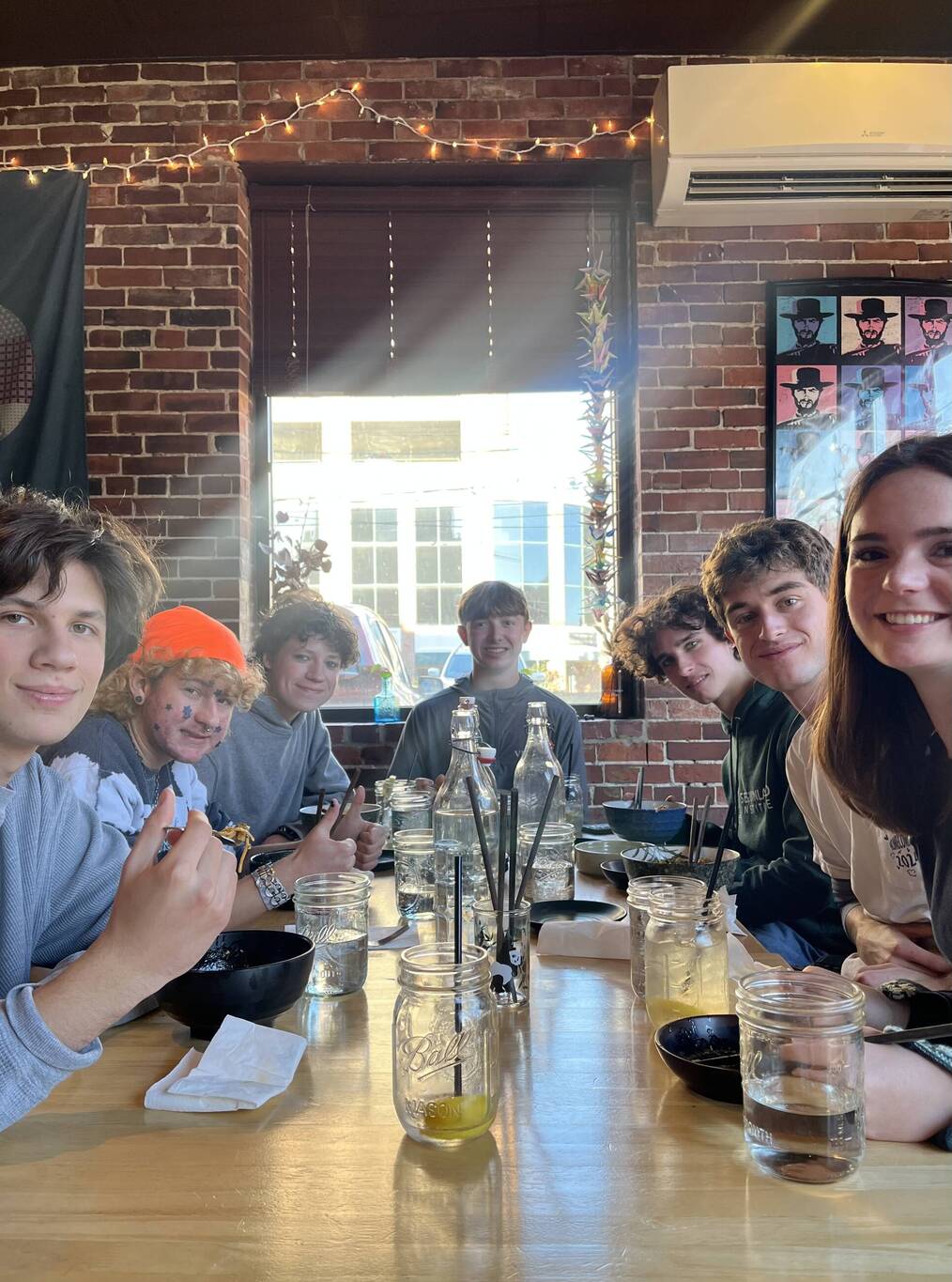
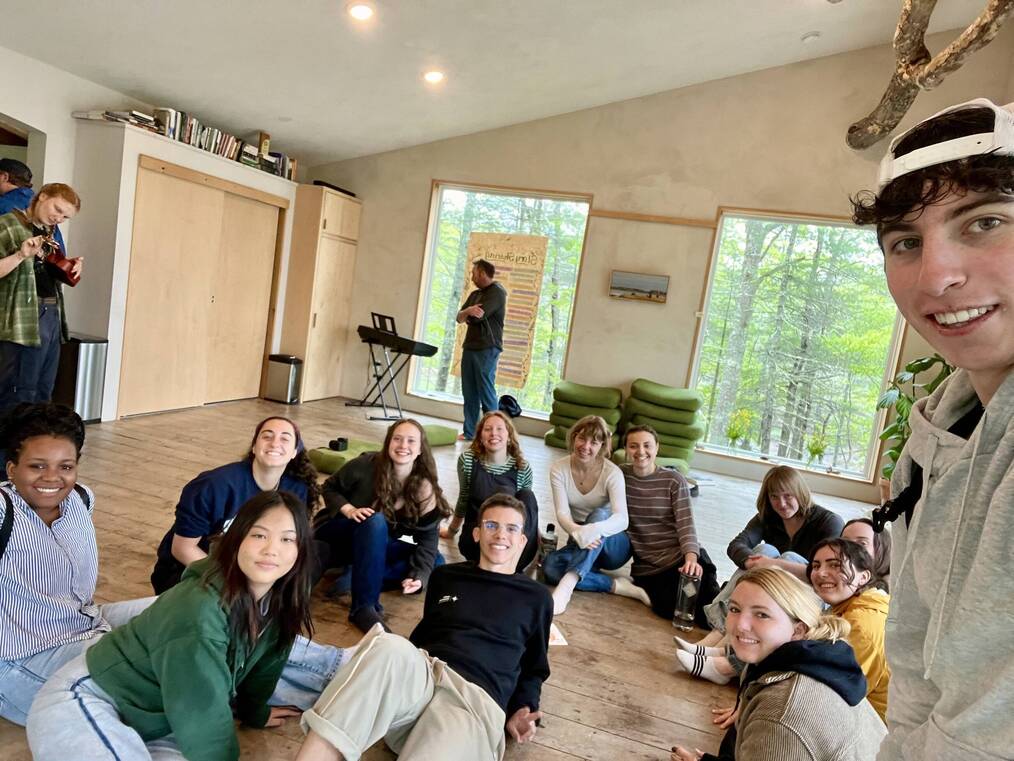
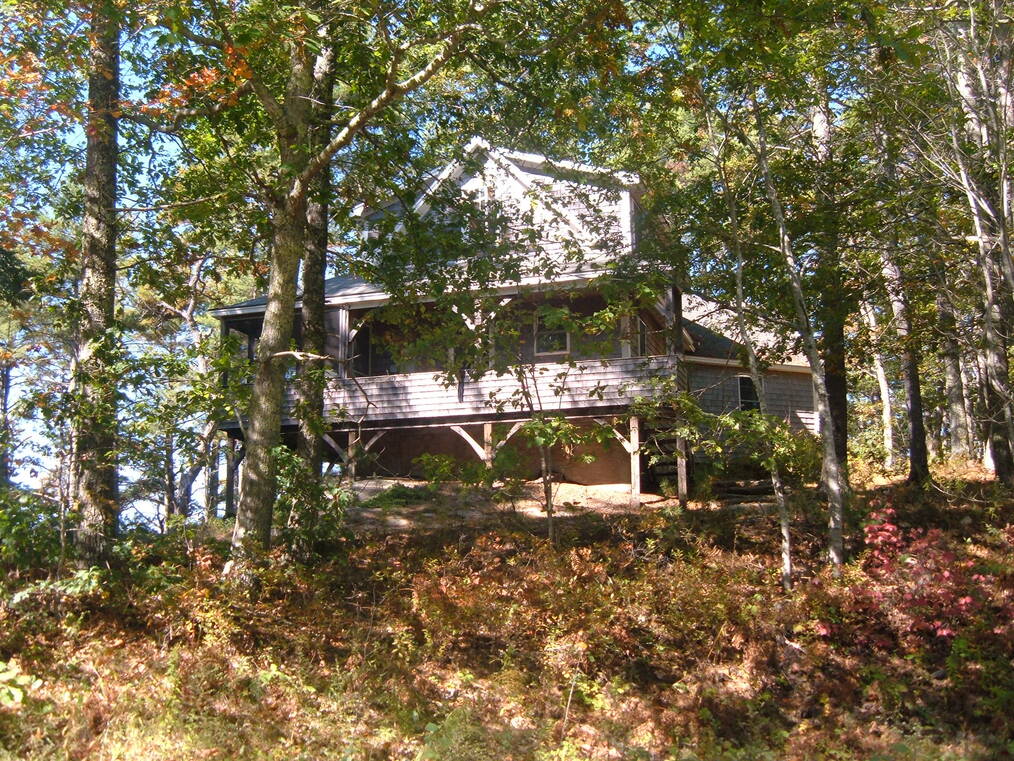
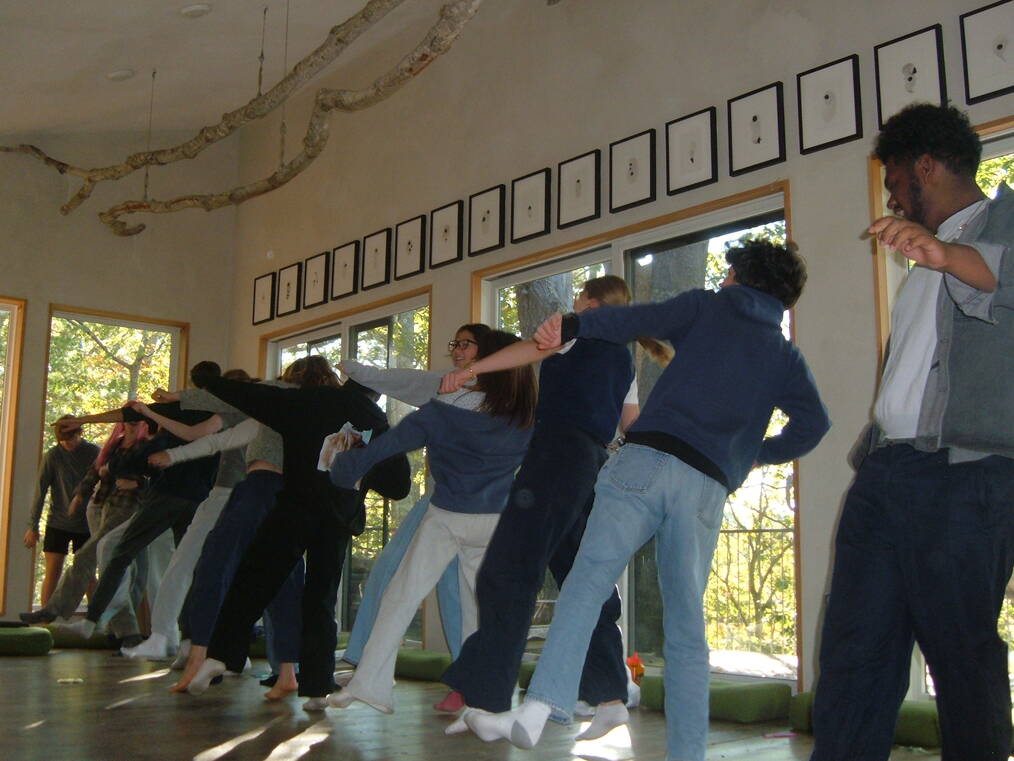
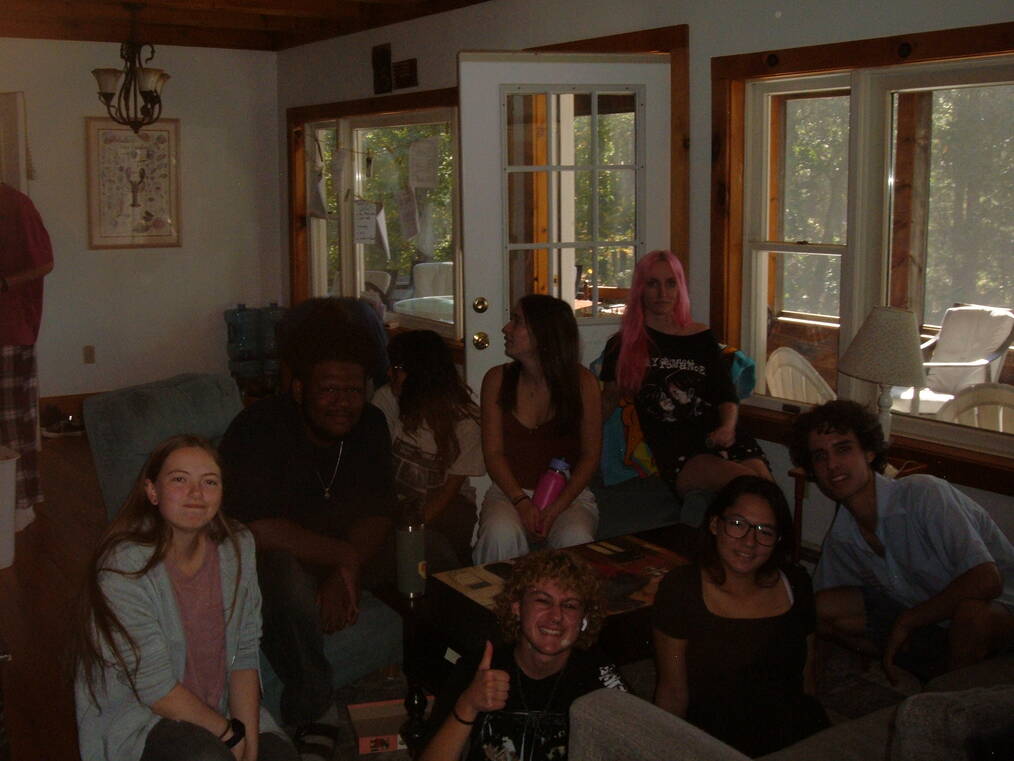
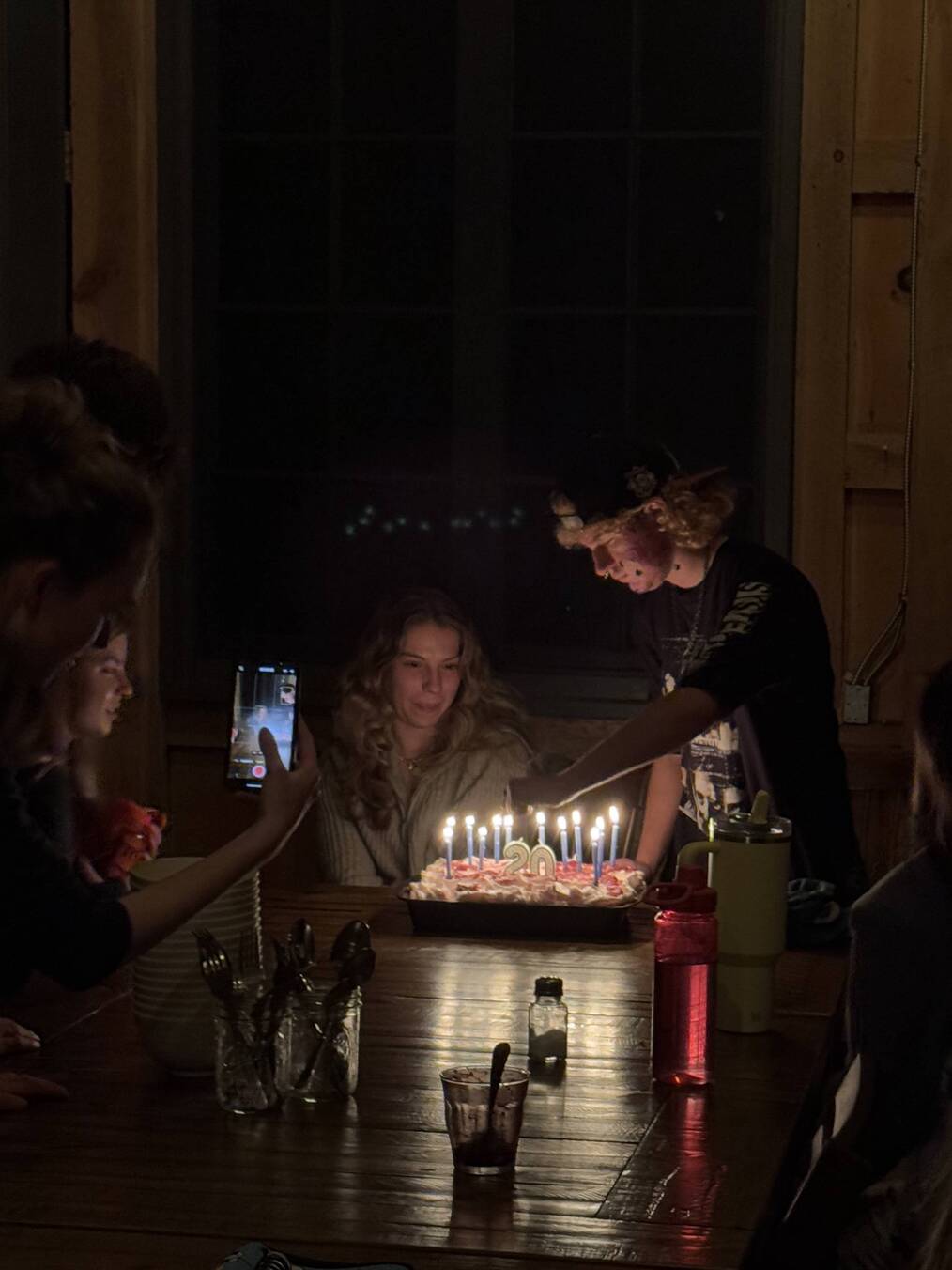
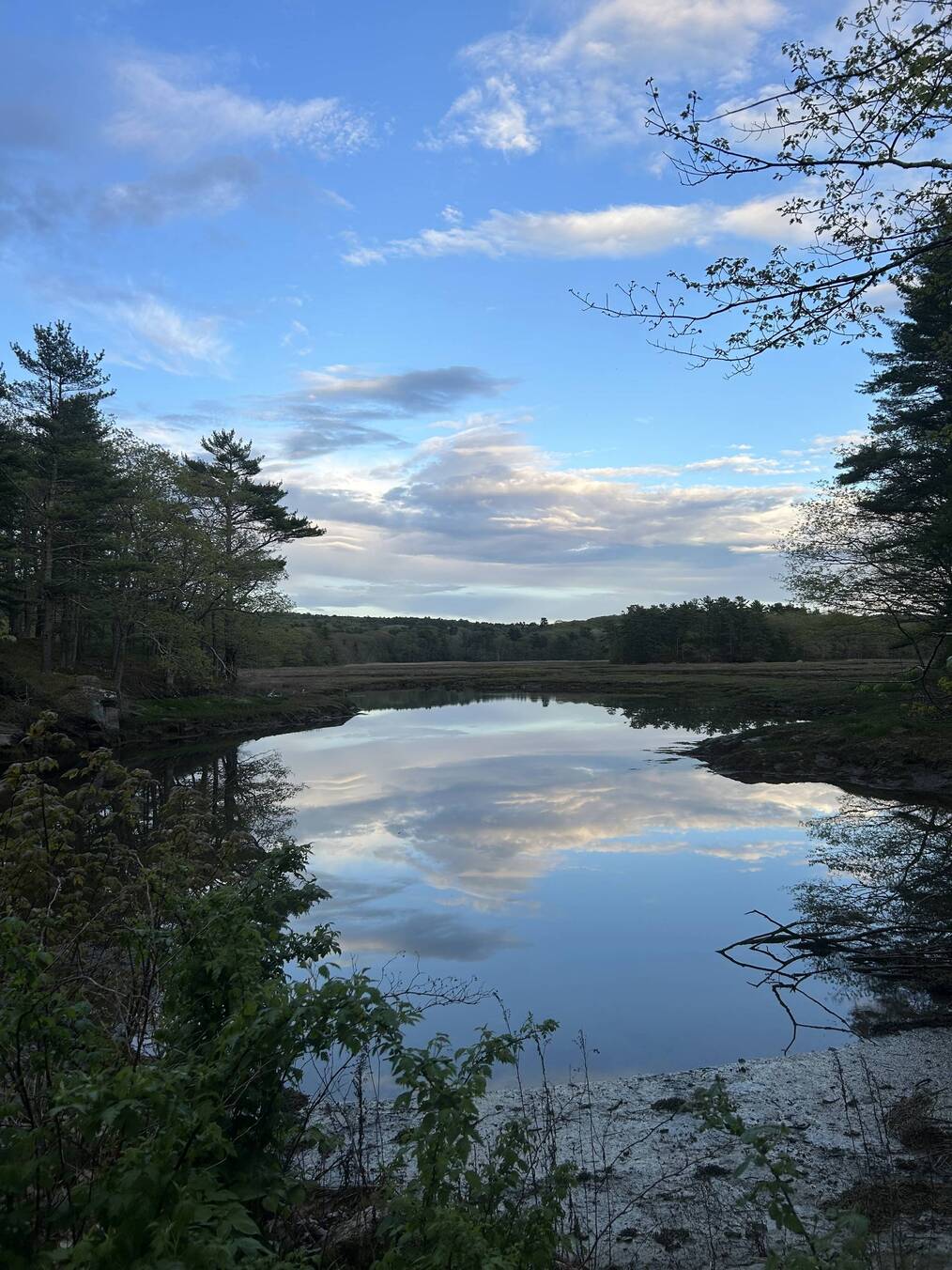
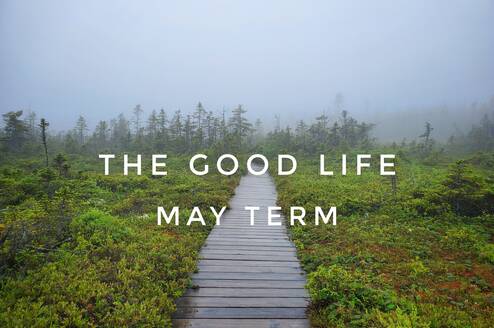
Days begin in quaint communal cottages with breakfast. Students cross the serene marsh over a wooden foot bridge to the other side of campus where the treehouse classroom awaits for them. The mornings start with a mindfulness practice, either doing yoga, or a staff led walk/activity. Class begins directly following, often co-led by students with ample discussion and collaboration. Lunch breaks up the day with options to return to cottages, or cook and eat together in communal "Cookhouse". Afternoons are usually centered around experience, whether that be in the treehouse "Gathering Space", in the forest on campus, or an adventure out into the community. Late afternoons are reserved for independent time for students to complete work for class, make art, take time for solitude or online appointments, or simply enjoy the company of friends. Dinner prep typically begins at 4pm with students rotating through different "crews" that support the nightly gathering. Group dinner happens at 6 pm followed by cleanup and usually (optional) dancing or games! Students have the rest of the night to do as they please, many choosing to spend time together in various ways.
Going into your experience, what was your biggest fear, and how did you overcome it? How did your views on the issue change?
The uncertainty of the experience was definitely a point of fear and stress. Not knowing where exactly I would be, who I would meet, and precisely what I would be doing was intense for me. This was also my first time ever leaving home. Additionally, I had very high expectations of myself to succeed and be accepted. I have come to understand these to be unhealthy anxious patterns of thinking, but often times, they are natural to the human experience when challenging yourself. When actually arriving to Seguinland, I was immediately met with support and openness. I quickly found comfort in the similar souls around me both in peers and in the staff. The community is built on care an acceptance. It became easier to jump into the unknown when not only did I deeply trust those around me, but I also begin the life-long process of trusting myself. I now lean into the unknown, recognizing that there is beauty in being unaware of the magic and goodness that awaits for you. I also have learned to try and release myself from unrealistic expectations, and lean on others when you need it.
What is it like to live in a rural area with a low-tech mindset?
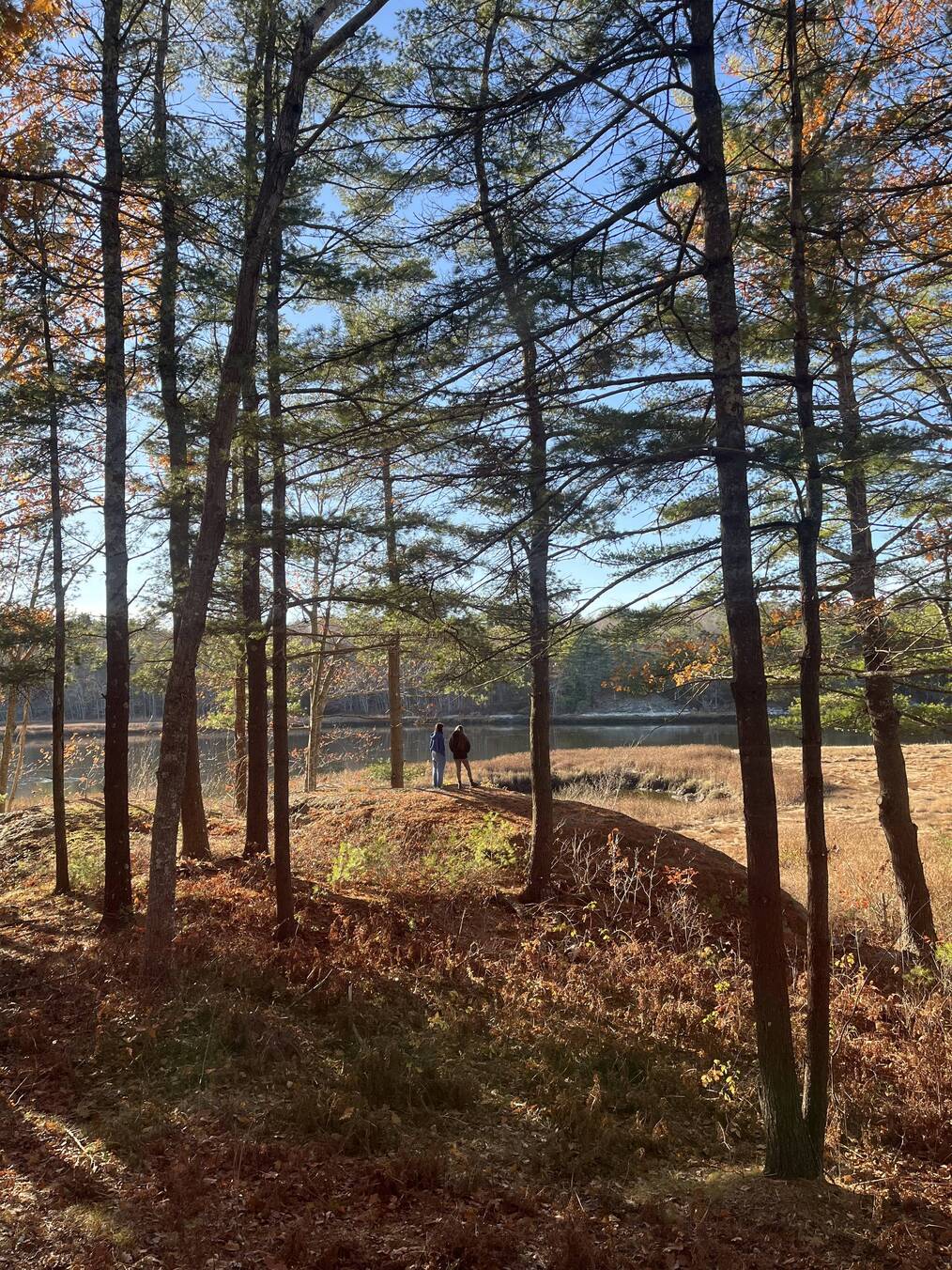
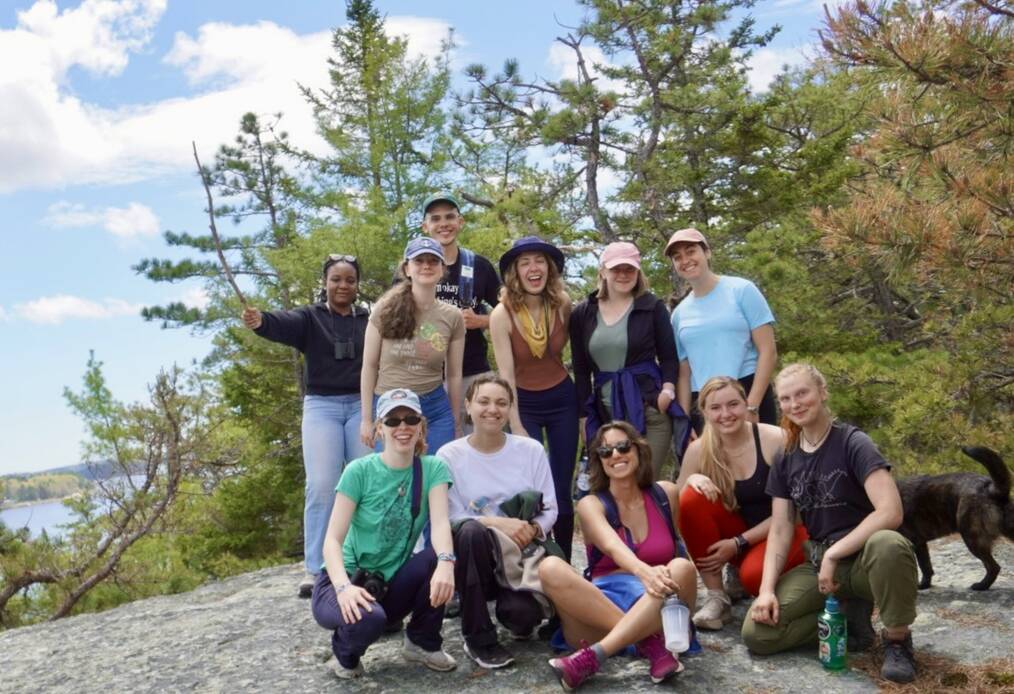
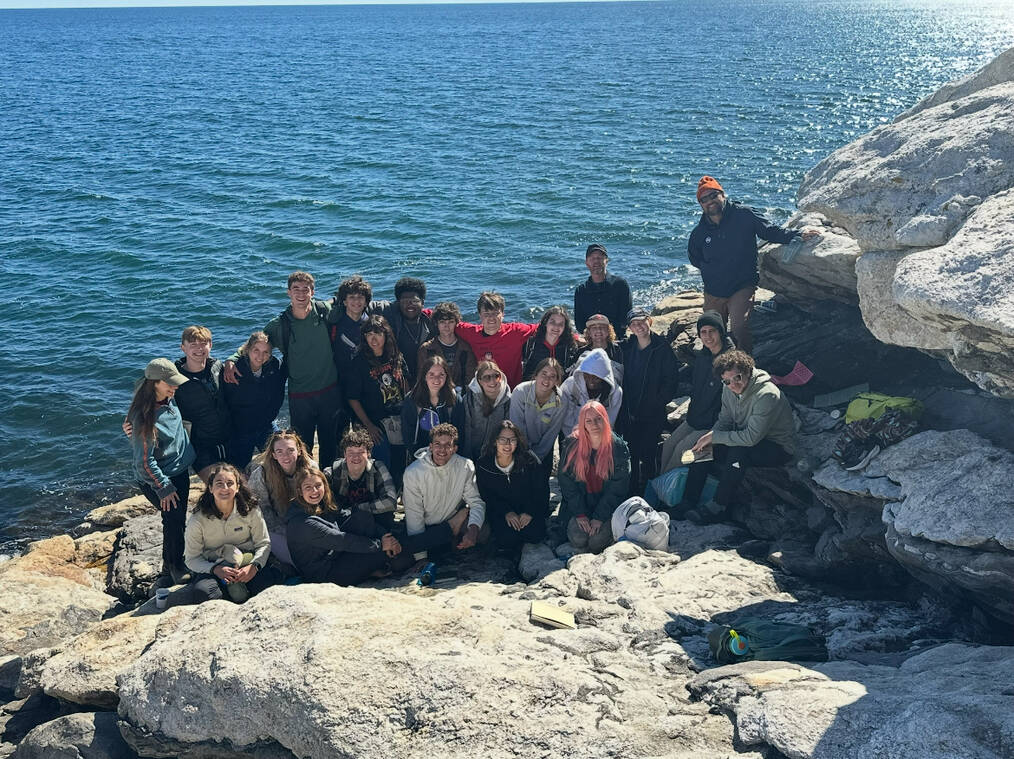
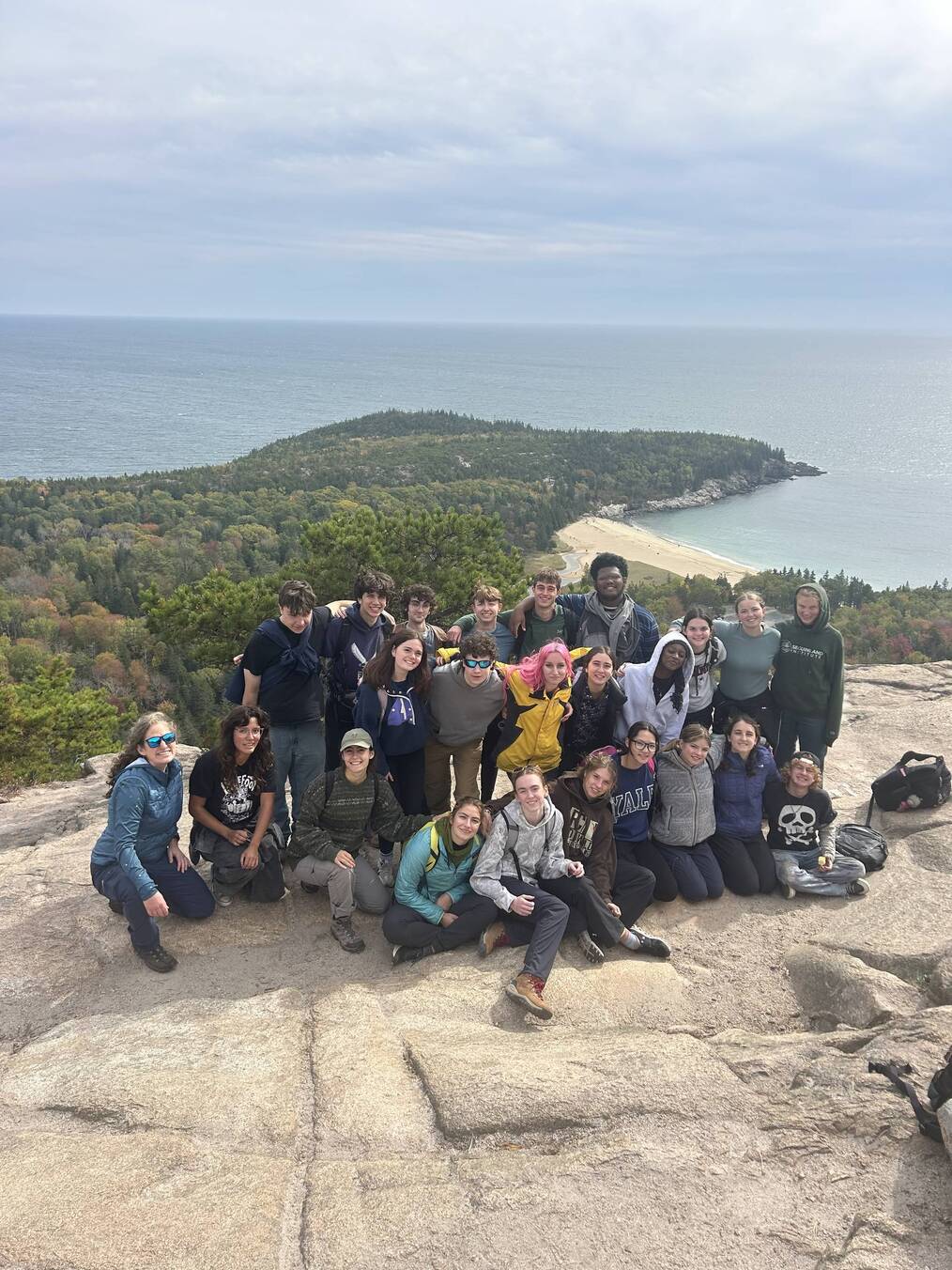
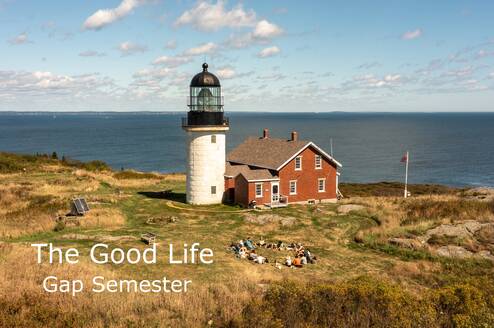
Living on the coast of Maine is truly a unique and tranquil experience. I felt so fortunate to not only have beautiful and dense forests to roam, but also a flowing river, powerful ocean, and tidal marsh to connect with. The wildlife is ample with various birds, seals, deer, and squirrels as your neighbors. The land allows time for restful reflection while also being the perfect landscape to connect with friends. Having the community agree to reduce the amount of time centered on technology, creates an inherit bond and interest in one another. People are able to be more present with themselves, each other and their surroundings. It is a habit and lifestyle I have carried forward with me.