Kenyan Water Project

Hosted by
Kenyan Water Project
- Kenya
- Nairobi
- Rwanda
- Kigali
About Program
ITF USA aims to reduce school absenteeism and water scarcity and to improve health, sanitation, and economic outcomes for rural communities in Kenya and Rwanda through our Water Kiosk program.
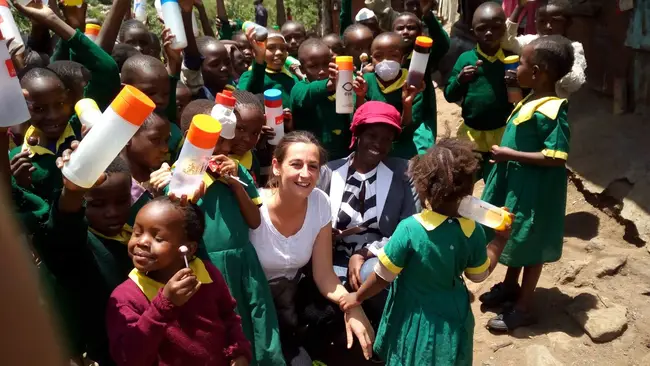
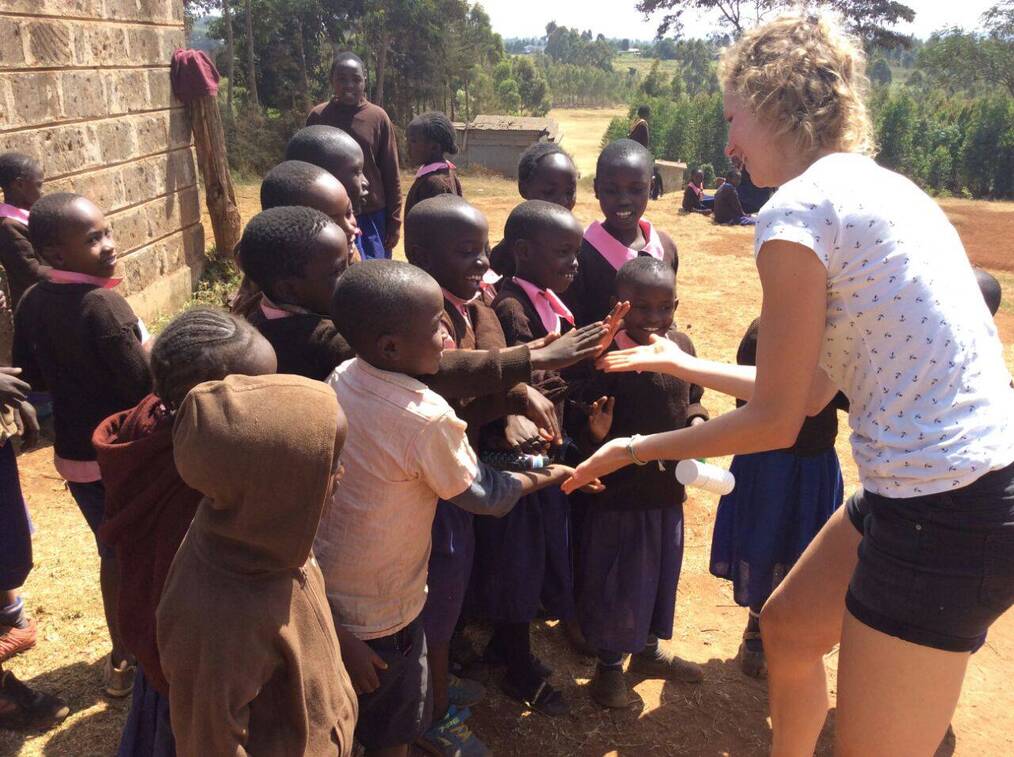
A Water Kiosk at School is a school-based, student-managed business that helps students sell clean tap water to community residents at an affordable price. This project involves working with a community school to set up onsite water kiosks with sustainable products, allowing students to transport tap water from school to their homes. Volunteers would work with a community to facilitate the construction, education, and maintenance of a water kiosk, engage with school children and community members, monitoring and evaluation programs, and help produce a launch event for a community learning and celebration session after project completion.
Program Highlights
- Eligible for internship
- Community engagement and hands on experience
- Opportunities for tourist activities such as safaris, beach trips, and cultural center visits
- Program created by Kenyans for Kenyans, ethical and sustainable
- Start dates year round
Video and Photos


Program Impact
In East Africa, many communities do not have access to clean and affordable tap water systems. This forces school children to walk long distances to fetch water for their families, leading to absenteeism and school dropouts. The lack of clean and affordable tap water systems exacerbates this issue, highlighting the urgent need for sustainable solutions. By providing the entire community with clean drinking water, students no longer have to leave class to travel long distances to collect water from remote wells or rivers. This reduces the risk of waterborne illnesses and ensures that students can focus on their education. These school-based water kiosks become the main source of clean water for all households. The multiple benefits associated with a water kiosk at a school for students and community members include: income opportunities, improved sanitation and health, education and capacity development, socioeconomic opportunity, environmental protection, and increased well-being.