Regenerative Agriculture & Food Systems Volunteering in Kenya

Hosted by
Regenerative Agriculture & Food Systems Volunteering in Kenya
- Kenya
About Program
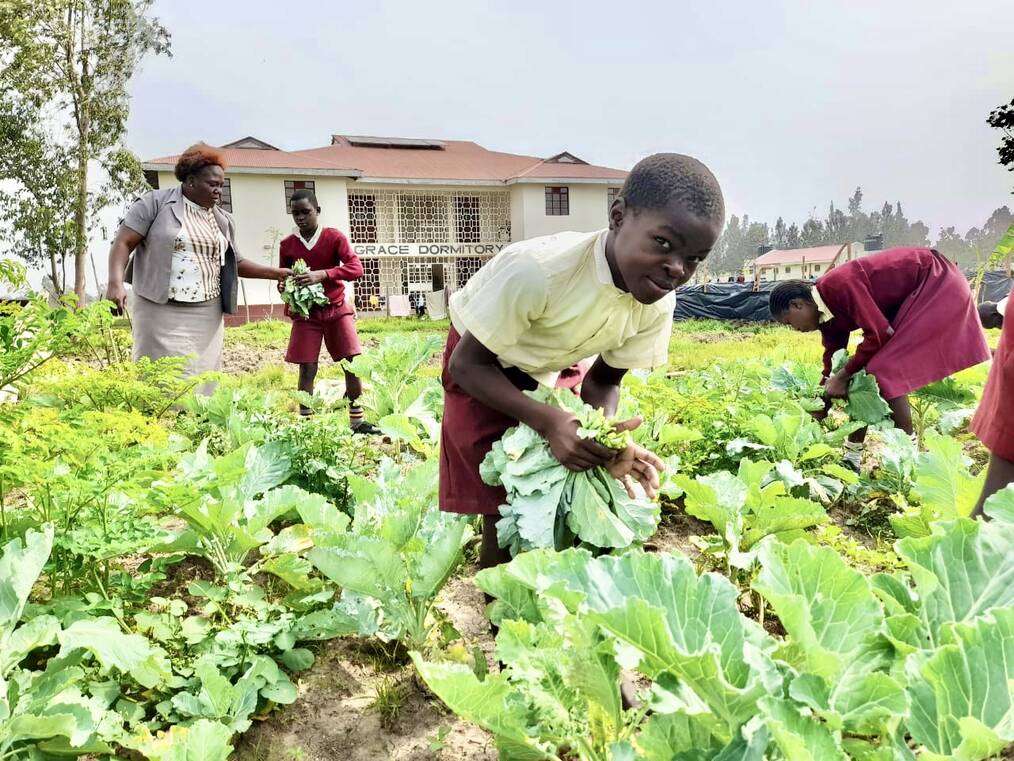
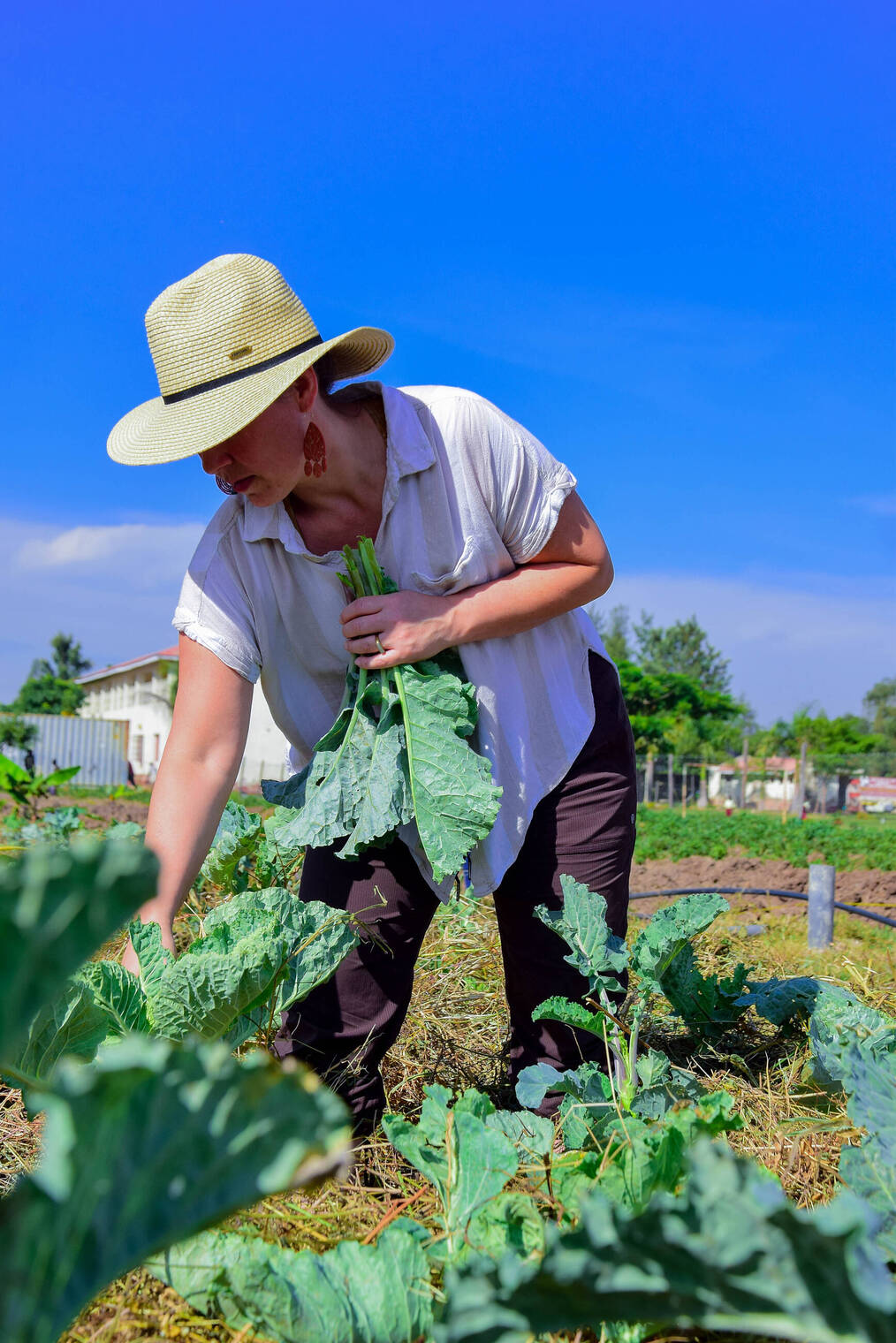
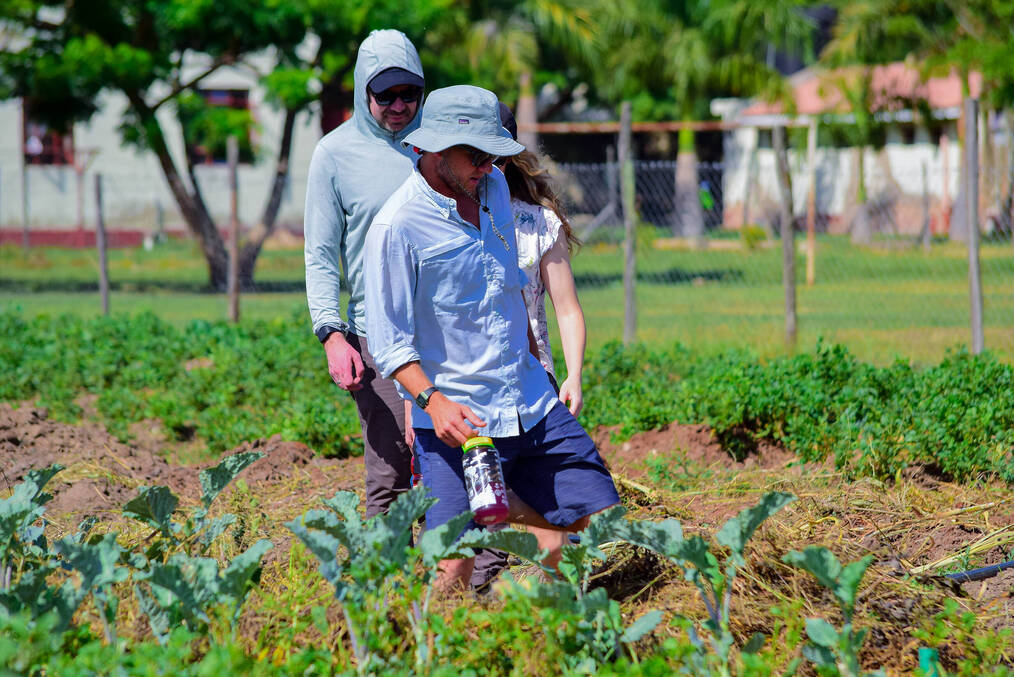
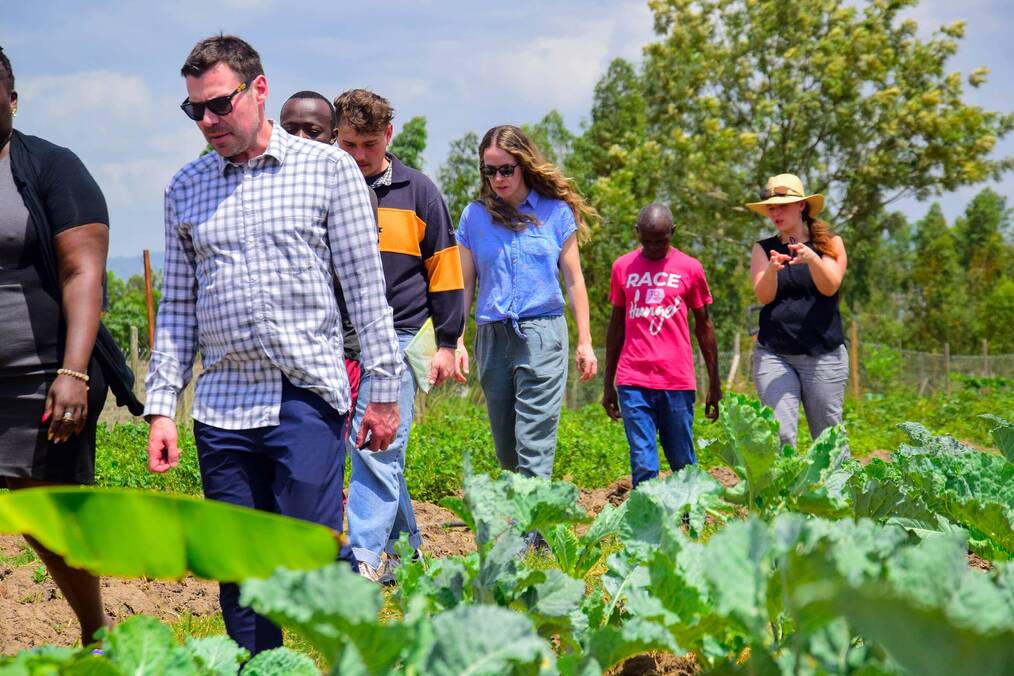
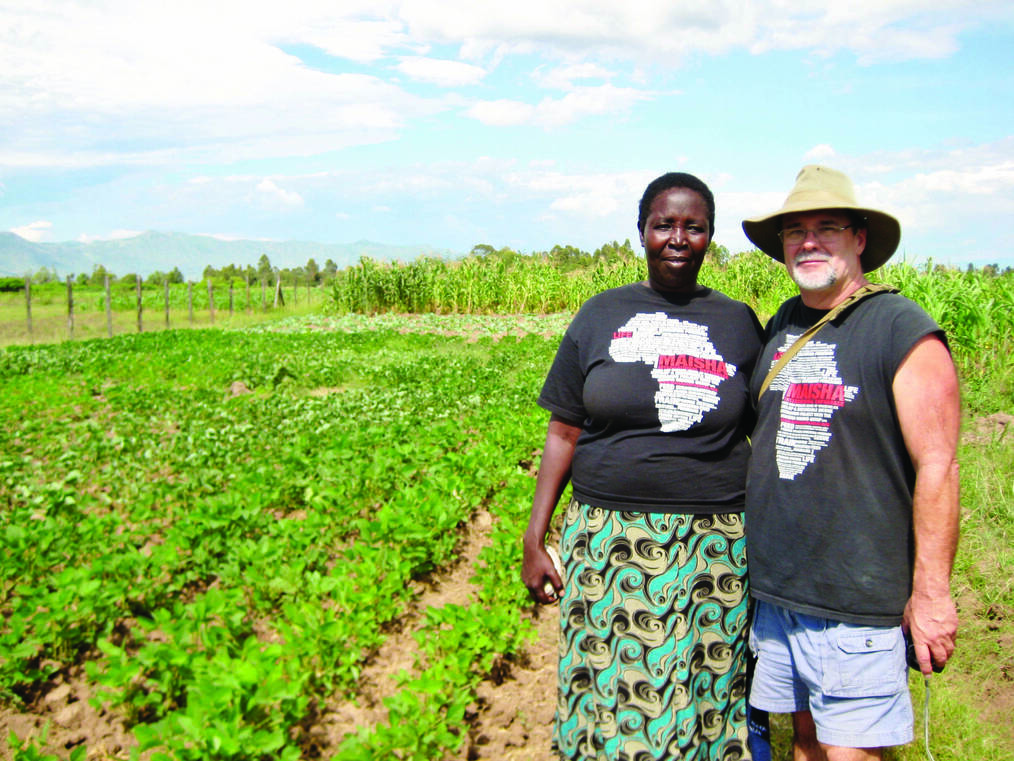
This agriculture volunteer program offers hands-on exposure to regenerative farming and integrated food systems at Maisha Academy in western Kenya, where agriculture directly supports school meals, nutrition outcomes, and youth livelihoods. Volunteers spend the majority of their time working on Maisha’s on-campus agroforestry farm alongside Kenyan farm managers, agribusiness trainees, and staff, engaging in daily field activities tied to real production cycles. Participants learn how regenerative crop systems are designed, maintained, and operated within a school-based food system, while gaining contextual exposure to tilapia, poultry, campus kitchens, partner school food distribution, and vocational agribusiness training. Rather than short-term farm tasks, this experience emphasizes systems thinking, consistency, and learning within a functioning regenerative operation. It is ideal for students and early-career professionals interested in sustainable agriculture and food security.
Video and Photos

Program Highlights
- Daily hands-on farm work within a regenerative agroforestry system at Maisha Academy
- Learn how farm production directly supports school meals and nutrition outcomes
- Observe integrated food systems including poultry, tilapia, kitchens, and school food distribution
- Engage with Kenyan agribusiness trainees through peer-to-peer learning and supervised fieldwork
- Located near Lake Victoria with optional cultural and regional excursions
Program Impact
This 10 day regenerative agriculture volunteer program supports a school-based food system that produces thousands of meals annually for students at Maisha Academy and partner schools in Kisumu County. The on-campus farm supplies fresh produce directly to school kitchens while serving as a training site for youth enrolled in agribusiness vocational programs. During a typical placement, volunteers contribute to daily farm operations, observe food distribution to partner schools, and engage with integrated systems designed to improve food security, learning outcomes, and climate resilience. Volunteer participation strengthens long-term, locally led agricultural and nutrition systems rather than short-term outputs.
Related Programs

Questions & Answers
Location
Kenya is a middle income country, which often comes to a shock to tourists who expect to see a wildly impoverished and unruly country. Following their Independence from British colonial rule, many Kenyans started seeking business ventures alongside the growing tourism, which is even more present today. From the incredible wildlife on land and underwater, you will have a lot of activities that show you the natural beauty of Kenya.