Global Health in Mexico

Global Health in Mexico

Location
  • Mexico
    • Puerto Escondido
    • Oaxaca
Length
4 to 10 weeks
Industry
Biology Education Healthcare International Business International Relations Life Sciences Nursing Public Health Public Policy Social Work Sustainable Development +1
General grants/scholarships
Health & Safety

Program Details

Compensation
Unpaid
Timeframe
Academic Year Fall J-Term Maymester Spring Spring Break Summer Winter Year Round
Housing
Host Family
Language
English
Weekly Hours
40

Pricing

Starting Price
2975
Price Details
Please visit our website for full pricing of all programs.
What's Included
Accommodation Some Activities Airport Transfers Some Meals SIM cards Travel Insurance
What's Not Included
Some Activities Airfare Some Meals
Apr 29, 2026
May 05, 2026
9 travelers are looking at this program

About Program

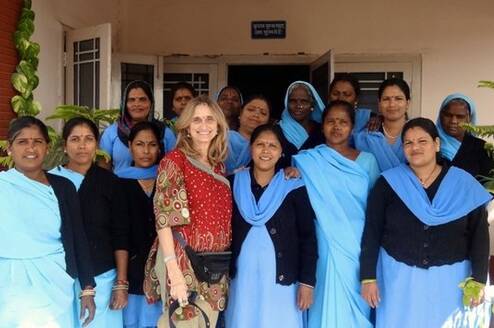
As a CFHI participant, you will dig deeper into the healthcare system and culture of Oaxaca. You will observe how local healthcare professionals are addressing the challenges of literacy, sanitation, unemployment, and access to healthcare. You will live with a host family and take Spanish classes. The following programs will also provide you with unique insight and cultural competency for serving the growing Mexican immigrant population in the US and abroad:
- Global Health in Mexico, Oaxaca
- Global Health in Mexico, Puerto Escondido

*We also offer Intensive Beginner Spanish & Global Health in Mexico - see separate listing for details!

COMMUNITY REVIEWS SUMMARY

Participants value the program’s blend of clinical shadowing, cultural immersion, and tailored Spanish classes, highlighting supportive staff and meaningful local connections.

Video and Photos

Diversity & Inclusion 💙

CFHI is deeply committed to supporting BIPOC participants in our programs, building our programs and operations from a basis of anti-oppression, anti-racist, and anti-colonial approaches. We work closely with our Global Team to provide participants with location-specific information regarding local customs, norms and recommendations. During pre-departure preparation, we encourage participants to discuss their identities, needs, abilities, and concerns and set up 1:1 planning calls to ensure questions are answered, and a robust support system is established before travel. In addition, our local teams and CFHI leadership are available 24/7 to offer support and assistance.
At CFHI, we are dedicated to fostering an inclusive and supportive environment for participants of all identities, including those within the LGBTQIA+ community. We firmly believe in equal access to quality global health education, ensuring that everyone can engage and thrive. We collaborate with our local teams to provide resources and support to participants that is specific to each program and location. During pre-departure, participants are encouraged to discuss their unique concerns and set up 1:1 planning calls to ensure questions are answered and a robust support system is established before travel. Through these efforts, we aim to foster an environment where participants can learn, grow, and make meaningful connections while participating in global health experiences.
CFHI encourages participants to discuss their accommodation needs with CFHI after acceptance to their program to ensure we understand the accommodations needed and be well prepared to support them. Before departure, our team will work directly with each student and their institution (if relevant) and will make every possible effort to implement learning and physical accommodations and adaptations, remove barriers and allow full access to the extent possible without fundamentally altering the program's essential structure and standards. If it is not possible to accommodate a student on their first choice of program due to significant structural barriers or similar, CFHI will work with the student and their institution to select another suitable program option.
CFHI encourages participants to discuss their accommodation needs with CFHI after acceptance to their program to ensure we understand the accommodations needed and be well prepared to support them. Before departure, our team will work directly with each student and their institution and will make every possible effort to implement learning and physical accommodations and adaptations, remove barriers and allow full access to the extent possible without fundamentally altering the program's essential structure and standards. If it is not possible to accommodate a student on their first choice of program due to significant structural barriers or similar, CFHI will work with the student and their institution to select another suitable program option

Impact 🌎

Sustainability is at the core of our partnerships at CFHI. Our longstanding global partnerships, spanning more than 10+ years, reflect our ethical and Fair-Trade approach. CFHI's organizational values emphasize our interconnectedness as humans sharing one planet. To expand educational opportunities while reducing our organizational carbon footprint, we offer a range of virtual/online programs. Additionally, several programs focus on Planetary Health and encourage participants through our Planetary Health Pledge to commit to actionable initiatives that contribute to a healthier planet. Through these efforts, we are dedicated to nurturing sustainable and enduring relationships with our partners and the planet.
CFHI is a leader in community-based Global Health Education Programs with over 30 years of experience and in Special Consultative Status with the United Nations. CFHI's work has centered around offering safe, ethical, and sustainable global health education opportunities to trainees and academic partners. Our research and scholarship have focused on documenting the harm caused by neocolonial and paternalistic approaches to global health engagement and collaboratively developing standards and best practices rooted in Fair Trade Learning Principles, Asset-Based approaches, and appropriate legal and regulatory frameworks. Through immersive experiences, participants are embedded in existing health systems, deepening their understanding of host countries' health landscapes, refining intercultural communication, exploring complex health realities, and cultivating a commitment to global health ethics.

Program Highlights

  • Rotate at community level clinics and hospitals.
  • Understand the impact of the social determinants of health on the local healthcare system.
  • Become immersed in Mexican culture and language through taking Spanish lessons and living with a host family in Oaxaca.

Popular Programs

Oaxaca

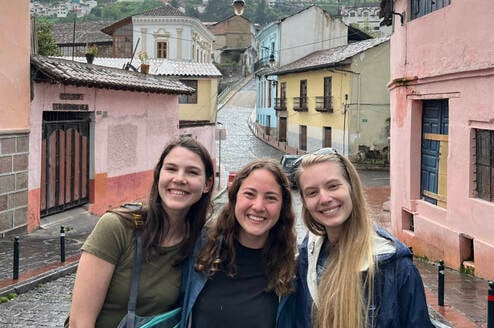
Through this program, join local healthcare professionals and learn firsthand about primary care, hospital care, and preventive medicine. Rotate at community-level clinics and hospitals serving low-income populations. Observe Mexico’s three-tiered insurance system, its approach to the rapidly rising burden of non-communicable diseases, and various efforts to address health inequities.
Oaxaca

As a CFHI participant, you will dig deeper into the healthcare system and Oaxacan culture by learning from local health professionals through rotations in government-run primary care clinics known as Centros de Salud. The focus of the program is on community-based care and access to primary care services provided to low-income populations.
Program Reviews

4.92 Rating
based on 13 reviews
  • 5 rating 92.31%
  • 4 rating 7.69%
  • 3 rating 0%
  • 2 rating 0%
  • 1 rating 0%
  • Growth 4.85
  • Support 4.95
  • Fun 4.8
  • Housing 4.95
  • Safety 4.85
Showing 1 - 8 of 13 reviews
Cynthia
5/5
Yes, I recommend this program

Clinical and Cultural Growth in Oaxaca

During my 4 weeks in Oaxaca, I spent 2 weeks at Hospital Civil where I had the opportunity to rotate through the emergency department, labor and delivery, and the operating room. Each setting offered valuable learning and exposed me to a wide range of clinical scenarios in a resource limited environment. In the emergency department, I observed the management of acute conditions and gained insight into rapid clinical decision making. In labor and delivery, I was able to participate in patient care during critical and emotional moments, which reinforced the importance of compassionate, patient centered care. In the operating room, I observed surgical procedures and developed a deeper understanding of teamwork and technique. The local physicians and staff were incredibly welcoming and committed to teaching. They made a strong effort to include us in patient care and explain their clinical reasoning, creating a supportive and engaging learning environment.

In addition to my clinical experience, my time in Oaxaca was shaped in meaningful ways outside of the hospital. Living with a host family gave me a genuine look into daily life and culture in a way that you simply can’t get as a visitor. From sharing meals to everyday conversations, I felt welcomed and supported, which made the experience feel much more personal. The language school was another highlight. It helped me build confidence in my Spanish and gave me a supportive space to improve my communication skills. That growth extended beyond the classroom and helped me feel more connected overall. Outside of structured activities, I also had the opportunity to experience Oaxaca’s culture through its food, traditions, and strong sense of community. These experiences added depth to my time there and reminded me how important cultural understanding is in both life and medicine.

What was the most unfamiliar thing you ate?
I tried Chapulines (grasshoppers) and it was delicious!
15 people found this review helpful.
Jacqueline
5/5
Yes, I recommend this program

Transformative global health experience in Oaxaca!

This previous fall quarter, I had the opportunity to study abroad in Oaxaca, Mexico! I completed an internship with Child Family Health International (CFHI) through their Global Health in Mexico (Oaxaca) program.

In Oaxaca de Juárez, I completed a total of 180 hours of clinical rotations at clinics, a hospital, and a rehabilitation center. I visited the following sites: Centro de Salud Urbano No. 1 "Dr. Manuel Martínez Soto,” Hospital General "Dr. Aurelio Valdivieso," Centro de Salud Colonia América, Centro de Salud Tlalixtac de Cabrera, Centro de Salud Urbano 04 Fracc. El Rosario IMSS Bienestar, and Centro de Rehabilitación Infantil Teletón (CRIT). During these rotations, I shadowed medical professionals during general medical consultations, surgical procedures, and physical therapy sessions. I also developed a deeper understanding about systemic barriers within the Mexican healthcare system.

Additionally, I visited rural communities in the Sierra Norte, Aguaje del Zapote, and Chacahua. In the Sierra Norte, I learned about traditional medicine from local curanderas and parteras. This is an accessible alternative to allopathic medicine that uses natural remedies from indigenous practices. In Aguaje del Zapote and Chacahua, I learned about Chagas disease and Dengue. I also accompanied Dr. Isabel Saucedo and Don Julio, a vector specialist, to conduct public health inspections in the communities. I also helped deliver presentations about relevant health topics at local primary schools in Puerto Escondido.

Being selected as a recipient of the CFHI UC Davis Quarter Abroad Scholarship opened a new door for me. As a first-generation college student, navigating the higher education system can be challenging. This experience reaffirmed that persistence and resilience lead to deeply rewarding opportunities. Studying abroad was a dream come true and a meaningful investment for my future. It has left a profound impact on my academic and professional trajectory, ultimately igniting my interest in pursuing a career in surgery.

I am incredibly grateful to the faculty, mentors, and peers who made this such a memorable and transformative experience. Special thanks to Dr. Yvette Flores, Dr. Mónica-Torreiro Casal, Dr. Magaly Chavez, Martha Canseco, and Sandra Rivera.

49 people found this review helpful.
Natalie
5/5
Yes, I recommend this program

Oaxaca - Worth Every Penny !

Shadowing physicians in clinics and hospitals, I saw firsthand how providers balanced modern medicine with traditional healing, where resources were scarce but compassion was abundant. I witnessed systemic health challenges firsthand—patients traveling hours for medical attention, hospitals working with limited supplies, and families playing a crucial role in their loved ones’ care. This experience taught me that medicine is not just about treating illness but about understanding the patient’s beliefs, environment, and access to care. Outside of the clinical setting, Oaxaca’s rich culture embraced me—dancing in the streets during festivals, tasting mole in a bustling mercado, and connecting with local healthcare teams who welcomed me as one of their own. This experience reinforced that medicine is universal, but healing is deeply personal, shaped by history, tradition, and human connection.

99 people found this review helpful.
Rosemary
5/5
Yes, I recommend this program

A very memorable experience!

CFHI is a great program to experience cultural immersion, clinical exposure, and language acquisition. It was a very well rounded experience with a lot of helpful support in place from the coordinators, my host family, and alumni advisor. We had enough structure in our schedule to reap benefits from the experience and enough free time to relax and enjoy the environment. I definitely would recommend it to other students!

It was interesting to see some of the common chronic diseases (diabetes, hypertension, hypercholesterolemia) because of diet and food access, also seeing unique tropical diseases like Dengue and Chagas, and seeing the younger age that women tend to have children as a result of social factors.

My host mom was very kind and helpful and an amazing cook! She would always be interested to get a recap of our days so we could practice our Spanish. I really enjoyed my stay with her.

Spanish classes were also super helpful and I learned a lot that helped me increase my fluency. My teacher, Rocio was extremely kind, patient, and supportive to help us make progress on a lot of grammatical and conversational skills.

The many beautiful beaches and the overall environment in Puerto Escondido were very beautiful to enjoy. We even took a weekend trip to Oaxaca which was also a wonderful place to visit.

134 people found this review helpful.
Jocelyn
5/5
Yes, I recommend this program

Amazing CFHI Oaxaca & Puerto Escondido Program

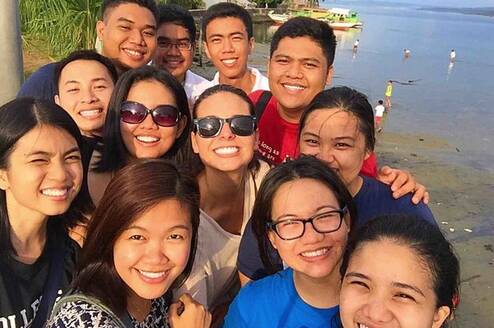
My global health study abroad program consisted of about 2 months in Oaxaca city, Mexico and two weeks in Puerto Escondido. Not only did I learn more about health problems that affect the Mexican population but also how to spread prevention awareness. I had the opportunity to shadow doctors in clinics and a hospital and was exposed to the different obstacles that many of these clinics faced. Most of the clinics that I had visited had a limited amount of resources available and doctors wrote their clinic stories using typewriters. In Puerto Escondido our main goal was to learn about public health and how to incorporate it into the community. We were given the opportunity to give presentations to elementary school classes on sexual education and Vector-related illnesses. All of the children that we presented to, all showed the desire to learn more. Besides the academic part of the study abroad program, the culture in Oaxaca, Mexico is truly one of a kind. I was exposed to calendas (parades), dia de los muertos celebrations, and the beautiful beaches. Oaxacans are extremely respectful and easygoing, always greeting you when you walk by or eating. Overall, this was an amazing experience and I am very thankful that I was able to experience it.

What was your funniest moment?
In Puerto Escondido, the weather is humid and hot but at times it randomly rains. One day we went out for dinner as a group and we had walked since we lived about 10 minutes away from the restaurant. When we finished eating and starting walking back, it started pouring so hard. We all started running trying to use trees as cover. Unfortunately, it did not help and by the time we got back to our place, we were all drenched. This was definitely one of the funniest moments from this program.
Pros
  • Beautiful Oaxacan culture
  • The people there are super sweet and respectul
  • Have the opportunity to learn about traditional medicine
Cons
  • Not long enough
  • Not enough time spent at a hospital
146 people found this review helpful.
Brigid
5/5
Yes, I recommend this program

Oaxaca Spanish Immersion

Practicing my Spanish while immersing myself in another culture prior to residency had long been a goal of mine, and CFHI helped make that happen. I really enjoyed both my language classes and homestay in Oaxaca. I was also able to take part in local art and cooking classes in my free time to continue to practice my Spanish, in addition to shadowing at a private surgical clinic. I'm grateful for the opportunity and would love to participate in a similar language immersion program with CFHI again.

199 people found this review helpful.
Alysia
5/5
Yes, I recommend this program

Traditional Medicine in Oaxaca City

I spent 4 weeks living in Oaxaca City, Oaxaca, Mexico and exploring the foundations of traditional medicine. I chose to travel to Oaxaca because of my connection to traditional medicine and my interest in cultural anthropological studies. As a physician, I hope to incorporate elements of traditional medicine into my practice, and I have a particular fascination with how different cultures integrate western and alternative medicines into one system for healing.

My experience with CFHI allowed me to compare the uses of traditional medicine practices in Oaxaca to the understanding of integrative medicine and traditional practices in the United States. I am so incredible grateful for the opportunity to learn in such an expansive and lively city. Being able to immerse myself in the Oaxacan culture was an experience I will never forgot and will only continue to inform my practice as a physician during residency. I improved my medical and conversational Spanish to the point of intermediate learner and was able to engage in learning that was entirely in Spanish. I learned so much about the traditional medicine practice in Oaxaca and different herbs that I can continue to learn about and utilize in my medical practice. I developed a deeper understanding of the interactions between traditional medicine and hospital medicine to inform my practice as an integrative medicine – family medicine physician. I also immersed myself in the Oaxacan culture and food and found a deeper appreciation for the way of life present in Oaxaca. I am so grateful I applied for this program and will continue to draw on experiences from this journey for the rest of my life.

Oaxaca is a food city and is known for its unique and delicious cuisine, so do not hesitate to explore and try the different foods that it has to offer.

Pros
  • Tradiitonal medicne expereinces
  • food
  • experiences around the city
Cons
  • Weather was very hot
  • Necessary to rent a car if you want to explore areas outside of the city
  • Need air conditioning in doors!
189 people found this review helpful.
Tina
5/5
Yes, I recommend this program

This Program Helped Me Solidify that I Want to Work in International Healthcare

Prior to the program, I had never had the opportunity to travel alone and never really got to explore healthcare in other countries even though I always had interest in global/public health. Before CFHI, I didn’t know who to ask or where to go in order to find shadowing opportunities overseas that would allow me to learn about medicine and culture. I learned about CFHI at the UC Davis Pre-Health Conference during two lecture sessions about global health (one anecdotal and one from the program on ethics) and I knew immediately that this program was what I had been looking for.

Dr. Jenny was even kind enough to exchange her contacts with me for a one on one zoom call where she talked to me and my friend for 2 hours about all our concerns post-COVID. The program even granted me the Community College Scholarship to help my family with the cost.

I learned quickly the best way to reach the staff is by email pre-departure, though information on logistics could be more readily available, sooner released, or clearer. The application and training is very straightforward.

The entire month in Puerto Escondido passed by too soon. I loved my clinic placements! The doctors, nurses, “chemicos,” and entomologist I met were all willing to teach and they are super sweet. I definitely find that you need to be willing to step out of your comfort zone, ask questions, and come in with an open mind. Anything I asked was answered in detail. Clinics themselves had a limited scope of practice focused on prevention, metabolic disease, and there was a lot of visits on women’s health, mostly prenatal care and family planning. Between the clinics and Spanish class, I learned how Mexico organized their medical care in the public sector, public programs, culture, and from many conversations with medical professionals and my professor, what is working and what needs to be done. The medical staff, including Dra. Isabela the Medical Director, even helped me learn in depth about violence against women in Mexico (an issue I want to address in the future as a doctor). When when things were slow, the doctors would explain the procedures we had done and taught us to take blood pressure (of course only taking hers and a fellow CFHI student to practice).

In terms of the homestay, I was blessed to be placed with a sweet older lady who cooked bomb foods, mixing it up with traditional stewed meats to steamed veggies and rice when my roommate had gotten sick. The host sister even invited us to her birthday, took me out my first few days, and everyone made sure we got our conversations in.

This being said, the experience is what you make of it and what you put in, you get out. For me, it was everything I could ask for.

Pros
  • Easy Application
  • Kind Staff, Wonderful Spanish Teachers, and Passionate Medical Professionals
  • Fully Immersed into culture
Cons
  • Some programs have less students, so it might be lonelier.
  • Overall felt safe, but be weary of catcalling on the street/surroundings. You are still traveling!
  • I wish I had time in a hospital too.
217 people found this review helpful.

Questions & Answers