
Why did you choose this program?
I chose CEA CAPA because of both the program’s benefits and my personal interests. My home institution’s study abroad office provided a questionnaire that helped me narrow down potential locations and program types that fit my major. Since my degree is elective-heavy, I had the flexibility to apply to two CEA CAPA programs. I ultimately selected five courses, which turned out to be some of the most engaging and interesting classes I have ever taken. Beyond academics, the program offered numerous benefits, including supportive on-site staff available 24/7 and a variety of activities such as day trips, cooking classes, museum visits, and more.
What did your program provider (or university) assist you with, and what did you have to organize on your own?
My program provider was incredibly helpful during the process of obtaining my visa. Being away from home and trying to gather all the necessary paperwork and meet requirements was stressful; however, my CEA CAPA advisor was always willing to help and answered all of my questions along the way. CEA CAPA is very thorough in guiding students, providing step-by-step support and even a personalized “To-Do List” in the portal to keep everything on track. While CEA CAPA handled much of the guidance, I was responsible for selecting my courses abroad and securing credit approval from my home institution.
What is one piece of advice you'd give to someone going on your program?
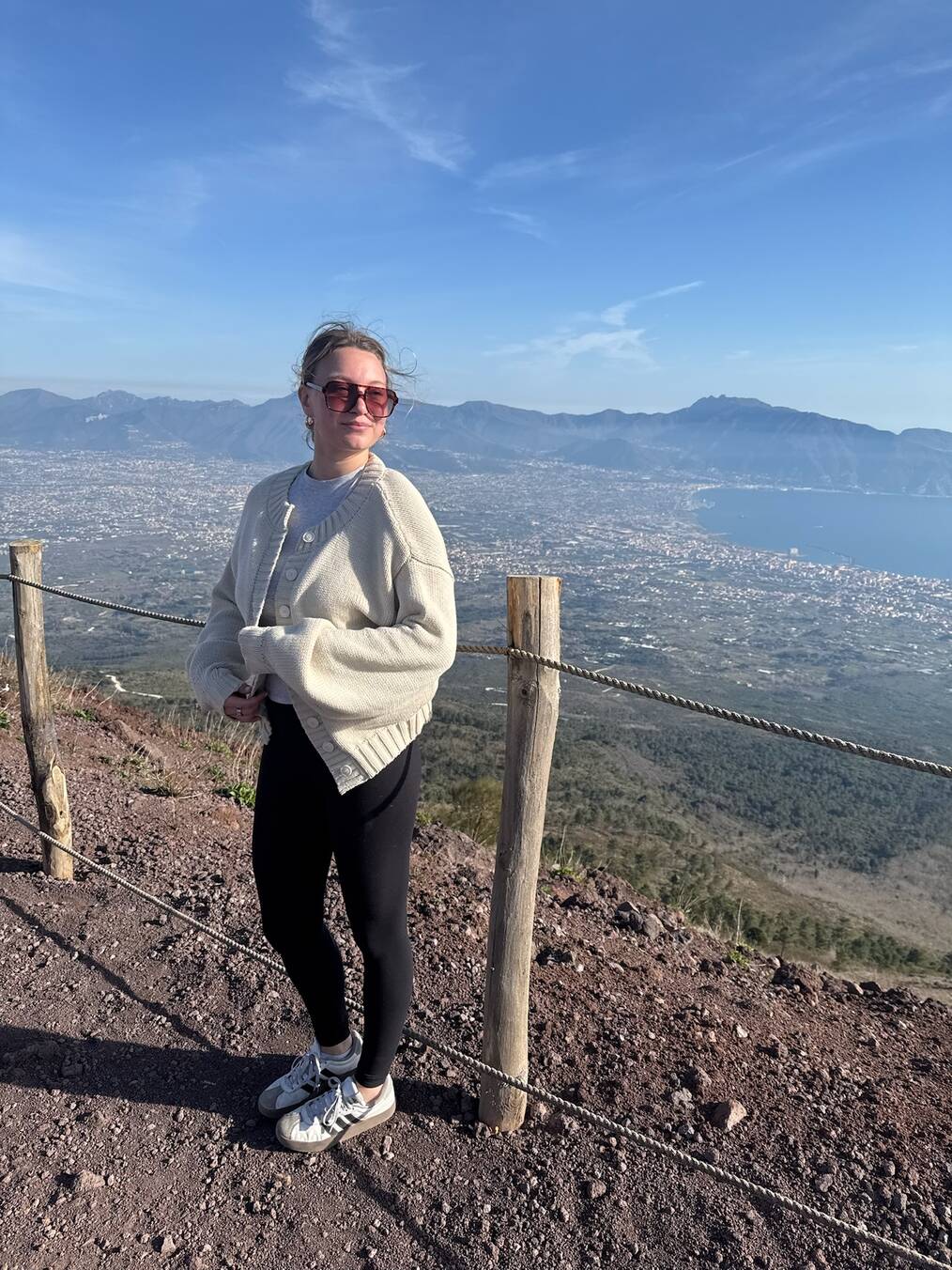
Travel! One of the biggest reasons I decided to study abroad was because I wasn’t sure when I’d have another opportunity to visit Europe after graduation. I went into my program with the goal of seeing the world and traveling to countries beyond my home base. With so many budget-friendly apps and resources available, exploring new places is both accessible and worthwhile. Before going abroad, I had already booked 1–2 trips, but I recommend planning as much as possible in advance. The semester goes by quickly, and you don’t want to miss out on experiences simply because you waited too long to organize a trip or didn’t manage your time effectively.
What does an average day/week look like as a participant of this program?
Through my program, my weekdays were a balance of classes, cooking Italian meals at home, going out to eat, and enjoying fun activities with my roommates while exploring the beautiful city of Florence. We made it a goal to travel every weekend, so once Friday arrived, you could usually find us bouncing around Europe! Our class schedule ran Monday through Thursday, which gave us the flexibility to leave Thursday nights or Friday mornings for trips. Some of my favorite activities in Florence included taking cooking classes, shopping, visiting museums, trying new foods, going on walks, and soaking in everything the city had to offer.
Going into your experience abroad, what was your biggest fear, and how did you overcome it? How did your views on the issue change?
My biggest fear was that I would regret my decision to go abroad while I was there, and that it would be too late to turn back. Looking back, it seems silly to have thought that studying abroad could ever be a regret. Whenever I felt waves of homesickness or missed my life in America, I reminded myself where I was and how lucky I was to have this opportunity. This is truly a once-in-a-lifetime experience, and the only thing that can diminish it is a negative mindset. The best way to overcome fears or nerves is to stay busy — and trust me, you will be! Adapting during the first few days or even weeks may feel a little out of place, but after talking to multiple people I met abroad, I realized it’s completely normal. Make new friends, build bonds, and embrace the experience. This is a time in your life where you will learn so much about yourself and the world around you.
Write and answer your own question.
If there is one thing I could do differently while studying abroad, it would be to create a bucket list before arriving. I would take the time to sit down, think, and research all the things I wanted to do at my home base and while traveling around. This could include foods to try, cities to visit, or souvenirs to buy. Creating a bucket list helps you get to know the area, pushes you to put yourself out there, and ensures you have no regrets when it’s time to go home. Study abroad goes by quickly, so you don’t want to miss any of the amazing experiences the world has to offer.