Sea|mester gave me exactly what I hoped for, and quite a few things I didn’t know I needed.
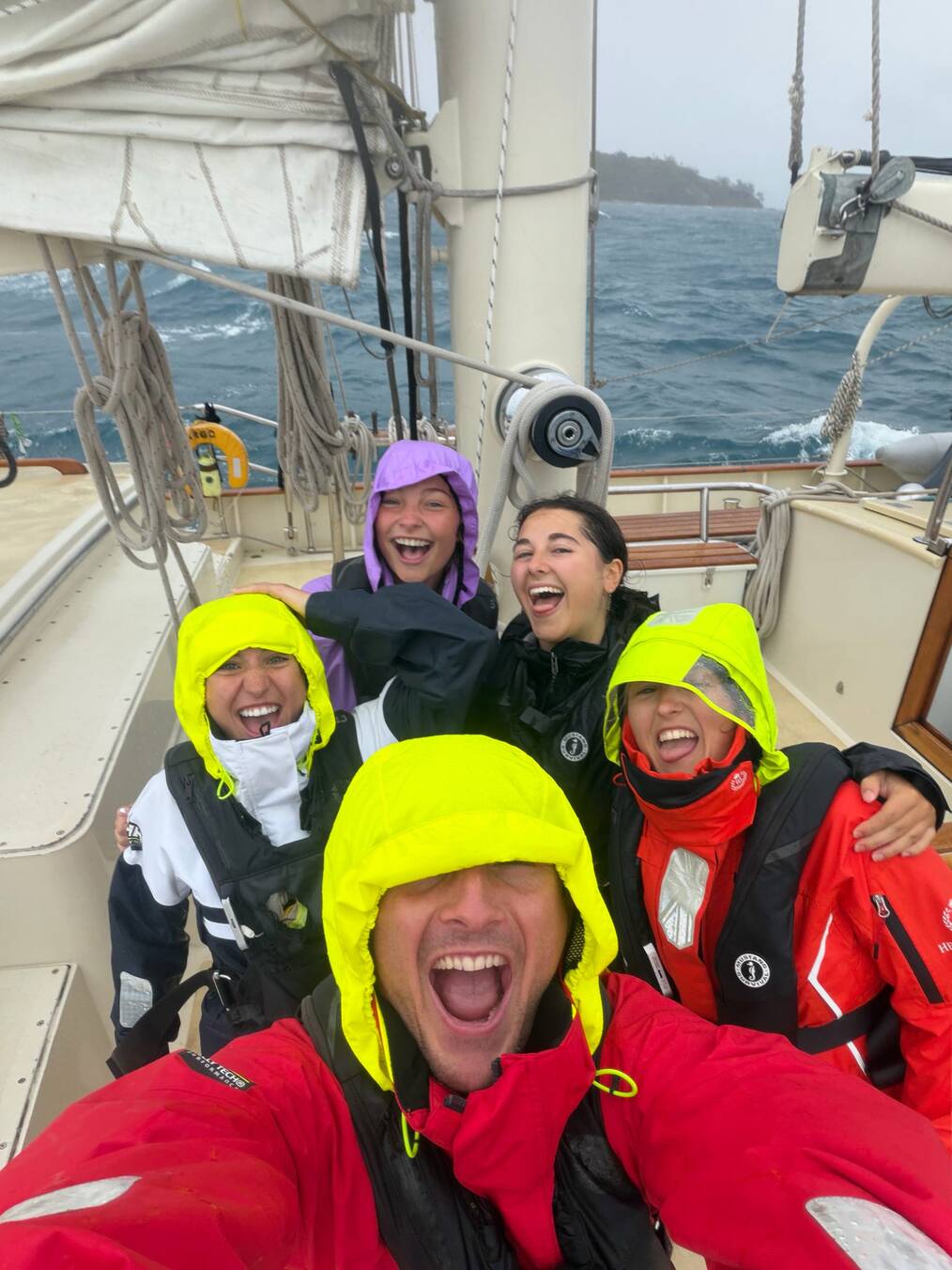
I spent 40 days aboard Ocean Star sailing through the Caribbean, and looking back, it is difficult to explain the experience without making it sound either too glamorous or too difficult, because somehow it was both.
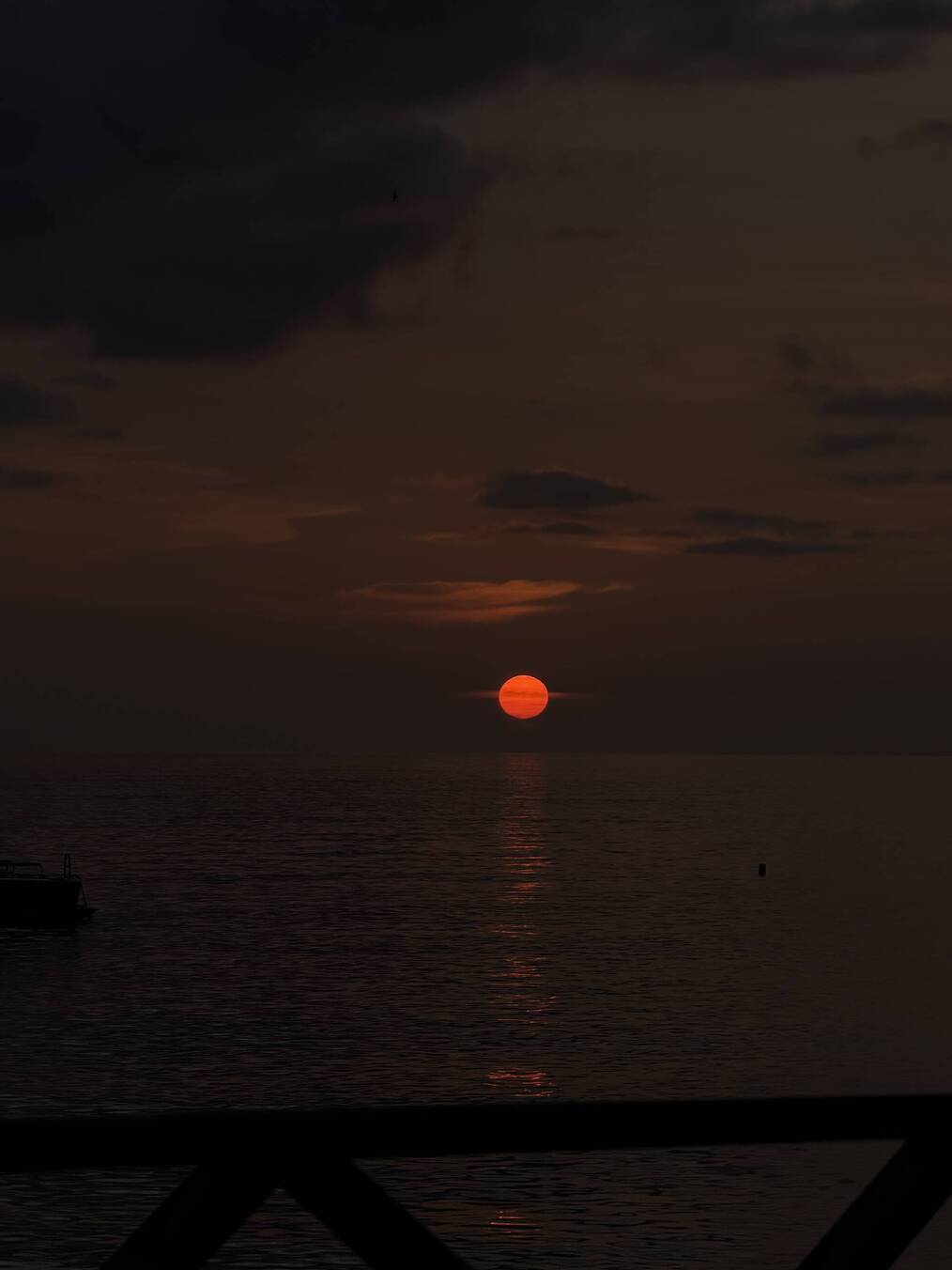
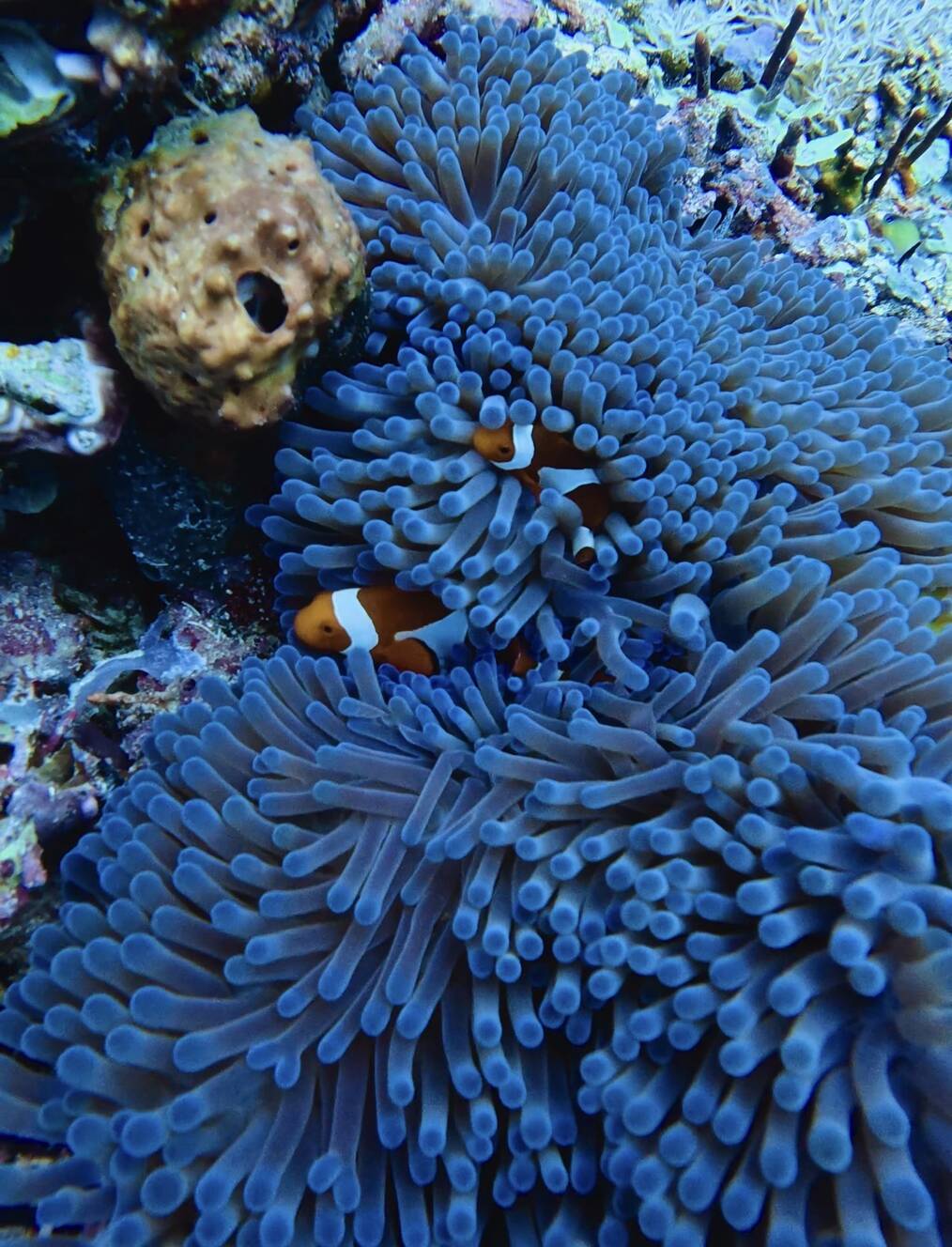
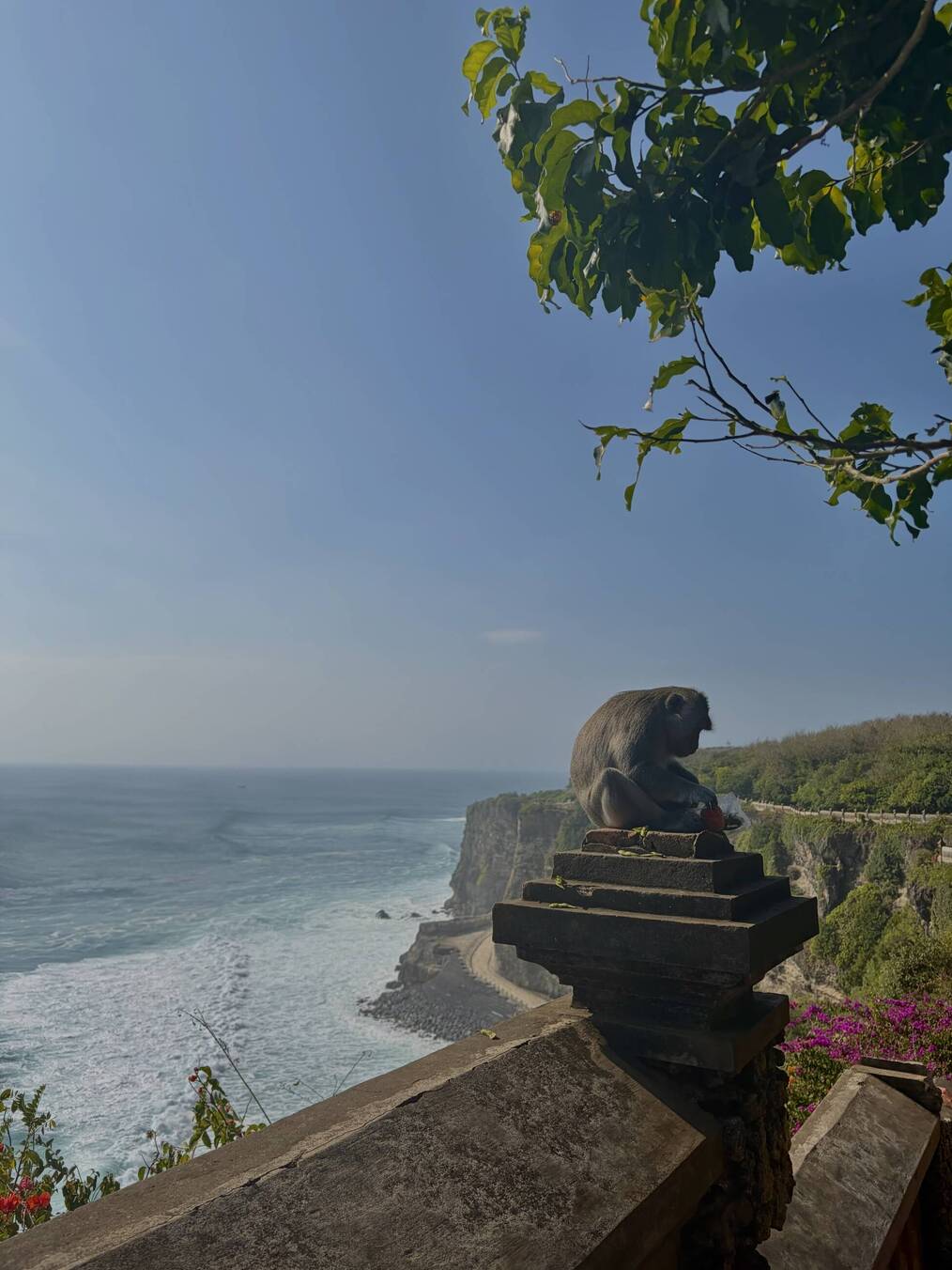
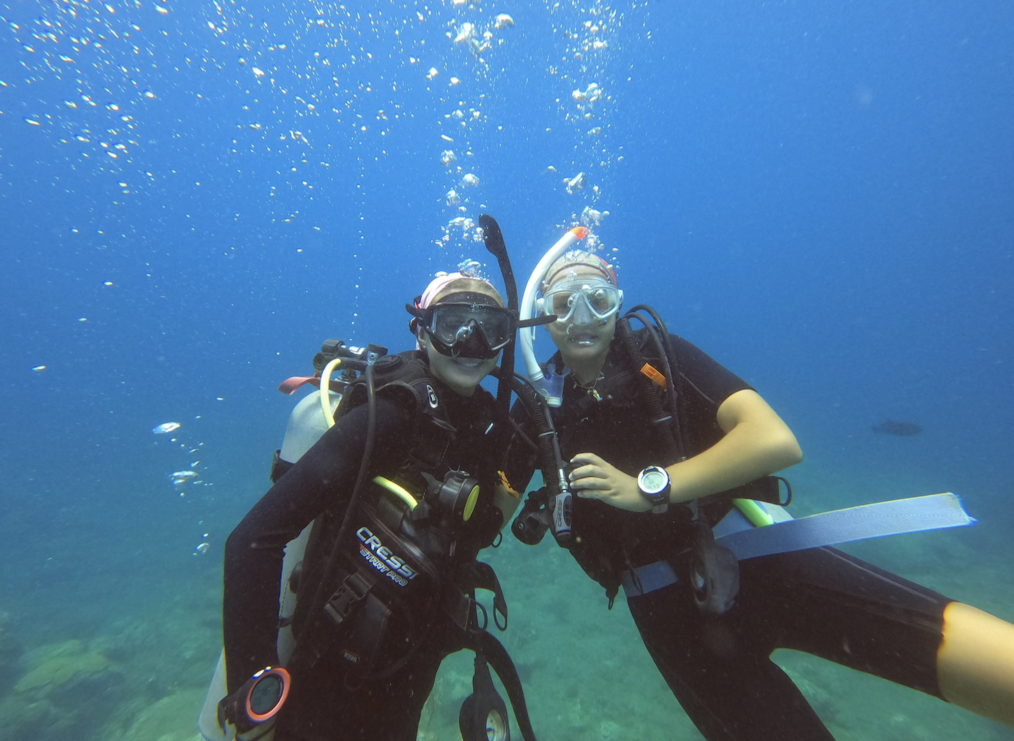
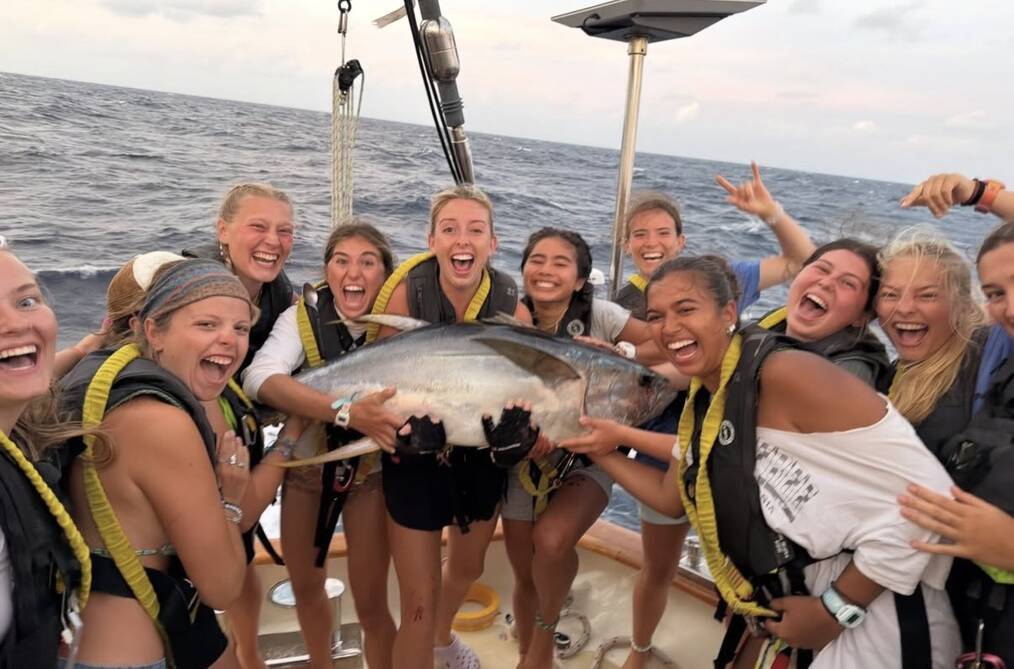
There were the obvious highlights: sailing between islands, diving reefs, hiking through places I never expected to see, learning navigation with actual charts, taking the helm during night watches, dinghy sailing, watching bioluminescence trail behind the boat in the dark, swimming in impossibly clear water, and waking up somewhere completely different from where we had been the day before.
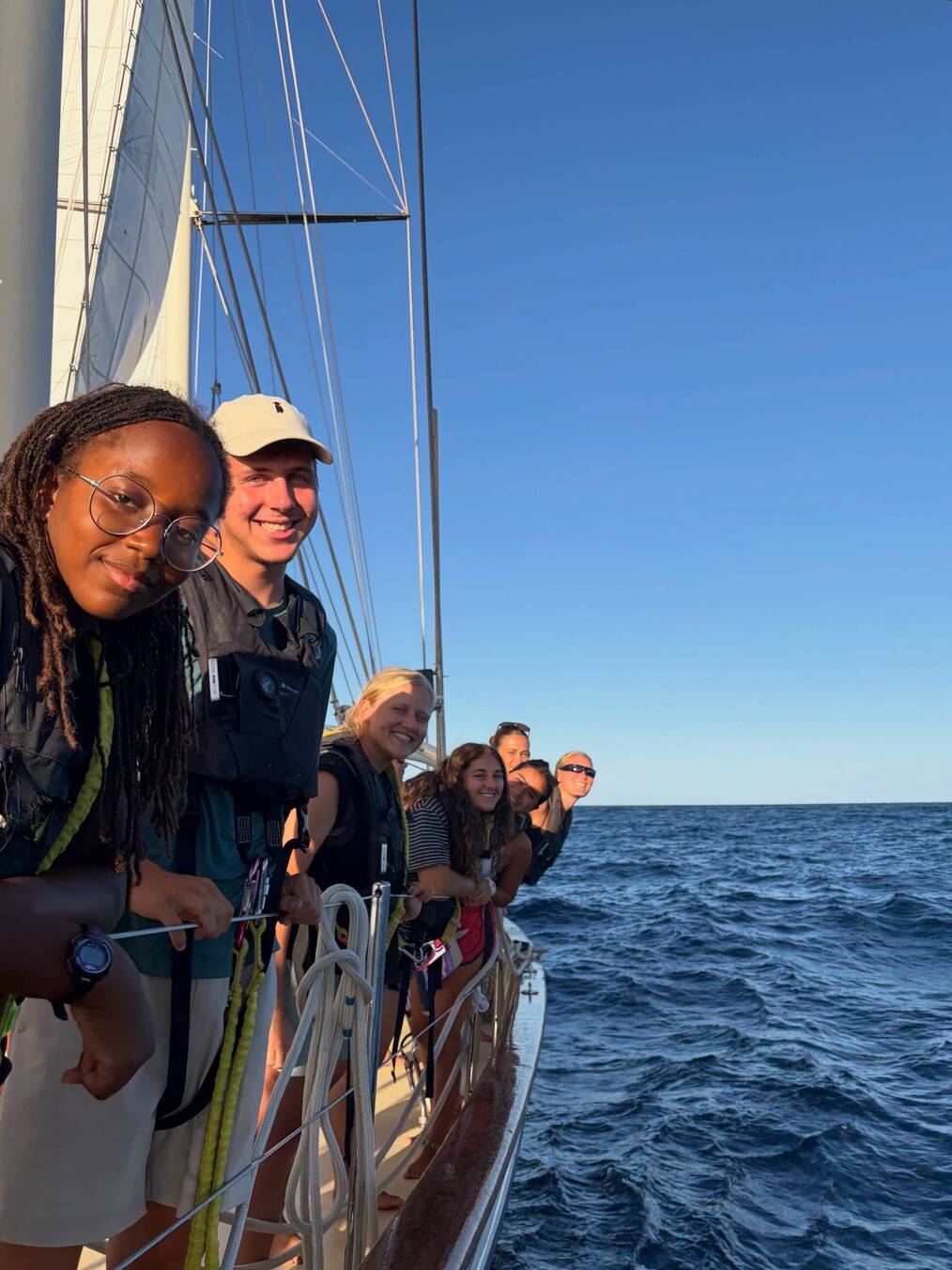
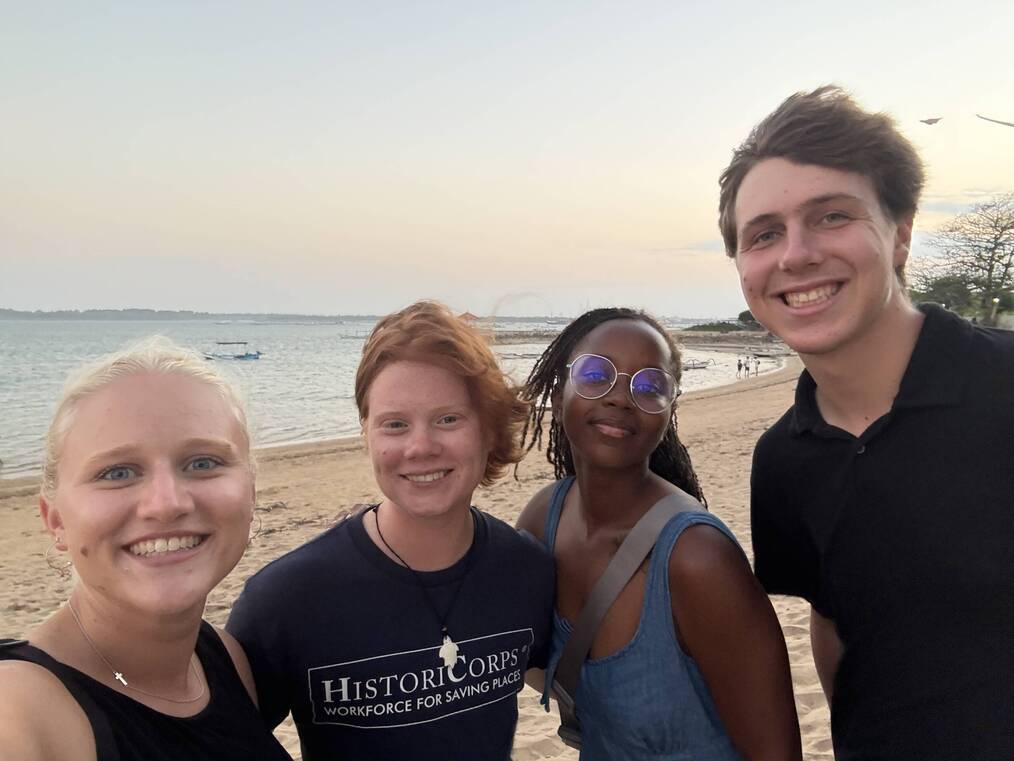
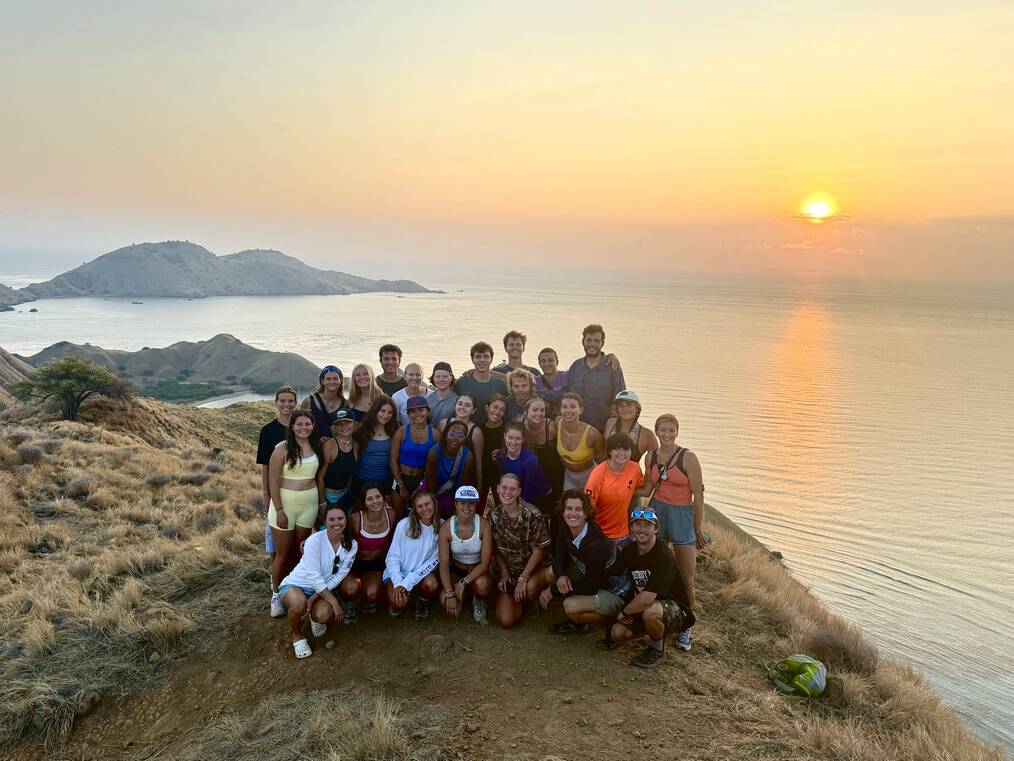
But some of my favorite memories came from much smaller moments. Sitting around meals together. Ridiculous conversations during watch. Music playing while everyone prepared for the day. Exploring an island with no real plan. Laughing about things that would make absolutely no sense to anyone who wasn’t there. Somewhere along the way, a boat full of strangers became a very strange little family.
And it definitely was not always easy.
Living aboard a sailboat with a group of people for 40 days means very little privacy, repetitive chores, hot nights, limited comforts, long passages, seasickness, tired mornings, occasional tension, and learning very quickly that if someone does not do their job properly, everyone else feels it. At one point we were dealing with broken outlets, struggling air conditioning, and enough roaches that fumigating the boat became an actual activity on the schedule.
That is probably why I rated the housing lower than the rest of the experience. Ocean Star was home, and I grew genuinely attached to her, but life aboard is certainly not luxury accommodation.
Strangely, though, some of those uncomfortable parts became some of the most valuable ones.
A normal hot shower suddenly felt incredible. A swimming pool felt like the greatest body of water ever created. Having a working outlet became cause for celebration. You begin appreciating things you would never think twice about at home, and you learn that being uncomfortable for a while does not necessarily mean something is going wrong.
The staff were what made the experience work.
Whenever something went wrong, whether it involved sailing, diving, an injury, logistics, a frustrated student, a broken piece of equipment, or apparently even insect warfare, there was always someone there who knew what to do. I felt supported without feeling sheltered, which I think is a difficult balance to get right.
Gabe, Zoe, Perry, and Ainsley each brought something completely different to the boat. They taught us far more than what appeared on the syllabus. And the support extended well beyond the boat. Gina, Kate, Riley, Travis, and the rest of the team behind the scenes were consistently helpful, patient, and responsive whenever something needed to be sorted out before or during the program. We learned sailing and oceanography, but we also learned patience, responsibility, how to live closely with other people, how to deal with frustration, how to look after one another, and how much better an experience becomes when everyone actually contributes.
There were days when morale was incredibly high and days when it was not. There were moments when people struggled. What impressed me most was how often someone noticed. A person would sit beside you, check in, make you laugh, hand you a cookie, or simply be there without needing to be asked. Those are the things that stayed with me.
I also came into the program with some very real personal fears. Only days before arriving, I was still learning how to swim properly. By the end of the voyage, I had spent weeks living on the ocean, diving beneath it, sailing across it, standing watch through the night, and becoming genuinely excited about whatever adventure came next.
That change alone made the experience worth a great deal to me.
Sea|mester is not a perfect 40-day vacation, and I do not think it should be. It asks something of you. Sometimes that is physical, sometimes academic, and sometimes it is simply having enough patience to live with the same people in a very small space when everyone is tired.
In return, it gives you stories, skills, friendships, confidence, and a relationship with the ocean that is difficult to recreate anywhere else.
I rated the support a 5 because I genuinely felt the people behind the program cared about us. I rated the fun, value, safety, and overall experience 4s because there were certainly difficult moments, but those moments were part of what made the experience feel real rather than manufactured.
I left Ocean Star with more than photographs of beautiful islands. I left with people I care about, stories I will probably tell for the rest of my life, a much greater willingness to say yes to things that scare me, and a new love for adventure and the sea.
I am incredibly grateful that I got to be part of it.
And if life allows, and Sea|mester will have me, I would love to come back someday from the other side of the experience and become part of the organization myself.
On our final night together, we were huddled around a table at a bar while Gabe read us a children’s story about Big Crab and Little Crab. It followed a little crab who was afraid of the ocean, guided by a big crab as they searched for a new home. At first, Little Crab was hesitant and scared. But with the right guidance and support, he eventually made it into the ocean, saw how beautiful it was, and reached the point where he did not want to leave.
It was difficult not to see ourselves in it.
For 40 days, our own “Big Crab” had guided us through fears, frustrations, rough seas, and things many of us had never done before. Somewhere along the way, the things that intimidated us became the things we loved.
At the end of the story, it was time for the crabs to turn back. Little Crab looked toward the longer way home and asked if they could go that way instead.
Big Crab’s answer was simple:
“You can go anywhere.”
As Gabe read those words, he looked up from the book at all of us around the table. By then, more than a few people were crying.
It was the perfect way to end the voyage. Forty days earlier, many of us arrived unsure of what we were capable of. By the final night, the point was no longer that the ocean had become less intimidating.
It was that we had become less afraid of going toward it.
“You can go anywhere.”
Indeed we can... Thank you Sea|mester :)
Till the next adventure,
Mo