Why did you choose this program?
I chose Sea|mester because, if I’m being completely honest, I was starting to get a little too comfortable with knowing what tomorrow would look like.
There was a lot about the program that immediately appealed to me. I love traveling, exploring unfamiliar places, trying new foods, meeting people from completely different backgrounds, and doing things that come with at least a small possibility of me later thinking, “That was probably a terrible idea.” Furthermore, I’m an adrenaline junkie, so sailing through the Caribbean, diving, hiking, climbing, learning new skills, and constantly being somewhere unfamiliar sounded incredible.
But that was only part of it.
At the time, I felt caught in a routine that had become a little too predictable. Nothing in my life was necessarily bad, but that was almost the problem. Everything was fine. Everything was comfortable. And somewhere in all that comfort, I started feeling like I wasn’t really living as much as I was simply moving from one task or obligation to the next.
I didn't want a vacation. I didn't even care for something that was simply fun. What I wanted was something that would completely interrupt my life for a little while.
I wanted to wake up not entirely sure what the day would ask of me. I wanted to be uncomfortable, challenged, surprised, exhausted, excited, and probably a little scared. I wanted to put myself somewhere where I couldn't rely on the same routines, conveniences, or people I normally did, and see what version of myself showed up. In a world increasingly numbed by screens, noise, and distance, I think I just wanted to feel something real again.
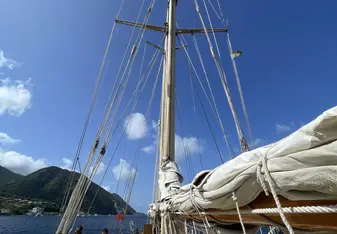
Sea|mester seemed to offer all of that in one very strange package: forty days on a sailboat with people I had never met, crossing between islands, learning things I had never done before, and living closely enough with everyone that there was really nowhere to hide from the experience.
It felt like going far enough from home to remember that life was never meant to be lived in one place, one rhythm, or one version of yourself.
And then, of course, there was the equally important consideration of future dad lore.
I have every intention of becoming the kind of dad who turns completely unrelated conversations into stories that begin with, “When I was living on a sailboat in the Caribbean…” My future kids will probably be sick of hearing about Ocean Star long before I'm sick of telling them!
So really, I did this for personal growth.
And for them :)
What did your program provider (or university) assist you with, and what did you have to organize on your own?
Sea|mester handled the part that would have been nearly impossible to organize on my own: the actual voyage. The boat, itinerary, instructors, diving, academics, provisioning, safety procedures, transportation between activities, and the thousand little logistical details that I probably never even knew were happening behind the scenes.
Before the program, they were also incredibly helpful with preparation. Gina, Kate, Riley, Travis, and the rest of the team answered what was probably an unreasonable number of emails from me, helped provide confirmation letters and itinerary documents, walked me through what I needed to bring, and were especially helpful when I was dealing with visa requirements as a Kuwaiti passport holder traveling through several different Caribbean territories.
That said, there was still plenty I had to organize myself. Flights, visas, travel documents, insurance, gear, packing, getting myself to Antigua, and making sure I was actually prepared for what I had signed up for were ultimately my responsibility.
And in my case, “preparation” also included the small matter of learning how to swim shortly before joining a program built almost entirely around the ocean.
Sea|mester gave me the structure and support to make the experience possible, but there was still enough responsibility on my side that arriving aboard Ocean Star felt like something I had worked toward rather than something that had simply been arranged for me.
What is one piece of advice you'd give to someone going on your program?
Go in willing to be changed by it.
It is very easy to arrive with a picture in your head of what the trip is supposed to look like — the islands, the diving, the sailing, the friendships, the photos. Some of that will happen exactly as you imagined. Some of it absolutely will not.
You will be tired. You will get annoyed. You will miss privacy, air conditioning, normal showers, your own bed, and probably foods you never thought you cared that much about. You may have days where everyone is getting on each other’s nerves and moments where you wonder why you willingly paid to live in a floating shoebox with a bunch of strangers.
Do not mistake those moments for the experience going wrong.
Some of my favorite memories came from the things that were inconvenient, unplanned, uncomfortable, or completely ridiculous at the time. The hard parts gave the good parts contrast. A hot shower became a luxury. A quiet hour by a pool felt absurdly special. Even ordinary conversations with people became memorable simply because we had lived through so much together.
So participate in everything you can. Say yes more often than you say no. Take the detour. Volunteer for the thing you are nervous about. Sit with people you do not know yet. Stay up for the conversation. Let yourself be uncomfortable without immediately trying to escape it.
And most importantly, do not spend the whole trip waiting for the “big” moments. You may think you will remember the volcano, the reef, or the island forever — and you probably will. But years later, I suspect the things you miss most will be the stupid jokes at dinner, the person sitting next to you on watch, and the little routines that once felt completely ordinary.
The trip goes by far too quickly to only appreciate it once it is over.
And now, for the less philosophical but arguably equally important advice:
- Bring a healthy amount of sunscreen. Then bring slightly more than whatever you just decided was a healthy amount.
- Bring plenty of swim trunks. At some point they stop being swimwear and simply become pants.
- A dive computer is cool. It is also completely unnecessary here. Bring one if you already have one and enjoy feeling like James Bond underwater. Do not feel like you need to buy one.
- Ocean Star is a sailboat. Sailboats have rust. Be thoughtful about where you leave clothes, bags, and anything you would prefer not to return home with an orange souvenir.
- Buy one of those washing bags that lets you wash clothes inside the bag. Handwashing clothing gets old remarkably quickly. This was one purchase I wish I had made.
- Bring a small waterproof backpack, around 30 liters. There will be excursions where the dinghy gets you near shore and your swimming ability handles the remaining transportation.
- Do not build your happiness around electronics. Outlets can stop working, things get wet, charging becomes competitive, and the Caribbean occasionally reminds you that your carefully maintained battery percentage means absolutely nothing to it.
- Bring entertainment that does not need electricity. Cards, small games, books, a journal, anything you can pull out during a quiet night under the stars. Some of the best nights happen when there is genuinely nothing else to do. They're also great icebreakers.
- Bring your favorite snacks from home. This is partly for homesickness and partly an extraordinarily effective political strategy. Share them early and suddenly you have allies.
- Bring a good headlamp. Preferably one with a red-light setting, because discovering who is blasting white light into everyone’s eyes during night watch is a very efficient way to create enemies.
- Cheap sunglasses plus a retainer strap are your friends. The ocean has a very generous lost-and-found policy in which it finds your belongings and keeps them forever.
- A few small dry bags or waterproof pouches are worth the space. “It’ll probably stay dry” is a dangerous sentence to say on a boat.
- And actually follow Sea|mester’s packing guide. I know everyone looks at packing lists and immediately decides they know better. In this case, resist that instinct. The crew clearly wrote it after watching generations of students make the same mistakes.
Most importantly, bring less expectation and more curiosity.
You'll figure out the rest as you go!
What does an average day/week look like as a participant of this program?
“Average” is probably the wrong word for Sea|mester, because the rhythm of the program stays familiar while the actual days rarely do.
Most mornings started at 7 a.m. with whoever happened to be skipper that day waking everyone up using a song of their choosing. Sometimes that meant something genuinely good. Sometimes it meant the Pokémon theme song. Sometimes it meant what can only be described as a drill-sergeant soundtrack being blasted through the boat while everyone slowly questioned their life choices.
At the same time, whoever was on cooking duty that morning would already be up preparing breakfast, so waking up usually meant some combination of music, people moving around the boat, and the smell of food drifting through the cabins.
After breakfast, the crew would gather everyone together and explain the plan for the day: where we were going, what we were doing, what time things were happening, and what everyone needed to be ready for.
Lunch was usually around noon and, most of the time, eaten together aboard Ocean Star. If we had an excursion planned ashore, though, the schedule became much looser and we might eat whenever and wherever made sense, sometimes in smaller groups while exploring.
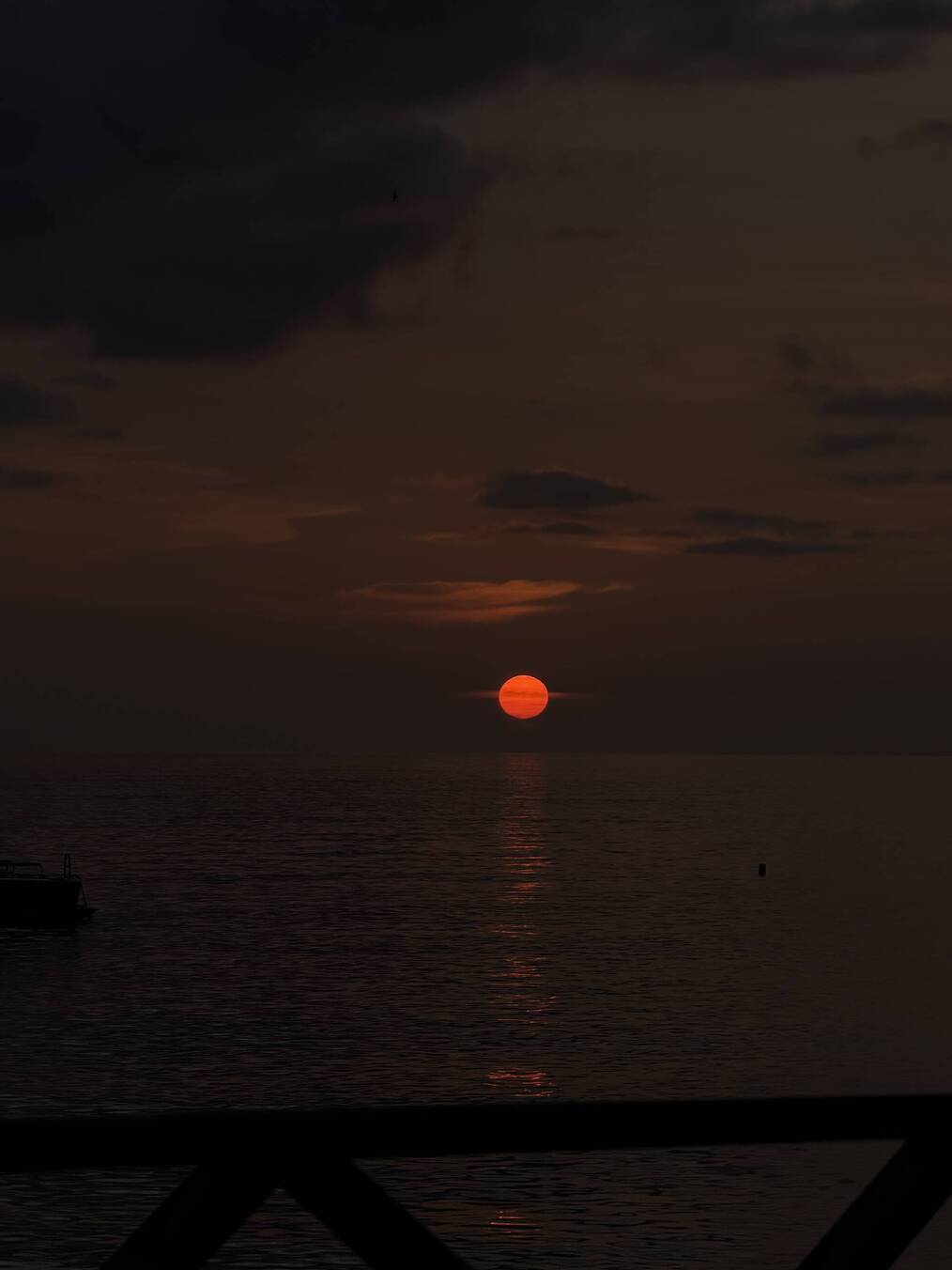
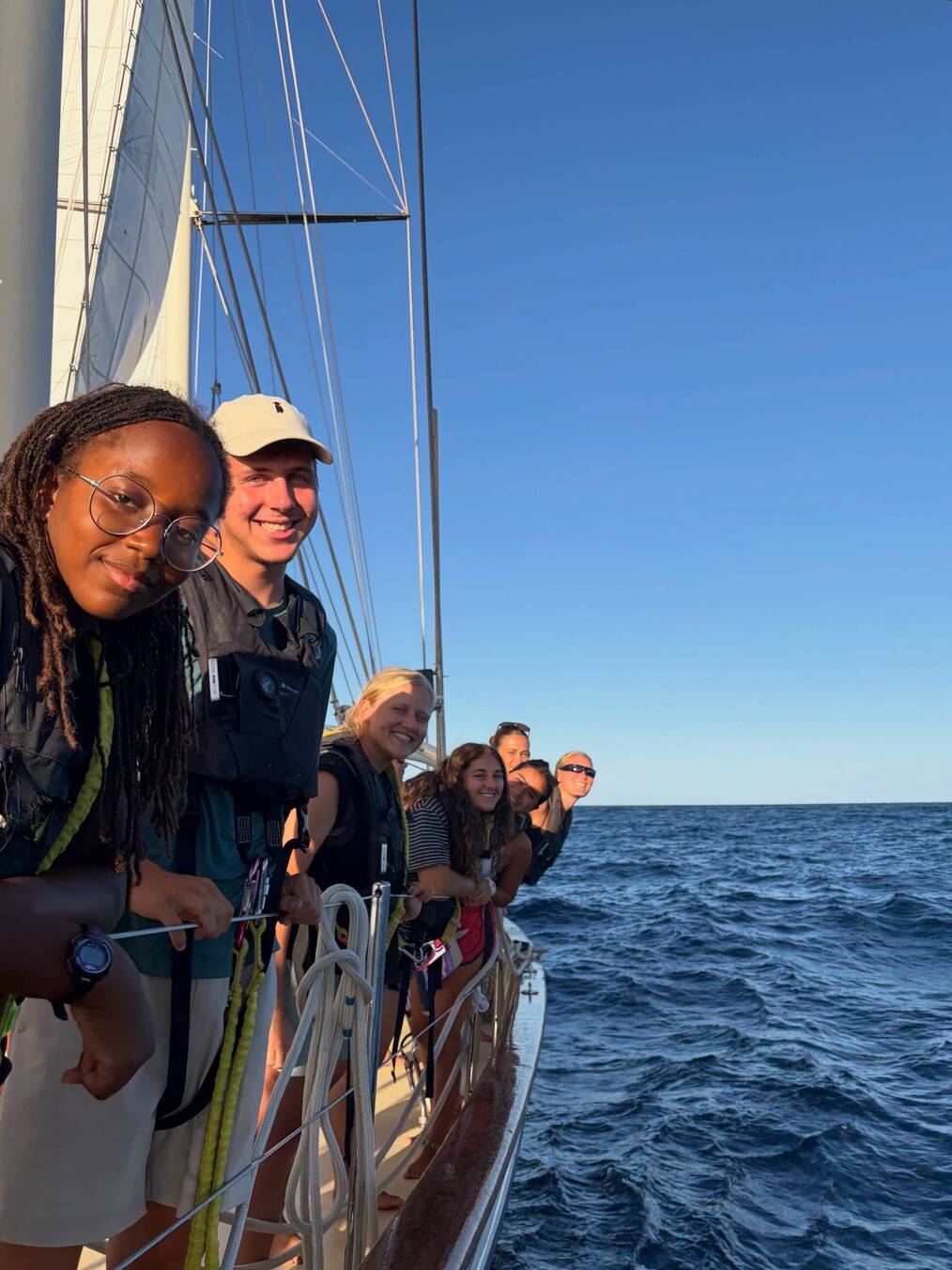
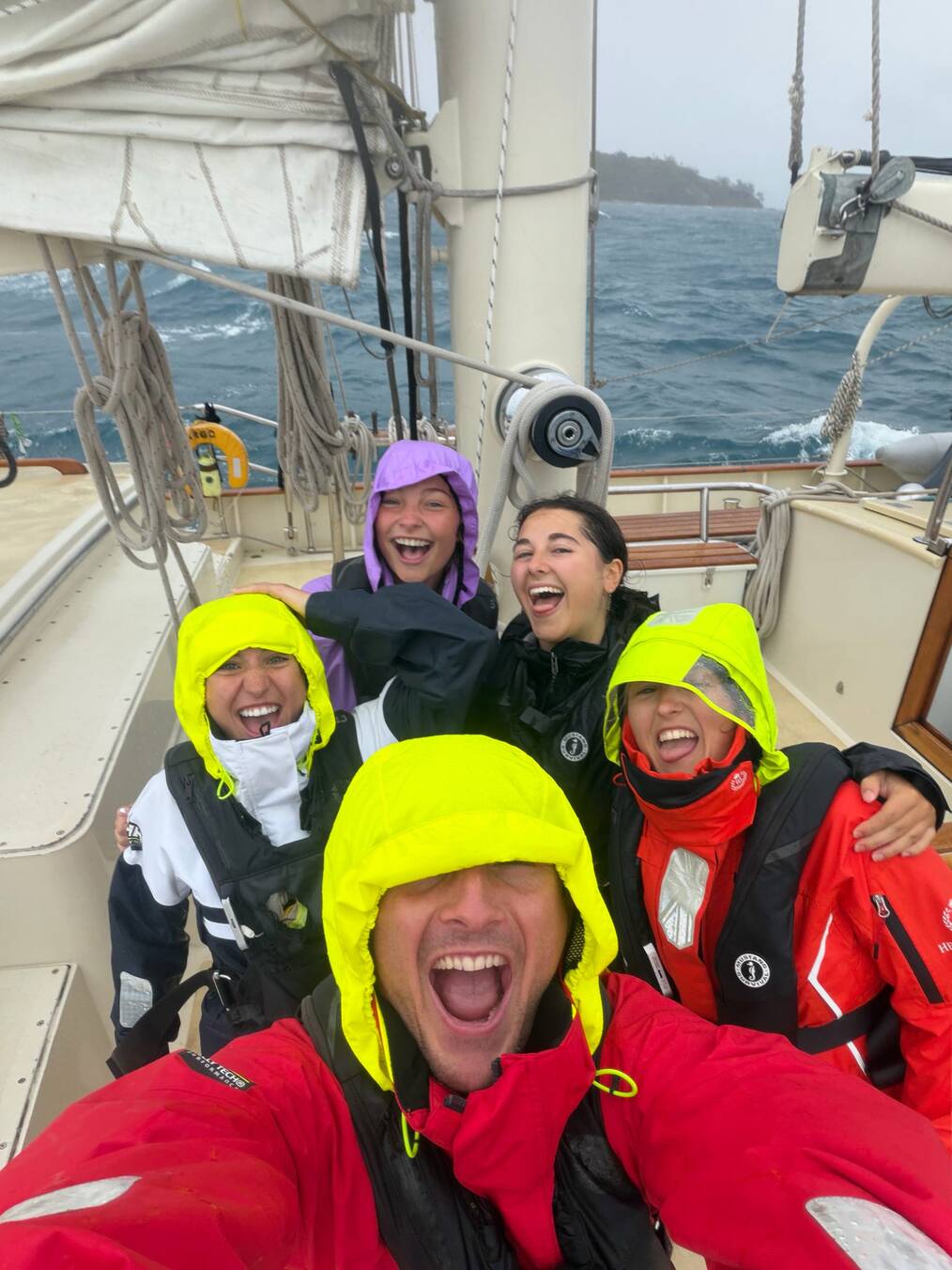
If we were underway, the day revolved around watches. You might spend part of your shift at the helm, helping with sails, keeping lookout, working through navigation, or simply sitting on deck talking while the ocean stretches out in every direction. Night watches were especially memorable. There is something very strange and very peaceful about being awake at 2 a.m., surrounded by darkness, with almost nothing around you except your crew, the stars, and occasionally bioluminescence glowing behind the boat.
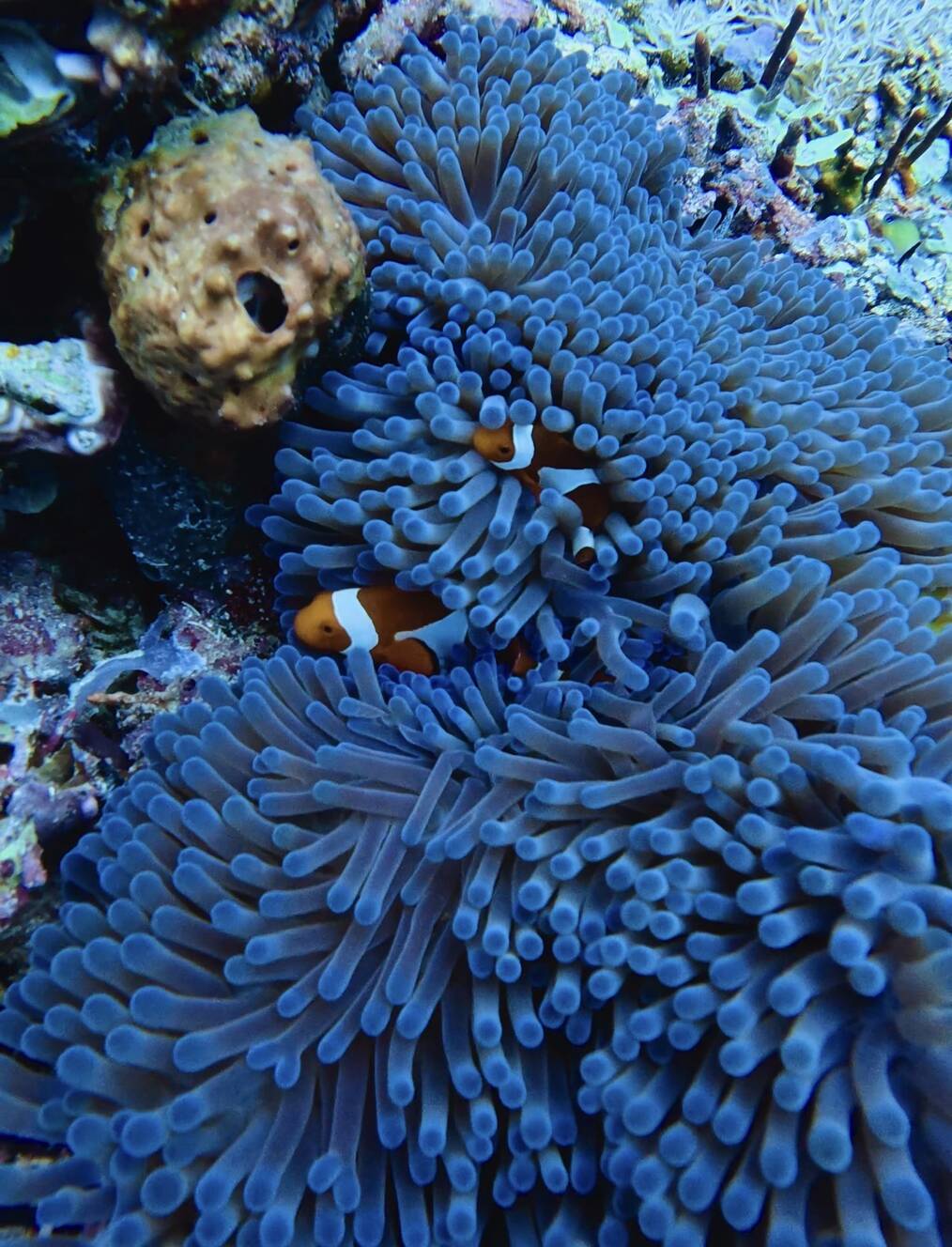
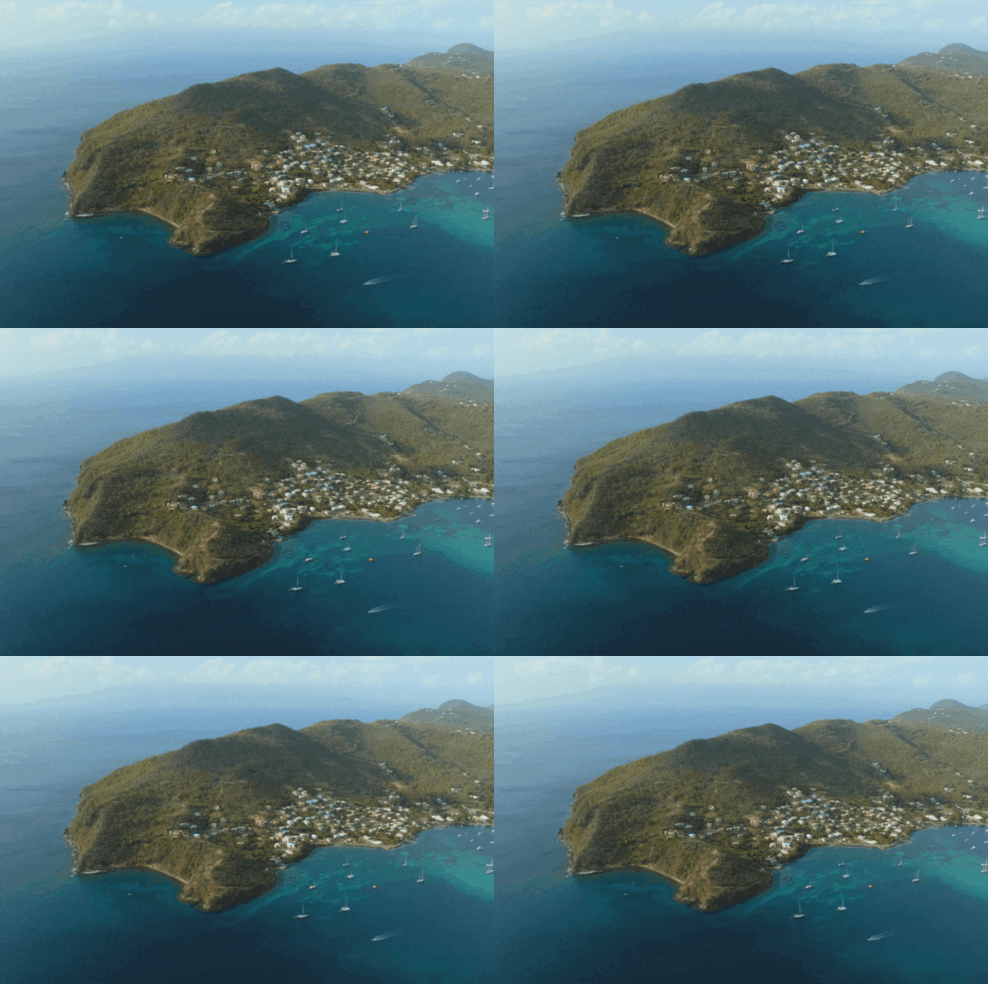
Then there were the days at anchor, which could look completely different. We might dive in the morning, take the dinghy ashore in the afternoon, hike to a viewpoint, wander around a town, swim off the boat, or somehow end up on an adventure that had very little resemblance to whatever we thought the day would look like when we woke up.
Classes were mixed into all of this rather than feeling completely separate from it. You could learn something in marine science and then quite literally jump into the water and see it. You could practice navigation on a chart and later help follow that route. Sailing was not something we only talked about; eventually you were expected to pull lines, steer, stand watch, and actually contribute to moving the boat.
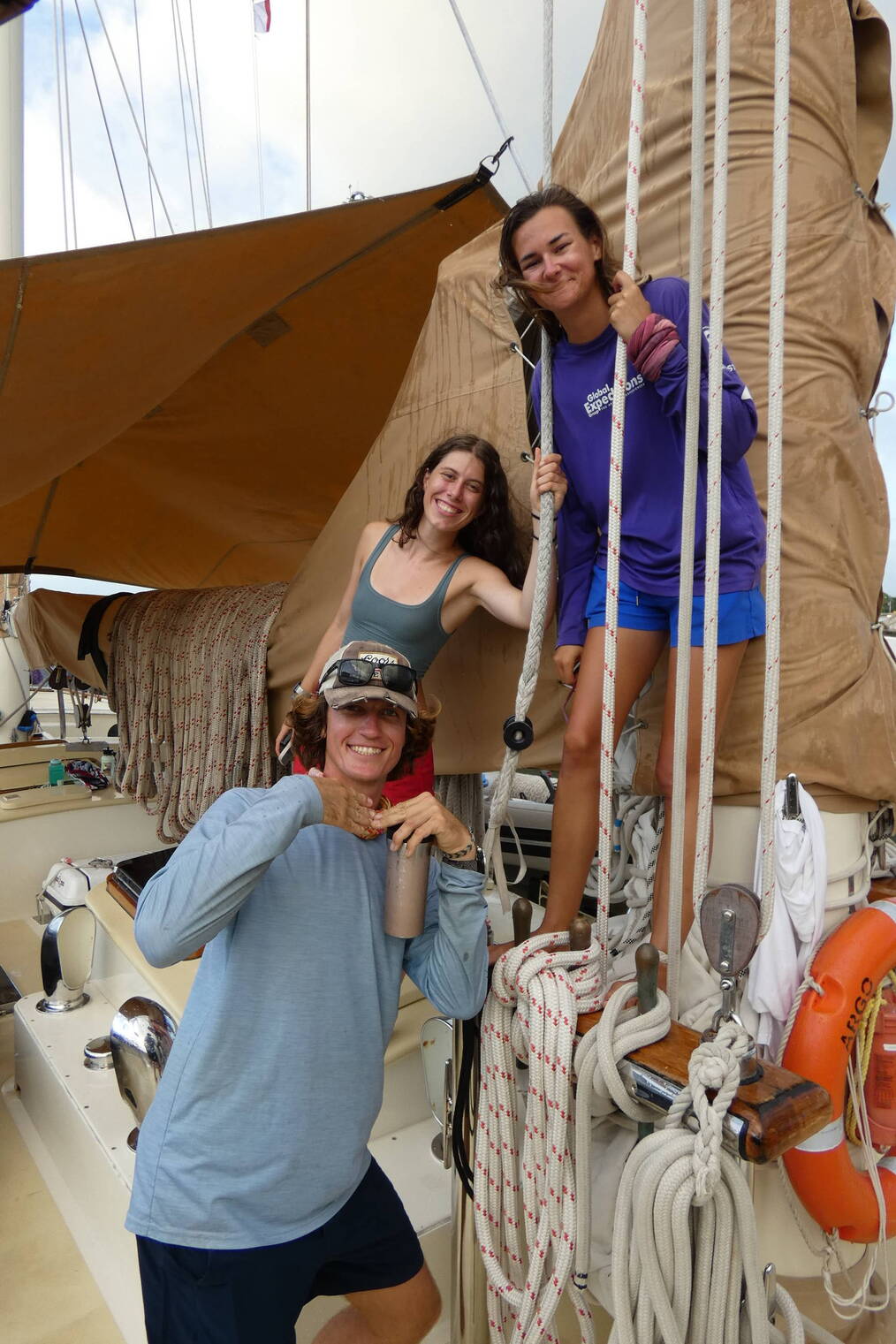
And then there was the less glamorous part of the routine: cleaning bathrooms, washing dishes, cooking, sweeping, organizing, doing laundry by hand, filling water bottles, and generally keeping twenty-ish people functioning inside one floating home. You quickly learn that the exciting parts only work because everyone does the boring parts too. Three times a day, once after every meal.
Dinner was usually around 6 or 7 and, like lunch, was generally eaten together on the boat unless we were ashore for the evening.
After dinner came one of the most consistent parts of the entire trip: squeeze. Everyone would sit around in a vaguely square-shaped circle, hold hands in what looked suspiciously like a small maritime cult, and the skipper of the day would choose who started. That person would answer the skipper’s question of the day, share their favorite memory from that day, and then pass it along until everyone had spoken.
How squeeze ended was less predictable.
Sometimes it was something simple, like everyone clapping twice at the same time. Other nights it somehow turned into a spontaneous game of hide-and-seek involving an entire sailboat. People hid in the dinghy, underwater, in ridiculous corners of the boat — and at one point I ended up holding onto the anchor line in the water waiting for someone to find me before any jellyfish did.
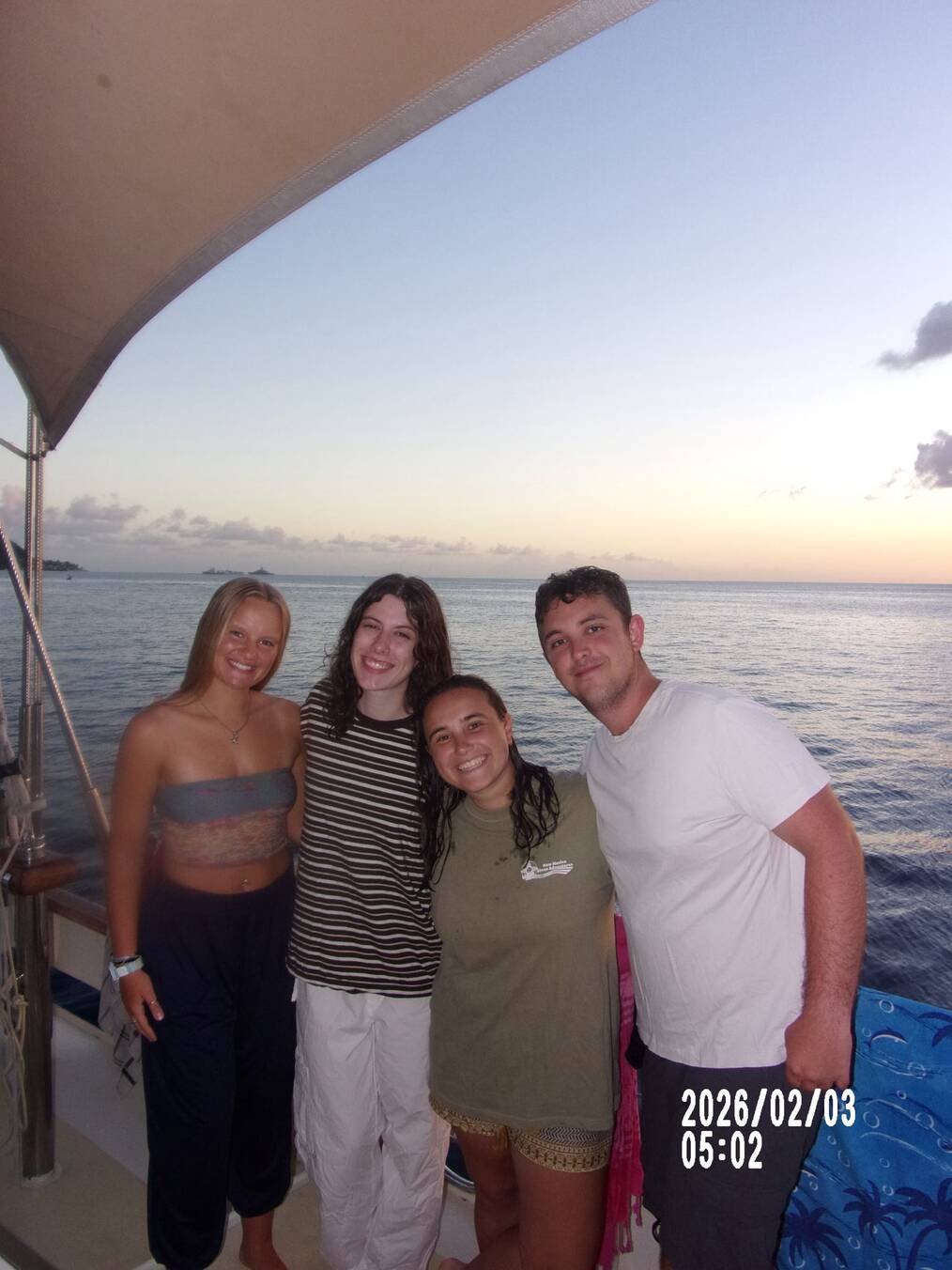
The evenings were usually my favorite. Once the work was done, people would sit around talking, play games, read, listen to music, eat whatever snacks had somehow survived communal life, or stay up far too late discussing things that became progressively less intelligent as the night went on.
Some weeks included long passages, others more diving or island time. Some days were packed from morning to night, while others gave us a few hours to slow down and exist together.
That unpredictability became part of the appeal. You could go to sleep exhausted from sailing and wake up the next morning preparing to hike a volcano.
After a while, that somehow started to feel normal.
Going into your experience abroad, what was your biggest fear, and how did you overcome it? How did your views on the issue change?
My biggest fear was, rather inconveniently for someone who had signed up to live on a sailboat for 40 days, the ocean.
I could not properly swim when I committed to Sea|mester. Water had always made me uncomfortable, especially when I could not touch the bottom, and the idea of being surrounded by miles of it suddenly made my choice of summer program seem slightly questionable.
So in the week before I left, I learned.
I spent hours in pools practicing swimming, snorkeling, floating, clearing water from my mask, and simply forcing myself to stay calm when my feet could not find the floor. I remember being genuinely proud the first time I managed to float on my back for ten uninterrupted minutes. It sounds like a very small achievement until you are someone who previously found deep water terrifying.
But I don't think I actually overcame the fear before arriving. I just became capable enough to arrive anyway.
That distinction ended up mattering.
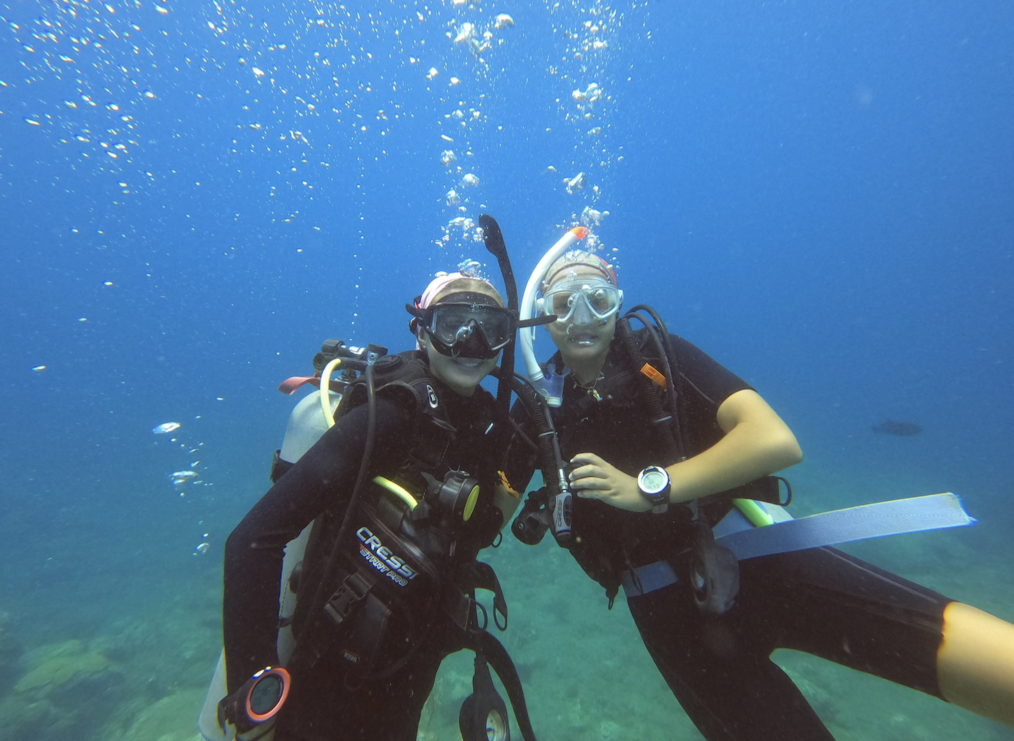
Sea|mester slowly changed my relationship with fear because nobody ever asked me to suddenly stop being afraid. I had instructors around me who knew what they were doing, friends beside me who were learning too, and repeated opportunities to go a little farther than I had the day before. One day you're nervously getting into the water. Later you're diving 100ft beneath it. Eventually you're jumping off the boat without thinking much about it (or the barracuda waiting by the ladder) at all.
Somewhere along the way, the ocean stopped feeling like this enormous thing waiting for me to make a mistake. It became somewhere I wanted to be.
And I think that changed how I understand fear more generally.
I used to think overcoming a fear meant reaching a point where it no longer frightened you. Now I think it's often much less dramatic than that. Sometimes you're still scared; you just keep collecting enough small experiences that your curiosity eventually becomes louder than the fear.
By the end of the voyage, I didn't feel brave because I had conquered the ocean. The ocean was still infinitely bigger and more powerful than I was.
I had simply learned that being afraid of something and going toward it are not mutually exclusive.
What do you come home with after 40 days at sea?
Stories. An unreasonable number of them.
I can't say I have a favorite one, though.
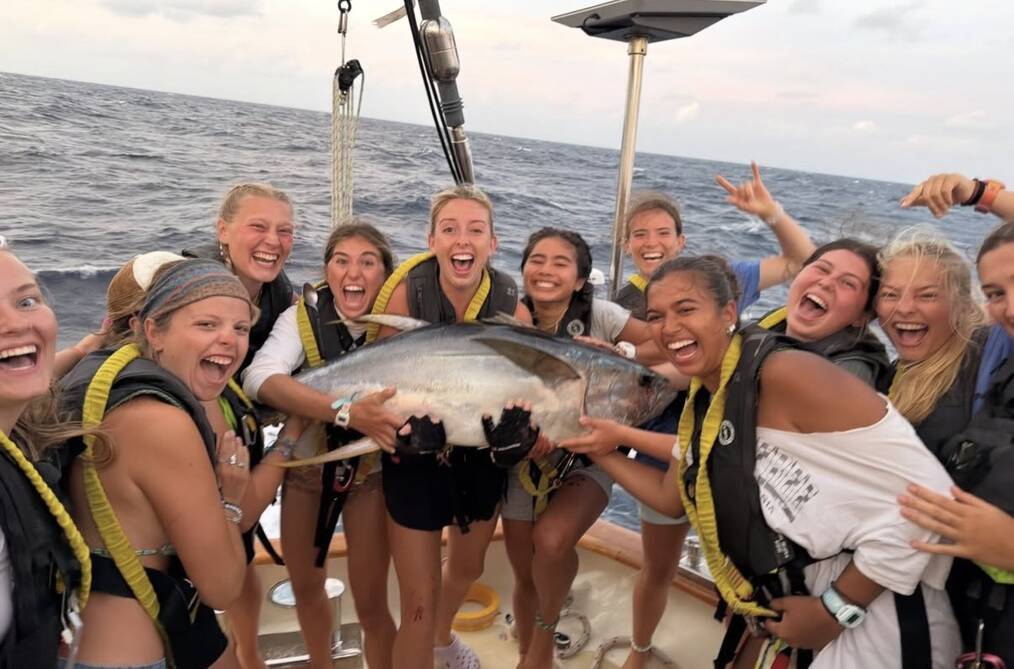
Was it dinghy sailing, when none of us had any business pretending we knew what we were doing, so the entire activity slowly turned into naval warfare? We were attacking each other, deliberately tipping boats, barely staying upright ourselves, and one duo somehow capsized seven times. They even managed to flip again while the instructor was towing them back to shore, which I am fairly certain is harder than simply staying upright.
Maybe it was discovering that jellyfish can, technically, be used as drums.
Or loading six garbage bags into a dinghy in the middle of a pitch-black night, creeping toward a neighboring boat, and ending a prank war with the seriousness and coordination of a Call of Duty mission.
There was the time I came uncomfortably close to falling into a boiling lake.
There was carnival night, where we joined games in front of what felt like half the island. Some of us won medals. Others covered themselves head-to-toe in grease trying to run across a wooden log for the grand prize of an uncooked turkey. I will let you decide which group had the more meaningful cultural experience.
There were the occasional tactical retreats to five-star resorts when life aboard had made air conditioning, hot showers, and clean towels feel like the height of human civilization.
There was standing on the side of a road with traffic moving behind us while a plane passed what felt like two meters over our heads on its way to land.
There was connecting three kayaks together and deciding, for reasons that made perfect sense at the time, that we should paddle through three-foot waves from St. Kitts toward Nevis. Somehow, we were actually pretty good at it.
And there was finding an island covered in conch shells, enthusiastically filling an entire kayak with around twenty of them as gifts for the crew, paddling them all the way back, proudly presenting our haul...
...only to learn that taking them was illegal.
So we paddled them all the way back.
And that's still barely scratching the surface.
I could tell you about the dives, the night watches, the volcanoes, the strange people we met, the stupid conversations that lasted hours, the meals that somehow became events, the things that went wrong, the things that went very right, and the stories that require so much context that explaining them properly would take longer than the story itself.
I came home with more stories from forty days than I know what to do with. Some are ridiculous. Some are meaningful. Some probably should remain within Ocean Star jurisdiction.
But they're mine.
And honestly, even if you would find them entertaining, forget them.
Forget everyone else's too.
At some point, stop reading about other people's adventures. Stop scrolling through photos of places you wish you had gone, imagining yourself inside stories that already belong to somebody else.
Go make your own.
They do not have to happen on a sailboat. They do not have to happen in the Caribbean. You do not need to nearly fall into a boiling lake, wage maritime prank warfare, or illegally traffic conch shells before promptly returning the evidence.
Just go live enough that, one day, somebody asks for your favorite story and you genuinely don't know which one to choose.
I hope yours are even better than mine.
I wish you the absolute best.