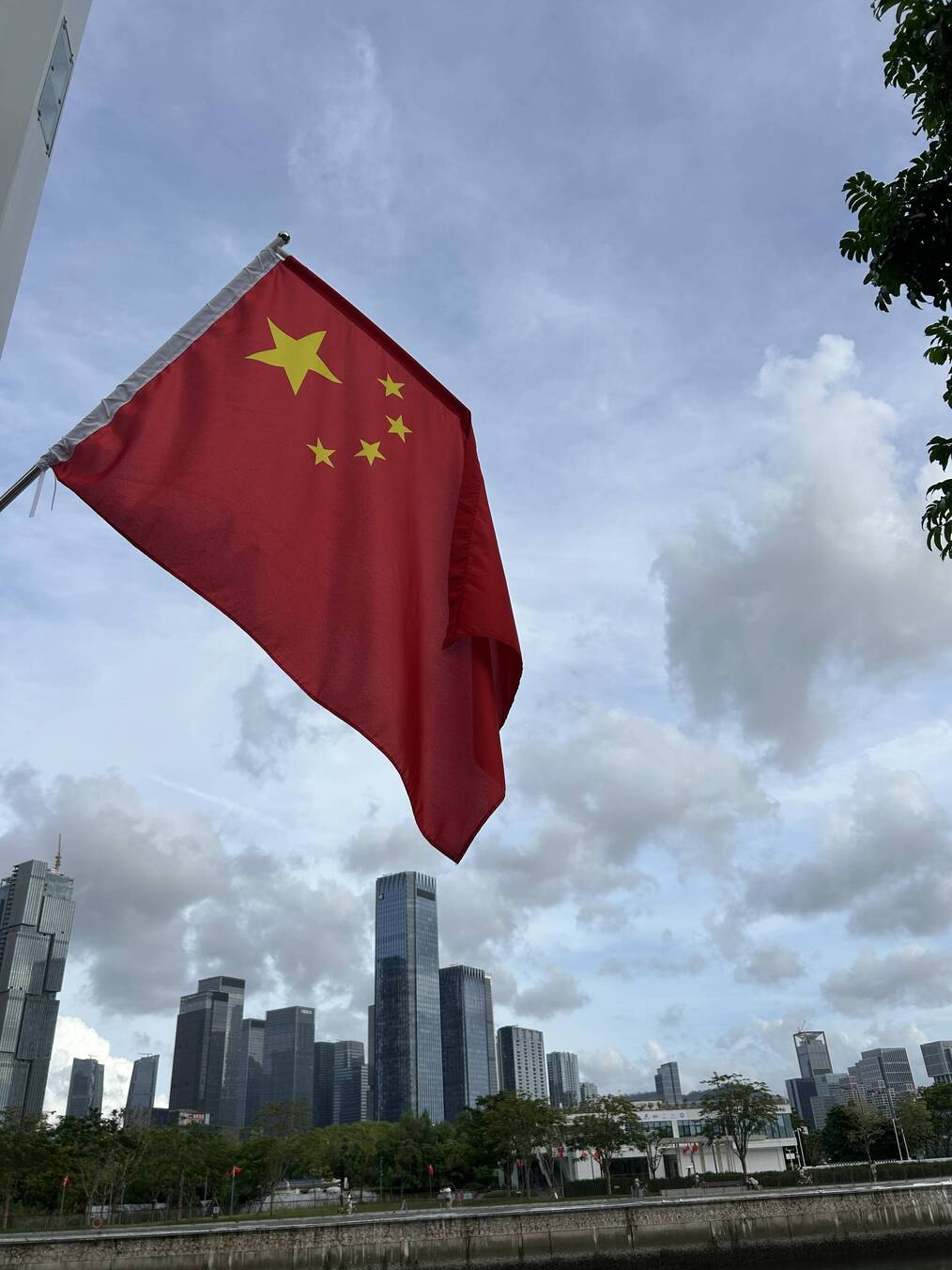
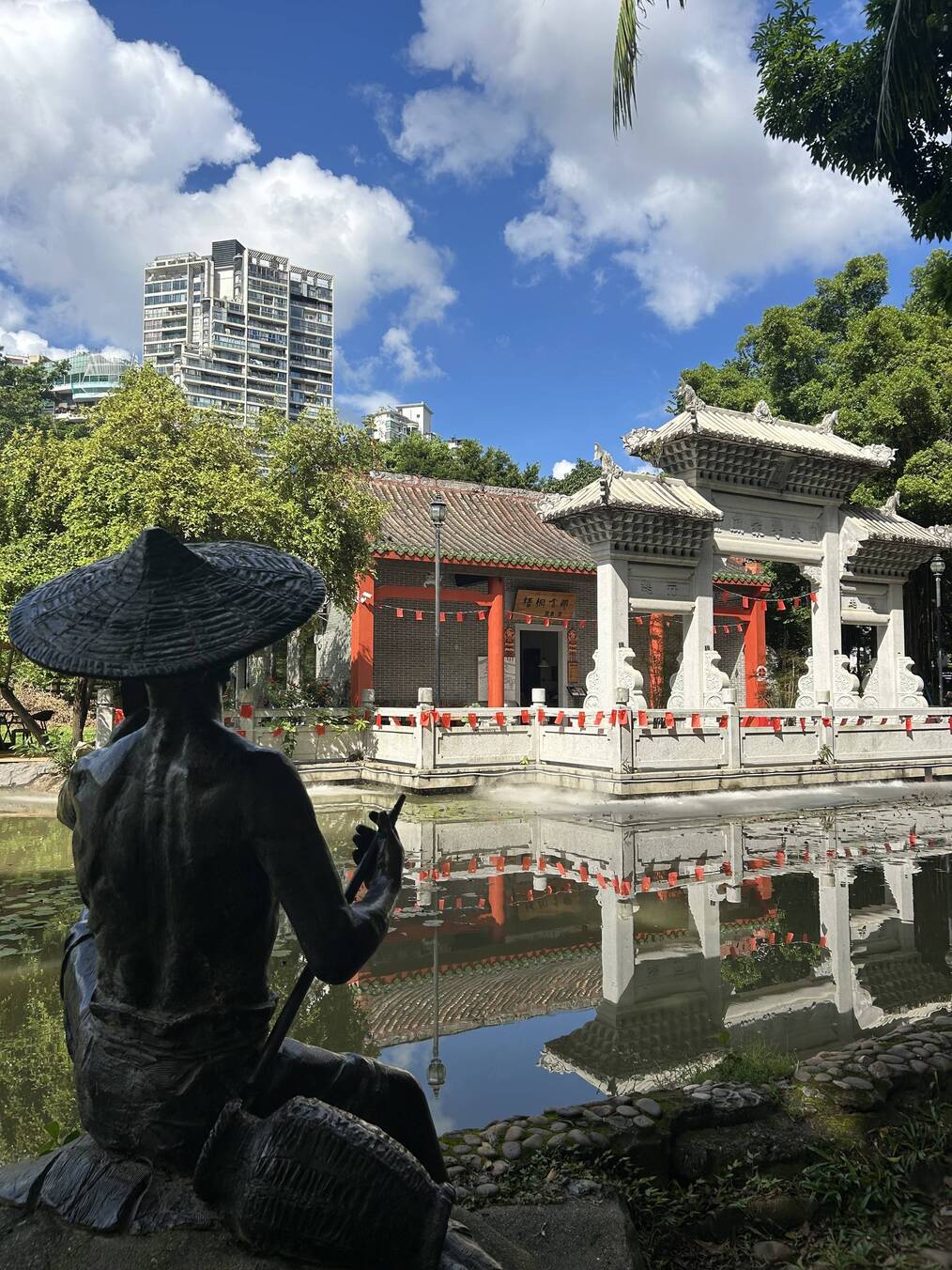
Coming to China to teach has been a rewarding and eye-opening experience overall. While the transition has had its challenges, it has also offered many benefits that make China a strong option for anyone considering teaching abroad.
One of the first lessons learned was related to the visa process. Due to attempting to arrange the visa on arrival, there was an unexpected delay, which added some initial stress upon entering the country. For future teachers, it is strongly recommended that the visa be completed in advance, as it makes the arrival process much smoother and allows for a more relaxed start.
Compared to other Asian countries, China stands out for its competitive wages and generous housing allowances, especially when paired with the relatively low cost of living. This combination makes it possible to live comfortably while still saving money. In major cities, daily expenses such as food, transportation, and utilities remain affordable, even with a modern lifestyle.
The four major cities are generally more foreigner-friendly, with established international communities and infrastructure that makes settling in easier. However, English is not widely spoken in everyday life, so learning basic Chinese or regularly using translation apps is extremely helpful. Over time, this becomes part of daily routine rather than a barrier.
One of the most noticeable aspects of life in China is how integrated technology is into everything. Nearly all payments, transportation access, and shopping are handled through phone apps and QR codes, meaning physical cards or cash are rarely needed. From the metro to restaurants and convenience stores, everything can be managed through a smartphone.
There are also many opportunities to meet other foreign teachers and international residents. Social circles form naturally through schools, language exchanges, and expat communities, and most Western products can be found with little difficulty, particularly in larger cities.
Pros of teaching in China include strong wages, a low cost of living, modern and clean cities, efficient public transportation, and an impressive high-speed rail system that makes traveling within the country very convenient. Additionally, nearby countries such as Vietnam and Thailand are easily accessible, making regional travel affordable and appealing.
Cons mainly relate to culture shock. There are many small cultural norms that differ from Western countries—not in a negative way, but in ways that may not be immediately obvious during the first few weeks. The population density in cities can also be overwhelming at first, and the language barrier can be challenging since English is not commonly spoken. Security and customs procedures, particularly at train stations and when traveling through ports such as Hong Kong or Macau, are strict, and carrying a passport at all times is necessary.
That said, once the cultural differences are understood and the fast-paced city lifestyle becomes familiar, living and working in China becomes much more enjoyable. With an open mindset and some patience, China offers a unique, dynamic, and fulfilling experience for teachers willing to adapt and explore what the country has to offer.
What was the most nerve-racking moment and how did you overcome it?
The most nerve-racking moment so far occurred during the visa process upon arrival. While attempting to obtain a visa on arrival when traveling from Hong Kong to Shenzhen via the metro, the application was denied, and I was informed that the process needed to be completed through the Hong Kong visa office instead. This required returning to Hong Kong and submitting the application in person the following day, which extended the process by several additional days.
Because Hong Kong has a significantly higher cost of living than mainland China, this situation was stressful, as it required spending more money than originally anticipated during the first week. However, the agencies involved were very supportive and provided guidance throughout the process, which helped reduce much of the uncertainty.
Once the visa was successfully completed through the proper office, entry into China was straightforward, and there were no further issues. Although stressful at the time, the experience reinforced the importance of completing visa arrangements in advance and highlighted the value of having reliable support during unexpected situations.