SFS Study Abroad: Sustainable Food Systems in Tuscany
SFS Study Abroad: Sustainable Food Systems in Tuscany

- Italy
- Tuscania
About Program
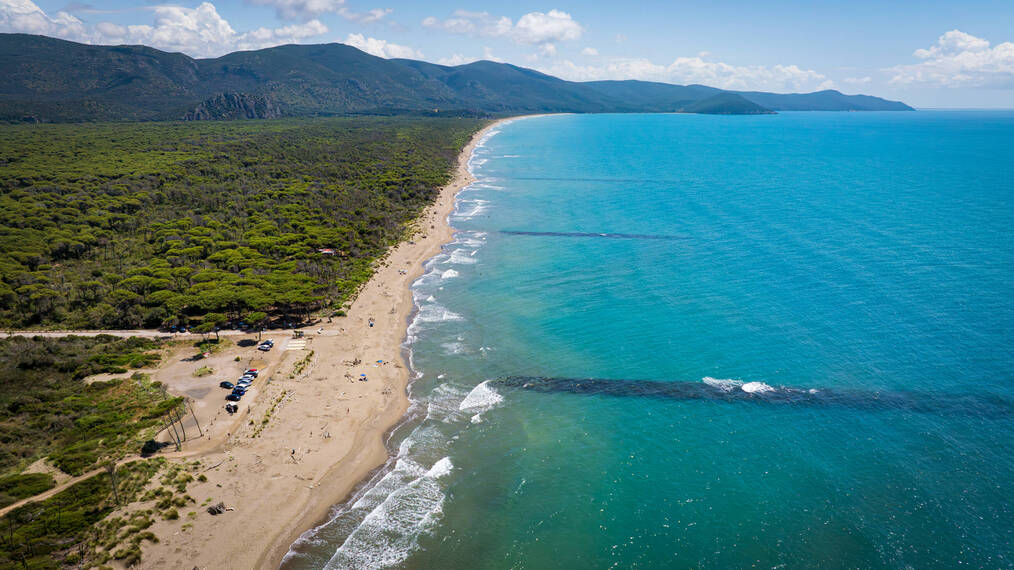
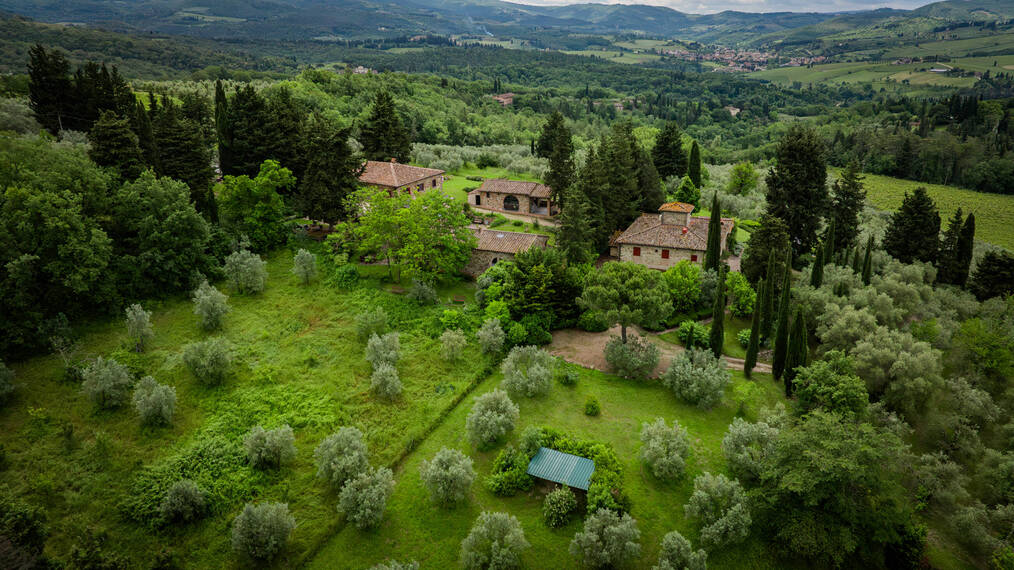
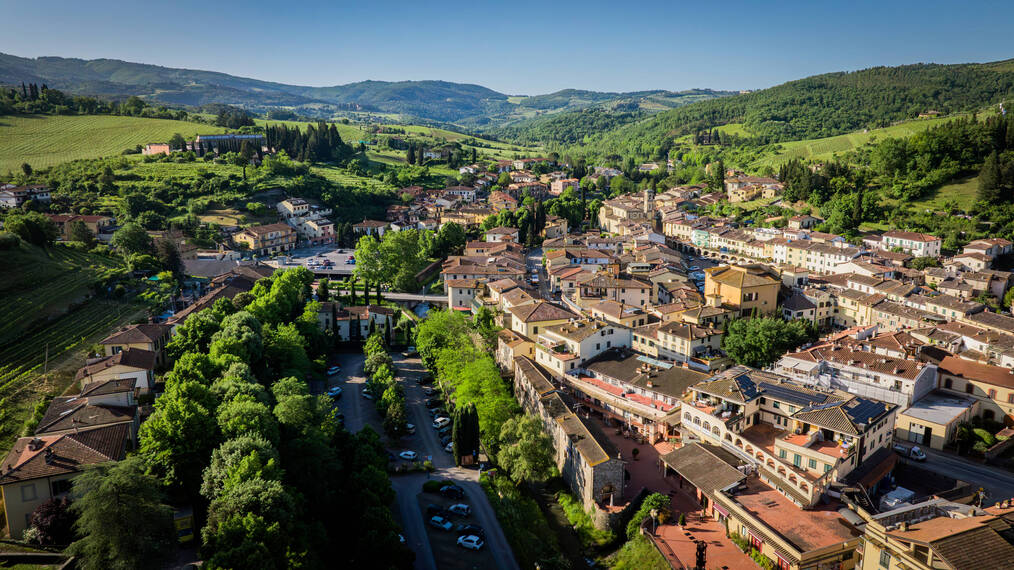
From vine-covered hills and chestnut forests to volcanic slopes and Mediterranean shores, this is your entry point to Italy’s living landscapes. Based in Tuscany, you’ll have access to a remarkable range of ecosystems, from the coastal lagoons of Maremma to the high pastures of the Apennines. Field-intensive travel extends south to Sicily, where fertile volcanic soils, traditional fisheries, and layered cultural histories provide a vivid counterpoint to central Italy’s agricultural heritage. Survey biodiversity, meet with farmers and fishers, or trace how centuries-old practices adapt to today’s environmental and economic pressures—all within one of the world’s most celebrated food and cultural regions.
Program Highlights
- Track biodiversity in Orbetello’s lagoon with artisanal fishers responding to rising salinity, policy shifts, and ecological decline.
- Explore food’s biocultural roots during a weeklong Sicilian excursion, where Greek and Arab agricultural legacies echo through landscape, language, and cuisine.
- Analyze agroecosystem resilience in Chianti and Maremma by assessing soil, water, and landscape indicators across working farms.
- Share meals and language in family kitchens, where recipes and conversations open cultural and linguistic doors.
- Conduct Directed Research: frame a stakeholder-driven question, collect and analyze field data with faculty guidance, and present actionable findings to local partners.
Video and Photos
Popular Programs
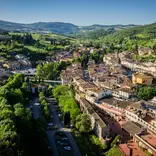
Stone terraces, chestnut groves, and coastal lagoons form a living tapestry where food, culture, and ecology are inseparable. Students kneel in vineyards to survey pollinators, track wolves along ridgelines, and study soil and water management in citrus groves, while working with cooperatives adapting to climate shifts and global markets. Students collaborate with local cooperatives during harvest season, gaining insight into sustainable food systems and agricultural practices.
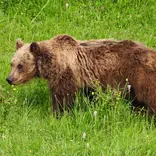
Students explore how ecosystems can recover in working agricultural lands, from olive groves and vineyards to rewilding mountain pastures. Fieldwork, excursions, and community engagement offer a firsthand look at the ecological and cultural dimensions of restoration, as well as the conflicts and cooperation between wildlife conservation and food production.