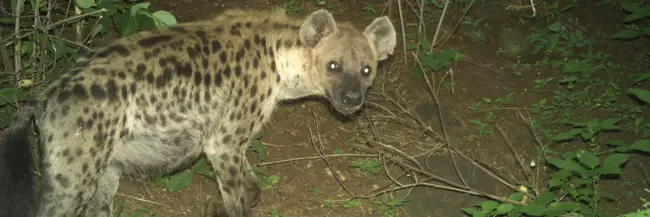
Hyena Conservation in Northern Tanzania

Hosted by
- Tanzania
Frequently asked questions
Hyena Conservation in Northern Tanzania starts at $1,625 USD. For full pricing, visit the provider’s website.
Hyena Conservation in Northern Tanzania is open to participants aged 18 to 70.
The program runs for 2 to 12 weeks.
Yes, the program includes housing. Participants stay in tents.
The program fee includes accommodation, some activities, meals, SIM cards, transportation, and wifi.
Hyena Conservation in Northern Tanzania is located in Tanzania.
About Program
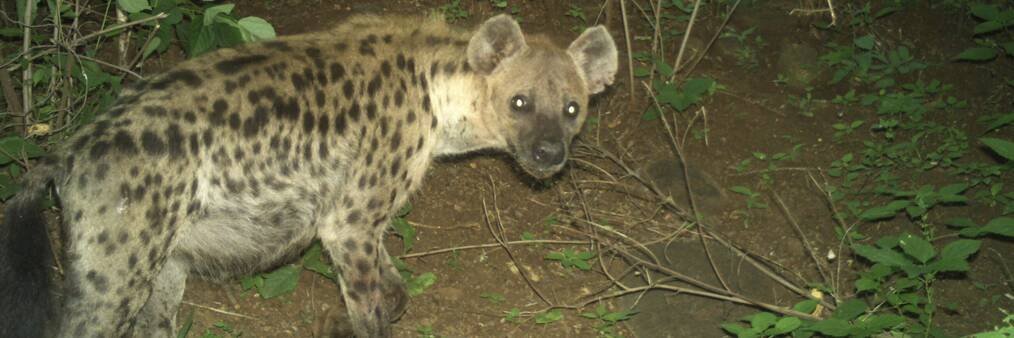
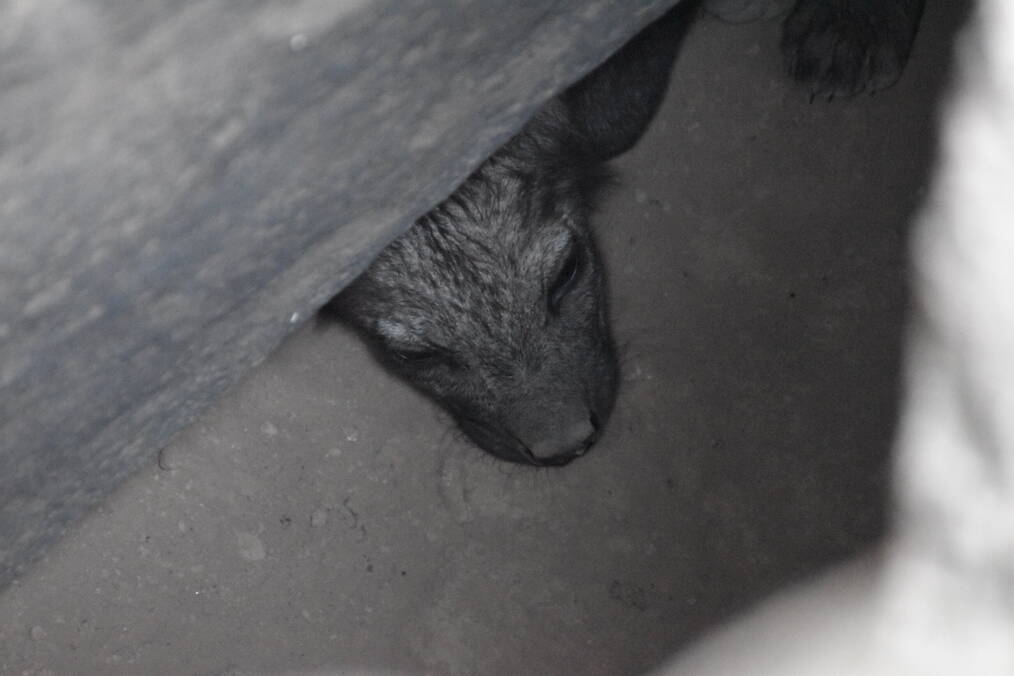
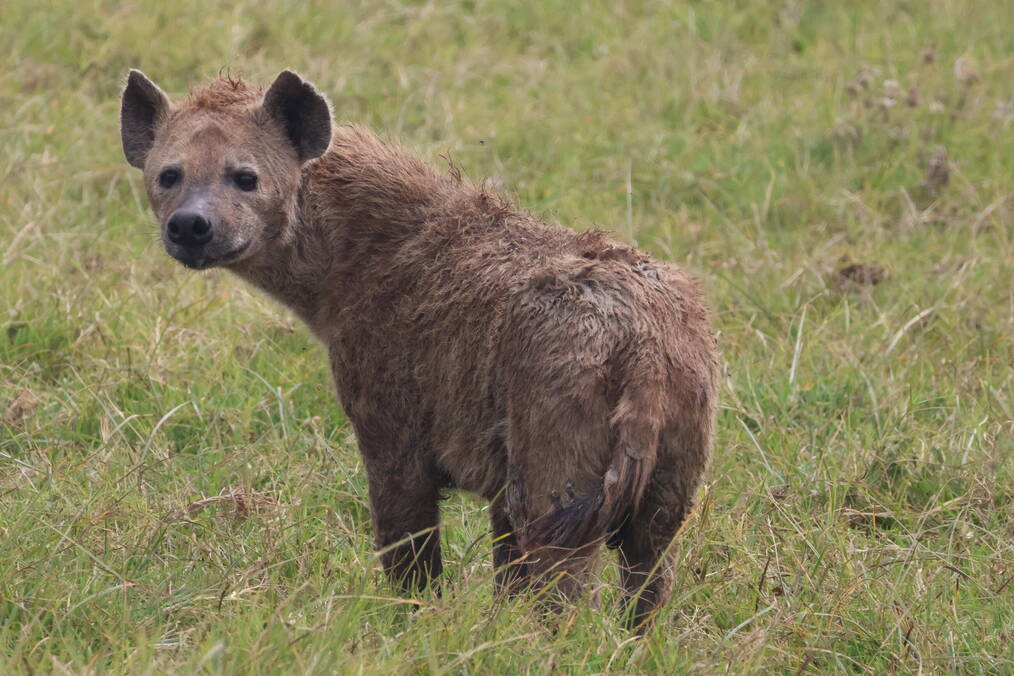
Wildlife and conservation enthusiasts will have a unique experience while joining the day-to-day work of United Tansania's contributing to our hyena program. As a volunteer, you will be fully integrated in our hyena conservation work highlighted in the lists below. Activities vary according of the program's needs.
Project work:
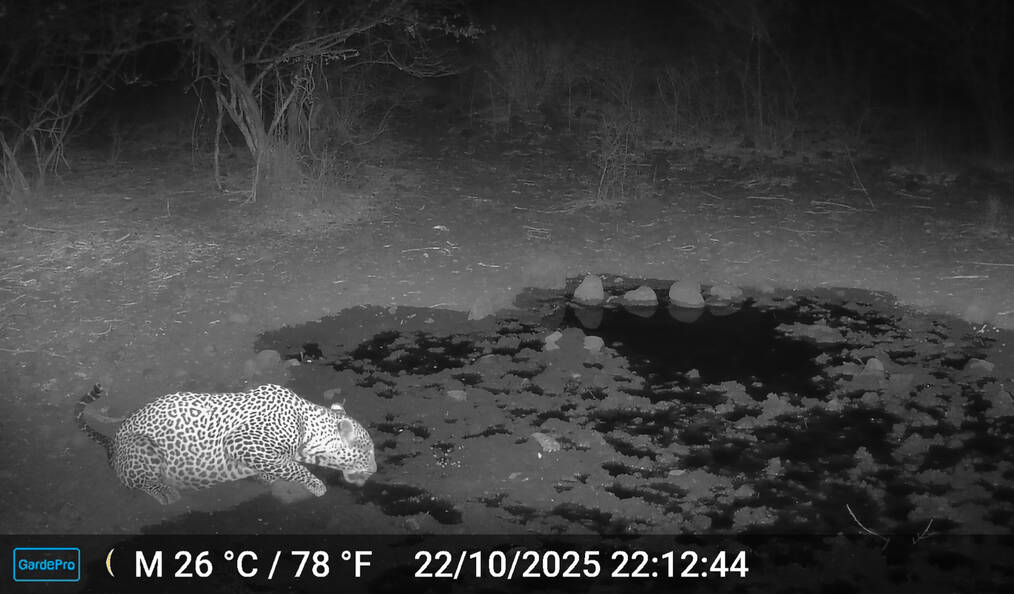
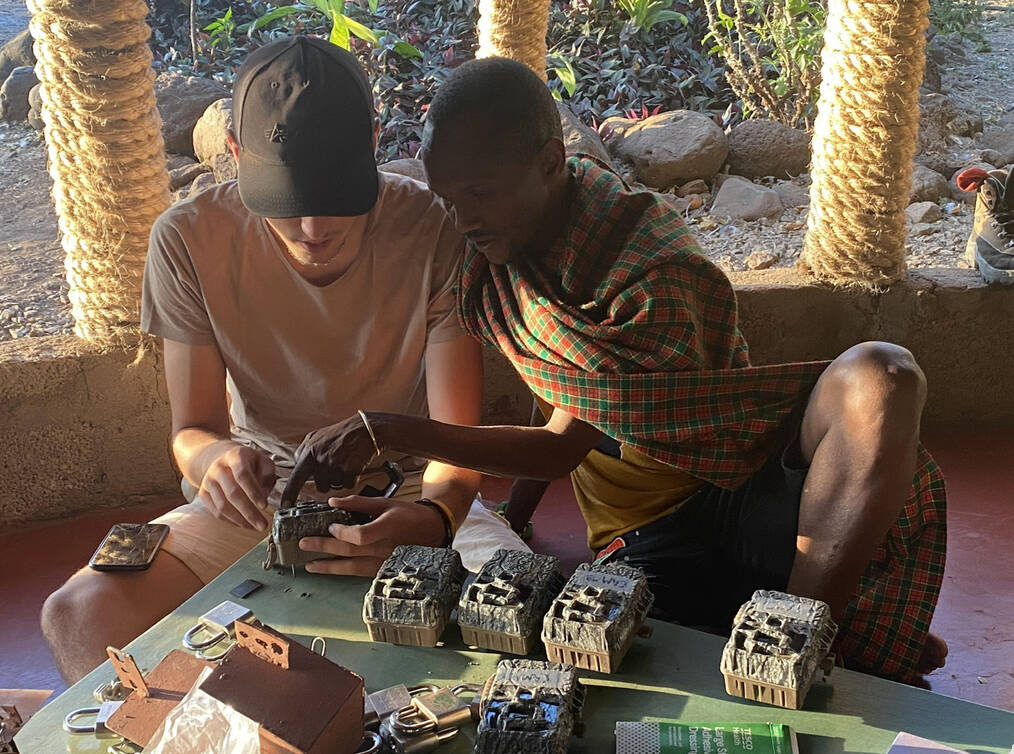
Camera Trapping
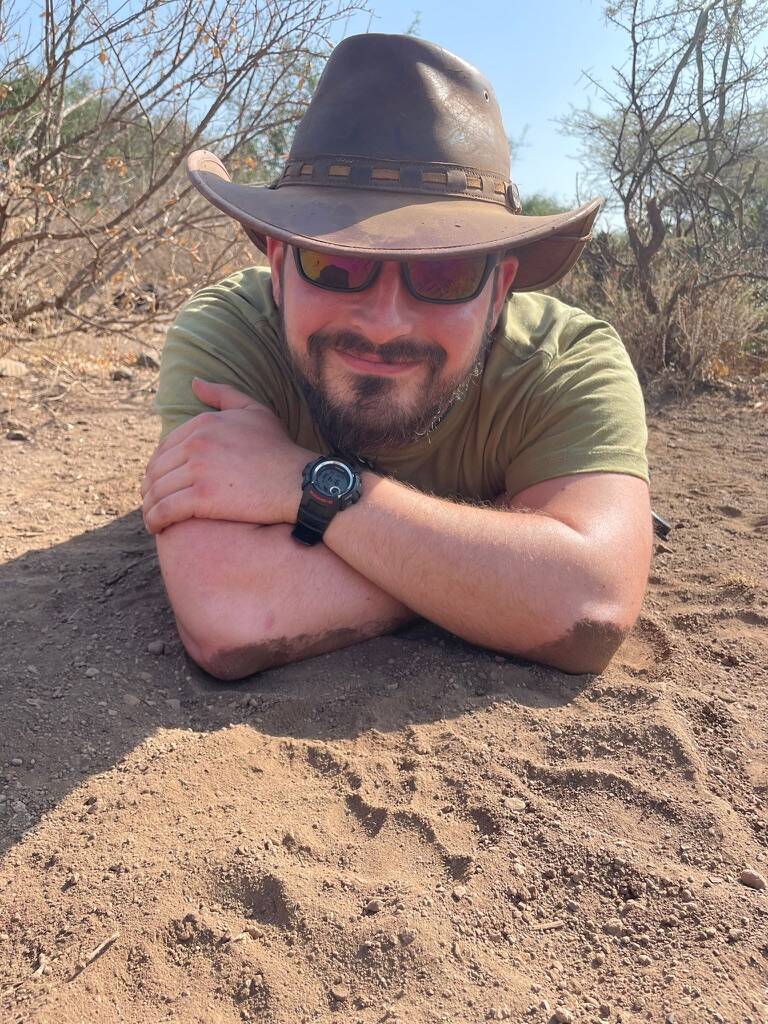
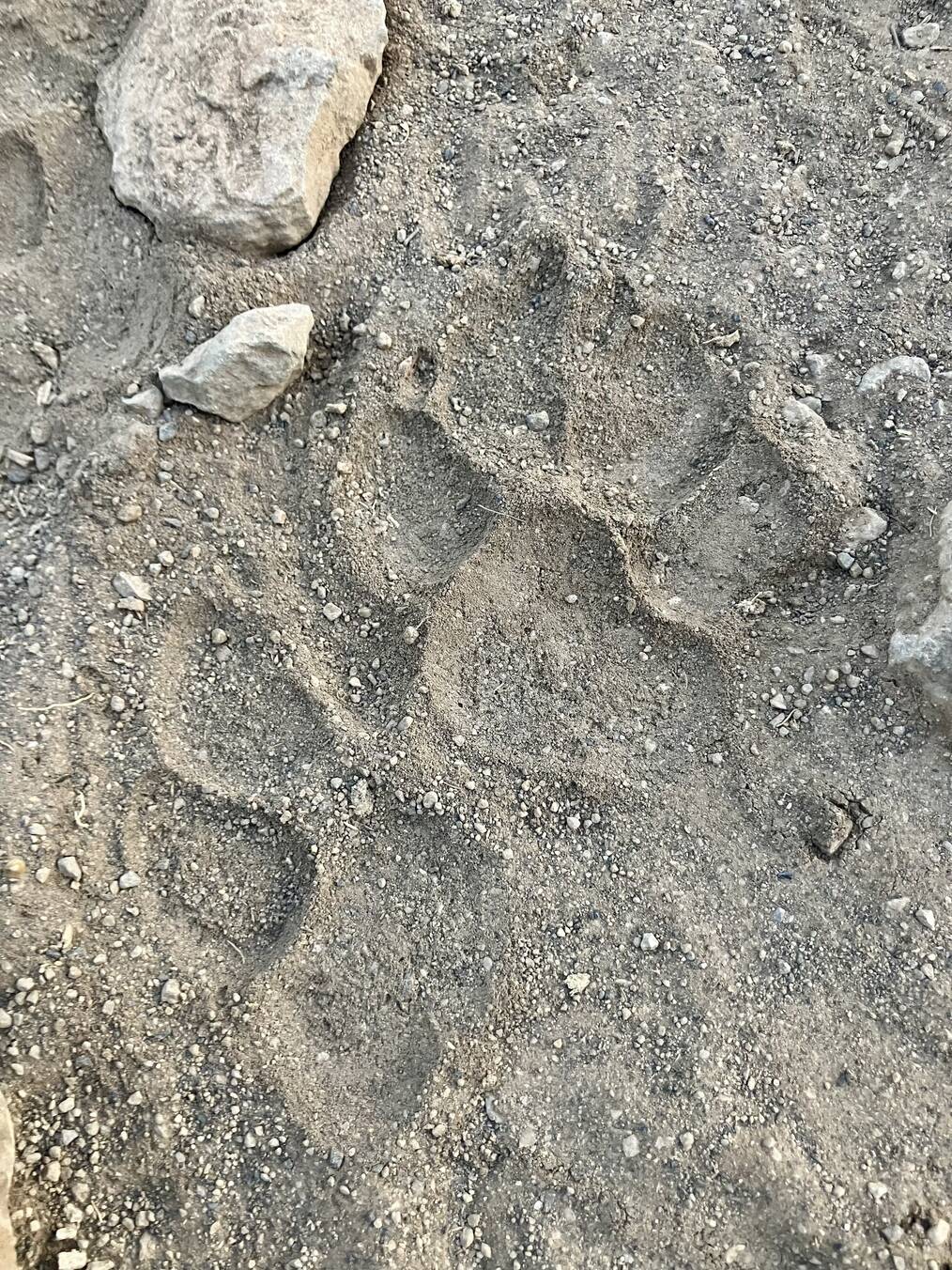
Track Surveys
Snare detection
Scat sampling
Photo-ID
Habituation
Clan-Monitoring
Den-site ID
Profile compilation of individuals
Mapping / ArcGIS/ QGIS
Training on data collection & analyzing tools
House hold interviews & data analysis Reporting
Social Media activities
Photo documentation
Habitat assessment
Community work:
Teaching at a school
Working in the nursery
Camp maintenance
Boma construction
Participate on cam scout project
Preparation of educational material
Organisation of events
Participate on community meetings
Your free time can be spent exploring Lake Eyasi, the nearby city, or taking day/weekend trips to National Parks.
Program Highlights
- We organize cultural experiences with the Hadzabe & Datoga tribe
Video and Photos

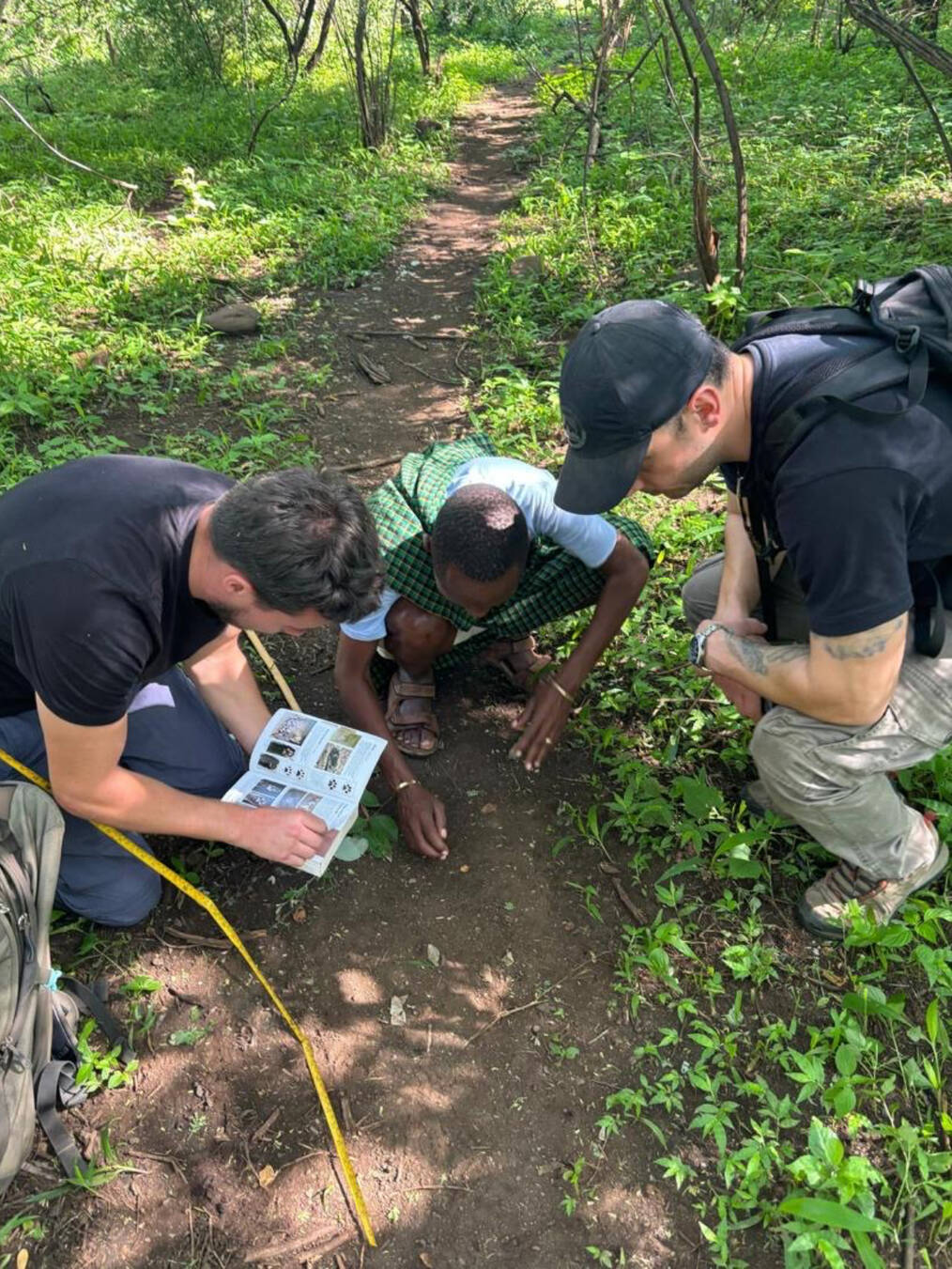
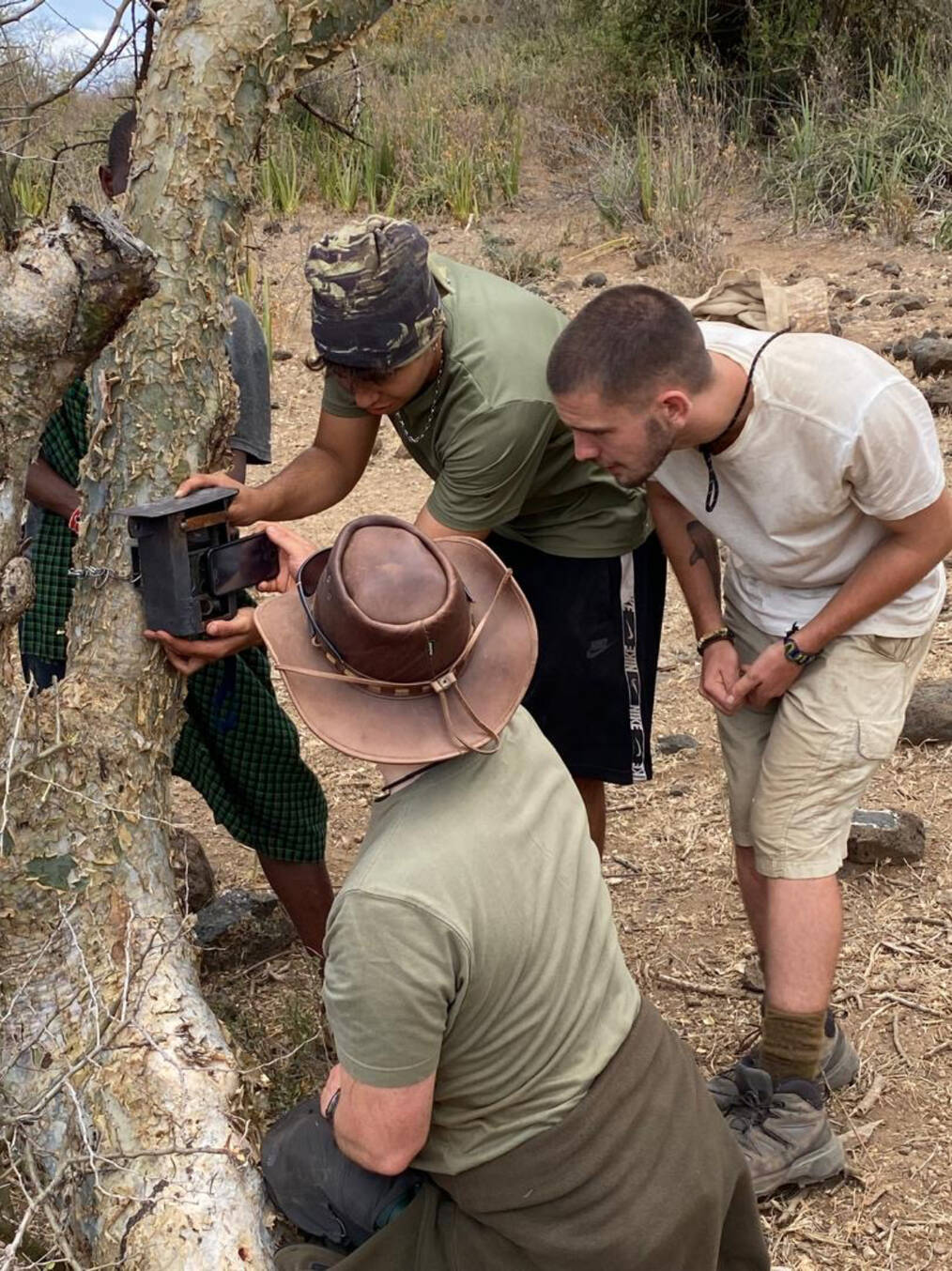
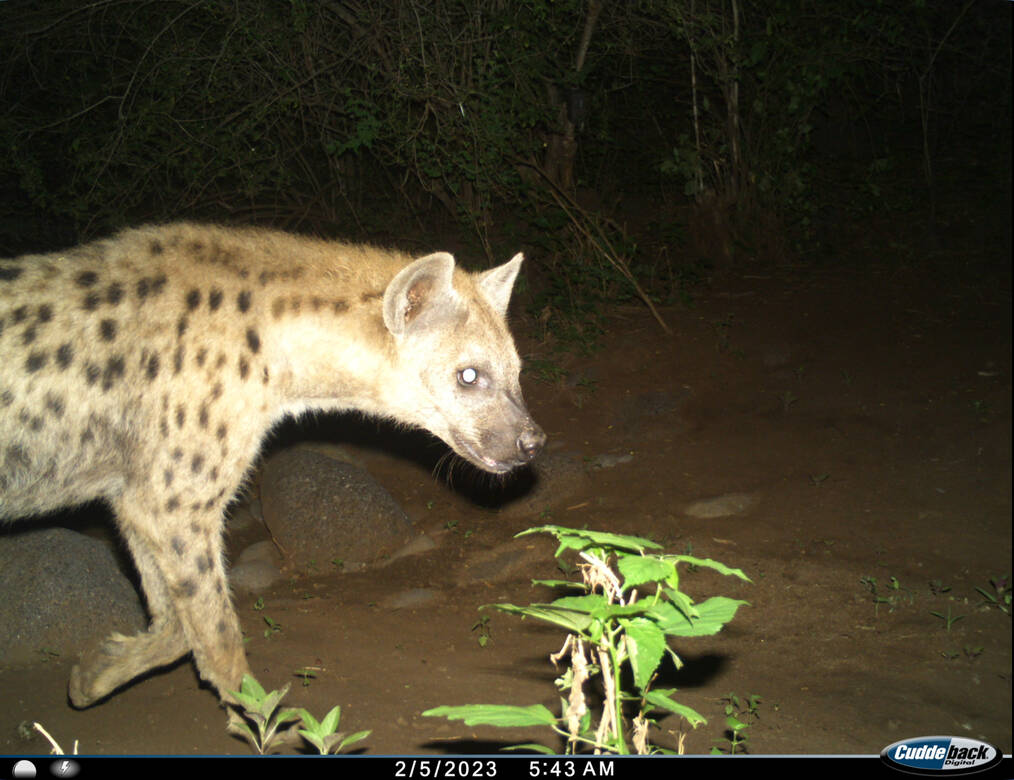
Program Impact
United Tanzania is committed to empowering local communities and conducting research on spotted and striped hyenas mitigating human/hyena-conflict.
Tanzania experiences water stress, drought and increasing arid-lands due to overgrazing and climate-change-effects reinforced by deforestation as well as loss of habitat for many species due to a rising number of population size.
Our long-term goals include developing effective strategies for carnivore conservation and enhancing animal health. We have implemented several conservation strategies, including a rabies vaccination campaign around Lake Eyasi to promote human and animal safety, a community camera trapping competition to reward villages based on wildlife presence, and hyena tracking and data collection to inform ongoing conservation initiatives.
Related Programs




Community Questions
Location
Tanzania can be an easy place to overlook when planning a trip to Africa, but it is teeming with wildlife, lush landscapes, culture. You will witness all of those from the wildebeest migrations, 3 of the 7 natural wonders, and Maasai people.