Global Health in Uganda

Global Health in Uganda

Location
  • Uganda
    • Mukono
Length
4 to 10 weeks
General grants/scholarships
Health & Safety

Program Details

Language
English
Timeframe
Short Term Spring Break Summer Winter Year Round
Housing
Apartment Guesthouse

Pricing

Price Details
Please visit our website for the full pricing of our programs.
What's Included
Accommodation Some Activities Airport Transfers Some Meals SIM cards Travel Insurance
What's Not Included
Some Activities Airfare Some Meals
Apr 29, 2026
Jul 25, 2025
9 travelers are looking at this program

About Program

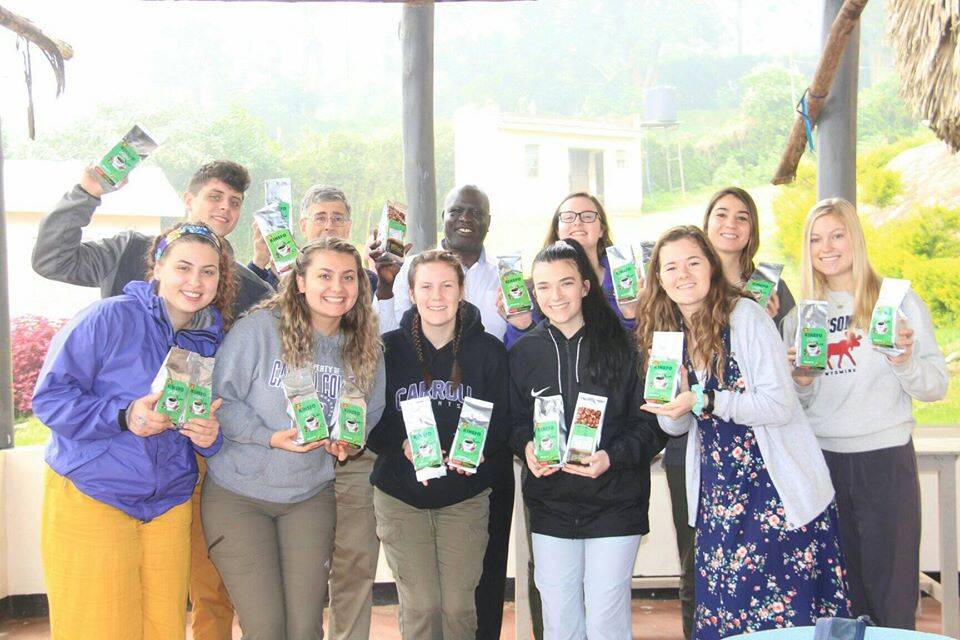
Program participants will learn about determinants of health through activities in soil science, crop science and animal husbandry; all centered around Ugandan realities. Learn about innovative methods to address malnutrition and food insecurity from Ugandan experts. Visit local clinics and healthcare centers to see the ways that sustainable agriculture and food access impact clinical care and health outcomes. CFHI offers immersion programs in two locations, each with unique health focuses.
-Global Health in Uganda - Kabale
-Global Health in Uganda - Mukono

COMMUNITY REVIEWS SUMMARY

This program offers a well-structured, immersive experience in Uganda’s healthcare system, emphasizing learning from local experts and community-based approaches.

Program Highlights

  • Learn about groundbreaking, integrated approaches to addressing and improving maternal and child health.
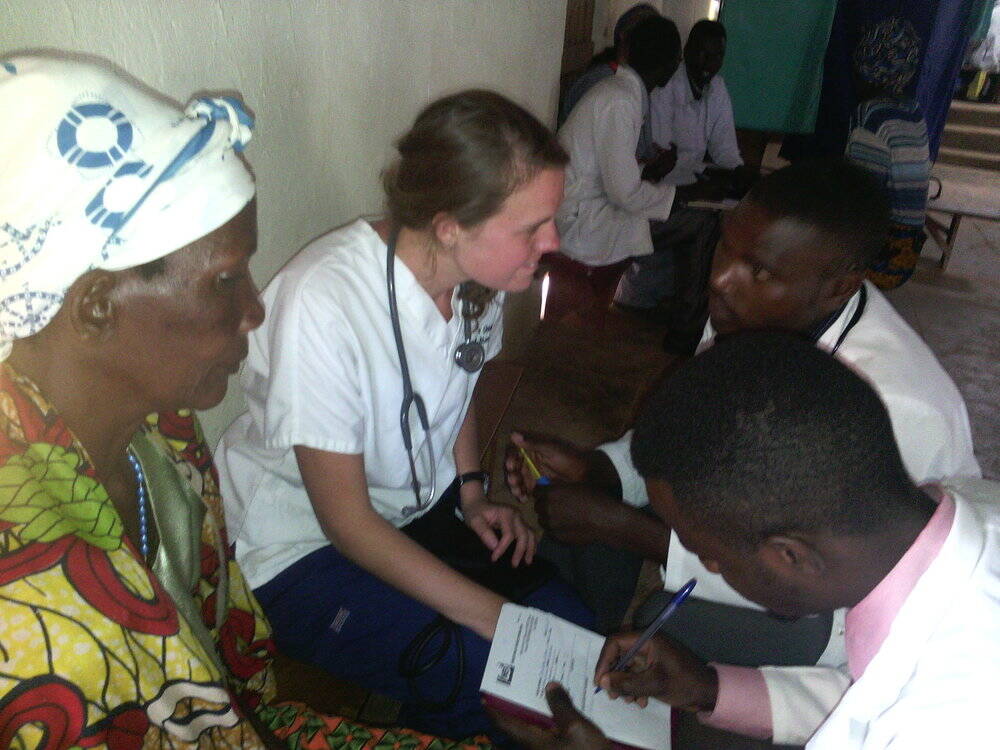
  • Accompany local outreach teams to rural villages and explore how nutrition and HIV are closely linked.
  • Learn about and collaborate with Village Health Teams (VHTs), a training program for community health workers.

Video and Photos
Diversity & Inclusion 💙

CFHI is deeply committed to supporting BIPOC participants in our programs, building our programs and operations from a basis of anti-oppression, anti-racist, and anti-colonial approaches. We work closely with our Global Team to provide participants with location-specific information regarding local customs, norms and recommendations. During pre-departure preparation, we encourage participants to discuss their identities, needs, abilities, and concerns and set up 1:1 planning calls to ensure questions are answered, and a robust support system is established before travel. In addition, our local teams and CFHI leadership are available 24/7 to offer support and assistance.
At CFHI, we are dedicated to fostering an inclusive and supportive environment for participants of all identities, including those within the LGBTQIA+ community. We firmly believe in equal access to quality global health education, ensuring that everyone can engage and thrive. We collaborate with our local teams to provide resources and support to participants that is specific to each program and location. During pre-departure, participants are encouraged to discuss their unique concerns and set up 1:1 planning calls to ensure questions are answered and a robust support system is established before travel. Through these efforts, we aim to foster an environment where participants can learn, grow, and make meaningful connections while participating in global health experiences.
CFHI encourages participants to discuss their accommodation needs with CFHI after acceptance to their program to ensure we understand the accommodations needed and be well prepared to support them. Before departure, our team will work directly with each student and their institution (if relevant) and will make every possible effort to implement learning and physical accommodations and adaptations, remove barriers and allow full access to the extent possible without fundamentally altering the program's essential structure and standards. If it is not possible to accommodate a student on their first choice of program due to significant structural barriers or similar, CFHI will work with the student and their institution to select another suitable program option.
CFHI encourages participants to discuss their accommodation needs with CFHI after acceptance to their program to ensure we understand the accommodations needed and be well prepared to support them. Before departure, our team will work directly with each student and their institution and will make every possible effort to implement learning and physical accommodations and adaptations, remove barriers and allow full access to the extent possible without fundamentally altering the program's essential structure and standards. If it is not possible to accommodate a student on their first choice of program due to significant structural barriers or similar, CFHI will work with the student and their institution to select another suitable program option

Impact 🌎

Sustainability is at the core of our partnerships at CFHI. Our longstanding global partnerships, spanning more than 10+ years, reflect our ethical and Fair-Trade approach. CFHI's organizational values emphasize our interconnectedness as humans sharing one planet. To expand educational opportunities while reducing our organizational carbon footprint, we offer a range of virtual/online programs. Additionally, several programs focus on Planetary Health and encourage participants through our Planetary Health Pledge to commit to actionable initiatives that contribute to a healthier planet. Through these efforts, we are dedicated to nurturing sustainable and enduring relationships with our partners and the planet.
CFHI is a leader in community-based Global Health Education Programs with over 30 years of experience and in Special Consultative Status with the United Nations. CFHI's work has centered around offering safe, ethical, and sustainable global health education opportunities to trainees and academic partners. Our research and scholarship have focused on documenting the harm caused by neocolonial and paternalistic approaches to global health engagement and collaboratively developing standards and best practices rooted in Fair Trade Learning Principles, Asset-Based approaches, and appropriate legal and regulatory frameworks. Through immersive experiences, participants are embedded in existing health systems, deepening their understanding of host countries' health landscapes, refining intercultural communication, exploring complex health realities, and cultivating a commitment to global health ethics.

Popular Programs

Kabale Uganda

East Africa’s Uganda is known for its stunning ecotourism opportunities, beautiful mountains, and tea and coffee production. Kabale is a town in the lush Western mountainous region of Uganda, where the local public health system and health workers strive to address challenges such as high maternal and infant mortality, HIV/AIDS and other infectious diseases, and limited access to nutritious food, leading to malnutrition.
Mukono Uganda

Uganda is known for its breathtaking ecotourism opportunities, lush mountains, and the bustling capital city of Kampala. To help address preventable health challenges such as high infant mortality rates, diarrheal diseases, and malaria, Uganda has created a “Village Health Team (VHT)” program through which transnational NGOs, including Omni Med (CFHI’s partner in Mukono), train and support community health workers.
Program Reviews

4.75 Rating
based on 12 reviews
  • 5 rating 75%
  • 4 rating 25%
  • 3 rating 0%
  • 2 rating 0%
  • 1 rating 0%
  • Growth 4.7
  • Support 4.75
  • Fun 4.75
  • Housing 4.85
  • Safety 4.85
Showing 9 - 12 of 12 reviews
Kathryn
5/5
Yes, I recommend this program

Very Advanced Model

I was blown away by the model used by the healthcare workers in Kabale. Working in partnership with both medical and traditional healers, CFHI (and KIHEFO) fights the cycle of poverty, ignorance, and disease.
I made lifelong friends and learned so much. The staff were so helpful, answering our questions even after a difficult procedure or a long day. I always felt welcomed and like I was part of something bigger than myself. My only complaint was that the trip was too short, and that was my own fault. :) I hope to return soon.

200 people found this review helpful.
Katelyn
5/5
Yes, I recommend this program

KIHEFO

Incredible experience! The end of our orientation day consisted of experiencing a baby being born at the Women and Children Clinic. What a way to finish up orientation day. The midwives were excellent and explained the stages of the birthing process to us throughout and took time afterwards to discuss with us. The actual hands-on experience gained while at KIHEFO was priceless. I recommend CFHI intensives to any students. Learned so much in the two weeks.

165 people found this review helpful.
Selem
4/5
Yes, I recommend this program

KIHEFO

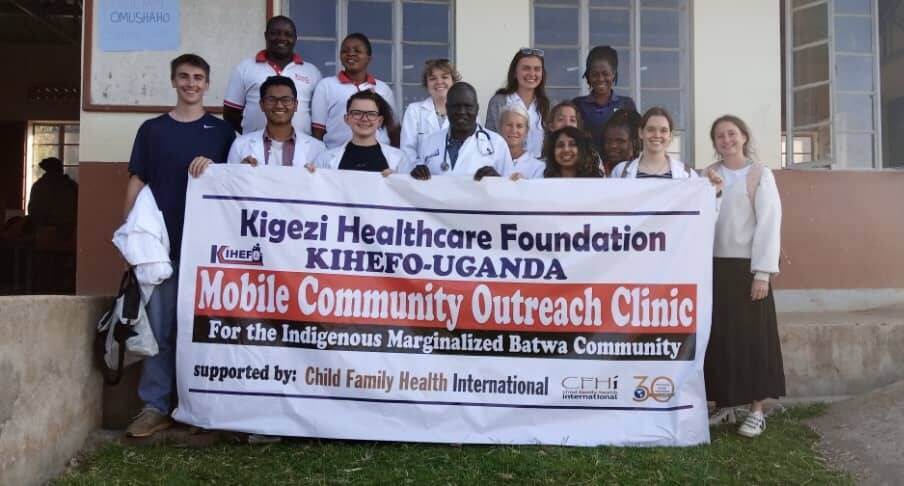
My time in Kabale, Uganda was spent with the Kigezi Healthcare Foundation KIHEFO specifically in the general clinic. I am a medical student and found the clinical component of my program to be very educational. There was also a cultural component as staff made sure to share their traditions, heritage and history. Time was spent in the surrounding villages providing health care and educational seminars as well.

The program provides ample time for tourist activities like safari and sight seeing. Overall the program was very structured and planned out to provide a safe and comfortable experience. This is especially beneficial for those who are traveling abroad for the first time.

154 people found this review helpful.
K
4/5
Yes, I recommend this program

CFHI in Kabale, Uganda

CFHI provides a nice organized introduction into big issues in health care in Uganda and East Africa. If you have any interest in HIV/AIDs, tropical medicine, maternal child health issues, food insecurity and undernutrition, you will learn from this program. Even better, you learn almost exclusively from Ugandans while there. Their vision for health and progress in their country is awe-inspiring and the CFHI program is a wonderful opportunity for students to both participate and contribute as they work on meeting their goals. Healthcare in Africa is extremely complicated, but the doctors and medical workers I learned from in Uganda have cultivated an ability to step back and see the big picture. They helped me to see how interconnected all of the pieces of healthcare are. One patient in particular drove this home for me--we treated a young malnourished child with HIV on an outreach day in a village, then brought her back to town to treat her malnourishment with refeeding and engaged her and her mother in a program to teach them to improve their farming practices and access to food near their home. I was so impressed with the capability of a clinic with minimal resources overall to tackle these gigantic problems in such a holistic way. I hop that after seeing such great examples of program planning and implementation that I will be able to take some of that forward into developing my own clinical practice in the future.

What would you improve about this program?
I think that CFHI could be more transparent about how the program fees go to support the organization that you work with in Uganda.
140 people found this review helpful.

Questions & Answers