APA is a French and Francophone study abroad program provider.

Academic Programs Abroad (APA)

Why choose Academic Programs Abroad (APA)?

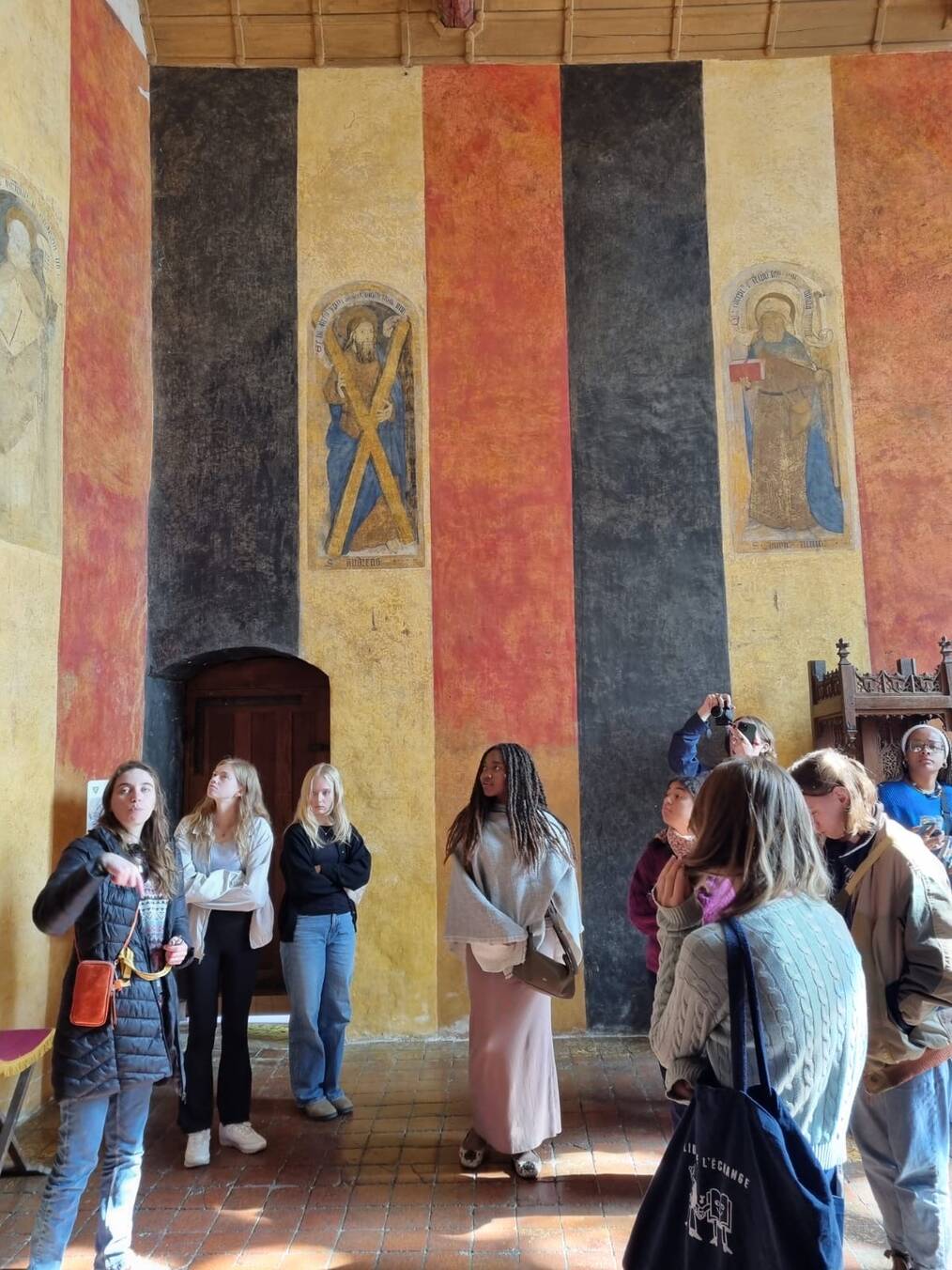
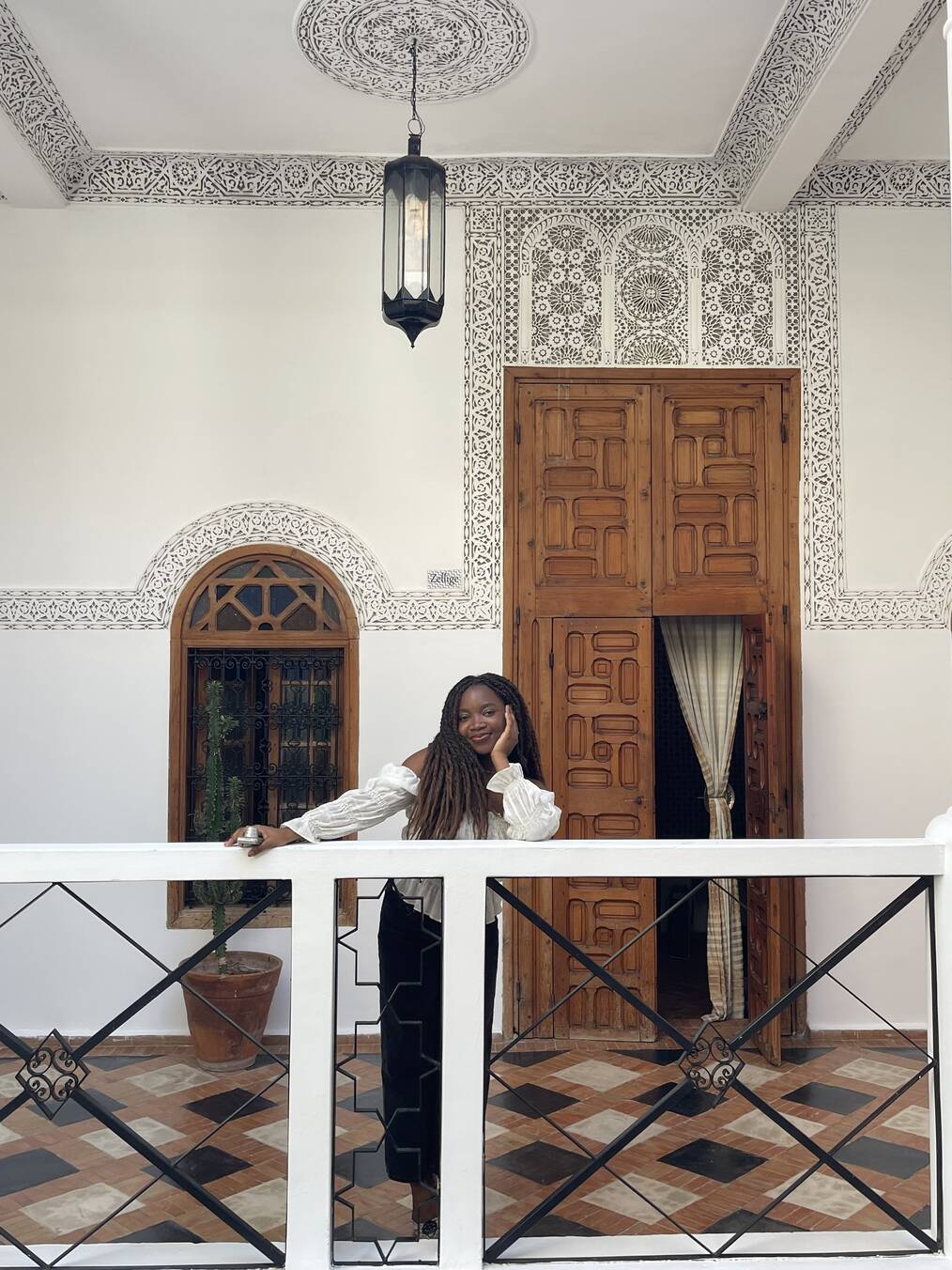
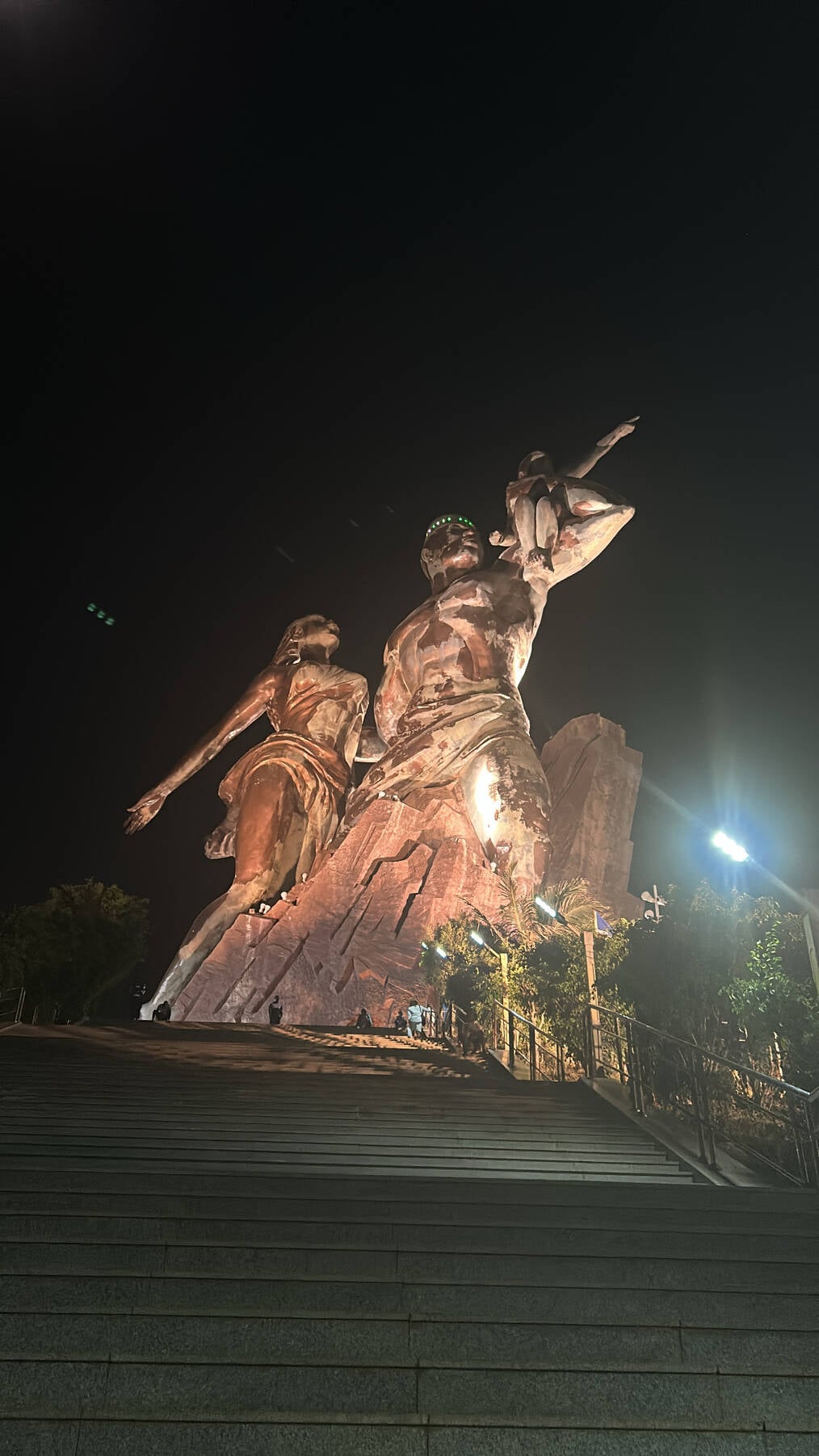
APA is a boutique program provider in Paris, France with a passion to provide a first-rate study abroad experience that unites academic excellence with the beauty and richness of French and Francophone culture. For over 35 years, students from more than 80 US colleges and universities have received a personalized, immersive education abroad in Paris; Dakar, Senegal; Rabat, Morocco; and Fort-de-France, Martinique.

Built on the pillars of academics, culture, and community, each program in the APA portfolio is thoughtfully designed to challenge each student to immerse her or himself in all aspects of the French and Francophone lifestyle. Through this immersion, we have witnessed students grow to become not only more fluent but, mature and globally-minded citizens.

Travel Grant for 2025-2026! Up to $1000 per term

Founded
1986

Reviews

Anya
5/5
Yes, I recommend this program

Studying abroad with APA

I had an amazing time with APA! The program is run by a kind, considerate and detail-oriented program that emphasizes cultural immersion. We had multiple cultural events that were included with the program including concerts, tastings, as well as overnight stays in French regions. I also opted to stay in a homestay which was a wonderful experience; I really clicked with my host mom and lived in a beautiful Parisian apartment. My French has improved greatly thanks to tutoring and language offerings and I fell in love with Paris. I highly recommend APA to anyone wanting to study abroad in Paris!

Marley
5/5
Yes, I recommend this program

Life Changing Study Experience

This was such a special program that has really transformed my life and goals for the future; inspiring me to travel more and continue my French studies. The multi-city program offers the unique experience to study within three countries within the Francophone world in a single semester. You get to learn from a range of incredibly smart and interesting professors from local universities and truly immerse yourself with the culture of each country. During my time, we got to explore the Moroccan desert, the French countryside, the beaches of Senegal and more. Our weeks were interspersed with courses and extracurricular activities like concerts, dance lessons, tastings, and baking ateliers.

The host family experience was lovely and I had many moments of deep connection with them in each country. Some memories that stand out are dancing in the living room with my host siblings and mom in Morocco, attending a behind the scenes interview with world renown chef in Senegal, and quiet evening honey "tasting" with my host mom in Paris.

While everything I've stated here is incredibly positive, there were moments of struggle. It takes a lot of patience and strength to study completely in a foreign language and to spend such a long time abroad, however the APA team was incredibly thoughtful and supportive throughout. When there was difficulties with coursework, the team worked directly with us to re-evaluate the structure of the program to help alleviate our stresses. With every inconvenience, APA was there to help!

I will forever cherish this experience and the long-lasting friendships I've made due to the warm atmosphere the APA multi-city program was able to cultivate.

What is your advice to future travelers on this program?
My biggest advice to anyone who wants to apply is try everything, say yes to it all! Explore each country to the fullest. This is such a unique opportunity where you can really begin to understand each country in a sense that is not always available just through tourism. Explore both on your own with friends but also with the host families. These are people who are excited to teach you about their culture, about their homes and it is such a special way to experience a new country.
Michelle
5/5
Yes, I recommend this program

Amazing Study abroad program

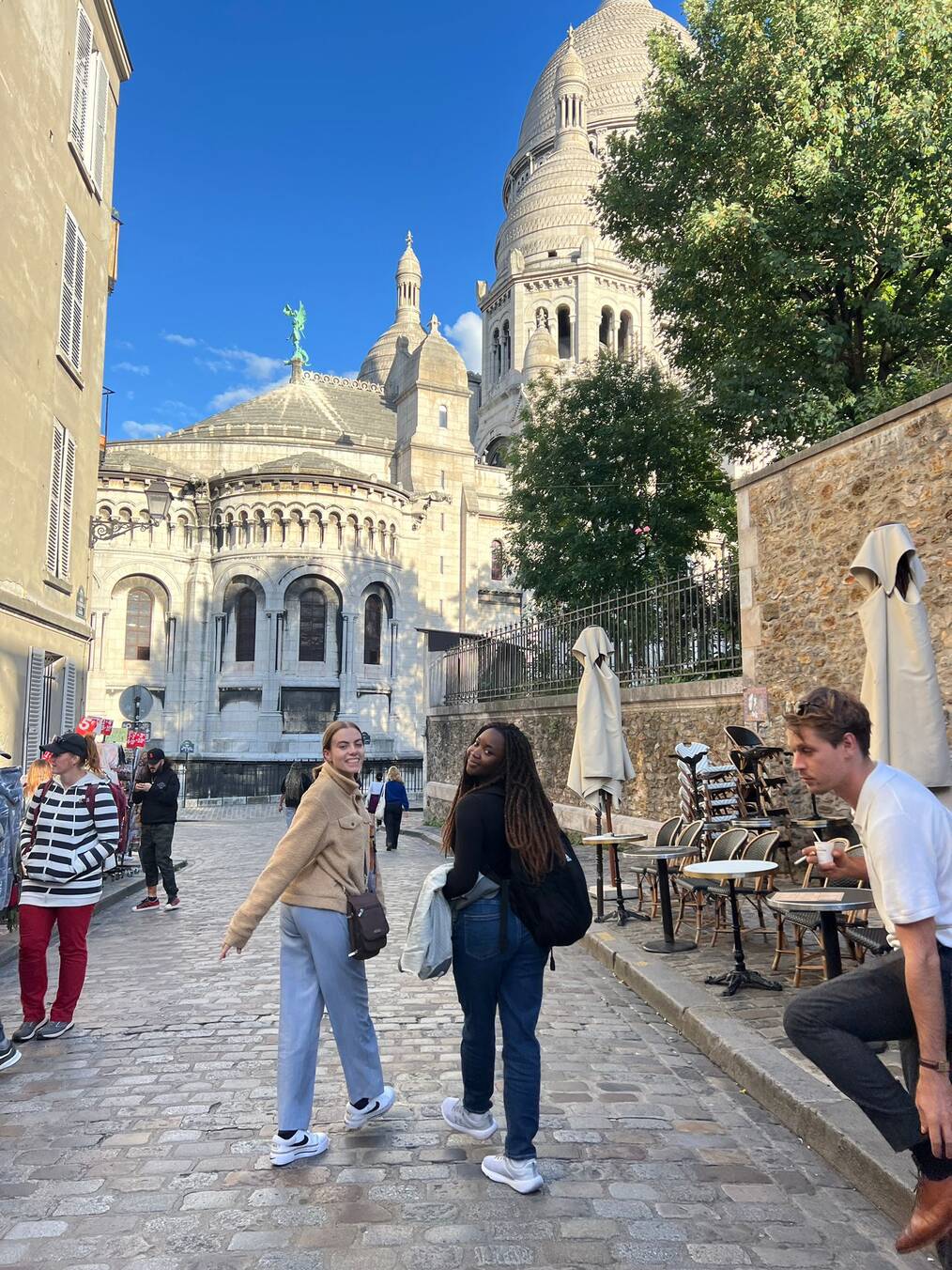
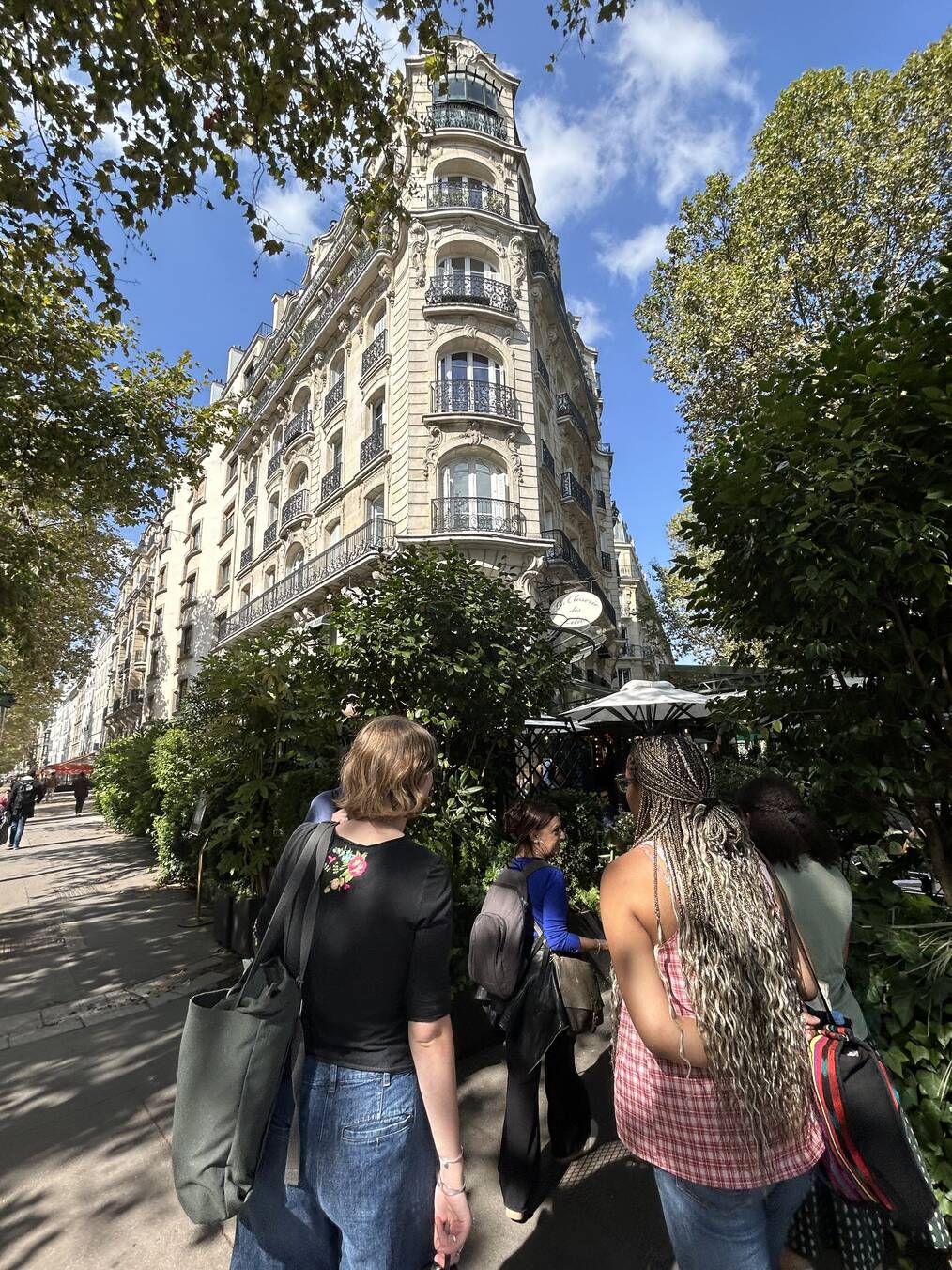
As a part of the multicountry program, I spent a month and a half in Paris with the students who were doing the Paris program, and I can attest that the experience of cultural immersion and excursions is equally as robust as the multi-country abroad program. While in Paris, we travelled to different parts of Paris and we were often accompanied by a member of the team or a historian to all of our activities, which ensured we would experience France from the point of view of a local or expert.

Overall, the program's mission is immersion, so there is a great emphasis and effort put towards ensuring that students experience the country as a local would. This means the team of the program is greatly involved in helping the students navigate and integrate into local life. For example, I remember the program arranged for all students to arrive at the same time so that the director of the program could pick us up and welcome us to France. Another example of how APA goes about immersion is excursions. At the beginning of the program, students receive both an academic and an excursion calendar. Meaning upon arrival, I had a calendar packed with plays, concerts, wine tasting, and cheese tasting. museums visit, and weekend getaways to different parts of the country are already planned and organized for me to attend. To go back to the involvement of the team, I remember how the founder of the program would sometimes join the cohort to attend concerts, we had mental-health workshops, and students were invited to have coffee chats with the founder of the program. Going abroad can seem daunting, but APA has such a diverse team and they are so involved, I not only felt supported, but I felt like I joined a family.

The program offers students of the Paris program the choice to either live in dorms or stay with host families! Staying with a host family was one of the highlights of my experience. First, the "host family" structure looks difference for everyone, for the families we lived in depended on our preferences and requests. Staying with host families helped with my homesickness as I had a support system to whom I went home to every day abroad. While other students of the Paris program who chose to stay in dorms had the benefit of meeting other international students of their age, who could provide community while navigating Paris together.

While the reality of this program was fun, adventurous, exciting, and beautiful, it was also difficult in some ways. As a French program, immersing yourself in French in the classroom and at home can be a challenge and, at times, tiring when you are not used to speaking French all the time. But APA builds in tutoring time to ensure that students' written work is up to academic French caliber, and the program pairs each student with a Tandem(a local French student) to ensure each student continues to practice oral French.

What was the most surprising thing you saw or did?
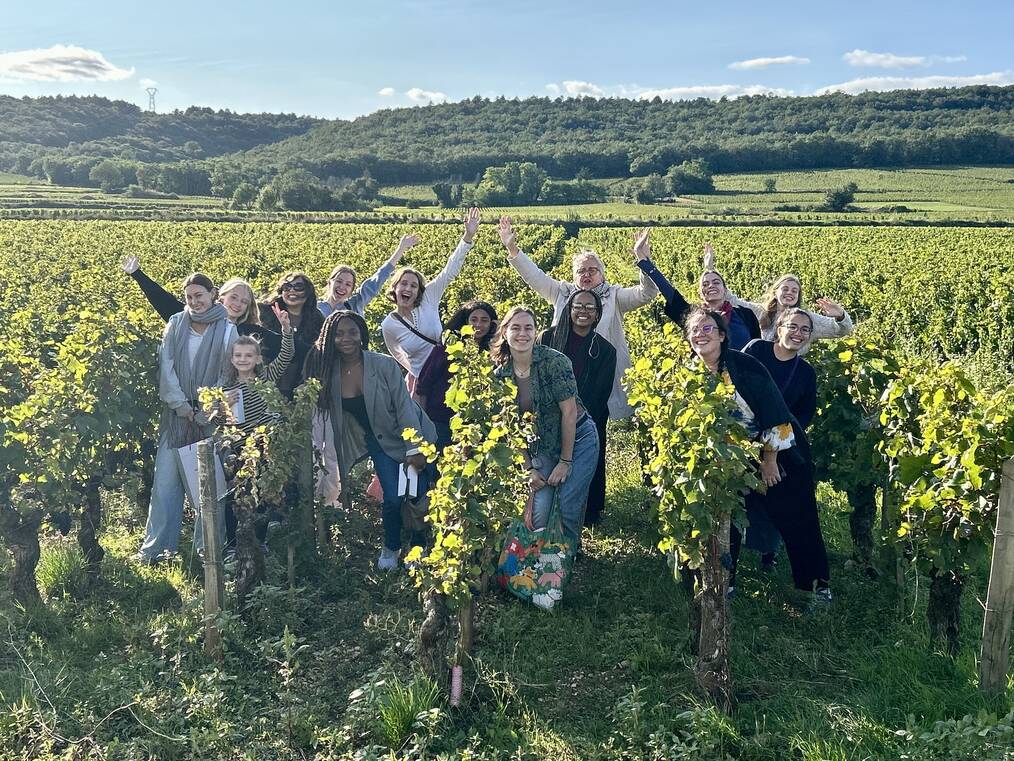
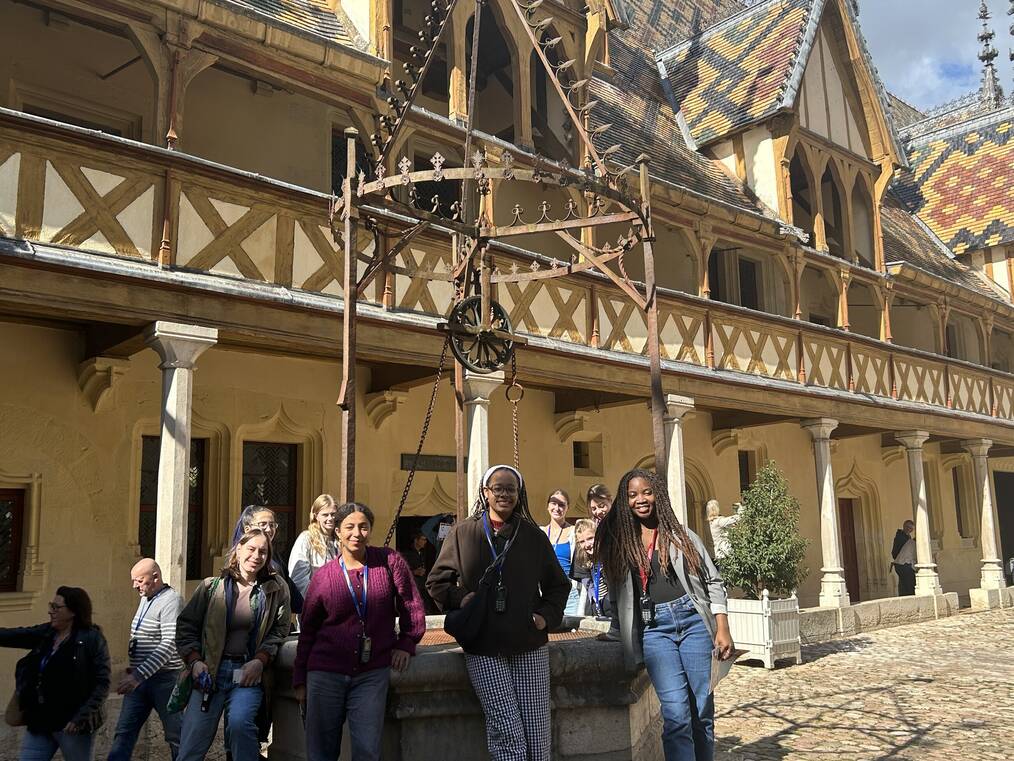
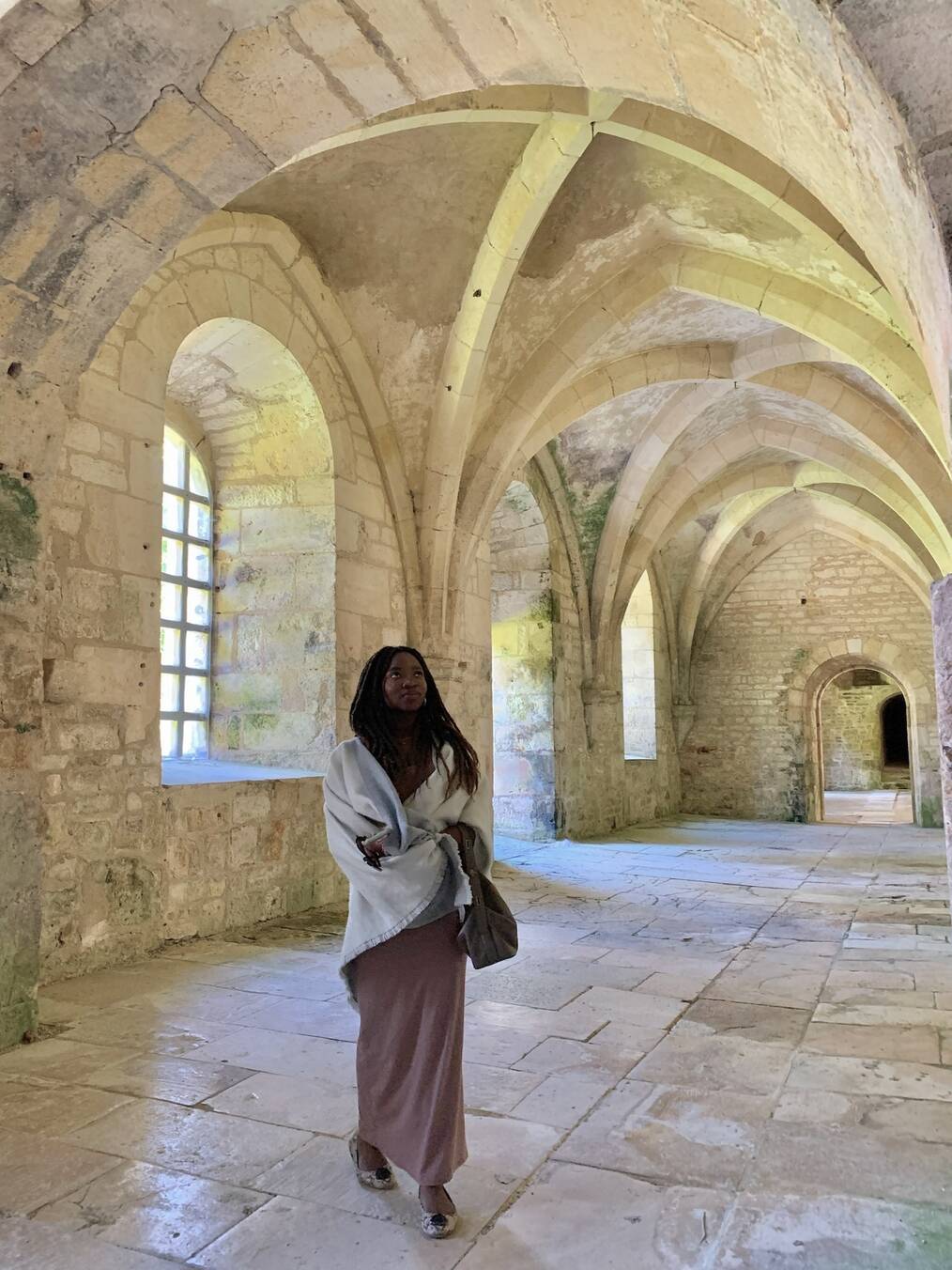
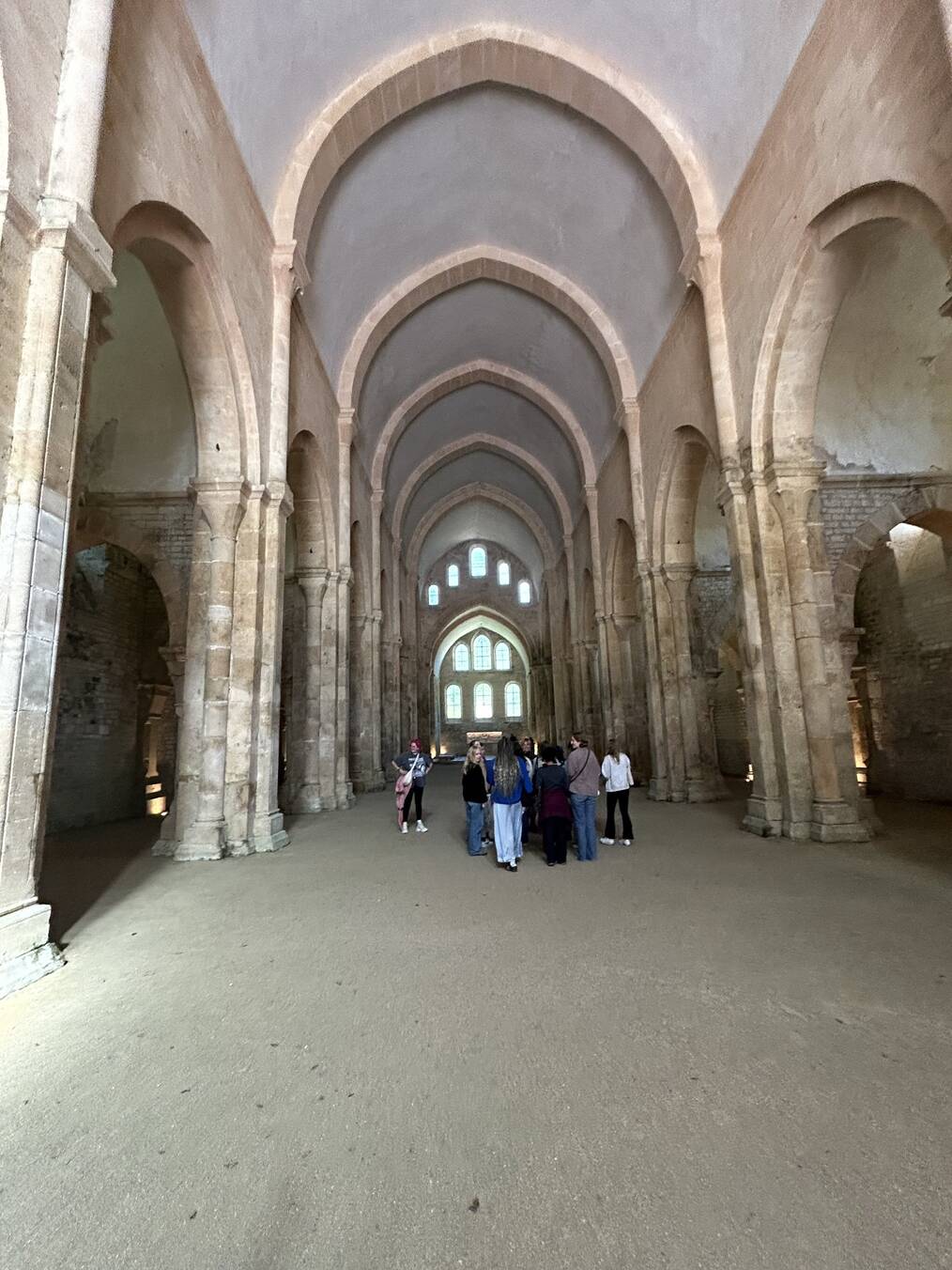
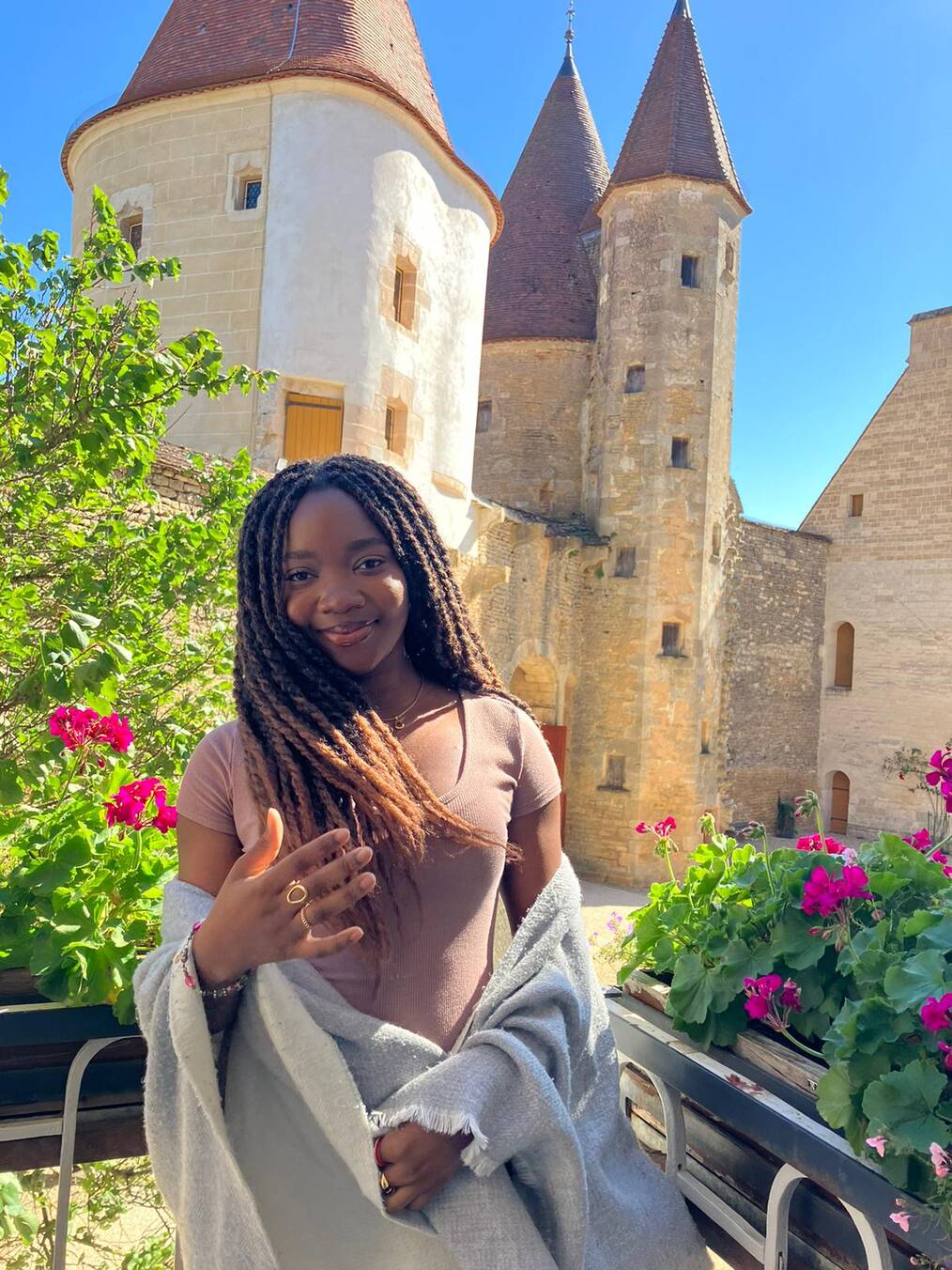
going into the program I Knew that APA planned weekend trips for the students but I did not anticipate how detailed and elaborate the trips would be. I remember the students were directed to meet early in the morning and from there we travelled all the way to the city od dijon where we had a guided tour, then we went to a wine vineyard and had a wine tasting an learned about the process of making wine we visited a castle, we went to visit fontenay abbey which was breathtaking and we had a multiple course dinner made by a renowned chef. That is all to say, I did not anticipate how detailed and great the weekend trips planned by the program would be!
Pros
  • Extensive support from team
  • excursions(so many fun and immersive excursions)
  • host families
Cons
  • hard to reach professors outside of classes
Michelle
5/5
Yes, I recommend this program

Incomparable Multi-country study Abroad program

I was part of the Fall 2024 APA:FMS program and my experience served as a pivotal point in my academic and personal life. So much so that I joined my colleges's study abroad advising team to urge students to not only go abroad but to go abroad with APA. My review will be divided into multiple parts, ranging from the program's structure to its impact, as I look back a year later.

APA: when I approached planing to study abroad my focus was on the country(ies) that I wanted to live and study in, I did not realize how much the program I selected would influence my experience. I was lucky to be recommended APA by a friend, but I think it should be public knowledge how much of a gem APA's structure is for anyone looking to study in a francophone country. The program's mission is immersion, so there is a great emphasis and effort put towards ensuring that students experience the country as a local would. This means the team of the program is greatly involved in helping the students navigate and integrate into local life. for example, I remember the program arranged for all students to arrive at the same time so that the director of the program could pick us up and welcome us to France. Another example of how APA go about immersion is excursions. APA value academic exposure as much as cultural exposure. Meaning, while in another program I would have to plan weekend-trip, and research on my own activities to do, APA already arranged. At the beginning of the program students receive both an academic and excursion calendar. Meaning Upon arrival I had a calendar packed with plays, concerts, wine tasting, cheese tasting. museums visit, and weekend getaway to different parts of the countries already planned and organized for me to attend. to go back to the involvement of the team, I remember how the founder of the program would sometimes join the cohort to attend concerts, we had mental-health workshops, and students were invited to have coffee chats with the founded of the program. Going abroad can seem daunting, but APA has such a diverse team and they are so involved, I not only felt supported but I felt like I joined a family.

APA-FMS: APA-FMS is the acronym for the multi-country study abroad program I did with APA where during one semester I lived in studied in 3 countries! whenever it is proposed to students to go abroad it's often a semester in 1 country, so I was totally captivated by the idea that within one semester I could study in three countries across two continents with very different culture(France;Morocco;Senegal). It was the best decision I could have made. Aside from immigrating to the united states as a child I had never travelled, so the program was appealing for me in the sense that it would afford me the chance to travel and get to know the countries from a local perspective. AS part of the program students will stay in each country for 5-8 weeks, and take classes that will be taught across the historical context of three countries. YES, your institution will accept the credit for the FMS classes, I go to harvard and they counted the APA:FMS classes as elective credit, but I know other institutions will count the classes towards your major requirements. The FMS program requires that all students live in homestays, meaning with host family. I was little apprehensive about the concept but it turned out to be one of the best parts of the program. first the "host family" structure looks difference for everyone, while I stayed with a family of 6 with children, someone in the program lived with an elderly grandmother living alone, another a young filmmaker. The families we lived in depended on our preferences and requests. Staying with host families helped with my homesickness as I had a support system to whom I went home to every day abroad. In France, as a Christian, I was placed with a Christian family who took me to church on Sundays and nurtured my love for yogurt by teaching me how to make it fresh. In Morocco, my host mom taught me how to bargain and my host sisters helped me discover the beaches. In senegal my host mom taught me how to cook local cuisine, she took me to her favorite hairtylist, and took me to her friend's wedding. However, the beauty of FMS is that it ensured that my experience is one and my own. My friend in the program, who is a film major, was matched with host who is a young filmmaker so while I was making yogurt thursday nights, she was out at different bars in Paris brainstorming ideas for future projects. Additionally APA's mission of immersion carries on across all three countries, meaning in every countries we are taken to art exhibition, concerts, plays, movies, restaurants.APA also organized various week-end getways to different parts of each country. Meaning, while in lived in the capital of all three countries during the program, I am well acquainted to the country side of each country and various cities in each country. Ultimately studying in 3 countries was an amazing experience. APA-FMS taught me how to trust myself as I had to navigate three countries. The multi-country program APA offers is unique as it not only provides provides substantial support and resources for students to live and study in three countries but it helps students built a network of connection that will facilitate returning to these countries. Having done the program I now have the connection 12 professors spanning from France to senegal. One of the professors from the program even wrote my recommendation letter for an internship in Europe. Having done the program I have a network of loved ones across the world as a year later I am still in contact with my host families.

Academic: the program has an academic structure where professors are solicited from different universities across the the country and come to the students to teach classes. This means that as part of the FMS program you are not going to be enrolling in a university in each country but rather APA will have professors come teach your cohort at their office space. The great plus of this structure is that the cohorts are not big so you will have the opportunity to get to know your professors who are often renowned for their work in the country. Another benefit of this structure is it facilitates participation, as you are not intimidated by local students but are learning with your friends in the program.

My review is overwhelmingly positive, because my experience was overwhelmingly positive. But, while the reality of this program was fun, adventurous, exciting, and beautiful, it was also difficult in some ways. As a french program, immersing yourself in french in the classroom and home can be a challenge and at times tiring when you are not used to speaking french all the time. Therefore I would recommend watching french tiktoks, reading french book, and listening to french music before and throughout the program! I would also recommend doing APA’s pre-program where you go ahead of the program and APA’s teaching staff will help you become acquainted with academic writing in a francophone context. Travelling, living and studying broad in three countries within 4 months can also be mentally and physically taxing(fatigue and mental health). So keeping up with hobbies, families and friends back home, and resting is indispensable.

What was your funniest moment?
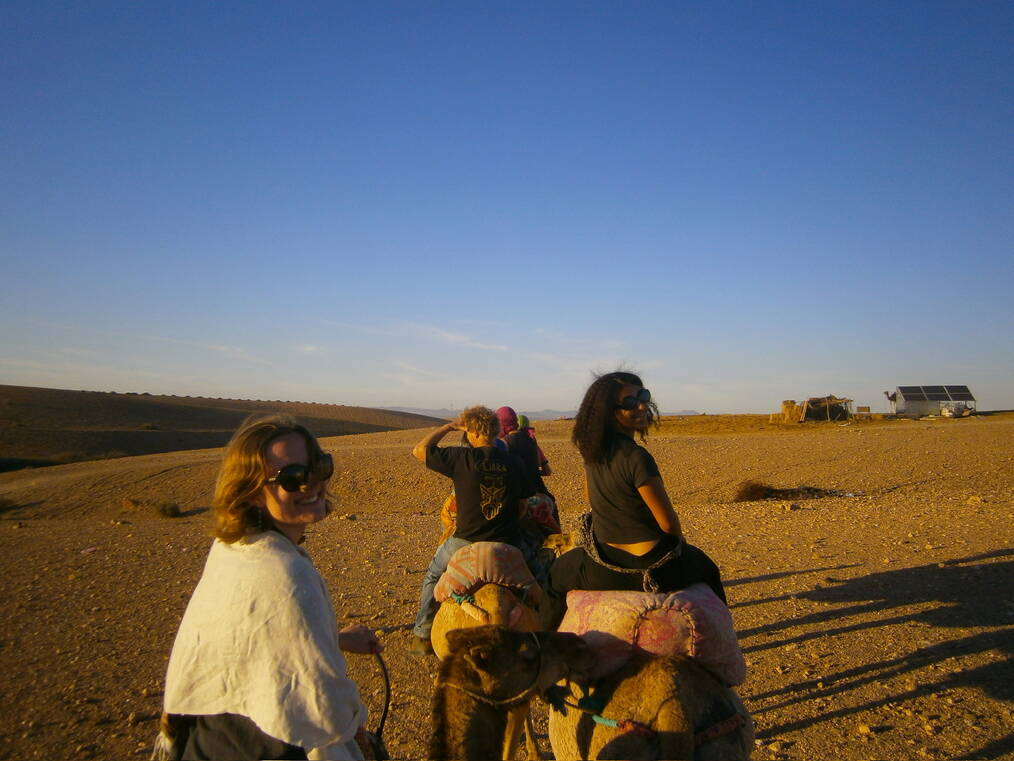
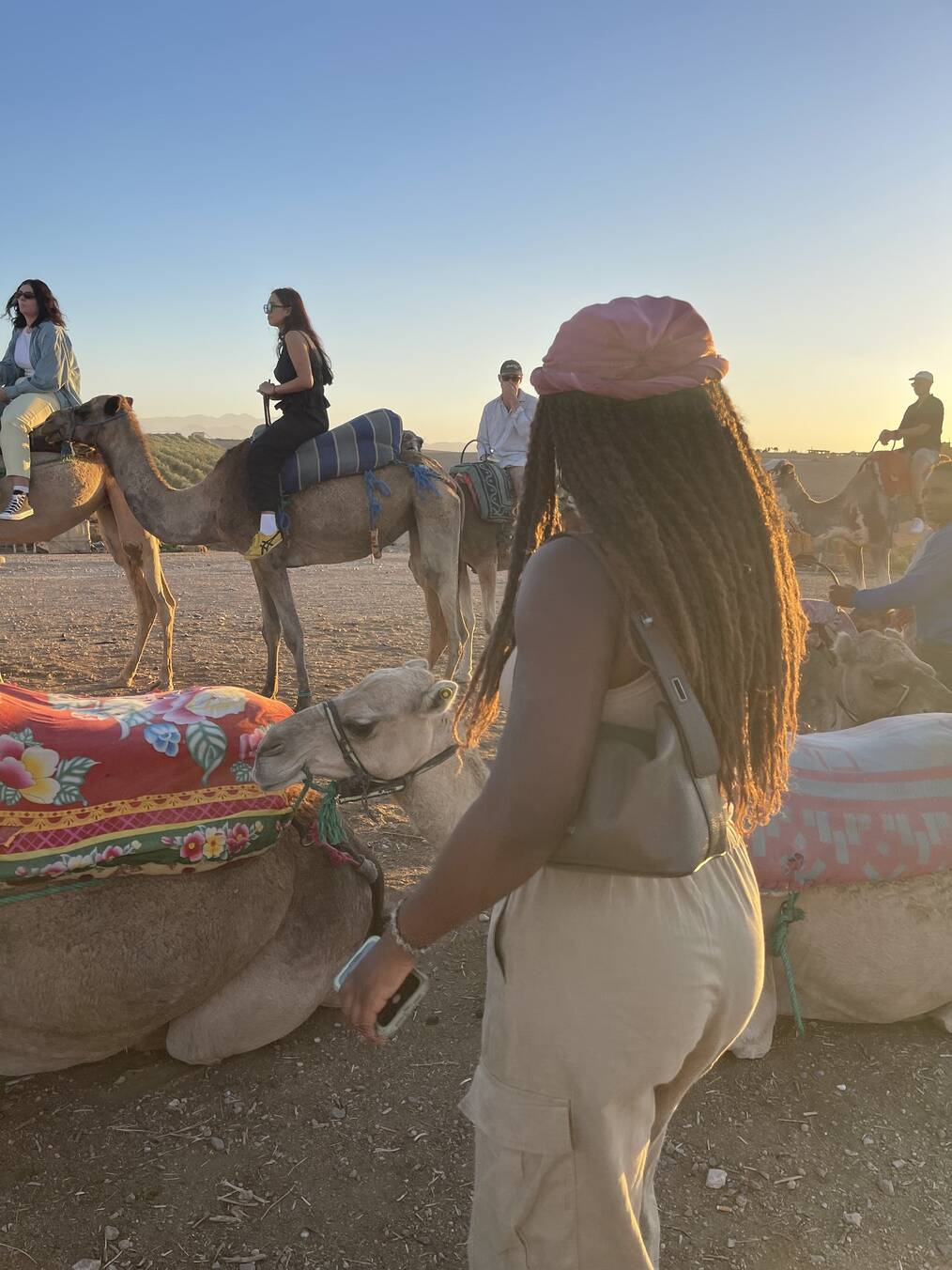
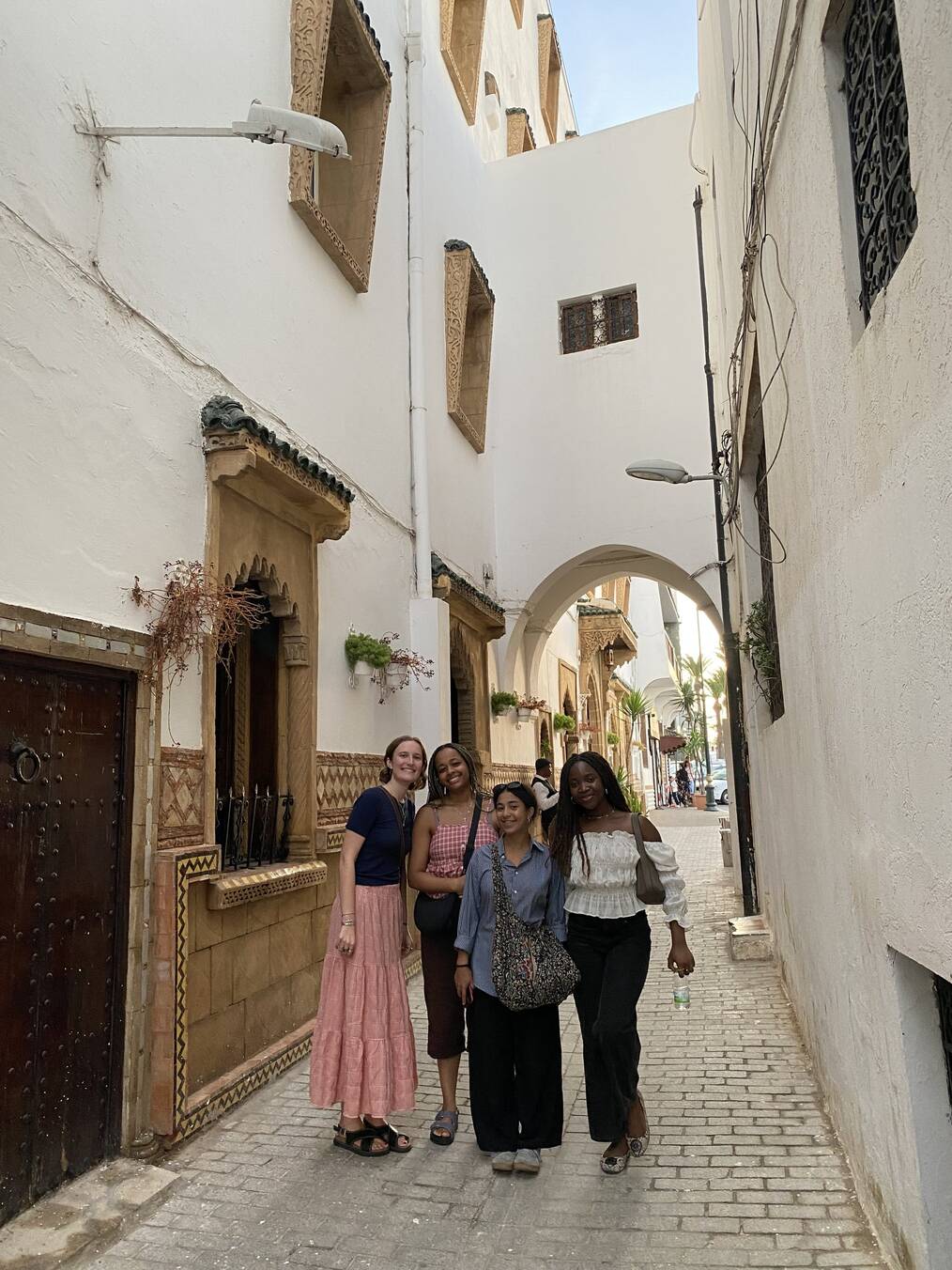
One of my funniest moments took place in the desert of Agafay in Morocco. My cohort friends and I took a train from Rabat(where the program is based) to Marrakesh for a weekend, and while we were there, we arranged to spend a day in the desert. one of the activities in the desert was camel riding. so, we get there and all the camels are lying down and the guide ushers us to each get on top of one. all the camels are lined one behind the other and I am on the last one! with no warning my camel just gets up and I start screaming my head off "OMG it's running away, I am going to die" and no one but me seemed worried or Is hurring to help me. until one of the organizers tell me "your ok, look at your friends". it is then I realized that all the camels were tied to one another lol.
Pros
  • support from team
  • excursions(so many fun and immersive excursions)
  • host families(I am in contact with all my host families)
Read my full story
Collin
4/5
Yes, I recommend this program

More than a study abroad program

Embarking on an adventure abroad is always a transformative experience, but my time in Paris with the Academic Programs Abroad (APA) was nothing short of extraordinary. From the unique course offerings to the comprehensive cultural immersions, APA provided an unparalleled journey into the heart of French culture, its beauty, its complexities, and its colonial legacy.

APA's curriculum is thoughtfully designed, offering a rich selection of courses that delve deep into French history, art, politics, and society. Each class was an invitation to explore the nuances of French culture, encouraging not just academic growth but personal introspection. The professors and instructors, experts in their fields, brought subjects to life with passion and depth, making learning both engaging and impactful.

What set APA apart was its commitment to cultural immersion. Through various activities and excursions, I was able to experience France beyond the classroom walls. Visits to historical sites, museums, and cultural landmarks offered a tangible connection to France's past and present. Moreover, APA's focus on the country's colonial legacy provided a critical lens through which to understand its culture and societal dynamics. This aspect of the program was particularly enlightening, offering a comprehensive view of France's impact on the world and the complexities of its multicultural identity.

The journey with APA wasn't just about academic enrichment; it was a holistic experience that catered to personal growth and cultural understanding. Living in Paris, navigating its streets, and engaging with its people allowed me to develop a profound connection to the city and its culture. However, immersion in a foreign culture can sometimes be overwhelming. In those moments, APA was a steadfast support system, a "rock" that helped me navigate the challenges of cultural adaptation. The staff's genuine care and guidance ensured that every student felt supported and valued, making the immersive experience more enriching and less daunting.

Even after the program concluded, APA's support did not wane. Their continued encouragement and resources have been invaluable as I further my journey with the French language and my connection to France. This ongoing support underscores APA's commitment to its students' long-term growth and their connection to French culture.

Reflecting on my time in Paris, it is clear that the experience was transformative. The lessons learned, the connections made, and the cultural insights gained have left an indelible mark on my personal and academic development. My time with APA in Paris is not just a memory to be cherished; it is a foundation upon which I will continue to build my understanding and appreciation of French culture.

In sum, my experience with APA in Paris was much more than an academic program abroad; it was a journey of discovery, learning, and personal growth. The comprehensive approach to cultural immersion, coupled with the unwavering support of the APA team, provided a deep and nuanced understanding of French culture. I will forever cherish my time in Paris with APA, and I am profoundly grateful for the opportunity to have been a part of such a remarkable program.

If you did this all over again, what's one thing you would change?
Reflecting on my experience with the Academic Programs Abroad (APA) in Paris, one aspect I'd emphasize for a more profound engagement is the importance of deeper integration with the local student community. Should I have the chance to do it over, joining French college clubs and organizations would be a priority. Participating in these clubs would offer a unique perspective on French student life, allowing for a vibrant exchange of passions, ideas, and cultural insights. It would serve as an excellent complement to APA's already comprehensive cultural and academic offerings, adding a layer of personal growth and intercultural exchange. Engaging with local students in their own environments would provide invaluable experiences beyond the structured academic and cultural excursions, fostering a deeper, more nuanced understanding of French society.
Pros
  • class selection
  • language support
  • cultural excursions
Cons
  • living selections

Programs

Displaying 1 - 6 of 6

Alumni Interviews

These are in-depth Q&A sessions with verified alumni.

Michelle Loree Jean-Louis

Michelle and friends in France

Why did you choose this program?

I chose this program as I valued cultural immersion as much as academic immersion, and APA was recommended to me as a program that shared my values. I had a friend who had done the program and told me that students are given an excursion calendar alongside of an academic calendar, and I was sold. On the academic front, I was advised by by professors that if I wanted to study French colonization and post-colonization, studying in France would not suffice as I would need to explore the repercussions in the Maghreb and Western Africa. APA proposed a program where I would be able to do just that.
 

What did your program provider (or university) assist you with, and what did you have to organize on your own?

The Particularity of going abroad with APA is how detail-oriented and involved the program is. The program provides housing, whether it is with host families or a dorm. They will pick up students from the airport. They arrange multiple excursions and weekend trips! The fact that the program itself plans trips and activities for the students is such a gift because the team on the ground, whether in France, Morocco, or Senegal, are native,s. Hence, the activities planned and the places visited on weekend trips are places and activities that locals enjoy and love. So as a student, I would have never known about certain activities orgoneo to certain plays and concerts, had the the program not taken us or booked the sold-out tickets months before our arrival. The program also organizes vaccine appointments upon arrival, provides transportation passes, and even provides students with a list of medications to bring. As someone who had to get visas for all countries, the program assisted me with all the required documentation. I remember in Morocco and Senegal, I needed to renew my visa, a and a member of the team took me to all of my appointments! The program booked all the flights between each country. The program even provided us with Therapy! Truly, the list is endless. The program assists students with nearly everything if you ask.
 

What is one piece of advice you'd give to someone going on your program?

I have so much advice, but I would advise my friend not to put too much pressure on themselves or the country being visited to be life-changing. Going abroad is a transformative experience; there is beauty, culture, and cuisine out there far beyond anything I could have ever dreamed of! But, realize that people in Europe, Africa, and anywhere around the world have the same problem. So don’t put too much pressure if at some point you feel homesick, or if you are still anxious! You are human, enjoy the experience,e don’t I idolize it! Also, pack light, you will come back with an extra bag of souvenirs!
 

What does an average day/week look like as a participant in this program?

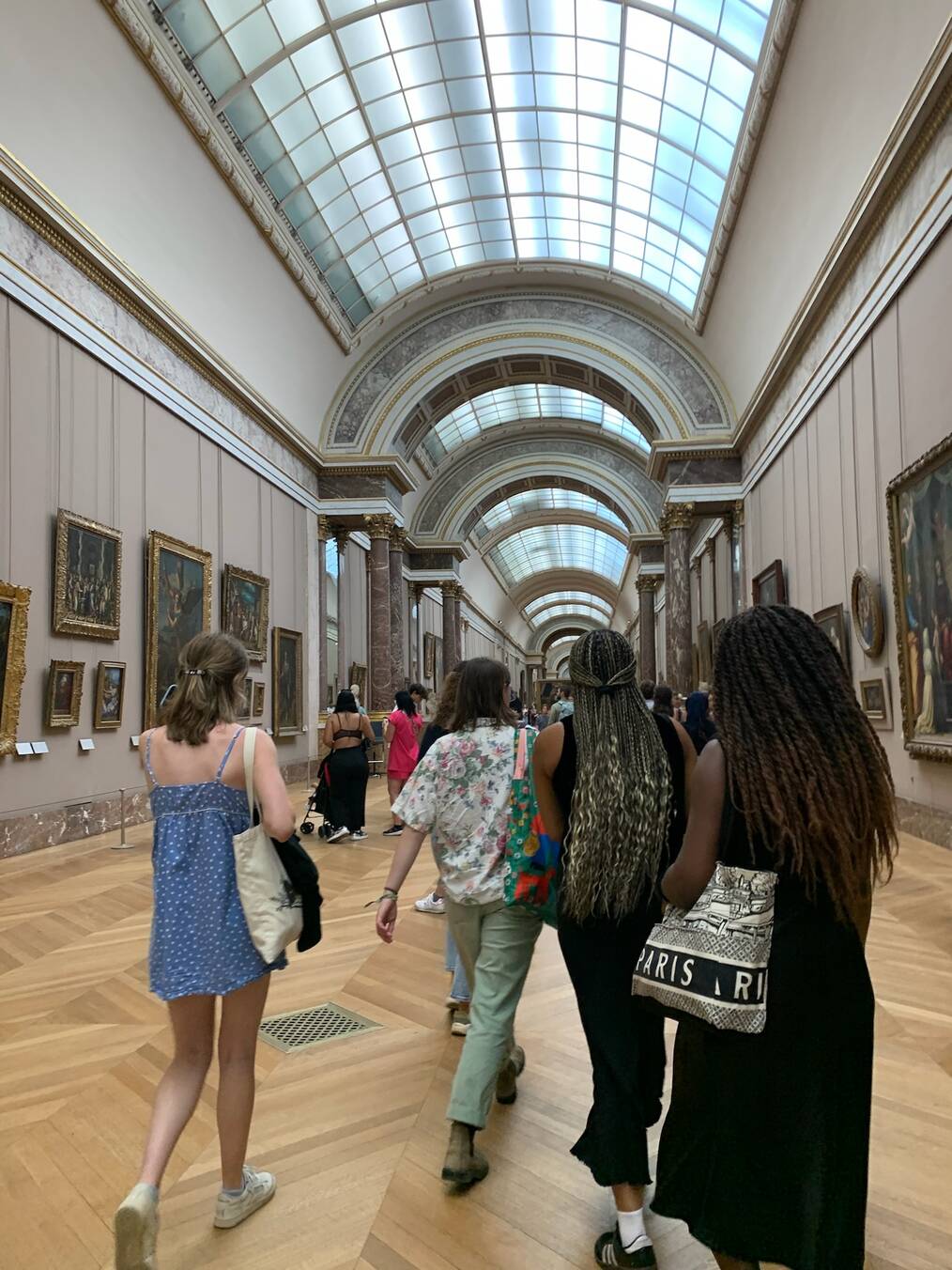
An average week as a participant of APA Multi-country France, Morocco, Senegal will look entirely different based on the country, but the framework remains the same. Student weekdays consist of going to class, weekly excursions, spending time with the host family, and going on a weekend trip arranged by the program. In France, I lived in the 13th arrondissement of Paris, which was close to our classes, so from Tuesday to Friday, I would go to classes in the morning, then in the afternoon, we would have language support twice a week. Students had individual and collective language support. At individual language support, I would go to the office of the program to meet with a French tutor who would go over my homework for any grammatical errors and work on my oral proficiency. Twice a week,k we would have excursions, so maybe e Tuesday , someone on the team would accompany all the students to an École du Fromage to learn how cheese is made and have a cheese and wine tasting. Then, on Thursday, the program would organize for all the students to go to a jazz concert. For the weekend, students would be directed to meet early morning to spend a weekend in the Bourgogne countryside of France. Outside of my schedule with the program, I would travel to northern France to visit family, spend the evenings with my French host family making fresh yogurt, and watching movies. The difference in Morocco would be that our excursions would be boat rides, bread-making workshops, mosques, and we would spend our weekends traveling to Fes, Volubilis, and Meknes. In Sénégal, we would spend the weekend at Sine Salum, staying at a lodge by the water. Nonetheless,s no two experiences are alike. While in Paris, I spent my night having dinner with my French host family and making Fresh yogurt. My friend in the program, who is a film major and was matched with a host who is a filmmaker, spent their evenings bar-hopping and discussing movie ideas. In Senegal, while my host mom took me to a traditional wedding, my friends spent the weekend at her host family's elaborate vacation home on the other side of the country.
 

Going into your experience abroad, what was your biggest fear, and how did you overcome it? How did your views on the issue change?

My biggest fear going abroad was that I would struggle to adapt. I was scared that I was not proficient enough in French to advocate for myself in case something went wrong. I was scared to navigate public transport and public spaces. I was scared that going into Muslim states and living with host families in Morocco and Senegal, I would not be able to integrate or connect as a Christian. I was just fearful. Two of the main things that calmed my fear were lived experiences and the support Team of APA(my study abroad program). By lived experience,e I mean being put into situations where I had to just do it! Taking the trains in Paris, taking a taxi in Morocco, and Senegal, I realized I just had to put myself out there and do it. After taking the train in Paris for the first time, I realized it’s not different at all from the States (better, actually). After bargaining with a taxi driver in Senegal to lower the price of the ride and the driver joking about how stubborn I am, I realized I might have been in another country, but people are human everywhere—they want to work with you, they have the same sense of humor. Living with my Muslim host families made me realize how many similarities there are between Christianity and Islam, which grew my respect and appreciation for the religion. Living with host families in France, Morocco, and Senegal made me realize that I might not share the same culture, nationality, or religion as those around me, but our fears and aspirations remain the same. I realized that the common humanity of the world's population means that I will be able to adapt to living in any country. In other words, the best way to overcome your fears about going abroad is to go abroad and learning how self-sufficient you are and learning how similar you are to people across the world. The second way to mitigate your fears is to choose a great program to go abroad with. APA anticipated all my fears. They had orientation where they connected the students with mental health resources, they provided public transportation passes, they paired each student with a tandem(a local student who helps us get to know the city and connect us with the youth culture)they took us to get our SIM cards, they even taught us how to bargain, when to bargain and common slang of each country to better assimilate.
 

Why choose to extend your academic and personal experience abroad across three countries?

Multi-country study abroad program is not often the norm for students looking to spend a semester studying abroad. So why choose to extend your academic and personal experience abroad across three countries? Studying abroad in 3 countries helped me break the mundane rut I had entered my sophomore year, as it asked me to constantly adapt. Studying abroad helped me rediscover my love for learning, as it presents you with the opportunity to immerse yourself in new cultures and ways of life. Studying abroad increased my confidence, as I was prompted to trust myself as I was navigating foreign settings. To put it simply, at Harvard, I am Michelle Jean-Louis. But, in France,e I was Michelle Gerin-Roze. In Morocco, I was Michelle Benabdelkader. In Senegal, I was Michelle Diop. The relationship and routines developed with each of my host families have allowed me to discover and adopt different customs into my way of life while simultaneously helping me rediscover pieces of my own history as a Haitian woman that I never knew I had lost. The academic experience of studying French colonization and post-colonization across two continents and three countries helped me understand that knowledge rooted in one context, in one place, produces a narrative, but knowledge acquired across different contexts equips students with the necessary perspectives and nuances to process a full story, a history.


Staff Interviews

These are in-depth Q&A sessions with program leaders.

Jalyn McNeal

Job Title
Program Specialist
Jalyn works with Academic Programs Abroad (APA) as a Program Specialist. Having studied abroad several times as both a FLAS & Boren Fellow and having served in the Peace Corps, Jalyn draws on his international experiences to help students navigate their time abroad with APA.
Jalyn McNeal

Interview

What is your favorite travel memory?

At the conclusion of my Peace Corps service in Morocco, I took a solo trip to Türkiye where I spent a few days exploring the city of Istanbul. I visited the Blue Mosque, Hagia Sophia, the Arasta Bazaar, and the Sultanahmet Square.

As Türkiye is a Mediterranean country that is considered the crossroads of the Middle East and Europe, I really enjoyed getting to know the culture through the food, museums, and people I encountered during my stay.

I had such a good time in Istanbul that it led to me taking a year's worth of Turkish classes and studying a bit of Ottoman history during my graduate studies.

How have you changed/grown since working for your current company?

Since coming to Academic Programs Abroad, I have become even more confident in using my French skills outside of academic settings as it is now my main language of work and life.

Furthermore, it was through my work with APA that I was able to deepen my connection to the African continent through a work assignment in Dakar, Senegal. This allowed me to better understand different regions in Africa as I had only previously been in Morocco. Being of the African Diaspora from the U.S.A., going to West Africa for the first time was extremely important to me as it allowed me to connect with and exchange knowledge with West Africans face-to-face which had been a goal of mine for the past 10 years.

What is the best story you've heard from a return student?

A student who had little to no experience abroad or with the French language took part in APA's semester program in Paris. Upon leaving the program, they had acquired a new sense confidence and overall ease with both France and the French language.

Success stories like those make me incredibly proud of not only what our programs can offer students but also the growth that students experience as they overcome their fears and develop a stronger sense of self while navigating early adulthood in the context of a foreign country.

If you could go on any program that your company offers, which one would you choose and why?

I would really like to take part in the Multi-Country program that offers a semester of studies between France, Morocco, & Senegal. I think being able to conduct francophone studies between each of these countries while also garnering knowledge of the shared and separate histories of each through coursework is a once in a lifetime experience.

What makes your company unique? When were you especially proud of your team?

What makes Academic Programs Abroad unique is the emphasis our programs put on La Francophonie. Our French-immersion programs operate not only in France but throughout other French-speaking countries and regions around the world, offering a wider and more varied experience with the French language and Francophone cultures.

What do you believe to be the biggest factor in being a successful company?

Being able to consistently offer a high-quality service/product to clients is what I believe to be one of the biggest factors in being a successful company. This establishes a firm sense of trust among clients, encouraging their loyalty and satisfaction with a company. This bolsters the company's reputation as more people would be willing to consider using the service/product of the company as word of mouth continued to spread.

Professional Associations

The Forum on Education Abroad Logo
Gap Year Association Logo
Institute of International Education Logo