Child Family Health International

Program Reviews

Emily
5/5
Yes, I recommend this program

Highly Recommend !

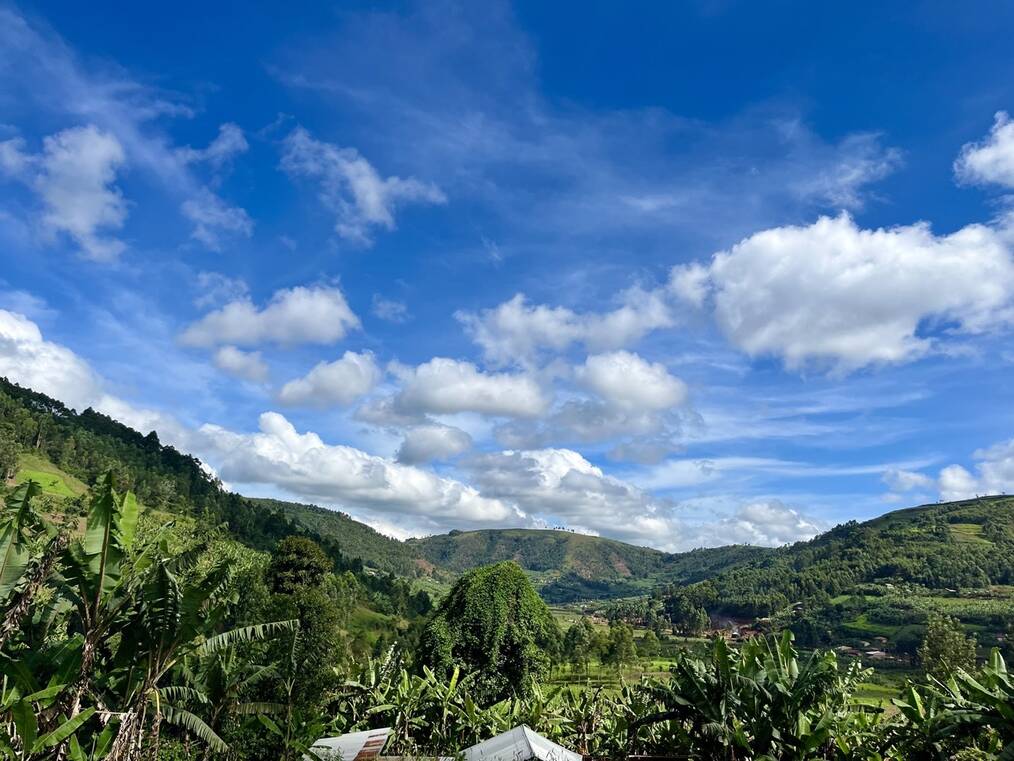
I participated in Child Family Health International's program in Kabale, Uganda hosted by the Kigezi Healthcare Foundation. I spent an incredible month learning about Uganda's healthcare system, social determinants of health and KIHEFO's innovative solutions to public health issues across the region. From pre-departure training to returning home, I felt supported by CFHI every step of the way. I was impressed by CFHI’s dedication to global health ethics and would highly recommend CFHI to anyone seeking an immersive experience abroad.

Inglyand
5/5
No, I don't recommend this program

I Love CFHI!!!

My experience with CHI was nothing short of amazing!
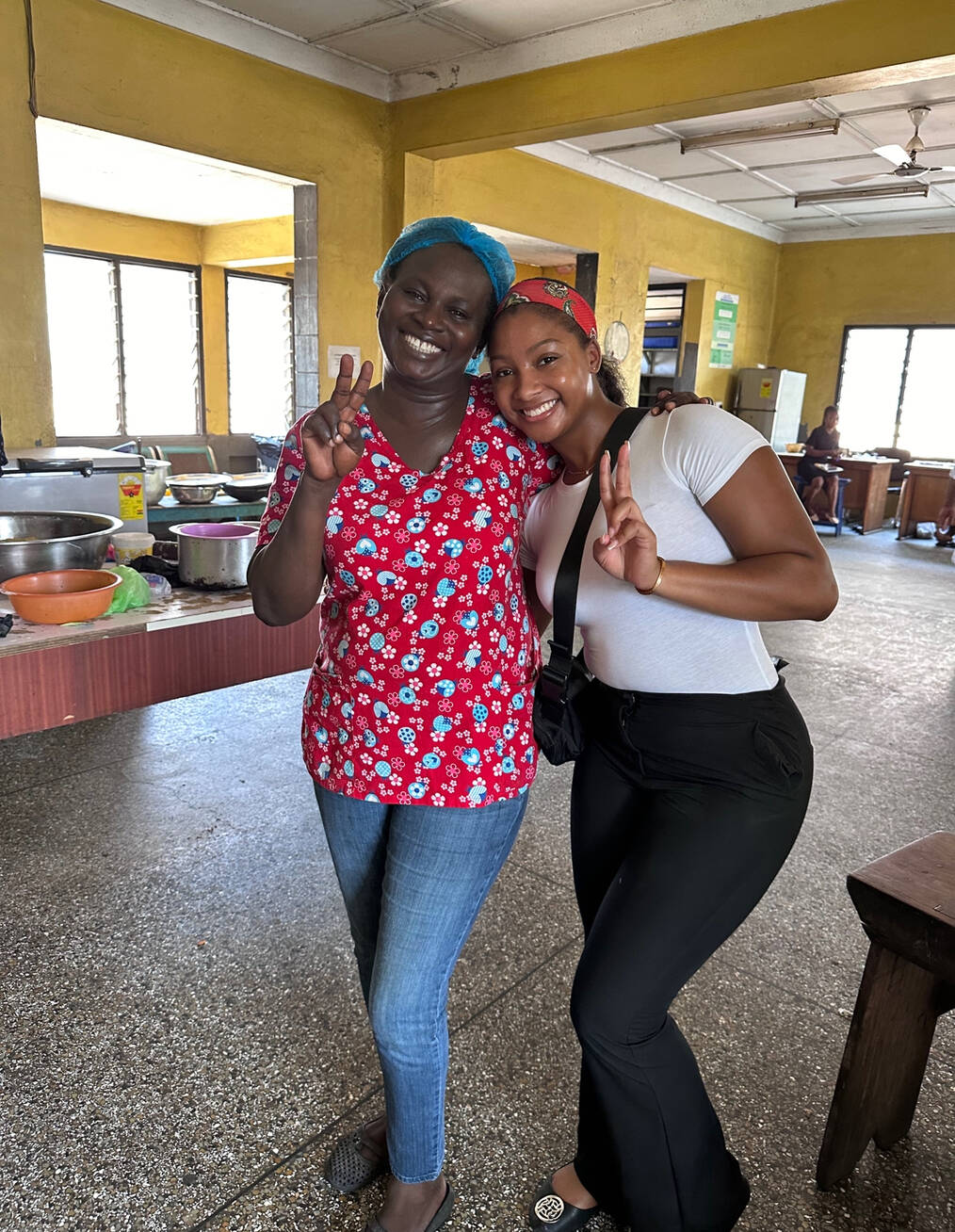
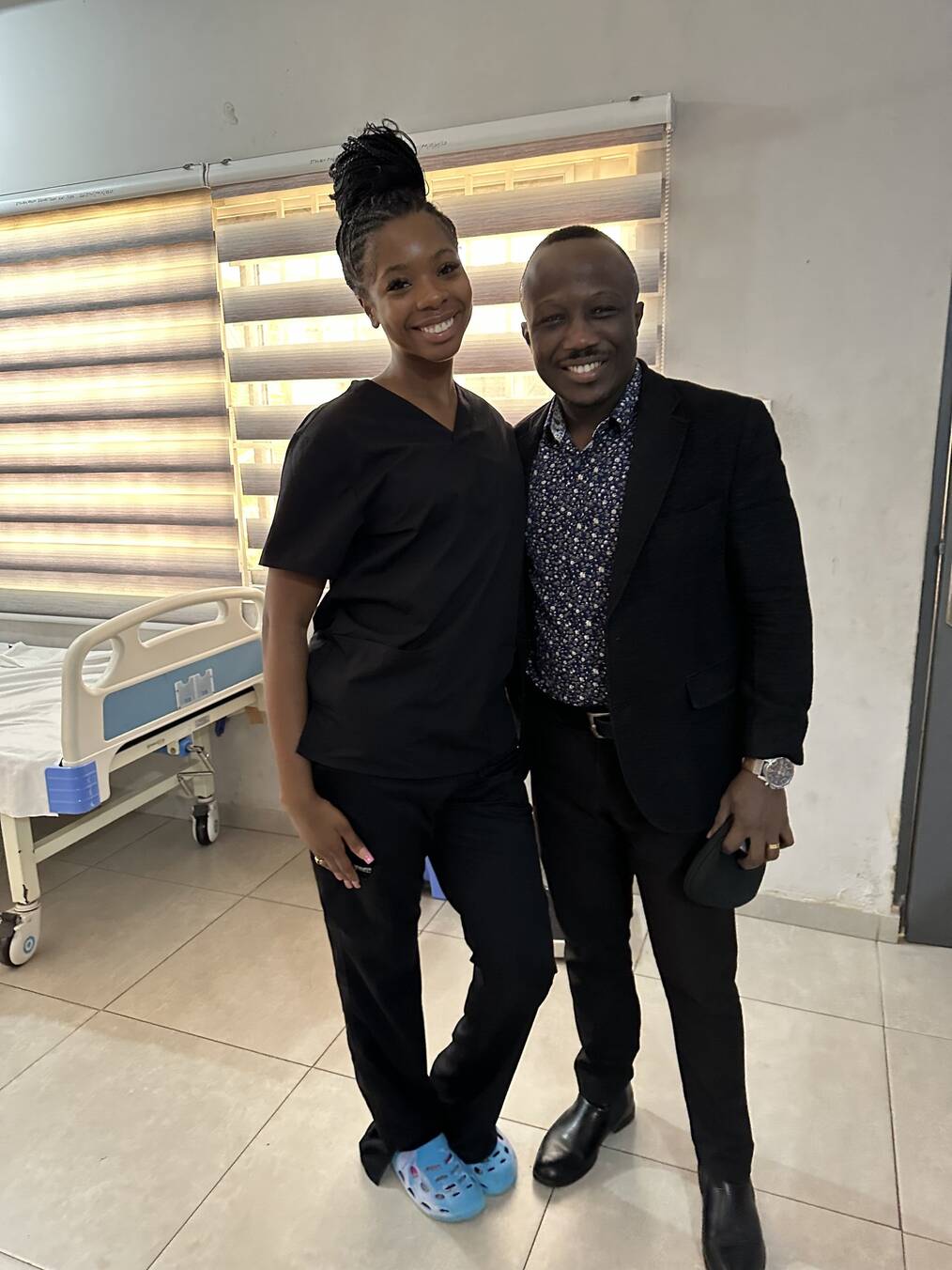
During my clinicals settings, the medical officers were very welcoming and engaging in conversations. They all were more than happy to help me understand medical issues and expose me to different cases I may not have been exposed to back home. My favorite part of clinicals was attending surgeries every Wednesday. This experience was amazing because I was able to witness all the moving parts that play a role in surgeries and it was also my first time watching surgeries be performed on children as young as 2 months old! I also really enjoyed the Outpatient Department and being able to see all the new cases and clinics each week. This was super interesting and engaging because there was something new that I could learn every day from asthma clinic, neuro clinic, and just regular OPD. I developed cultural competency during my time here which will really help me with my career in the future when dealing with diverse populations. Finally, outside of clinicals, I was able to have the independence to explore the city and learn more about myself. I felt extremely safe in Accra and being able to go out and explore during my free time allowed me to learn many things about myself and pushed me out of my comfort zone. The local team was extremely accommodating and very nice! They always were available if I needed anything or had any questions.
This experience really changed my life for the better and I am so happy I meet so many great people and I plan to continue to build on the friendships I have made. CFHI is the absolute best and I HIGHLY recommend this program!

What is your advice to future travelers on this program?
Be open minded! Be willing to put yourself out there and learn and experience new things! I loved going alone when I finally got acclimated and I learned so much about myself!
Pros
  • Exploration
  • Freedom to move around
Trevor
5/5
Yes, I recommend this program

Global Health in Quito, Ecuador. Feb 2024

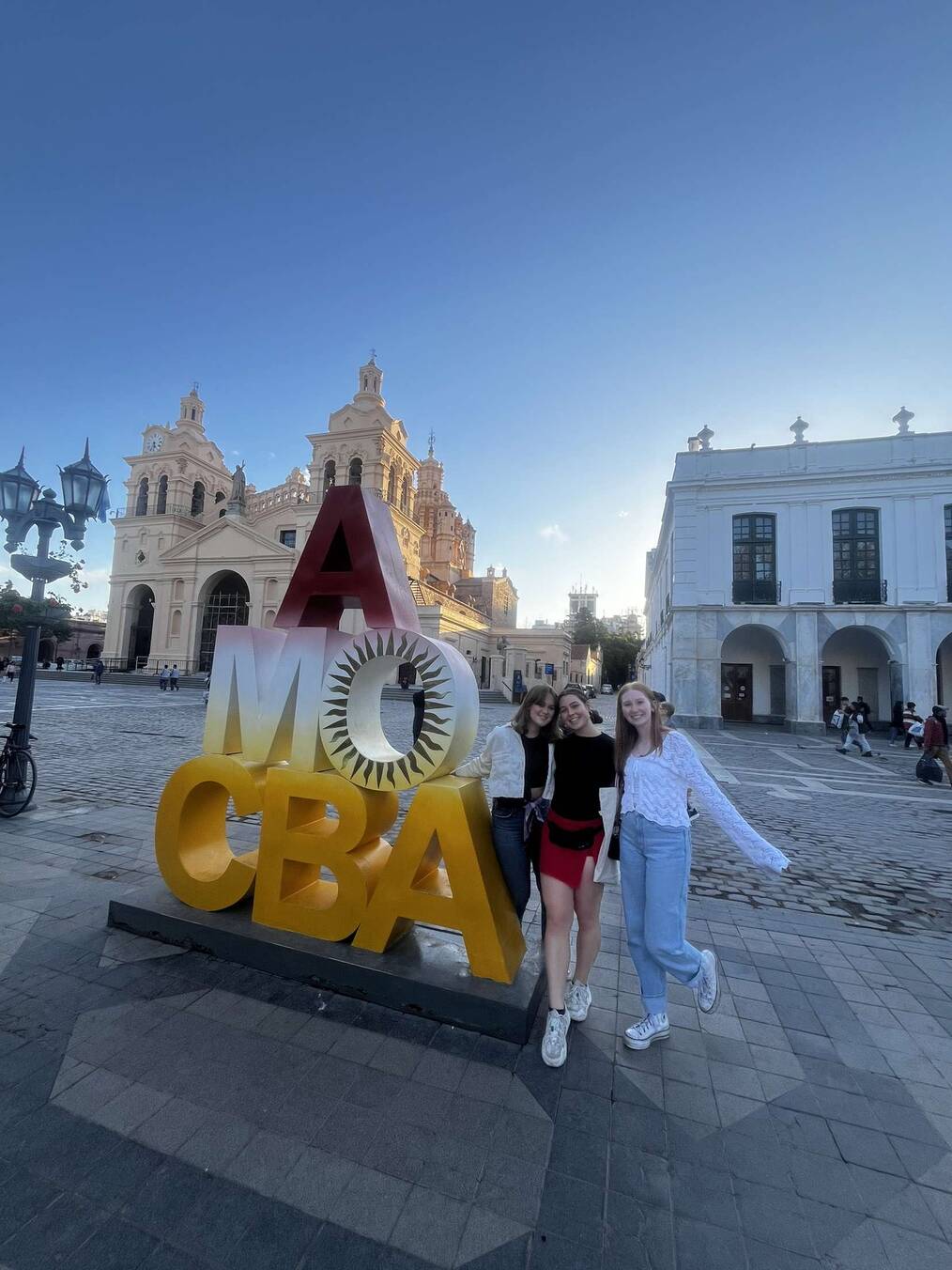
I’m a fourth-year medical student who participated in the Global Health in Quito, Ecuador program through CFHI. I would highly recommend this program to anyone interested in learning more about the unique Ecuadorian healthcare system, practicing Spanish with host families, patients, and other healthcare workers, and exploring Quito, surrounding cities, and the Galapagos! I spent three weeks in Quito and 1 week in Otavalo at many different clinical sites including OBGYN clinic and wards, the OR, the pediatric ED, and primary care clinics. I spent many hours practicing speaking with Spanish and building my physical exam skills. I was able to really explore what makes the Ecuadorian healthcare system so unique and get an understanding of how it operates. Throughout my month, I participated in many home visits for patients that couldn’t make it to the clinic, which allowed me to see more of the country and the people of Ecuador. My host family was amazing. They made me feel very welcomed and treated me as a part of their family. We only spoke in Spanish so that I could be fully immersed and continue to improve my Spanish. They made sure I had everything I needed and gave me wonderful advice on fun things to do in the city and surrounding areas on my free afternoons and weekends. My daily Spanish classes were very helpful and focused on getting a solid foundation in medical Spanish to make my time in clinic easier. The afternoon excursions through the school allowed me even more time to learn about Ecuadorian history and culture and practice Spanish in a real-life setting. After my program ended, I went to the Galapagos Islands where I saw thousands of animals and saw firsthand many of the things I had learned as an undergraduate Biology major – including visiting museums focused on the discoveries of Charles Darwin!

What is your advice to future travelers on this program?
Quito is located high up in the mountains. Although it's on the Equator, the weather in February could be a bit cold, especially in the evenings because of the altitude. Also, it may not be a bad idea to talk to your doctor about prophylactic altitude sickness medication while you adjust to the altitude. Don't plan on doing anything too physically strenuous your first few days after you arrive!
Pros
  • Spanish speaking with host families!
  • Many different clinical sites throughout your month.
  • Lots of things to do in Quito and lots of places to explore outside of Quito.
Cons
  • Be careful for pickpockets in Quito- especially at night!
  • It may be difficult to interact during medical rotations if you don't have at least a bit of Spanish knowledge beforehand.
  • Be prepared for the altitude! You'll adjust quickly, though.
Rosemary
5/5
Yes, I recommend this program

A very memorable experience!

CFHI is a great program to experience cultural immersion, clinical exposure, and language acquisition. It was a very well rounded experience with a lot of helpful support in place from the coordinators, my host family, and alumni advisor. We had enough structure in our schedule to reap benefits from the experience and enough free time to relax and enjoy the environment. I definitely would recommend it to other students!

It was interesting to see some of the common chronic diseases (diabetes, hypertension, hypercholesterolemia) because of diet and food access, also seeing unique tropical diseases like Dengue and Chagas, and seeing the younger age that women tend to have children as a result of social factors.

My host mom was very kind and helpful and an amazing cook! She would always be interested to get a recap of our days so we could practice our Spanish. I really enjoyed my stay with her.

Spanish classes were also super helpful and I learned a lot that helped me increase my fluency. My teacher, Rocio was extremely kind, patient, and supportive to help us make progress on a lot of grammatical and conversational skills.

The many beautiful beaches and the overall environment in Puerto Escondido were very beautiful to enjoy. We even took a weekend trip to Oaxaca which was also a wonderful place to visit.

Jenna
4/5
Yes, I recommend this program

Medical student rotation in Tarija, Bolivia

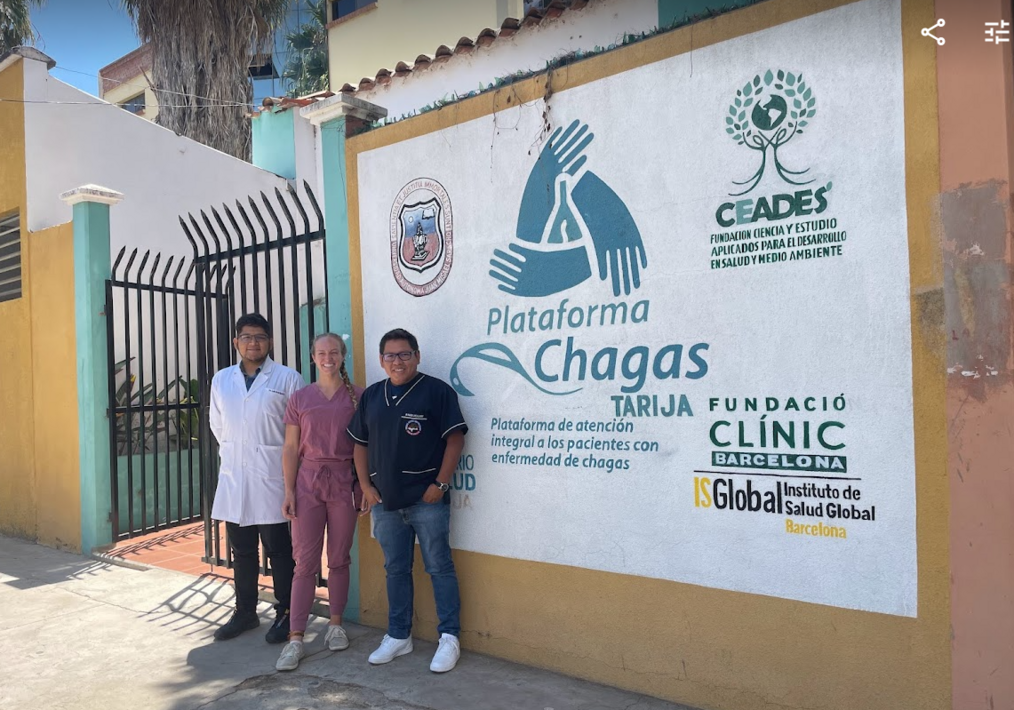
My name is Jenna Frantz, and I am a fourth-year medical student (just weeks away from graduating as an MD) at Wright State University Boonshoft School of Medicine. As I am preparing for my residency and career in emergency medicine, I am continually inspired by my foundational goal: to serve Hispanic patients facing barriers to healthcare, both domestically and abroad. When I found the rotation to Tarija, Bolivia, through Child Family Health International (CFHI), it was a great fit with my goals to obtain further education and experience in global health. I had previously rotated in Peru, Guatemala, Ethiopia, and Puerto Rico for service-learning opportunities (not affiliated with CFHI), and I could tell my experience with CFHI would be different. I was so excited for the stellar learning experience and cultural immersion provided by CFHI.

While still stateside, CFHI made sure I was well prepared for my trip logistically, culturally, and educationally. To facilitate this, there were multiple required online modules about the program, Bolivian culture, cultural sensitivity, and global health ethics. Additionally, the team remained in close email contact with me, and there was even a virtual orientation session to ensure I was prepared prior to takeoff.

Once I arrived in Tarija, I was immediately received with warm, kind smiles from Fabricio – the local program coordinator – and my host family. I got to live with a lovely host family for 8 weeks. The family had 3 daughters about my age, and they took me under their wing immediately, inviting me to hang out with their friends, to walk around the town, to go to the local cultural festivals, and so much more.

Aside from the amazing experience I had with my host family, I had a very comprehensive medical rotation. I rotated for 2 weeks in internal medicine, and 1 week in each of the following: rural primary care, urban primary care, Chagas’ disease clinic, emergency medicine, general surgery, and OB/GYN. I quickly found that the rotations through CFHI are not the same as my medical rotations in the United States – despite being fluent in Spanish, it is difficult to be fully-integrated into the care team as a foreign student where the documentation and work-flow are entirely different from the system in the United States. Furthermore, the local students had to start pre-rounding on their patients at 4-6am; as my scheduled arrival time to the rotation was at 7-8am each day, it was hard to be as fully-involved in patients’ care, since much of the decision-making took place in pre-rounds prior to my arrival. Despite this, it was not at all a barrier to my learning experience, but rather a shift of focus. My learning on this rotation was much more focused on cultural influences in medical decision-making, the influence of government in healthcare in a universal healthcare system, and navigating barriers such as broken equipment and out-of-stock medications.

Another amazing part of this rotation was the extreme kindness and generosity of the local physicians and medical students. Although they had absolutely no obligation to do so, they frequently invited me out to experience the beautiful nature and the lovely culture and customs in Tarija. While rotating in the rural clinic in San Andrés, the physicians took me to the river in the countryside after clinic to enjoy the gorgeous views and to take a dip in the water. At the urban clinic, the physicians invited me to hang out with them during the Carnaval Chapaco, as they wanted to ensure I could experience this great cultural tradition. While rotating in internal medicine, I became good friends with a local medical student, and she and I learned more about the local cultural importance of wine while we toured the local vineyards together. During my experience in general surgery, the residents invited me to get coffee, dinner, and to take a hike to the Chorros de Marquiri, the most beautiful waterfall I’ve seen in my life. All of these people went above and beyond, helping me to have an amazing time in Tarija, and it was truly one of the best parts of my CFHI experience.

My experience with CFHI was valuable and enjoyable learning experience, and I knew I had the constant support of my caring host family and the local team. I would highly recommend an experience through this organization for any students in the medical field who plan on having a career in international medicine.

If you did this all over again, what's one thing you would change?
I wish I was aware prior to going to Tarija that this rotation would be primarily observational, rather than having true clinical involvement like in my US-based rotations as a medical student.
Sherina Mae
5/5
Yes, I recommend this program

My internship at CFHI became a journey back home while I am at home

Participating in the Philippines–Remote Island Medicine Internship with Child Family Health International (CFHI) has been personally transformative and eye-opening experience that surpassed my initial expectations.

I’ve learned opportunities of studying abroad because of the fellowships I had in my community college. As a transfer student, I spotted a UC Davis flyer promoting the Philippines–Remote Island Medicine Internship in 2022 and envisioned it as a small goal. At the end of 2022, I found there could be scholarships such as Kerr-Lacy Study Abroad and CFHI Scholarship which we can apply for as an Aggie. I chose the Remote Island Medicine internship in the Philippines to broaden my global health perspective as a dual citizen. I chose it not only because I will have a chance to see my families but reflect on what I can do today to address health disparities in rural and urban areas. I aspire to find ways to integrate professionally. But most importantly, to learn what public health means to me as a global citizen and learn together with my co-interns. The interactions we had could be a way to forge relations with students like ourselves who may someday lead their programs internationally. My internship abroad turned out to be the last class I had as an undergraduate—solidified my plans of participating in public health as an aspiring nurse midwife. The words of Dr. Joel Buenaventura's sharing on his seven years of community medicine on the island resonates deeply: 'It is not the island that’s changed, it’s me.' This sentiment echoes CFHI’s powerful slogan, 'Let the World Change You.' The immersion and interactions I had in the Philippines and their healthcare system profoundly impacted my perspectives on global health and nursing as a student, seeing essentially how our connections with one another is.
We stayed in Metro Manila (capital of the Philippines) for about 2 weeks. From here, one of the experiences that provided me insight into public/global health was walking through UP-PGH with Dr. Paulo “Lopao” Medina while talking about a part of the Philippine health system where there is more subspecialty than generalist doctors (inverted primary to tertiary). This topic has been included in the healthcare system/situation lecture at the university along with the reiteration of the disjointed healthcare system where we sat with 4th year medical students. While being mindful of the values of CFHI, another local team experience I appreciate was walking at the 'Quiapo Medical Center' (complementary/alternative medicine) tour and the National Museum of Natural History tour, where Dr. Jerry mentioned how topography (typhoons) affects healthcare distribution and the lifestyles of a culture. In a piece of information in a public health class, I read a women's health article “Why The Philippines Has So Many Teen Moms” informed me about rising teenage pregnancy, access to abortion and the need for sex education. It is a topic I yearn to know more about. One of the most significant experiences I had was learning more about it in Manila and at Tablas Island, Romblon. In Manila, Dr. Jomer led us to see the Red-light District and rotations at the HIV clinic---where CFHI opened me to see sensitive patient-doctor interaction, and how affordability could affect referrals/quality of interventions. I remember Dr. Jomer shared that he has been doing an outreach similar to HIV clinics since high school, to community college, at UC Berkeley and meeting him today at CFHI as an Aggie. Another thing that stood out to me in Manila is our Debriefing Session/Exit Conference at the University of the Philippines where we are presenting what we learned as well as being in conversations between leaders at RHU in Tablas Island and leaders in Manila—how they creatively communicate, collaborate, and value the work that they do in their respective fields in public health. I recall “How the book isn’t always what could occur in actuality and how there could be times of what is needed should be the action. Trial and Error with the importance of guidelines in Public Health. And always remember that at the center of public health are the people”. These immersive experiences reminded me of the significance of words: “pagpapakatao” (being human/importance of kindness) and kapwa– “(I) self in the other” in patient care. At CFHI Philippines, I also realized how politics and healthcare are tied together.

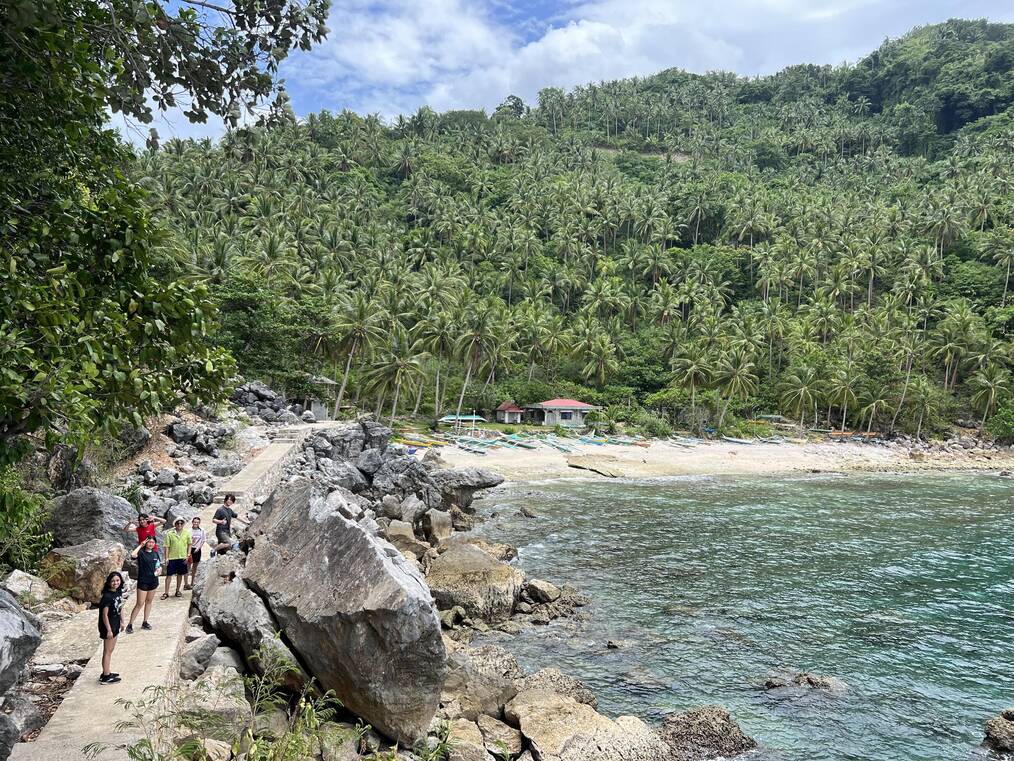
In our last 3 weeks at Tablas Island in the province of Romblon, we stayed at Mama Le’s home where she also takes care of her granddaughter—it made me reflect on the advantages of close-knit family ties. The “everyday” after our clinicals looks like walking near the pier with my co-interns, where we sometimes stargaze or watch lightning from a far. One of the fun aspects of the program here is having our orientation at the beach, going to Bon Bon Beach and taking boat rides, hiking near the Blue Hole, and exploring another Romblon island walking more at the Marble Capital of the Philippines with Dr. Jobin Maestro. In addition to that, I am thankful for being invited by the Municipal Health Officer (Dr. Jobin) on his Birthday joined by families and the RHU staff (forever karaoke). On the island, there are clinical observations on the dental clinic and observation of procedures done mostly by the nurses including circumcision, removal of birth control, immunization and outreach/communication on HPV vaccine (since 2023) on HS students. At the Rural Health Unit, observations of what midwives do such as newborn screening tests, assessing mother-child who gave birth at home in a remote place, and vaccines/supplementations given to pregnant women (if luckier, will witness birthing). I had the chance to observe more about: rural vs urban resources and compare it in global health, the fragmented/disjointed healthcare system, and the task shifting of their nurses and other healthcare workers. Another thing that stood out to me is visiting the Looc Marine Sanctuary with my co-interns on Tablas Island (my first time jumping, ofc with a life vest) and reflecting with Drs. Ged and Ken on the reproductive health presentation to a high school population by the RHU that had a “wasted” acronym. But most importantly, I am grateful for CFHI Philippines because it reminded me of my WHYs.

Moreover, I'm flabbergasted by meeting the CHFI Philippines director, who is part of the Department of Health International Relations (migration health), as an undergraduate. I learned how they have secured OFWs' health insurance to the country they are about to arrive. The information of fitness goes to the country of arrival or where they will migrate to. I specifically asked migration because I heard there are less studies tracing mental health for migrants and the different types of visas they hold from the Philippines to the US. In here, I perceive that there might be loss of data for analysis of health outcomes, and I speculate that transnational ties are already embedded in global health. I am grateful for Child Health Family International for the latitude of insights in global/public health and valuable experiences it provided me. I am reminded as well of the two time zones I have had since growing up. As an Aggie, I’m asked about my hometown that I’ll go home to–-here and there after the program. My internship at CFHI became a journey back home while I am at home.

What was the most surprising thing you saw or did?
Hike near the Blue Hole on Tablas Island, Dental services, and walks at UPPGH. So much more !!!
Jocelyn
5/5
Yes, I recommend this program

Amazing CFHI Oaxaca & Puerto Escondido Program

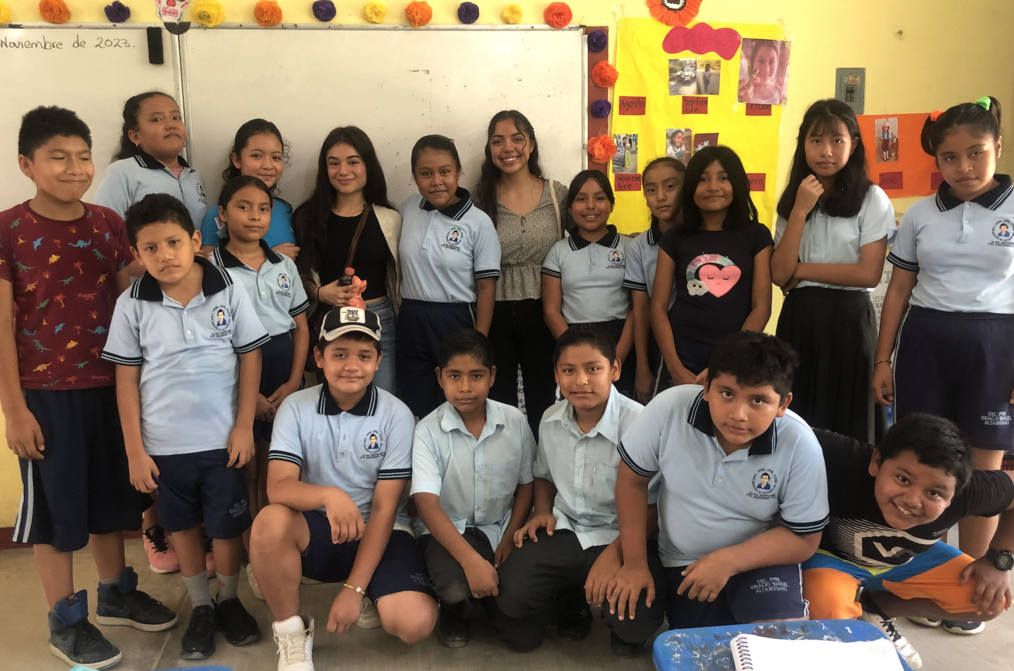
My global health study abroad program consisted of about 2 months in Oaxaca city, Mexico and two weeks in Puerto Escondido. Not only did I learn more about health problems that affect the Mexican population but also how to spread prevention awareness. I had the opportunity to shadow doctors in clinics and a hospital and was exposed to the different obstacles that many of these clinics faced. Most of the clinics that I had visited had a limited amount of resources available and doctors wrote their clinic stories using typewriters. In Puerto Escondido our main goal was to learn about public health and how to incorporate it into the community. We were given the opportunity to give presentations to elementary school classes on sexual education and Vector-related illnesses. All of the children that we presented to, all showed the desire to learn more. Besides the academic part of the study abroad program, the culture in Oaxaca, Mexico is truly one of a kind. I was exposed to calendas (parades), dia de los muertos celebrations, and the beautiful beaches. Oaxacans are extremely respectful and easygoing, always greeting you when you walk by or eating. Overall, this was an amazing experience and I am very thankful that I was able to experience it.

What was your funniest moment?
In Puerto Escondido, the weather is humid and hot but at times it randomly rains. One day we went out for dinner as a group and we had walked since we lived about 10 minutes away from the restaurant. When we finished eating and starting walking back, it started pouring so hard. We all started running trying to use trees as cover. Unfortunately, it did not help and by the time we got back to our place, we were all drenched. This was definitely one of the funniest moments from this program.
Pros
  • Beautiful Oaxacan culture
  • The people there are super sweet and respectul
  • Have the opportunity to learn about traditional medicine
Cons
  • Not long enough
  • Not enough time spent at a hospital
Esther
4/5
Yes, I recommend this program

Summer in Accra

This summer, I had the opportunity to participate in a global health fellowship as an HBCU Leader in Global Health. Thank you Child Family Health International for this wonderful, life-changing opportunity to experience medicine in Accra, Ghana! During my 4 weeks here, I was able to shadow physicians in various departments, observe surgeries, observe vaginal deliveries & c-section births, and learn about preventative health and malnutrition management.
I had an amazing time exploring Accra and shadowing at Princess Marie Louise Children's Hospital and Jamestown Maternity Hospital. I am so grateful to combine my love for medicine with my love for travel! Exploring global health through a service-based lens has given me an invaluable perspective on advocacy and health equity before officially starting my medical school journey.

Linda
5/5
Yes, I recommend this program

Accra, Ghana Experience

My CFHI experience in Accra, Ghana was extremely invaluable. I had the unique opportunity to serve in a local hospital where I learned about child and maternal health. Each week I rotated through a different sector of the hospital: Week 1 was the emergency room, week two was malnutrition, week 3 was community health/family planning and for the last week I was in the wards/NICU. I appreciated learning about healthcare in Ghana directly from health care providers. I was excited to practice physical exams and interview patients since these are skills I have acquired in my first year of medical school. The malnutrition unit was particularly interesting to me because I haven't had much exposure to working with dieticians. Malnutrition is a massive issue in Ghana, and I learned ways in which the dieticians plan to help their patients recover (utilizing a 4-step re-feeding plan) and how they work with the physicians in other units (ex. OPD or the ED) to ensure the best care for these patients.
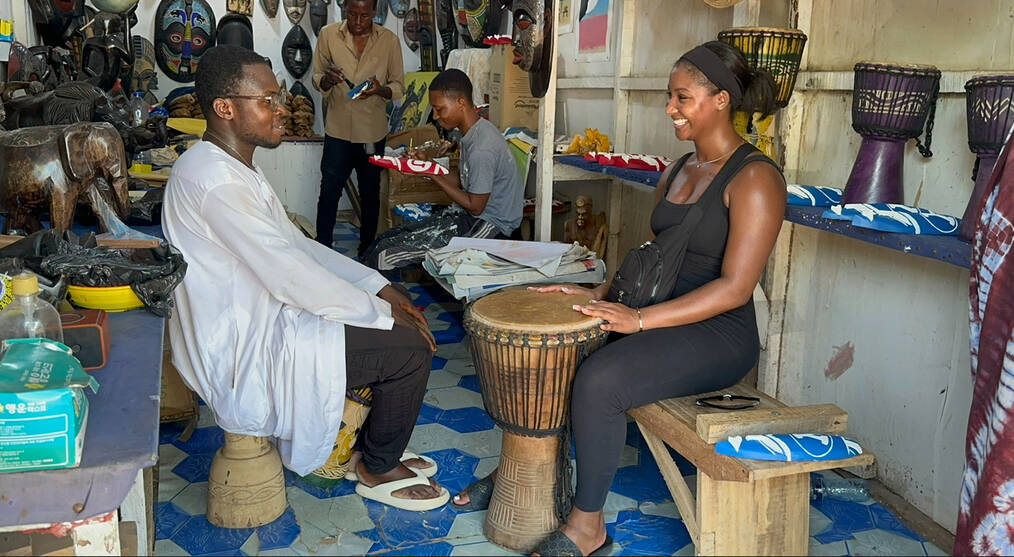
Culturally, I enjoyed trying different foods such as red red, kenkey and kelewele. As the daughter of Nigerian immigrants, many of these foods reminded me of home as there were similarities between the dishes. Interacting with locals and admiring the art pieces and learning to play the drums at the art center was one of my many highlights. I really appreciate the sense of community I felt in Accra. I appreciated the opportunity to live with other students from different states and countries while learning about Ghana when we went out into the community each day. I will never forget this transformative experience as it strengthened my desire to continue to pursue Global Health in my future career.

Pros
  • Clinical Experience
  • Cultural Experience
  • Networking/Meeting New People
LaTavia
5/5
Yes, I recommend this program

Oh Ghana! What a Time!

My 4 week program in Ghana with child family health international by far the best opportunity I’ve come across. During this time, I was able to shadow healthcare providers at the Cape Coast Teaching Hospital allowing me to see first hand healthcare disparities and challenges the communities are being faced with. My rotations took place in the Pediatric & NICU ward which only grew my passion for wanting to work with children and loving mothers. Also, I had a chance to participate on outreach days with Planned Parenthood Association of Ghana whom goals was to educate the community on sexual rights and women’s reproductive health.

During leisure time , I took the opportunity to explore the Ghanaian community and see the beautiful landmarks and buildings. Truly immersing myself in the culture. Our coordinator made sure we experienced Ghanaian food each night by cooking us diner.

“Let The World Change You“ is the slogan of Child Family Health International and that’s exactly what I did during my time of the global health in Ghana program. Becoming a sponge and soaking up the experience to what i was surrounded with is the best thing I could’ve done.

I am beyond grateful for this experience that was both personal and professional. I can’t wait to continue to work toward my career of becoming a physician assistant!

Pros
  • Housing / Coordinator
  • Hospital experience
  • Culture immersion