Child Family Health International

Program Reviews

Stephen
5/5
Yes, I recommend this program

An Amazing Experience in Puyo!

When I arrived in Ecuador, I was welcomed with warmth and hospitality. My host family made me feel at home, introducing me to local traditions, delicious food, and the fascinating world of vector control. Mornings began with fresh fruit and eggs, followed by hands-on learning about malaria and dengue prevention, including local remedies like Palo Santo and vitamin B for mosquito deterrence.

Most of my time in Ecuador was in Puyo. Here, life moved at a slower pace with mornings marked by the sound of chickens and steady jungle rain. I worked with the Vector Control team, gaining firsthand knowledge of mosquito species, insecticides, and field techniques. Visiting communities with standing water and high mosquito activity was eye-opening, showing me the direct impact of public health efforts. The generosity of the locals was striking; I was welcomed into homes, offered food, and even had the chance to taste fresh guava straight from the tree.

One of the most fascinating parts of my journey was discovering Ecuador’s rich natural medicine. At an ethnobotanical park, I learned about plants used for everything from wound healing to pain relief. A unique (and unexpected) experience was trying a traditional remedy for back pain: Ortiga. These stinging nettles were surprisingly effective.

At a local hospital, I observed a wide range of medical cases, from parasitic infections to chronic illnesses. My supervising physician was excellent—he took his time, listened deeply, and connected with patients on a level that went beyond medicine. His ability to integrate cultural and spiritual aspects into care left a lasting impression and reinforced my own passion for patient-centered medicine.

Another highlight was spending time in a remote Kichwa community. With no WiFi or modern distractions, life revolved around nature, family, and tradition. The children were eager to learn, and teaching them English became one of the most rewarding parts of my journey. I fully embraced the experience—bathing in the river, fishing with a machete, painting my face with natural dyes, and learning about traditional healing methods. Meals were fresh and simple, made from ingredients grown right in the backyard.

In my final days, I worked at a rural clinic and helped conduct medical visits in an isolated Shuar village. It was a humbling experience, reinforcing the importance of accessible healthcare in underserved areas. This journey wasn’t just about medical training—it was about cultural immersion, learning a new language, personal growth, and human connection. For anyone seeking an authentic and transformative experience, I can’t recommend this opportunity enough!

Natalie
5/5
Yes, I recommend this program

Oaxaca - Worth Every Penny !

Shadowing physicians in clinics and hospitals, I saw firsthand how providers balanced modern medicine with traditional healing, where resources were scarce but compassion was abundant. I witnessed systemic health challenges firsthand—patients traveling hours for medical attention, hospitals working with limited supplies, and families playing a crucial role in their loved ones’ care. This experience taught me that medicine is not just about treating illness but about understanding the patient’s beliefs, environment, and access to care. Outside of the clinical setting, Oaxaca’s rich culture embraced me—dancing in the streets during festivals, tasting mole in a bustling mercado, and connecting with local healthcare teams who welcomed me as one of their own. This experience reinforced that medicine is universal, but healing is deeply personal, shaped by history, tradition, and human connection.

Samida
5/5
Yes, I recommend this program

An unforgettable Experience

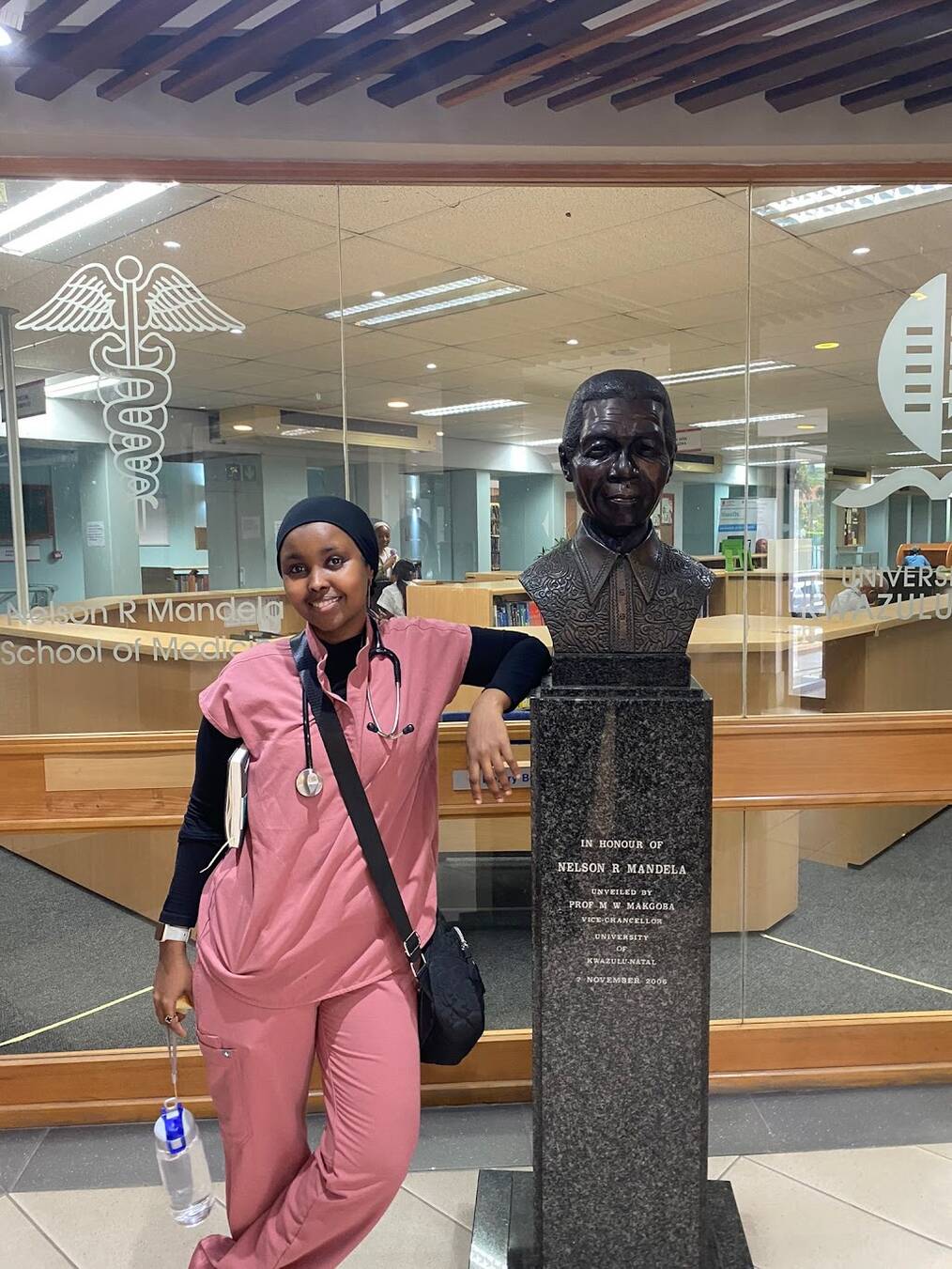
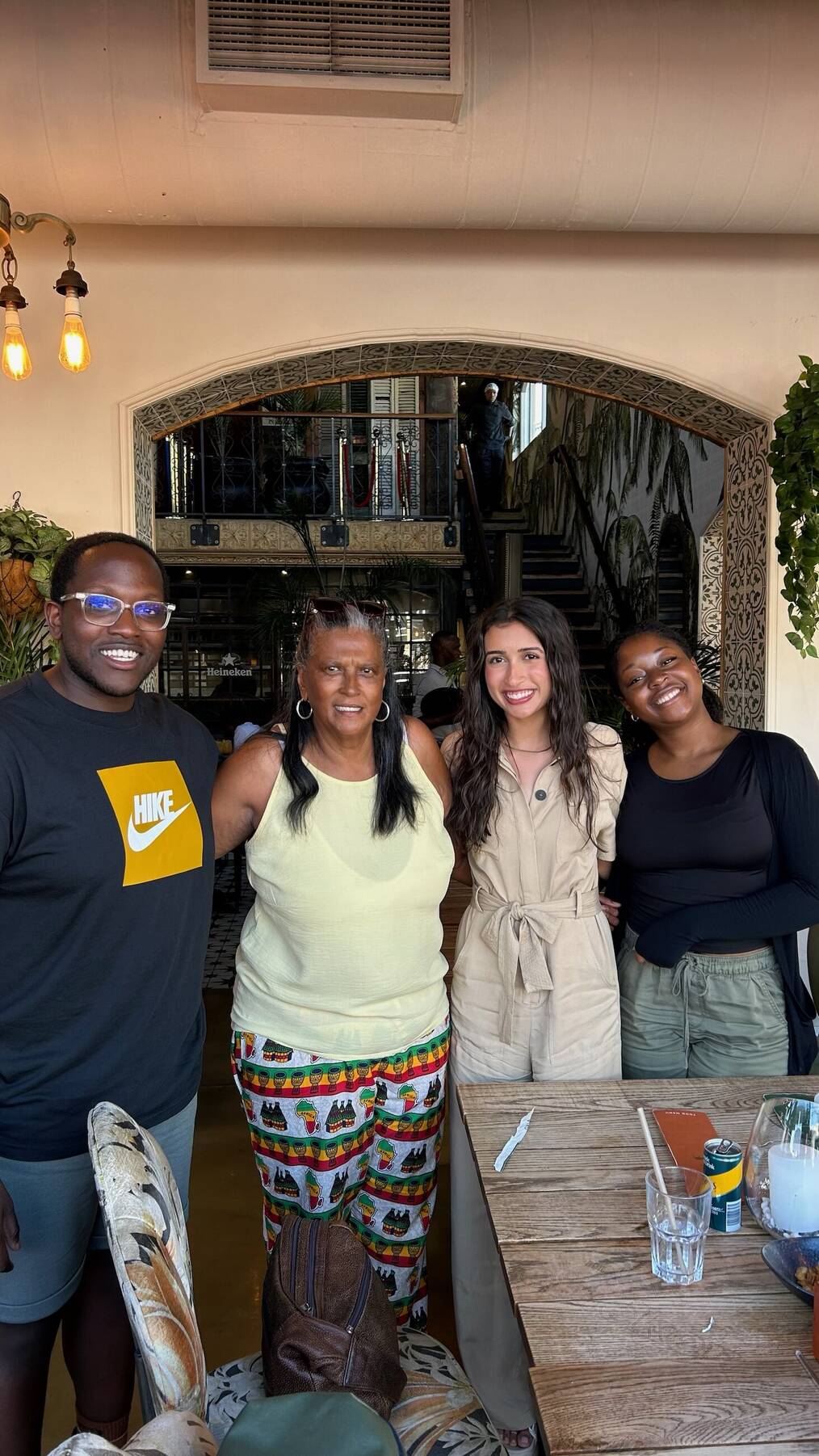
CFHI’s global health program in Durban was an incredible opportunity to observe healthcare in a new setting. I rotated through surgery, pediatrics, community clinics, and an HIV/AIDS center, gaining a broader perspective on patient care and healthcare challenges. The physicians and medical staff were welcoming and eager to teach, making the experience both engaging and educational.

Beyond clinical exposure, I had the chance to explore Durban and Cape Town, immersing myself in the local culture and gaining a deeper appreciation for global health. This program was eye-opening and gave me invaluable insight into medicine in a resource-limited setting.

What was the most unfamiliar thing you ate?
Bunny chow… I loved it!
Pros
  • diverse clinical exposure
  • supportive people
  • cultural immersion
Cons
  • adjusting to new healthcare system
Tori
5/5
Yes, I recommend this program

Virtual Bolivia Healthcare Internship

Going into the program, I was unsure what to expect, but I'm glad I was able to experience it! I was able to learn about Bolivia's healthcare systems and improve my skills in Spanish. I realized that Bolivia has a healthcare structure that we in the U.S. should envy. I thought that I was pretty well educated and held little bias, but by learning more about Bolivia, I began to recognize all the ingrained biases that stemmed from the United States media.
I would love to participate in more programs like this whether they are Virtual or In-Person. Truly, it was a worthwhile experience!

If you did this all over again, what's one thing you would change?
If I did this program again, I would try to allocate more time to focus on the assignments. I ended up participating in the program while taking University classes, so it was hard to balance each equally.
Pros
  • Learn Medical Spanish
  • Great Professors
Michaela
5/5
Yes, I recommend this program

Home away from home

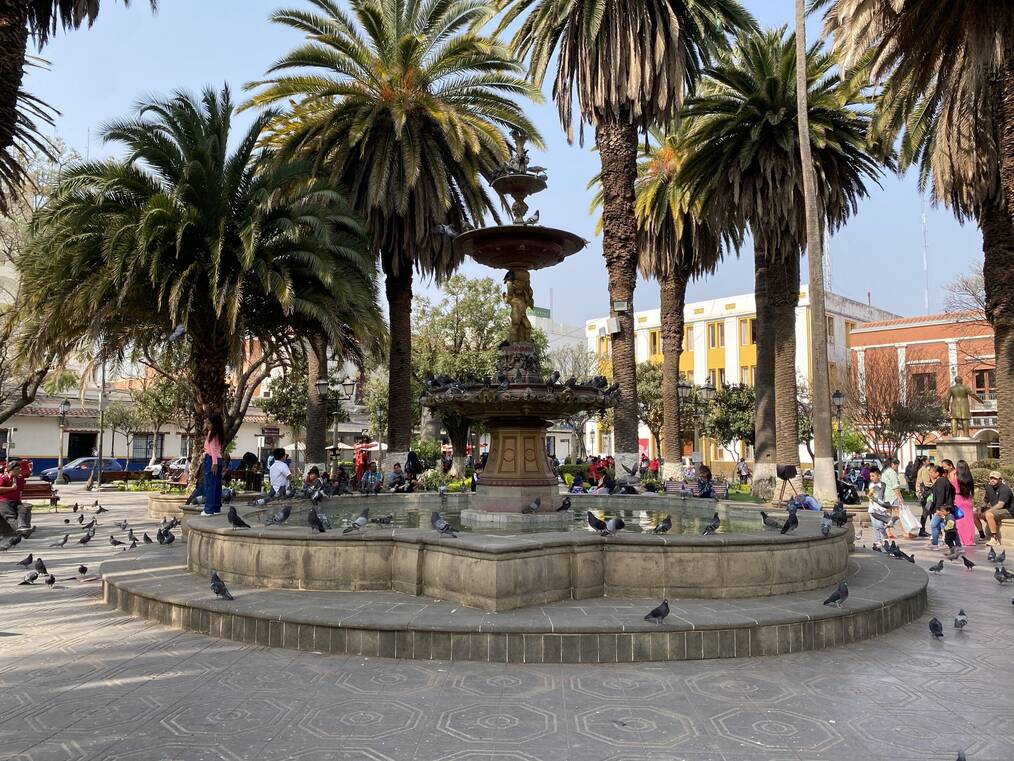
Several years ago, I spent two years living in a rural village in the Dominican Republic as a Peace Corps Volunteer. Immersed in a different culture, language, and way of life vastly different from my privileged upbringing, I experienced immense personal growth and gained a perspective that informed my path in public health and medicine. Now in my 4th year of medical school, I had the opportunity to spend a month living in Tarija, Bolivia through Child Family Health International, rotating in clinics and hospitals, improving my Spanish language skills, and immersing once again in a vibrant culture and community. While these two experiences were different in many ways, what ultimately remains etched into my mind and my heart remains the same - the people I met and the relationships I built.

I lived in a 3 generation household consisting of my host mom, her son (host brother) , and her 6-year-old grandson. My host mom does it all. She works as a dentist, is the chef of the household (cooking not only for her family but also for her fiance and his daughter), attends to her plants, and keeps everything in order. The more time I spent with her, discussing everything from the weather to cooking to U.S. and Bolivian politics, the more it felt like a genuine friendship, similar to that which I have with my own mom. In addition, we realized that we both have a second stomach for sweets, which came in handy when we went to dinner and could back each other up on wanting to order dessert. It also made teaching her how to bake tres leches (my host brother’s favorite cake) a no-brainer. It lasted less than 2 days!

My host mom created the sturdy, comfortable envrionment that made me feel like I had a home away from home. She had a genuine curiosity to get to know me as well as teach me about the aspects of her life and Bolivian culture that she loves and appreciates. It was her delicious, traditional meals that kept me energized during my month there (well that and the coffee I enjoyed multiple times a day). Some of my favorite memories in Tarija were the times we spent in the kitchen/dining room, preparing food, eating together, or talking over tea and snacks. The previous student was right when she said that our host “is the best host mother!”

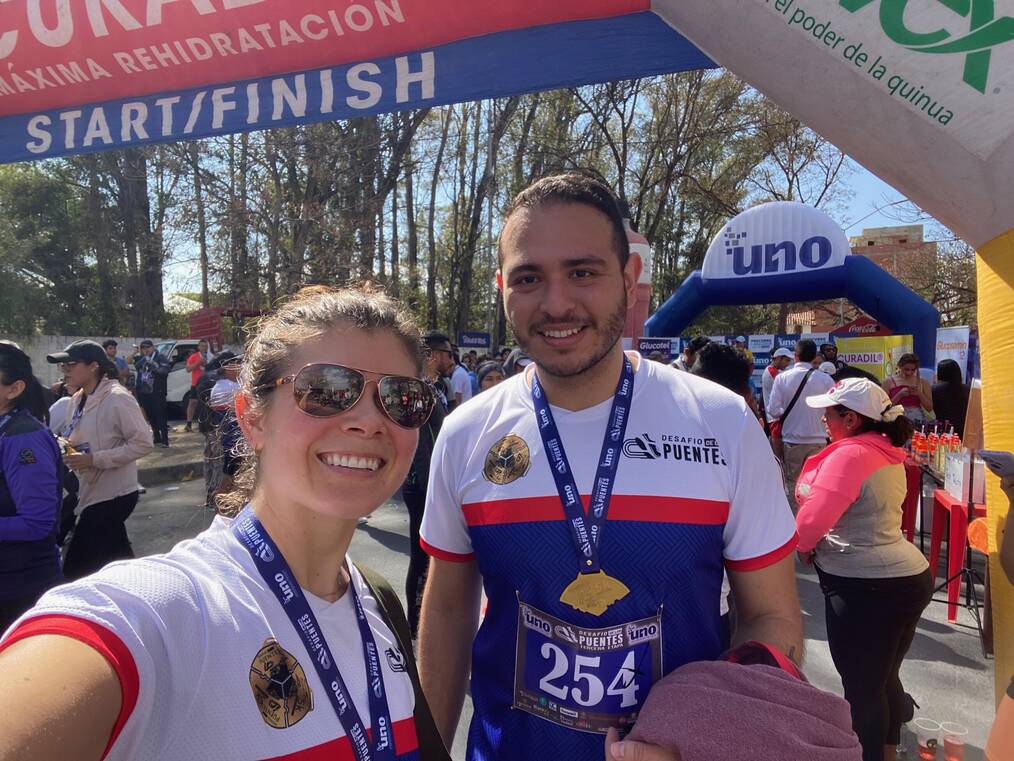
Then there was my host brother, who is around my age. When he’s not taking care of his son, working as a dentist, or taking online courses to become a professor, he runs with a local running club. During the first two weeks as I was preparing my residency application, we’d sit together at the living room table after dinner, doing our respective work. The companionship during this somewhat stressful time was unexpected and quite calming. More unexpected, however, was when he invited me to sing-up for a 5k race that he and his running club were participating in. I ran cross-coutry and track in college (over 10 years ago), and it had been a hot minute since I participated in any competition. But as soon as we arrived in the early morning, doing warm-up experciese together, I had the familiar nervous excitement that always comes with racing competitions. After the race was over (I came second in my age group with the prize of a botte of wine made in Tarija!), we joined the rest of the running club members for a celebratory brunch. The following week we ran in another, more low-key 5k, and afterward I chatted with some of the same running club members as the week prior. They tried unsuccessfuly to get me to join the triathlon the following week. Though brief, I felt I was part of this energetic and supportive community.

The day before leaving Tarija, my host brother brother messaged me: “You’re not leaving yet, and I’m already missing you 🥲.” This sentiment alone describes what I find most valuable about my experience: the ability to connect with people, to compartir (share) parts of your lives, even if briefly, in a way that leaves a positive mark.

What was the most surprising thing you saw or did?
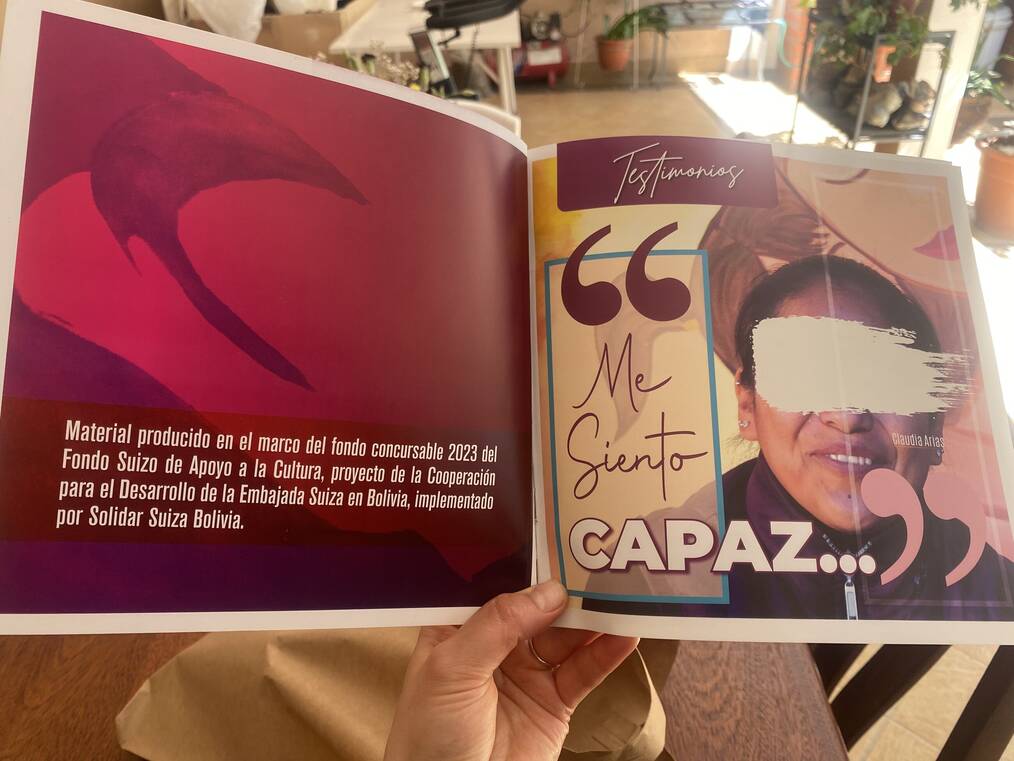
I met an artist who organized a murals project within female prisons in Bolivia. They had initially planned to have those who were imprisoned paint 4 murals, but the women valued the experience so much that they ended up painting over 40! The artis also gives classes to individuals with developmental and behavioral coniditons such as Down syndrome and autism.
Pros
  • immersion in Spansh language
  • learning about Bolivian culture and exploring Tarija's natural beuaty
  • building relationships
Queenie
5/5
Yes, I recommend this program

Ghana Virtual Program

I had the opportunity of participating in the CFHI Virtual Program for Ghana. Through this program, I gained much insight and exposure to what Ghana's healthcare system is like, as well as the societal, political, economic, and cultural factors that contribute to their identity as a country today. The nuances and intersections in much categories was insightful to learn about as well as their rich culture. I learned so much through the activities, modules, and discussions we had in groups with the program director. Overall, I learned to apply many skills and came out with so much learned about Ghana, its identity as a country, its people, and more. I was able to gain a better perspective and understanding of important health issues prevalent in many countries such as the AIDS/HIV epidemic along with numerous communicable and non-communicable diseases.

What was the most surprising thing you saw or did?
It was really insightful to see and learn more about Ghana's food culture and their traditions/holidays!
Cecilia
5/5
Yes, I recommend this program

CFHI in Quito,Ecuador

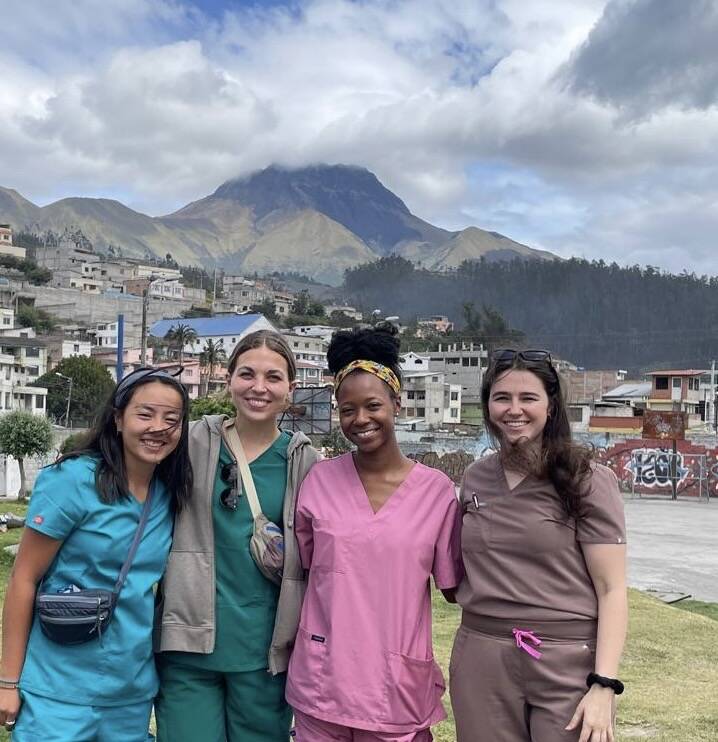
I had the best experience with CFHI in Quito, Ecuador. I received a scholarship to participate in this as a two week global health elective as a fourth year medical student. Without this scholarship I would not have been able to have this opportunity, so for that I am incredibly grateful.

I was provided information about CFHI and Ecuador prior to departure through modules and an orientation. I was paired with an alumni who I was able to chat with and she gave me the best advice from the student perspective. We ended up having very similar experiences. I visited my doctor a month prior to leaving on my trip so that I could be sure that I was up to date on my vaccines and recommended travel meds, which served me well since I didn't get sick while abroad!

CFHI did a great job communicating with me about my host mom and transportation to and from the airport. I really appreciated that someone was able to pick me up and drop me off at the airport, since taxis in Quito can sometimes take advantage of tourists. On my first day, my host mom walked me on the route to the school, which was also the way to get to the mall, the park and many of the restaurants in Quito. I always felt safe walking around the city, and it was fun living within walking distance of everything I could need! My host mom prepared breakfast and dinner, but I was able to choose my own meals out for lunch. I lived with one other student in my program and we became friends over the two weeks. We each had our own room and shared a bathroom in our home. It was nice to have a partner to do everything with!

I always had a driver who would take us to our hospital rotations. Some days after rotations and lunch, I would also have Spanish lessons for about two hours in the afternoons. My Spanish level was assessed on my first day in Quito so that I could work with an instructor at my level. Since I was only there for two weeks, I feel like I missed out on learning more Spanish at school. Most of my Spanish speaking practice was conversational in the hospitals, at home and around the city.

I enjoyed having hospital rotations at both the private and public hospitals in Quito. The private hospital was very slow since they had lower patient volumes, but the doctors and residents were super friendly and eager to teach and include us in rounds. It felt similar to my clinical rotations in medical school, except we didn't write notes or formally present patients. Most of my energy was spent trying to learn medicine in Spanish! The public hospital was a lot busier with more patients to see; however, didactic teaching time was non existent. I did get to perform physical exams and recheck blood pressures on patients in the family medicine clinic. Overall, as a fourth year medical student I feel like I was performing below my usual level of stimulation which was ok because I wanted to practice speaking more than medicine. In addition to rotations, we learned about Ecuador and the health system in lecture once a week with the doctor in charge of the program.

Ecuador is a beautiful country with incredibly warm and friendly people. I visited Cotopaxi, Banos, the equator line and the TeleferiQo in Quito in my free time. I enjoyed running at the park or going for walks in the neighborhood after school. The food was tasty, the fruits were fresh and the coffee was incredible. I loved learning about the traditional medicine culture and visiting the various markets around town. This experience was unforgettable and worth it! I think the medical rotations themselves are better suited for college or early med school stude

What was the most unfamiliar thing you ate?
Cuy (Guinea Pig)
Destiny
4/5
Yes, I recommend this program

A Wonderful experience for Pre-Med and Medical students!

My experience with the global health program in Quito, Ecuador, was wonderful. Exploring maternal health and gender disparities in a foreign country was both challenging and rewarding. The program provided me with the unique opportunity to observe numerous births and C-sections, which significantly deepened my understanding of clinical practices and public health in a different cultural context.

One of the highlights was the chance to explore these critical issues independently while having a small, supportive team to lean on. This balance allowed me to gain valuable insights into the local health landscape while also feeling supported in my journey. My Spanish improved tremendously throughout the program (from knowing zero to knowing basic functioning spanish), which enhanced my ability to connect with patients and local healthcare professionals.

However, there were a few challenges. The weekend solo excursion time was limited, and there was little time for personal exploration during the week. Additionally, while the CFHI team did an excellent job vetting the homestay, my actual living situation was somewhat chaotic, and the unreliable WiFi made it difficult to stay connected.

Despite these challenges, I am incredibly thankful for the experience. For anyone seeking serious clinical experience in a supportive and affordable setting, I highly recommend the CFHI program. It offers an invaluable opportunity for hands-on learning at a better price point than many other study abroad programs.

What was your funniest moment?
going to a club and hearing 2000s american music and seeing the different dance style as compared to the US
Michael
5/5
Yes, I recommend this program

Such a wonderful experience!

My time with CFHI in New Delhi was truly transformative, both personally and professionally. From the moment I arrived, I was welcomed into a supportive and enriching environment that allowed me to grow and learn in ways I had never imagined.

The CFHI program provided an exceptional range of clinical experiences. I had the chance to observe and participate in various medical practices, which enriched my understanding of healthcare delivery in a resource-constrained setting. The hands-on experience, coupled with insightful lectures, deepened my knowledge and skills.

The mentors and healthcare professionals involved in the program were outstanding. Their dedication to teaching and their willingness to share their expertise created a nurturing learning environment. They were always available to answer questions and provide guidance, which made the experience even more valuable.

CFHI’s program in New Delhi offered a profound cultural experience. Living in such a vibrant city allowed me to immerse myself in Indian culture, traditions, and daily life. This aspect of the program was incredibly enriching and helped me develop a broader perspective on global health issues.

The program is designed with a strong emphasis on community health. I appreciated how CFHI integrates community service into the experience, providing meaningful opportunities to engage with and contribute to local communities. This aspect of the program was particularly rewarding and highlighted the importance of giving back.

The CFHI team was exceptionally well-organized and supportive throughout my stay. From pre-departure preparations to on-the-ground support, everything was handled with professionalism and care. Any concerns or issues were addressed promptly, ensuring a smooth and enjoyable experience.

Participating in the CFHI program in New Delhi was an incredibly enriching experience that I will cherish for years to come. It provided me with invaluable clinical exposure, cultural insights, and personal growth opportunities. I highly recommend this program to anyone interested in gaining hands-on healthcare experience while making a meaningful impact in a global context.

Sarah
5/5
Yes, I recommend this program

Unforgettable Experience!

I am an undergraduate student from the United States studying Health Sciences with a minor in Spanish. I chose CFHI's Global Health in Argentina because it perfectly encompasses my interests in language and healthcare studies. I had a wonderful experience and I would highly recommend this program! I spent days shadowing at the local hospital, practicing Spanish, and learning about the local culture. It was truly a one of a kind experience where I was fully immersed in the beautiful culture and learned about the world on a global scale.

The hospital shadowing experience was very well-rounded as I was able to observe pediatrics in dermatology, rehabilitation, mental health, emergency, and surgery. Everyone at the hospital was very welcoming and made it a great learning environment for me as an observer. I got to learn and understand the Argentinian healthcare system first hand and absorb all that I could learn from those experiences. Throughout my two weeks in Argentina, I was constantly challenged in my communication skills as I practiced the Spanish language. The patience of my host family and those in the hospital went a long way.

Living with a local host family was another major part of the experience and something that is now very special to me. My host family was extremely welcoming and taught me a lot about Argentina through their perspective. As soon as I arrived, I was connected with the local coordinators and the other CFHI students. I appreciate CFHI because I felt supported every step of the way and the coordinators made sure that all aspects of the program were well organized.

This experience has shaped me as a student, professional, and individual. I built so many long-lasting relationships and Córdoba, Argentina will now hold a special place in my heart forever.

What is your advice to future travelers on this program?
My advice would be to just do it! Get out of your comfort zone, be open minded, take the leap and you will not regret it. Global studies are so valuable and not only will you learn a lot during this experience, but you will have so much fun along the way!