Volunteering as a football assistant has been one of the most enriching and surprising experiences of my life. When I first signed up to help at a local community club, I imagined myself quietly setting out cones or tidying equipment. What I discovered was a role full of purpose, teamwork, and meaningful connections — an opportunity to support young players, empower coaches, and give something valuable back to the community through the beautiful game.
From the very beginning, I realised how important assistants are in creating a smooth, enjoyable environment for everyone involved. While the head coach focuses on planning drills or explaining tactics, assistants like me make sure that everything runs efficiently behind the scenes. I arrived early to prepare the pitch, arrange bibs and balls, and welcome players as they arrived. Those small tasks might seem simple, but they set the tone for every session, creating a space where kids felt organised, supported, and ready to learn.
One of the most rewarding aspects of being an assistant is the chance to work closely with children and teenagers, especially those who are new to football. My role often involved guiding small groups through basic exercises, encouraging them to stay focused, and celebrating their progress. I loved seeing shy or hesitant players gradually gain confidence, whether it was by mastering a simple pass or joining in a friendly scrimmage. Being able to cheer them on from the sidelines, to see their faces light up with pride, was a reminder of how powerful encouragement can be.
Football volunteering as an assistant also taught me the value of teamwork off the pitch. Coaches, volunteers, parents, and organisers all work together to keep the programme thriving. I learned to communicate clearly, anticipate what the coach needed next, and offer help without being asked. Sometimes that meant fetching extra equipment or helping calm a nervous player before a big game. Other times it meant staying late to tidy up after a muddy session, knowing that every contribution — no matter how small — made a difference. This spirit of collaboration is at the heart of community sport.
One of my favourite parts of the role was supporting the social side of the club. Football is much more than a series of matches; it’s a place where friendships grow and communities connect. As an assistant, I often chatted with parents on the sidelines, helped organise snacks after training, or coordinated small events like end-of-season picnics. These moments created a sense of belonging for everyone involved and reminded me that volunteering isn’t just about helping with tasks — it’s about building relationships.
Of course, being an assistant comes with its own challenges. Sessions can get hectic when there are many children running in different directions, and it takes patience to keep things safe and fun. Weather doesn’t always cooperate; I have set up goals under pouring rain and gathered stray balls in the wind. Sometimes players arrive with personal struggles, and part of the role is to listen and provide reassurance while respecting their boundaries. But these difficulties make the experience meaningful, pushing you to be resourceful, calm, and compassionate.
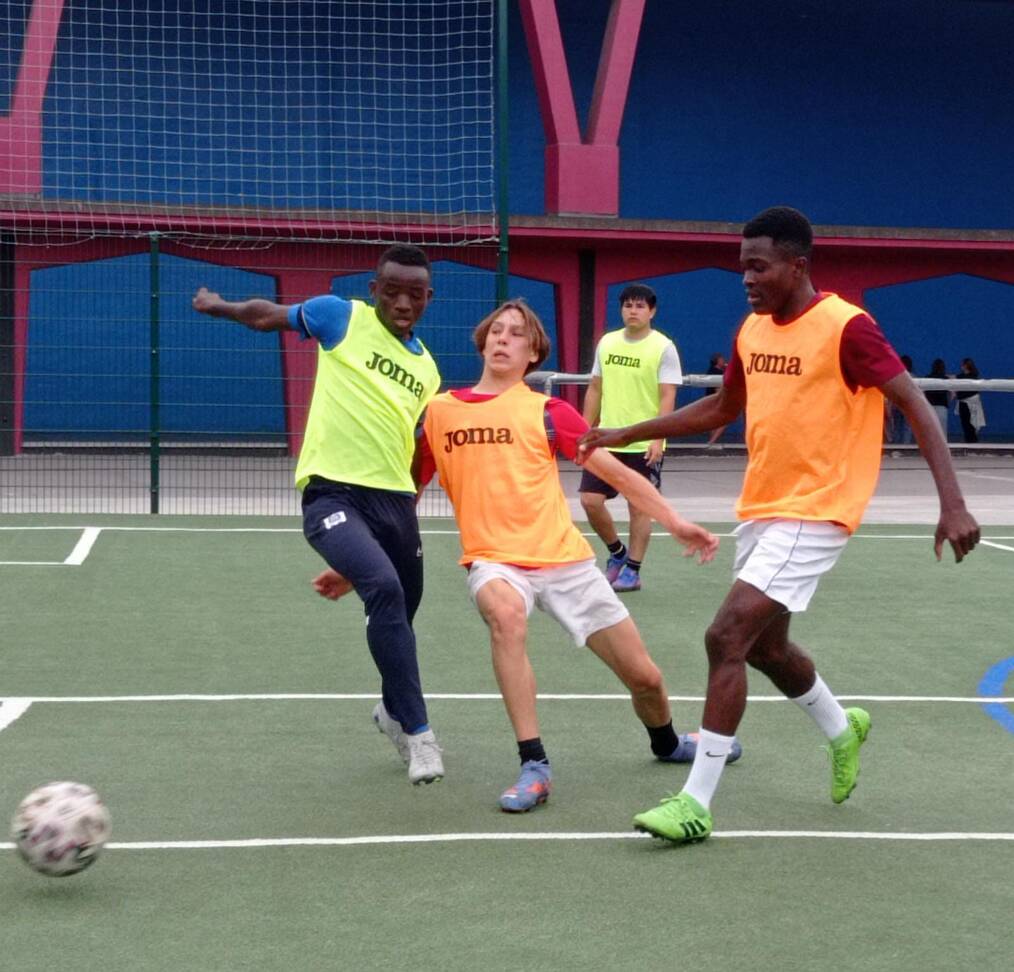
One unforgettable memory was helping during a community tournament. My job was to make sure teams were ready for their games, distribute bibs, and encourage players as they warmed up. The excitement in the air was contagious — families cheering, children beaming with pride, and volunteers working together like a well-oiled machine. Watching the kids celebrate their goals and support each other, no matter the result, made every hour of preparation worthwhile. It was a celebration not just of football, but of teamwork, resilience, and joy.
Beyond the immediate fun, volunteering as a football assistant also has a lasting impact on personal growth. I developed organisational skills, learned how to adapt quickly to different situations, and improved my ability to motivate and support others. More importantly, I discovered how fulfilling it is to dedicate time and energy to a cause bigger than yourself. Knowing that my efforts helped create a safe, positive space for young people gave me a sense of purpose that extended far beyond the pitch.
Football assistants also play an important role in promoting inclusion. I had the chance to support sessions for children with diverse abilities and backgrounds. Watching them play side by side, helping each other, and celebrating every achievement was inspiring. It reinforced my belief that sport can be a bridge between people, no matter their circumstances. Being part of that process — even from the sidelines — felt like contributing to a more welcoming, supportive world.
If you’re considering volunteering but aren’t sure where to start, becoming a football assistant is an excellent choice. You don’t need advanced technical skills; what matters most is enthusiasm, reliability, and a willingness to help. Clubs and community organisations always appreciate extra hands, whether it’s for weekly practices, special events, or even just one-off tournaments. Volunteering is flexible, so you can commit according to your availability and still make a meaningful contribution.
Ultimately, being a football volunteer assistant is about more than supporting drills or carrying equipment. It’s about helping young people grow, encouraging healthy habits, and creating moments of joy on and off the pitch. It’s about working with others to build a safe, inclusive environment where everyone — players, parents, coaches, and volunteers — feels valued. The role might not always be in the spotlight, but its impact is undeniable.
Looking back, I’m grateful for every muddy boot I cleaned, every ball I chased, and every smile I witnessed. Volunteering as a football assistant has shown me that even small gestures can have a profound effect when they come from the heart. It’s a reminder that serving others doesn’t always require grand gestures — sometimes, all it takes is showing up, lending a hand, and cheering from the sidelines. For anyone who loves football or simply wants to make a difference, stepping into this role is an opportunity to grow, give back, and share in the magic of the game.
What is your advice to future travelers on this program?
If you’re thinking about volunteering as a football assistant, my advice is simple: be patient, stay positive, and embrace every opportunity to help. Your role may seem small at first — setting up cones, passing out bibs, or helping a player tie their boots — but these little actions make a huge difference for the team and the community.
Be ready to adapt and learn. Every session is different, and children respond in their own unique ways. Sometimes things won’t go as planned, but that’s part of the experience. The key is to stay supportive, keep a sense of humor, and celebrate even the smallest successes.
Most importantly, connect with the players and fellow volunteers. Cheer them on, listen to their stories, and be genuinely present. You’ll discover that the relationships you build and the encouragement you give often leave the biggest impact — sometimes even more than the drills themselves.
Finally, enjoy yourself. You’re there to serve, but you’ll also learn, grow, and have fun. Every smile, every cheer, and every small moment of progress is a reward in itself. This program is not just about football — it’s about community, teamwork, and making a difference from the sidelines.