SFS Study Abroad: Marine Resource Studies in the Turks & Caicos

SFS Study Abroad: Marine Resource Studies in the Turks & Caicos

Location
  • Turks and Caicos Islands
Term
Fall, Short Term, Spring, Summer
Subject Areas
American Studies Animal Science Biology Botany Conservation and Preservation Cultural Studies Earth Sciences Ecology Environmental Studies Field Studies Global Studies Humanities Life Sciences Marine Biology Natural Sciences Oceanography Public Policy Social Sciences Statistics Sustainable Development Tourism Wildlife Sciences +12

Program Details

Program Type
Provider
Degree Level
Associates Bachelors
Housing
Dormitory
Language
English

Pricing

Price Details
Program fees include tuition, housing, daily meals, field excursions, entrance fees, cultural activities, advising services, airport transfers, 24/7 mental health and well-being support, official transcript processing and more – check out our website. Need-based scholarships available.
What's Included
Accommodation Activities Airport Transfers Classes Meals Transportation Wifi
What's Included (Extra)

No Application Fee!

What's Not Included
Airfare Travel Insurance Visa
Nov 17, 2025
May 22, 2019
26 travelers are looking at this program

About Program

SFS programs in TCI take place largely in the coral reefs, cays, and waters surrounding the island, but time is also spent above-ground with the community on the island. Courses and fieldwork focus on key environmental issues faced here such as biodiversity conservation, environmental policy, and fisheries management. These marine ecosystems are critical to the fisheries-driven local economy, and are under enormous pressures from coastal development, a rising demand for seafood, and the impacts of climate change. Our research plays an important role in supporting Turks and Caicos residents and government authorities as they work to balance economic need with the preservation of irreplaceable natural resources.

Program Highlights

  • Conduct coral and fish biodiversity transects on surrounding reefs, recording species counts, sizes, and habitat complexity while noting signs of bleaching or storm damage.
  • Quantify seagrass bed density and associated invertebrate abundance using standardized belt transects, then analyze spatial variation with statistical software.
  • Survey mangrove forest structure and mobile fauna diversity in tidal creeks, linking species presence to nursery habitat quality.
  • Observe octopus behavior and ecology, recording camouflage, hunting strategies, and habitat use within reef systems.
  • Conduct Directed Research: frame a stakeholder-driven question, collect and analyze field data with faculty guidance, and present actionable findings to local partners.

Video and Photos

Popular Programs
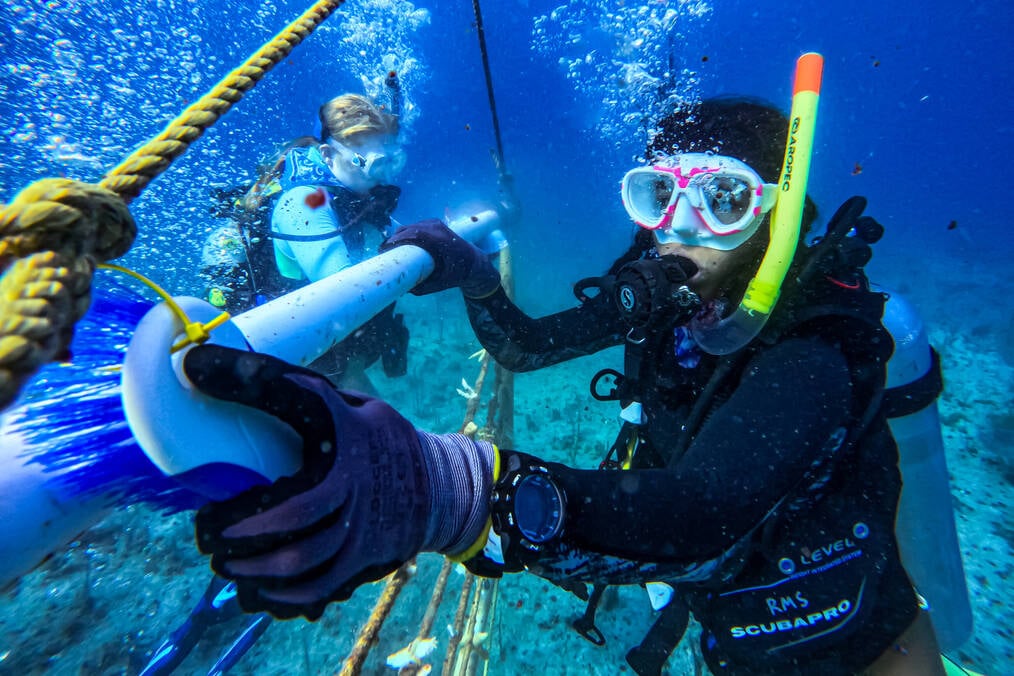
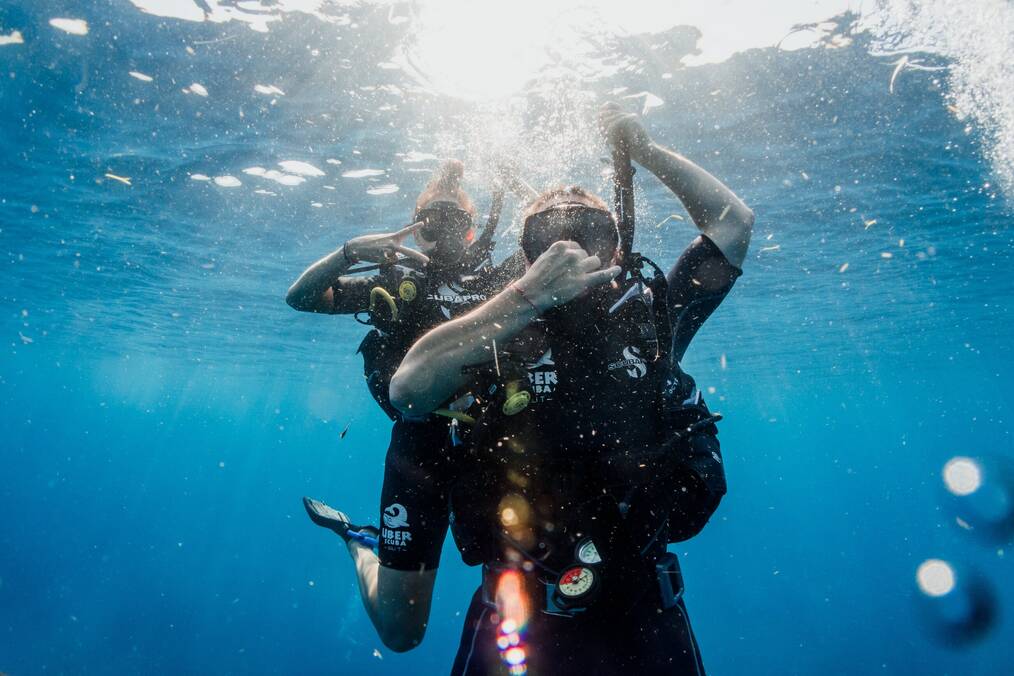
Two scuba divers work underwater, holding a long PVC pipe and cleaning equipment attached to a rope structure. Air bubbles rise around them as they conduct marine fieldwork in clear blue water.

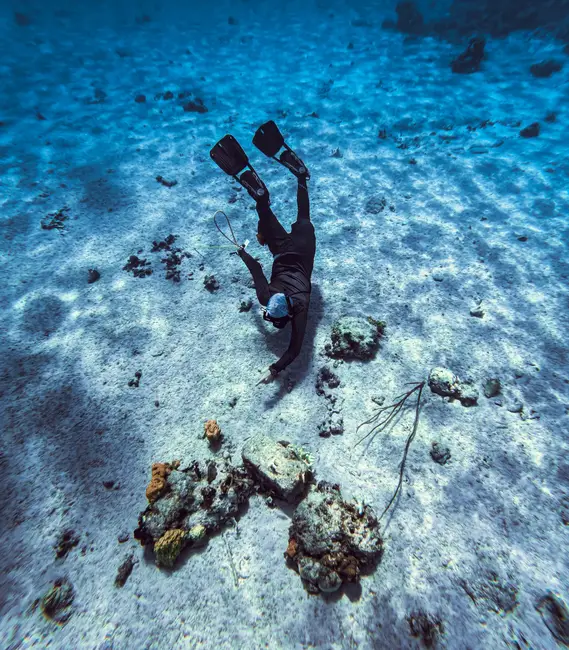
Students swim above coral reefs, identifying rays gliding through channels and reef sharks weaving the currents. Beyond the reef, mangroves and seagrass meadows stretch outward, anchoring a marine system that sustains both biodiversity and livelihoods. Students enter this living classroom, fins slicing through warm currents as they log fish counts, measure coral bleaching, or survey conch and lobster.
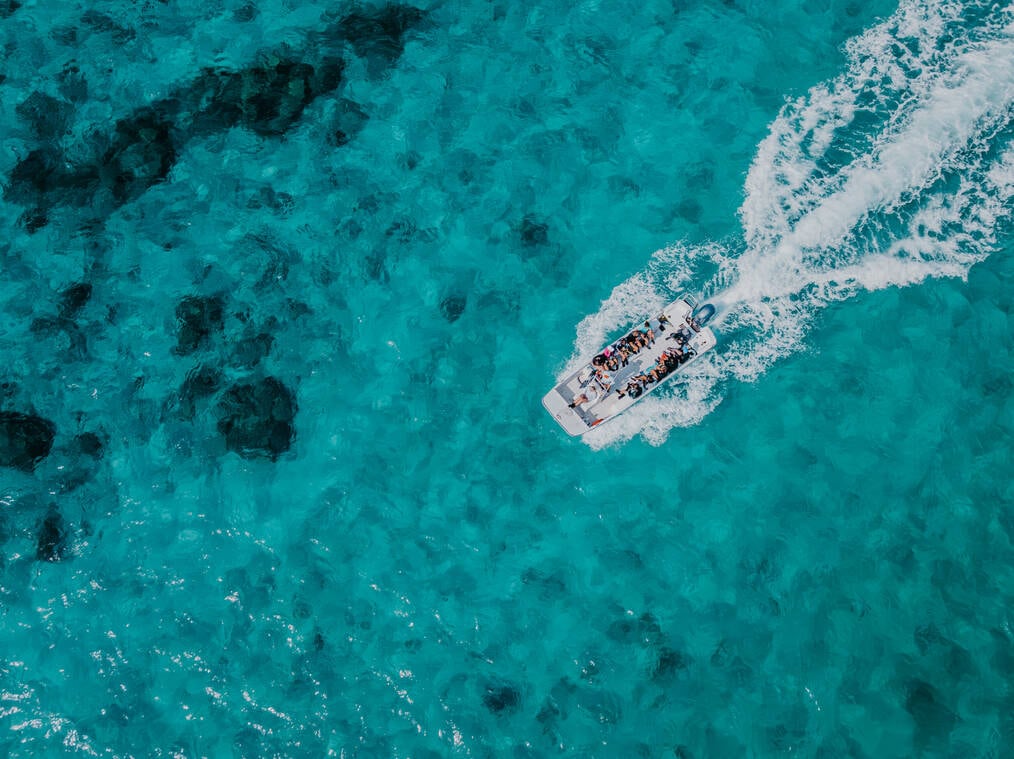
Students sitin the sun in a row on a boat with snorkel gear on, preparing to get into the turquoise waters under clear blue skies.

Dive under the waves and study marine conservation. Explore the spectacular reefs and turquoise waters of South Caicos, snorkeling or diving with rays, turtles, brilliantly colored fish, and other marine life. In this fundamentals course, you’ll learn about the environmental issues and policies affecting these ecosystems and the island community, and gain the skills needed to conduct marine research.
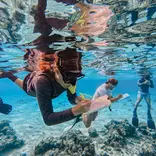
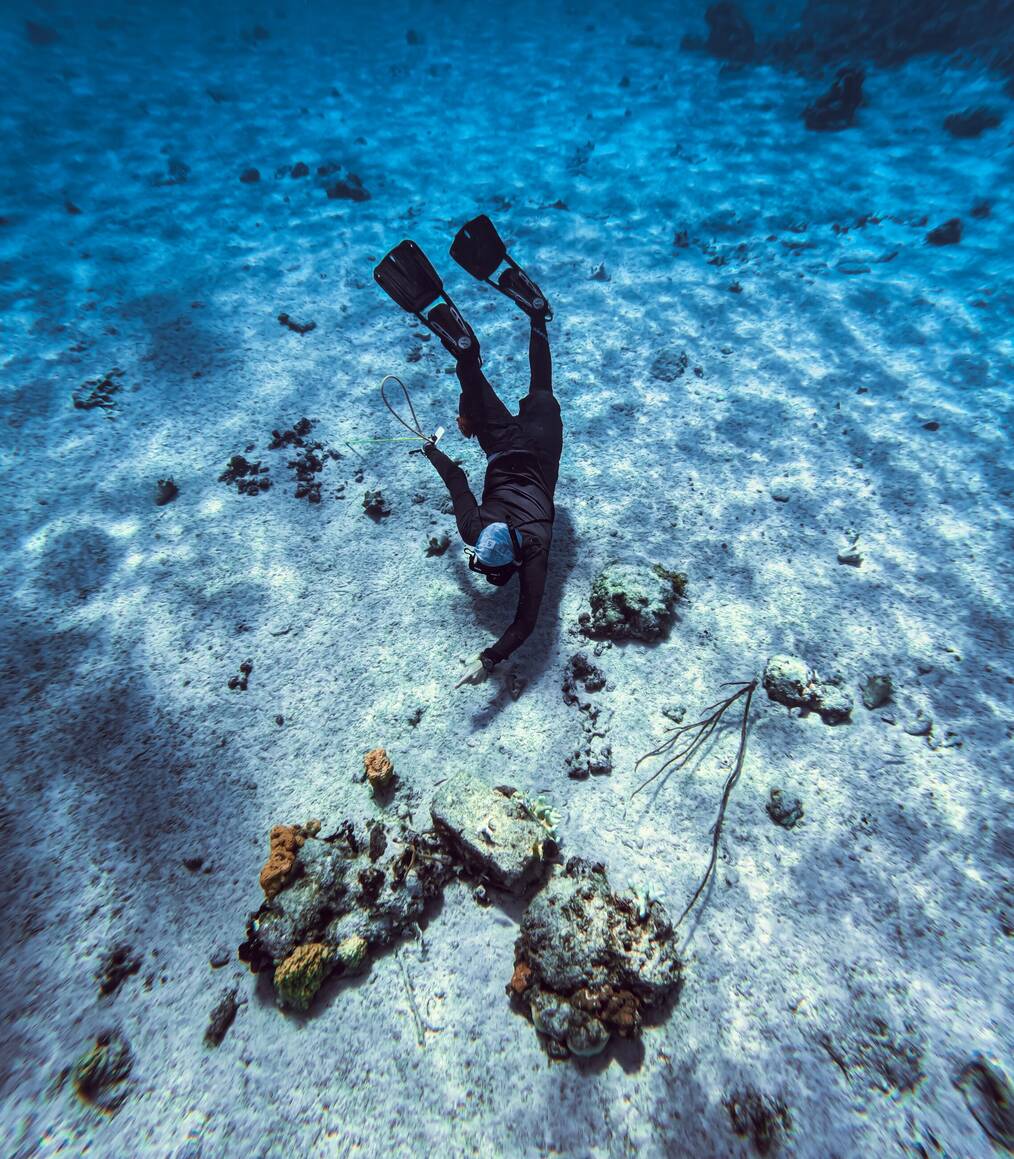
Students snorkel just beneath the surface while writing on waterproof field journals observing marine life below.

Spend your summer studying turtles, octopus, rays, and iguanas in the waters surrounding the remote island of South Caicos. In this specialized course, you’ll learn all about the ecology and conservation of marine fauna through classroom lectures, snorkel or dive sessions, and species identification exercises.
Program Reviews

4.40 Rating
based on 15 reviews
  • 5 rating 66.67%
  • 4 rating 20%
  • 3 rating 0%
  • 2 rating 13.33%
  • 1 rating 0%
  • Academics 4.3
  • Support 4.35
  • Fun 4
  • Housing 3.95
  • Safety 4.4
Showing 9 - 15 of 15 reviews
Rie
5/5
Yes, I recommend this program

A challenging, cozy and exciting program

I spent the summer on South Caicos, a small island in the Caribbean. Every day we got up early, had breakfast and would start with a morning meeting, where messages were given, and we played fun games.

Every morning, I was excited about getting up - the program was always full of exciting mandatory and voluntary things - and I would participate in as much as possible. Sharking, turtling, hikes and so on.

The first nights, it was almost too hot to fall asleep - but quickly, I got used to it.

It was an amazing summer - living close to a group of people, who within such short time go from being complete strangers to great friendships :)
I loved getting out in the field, which we would do many times a week. That's what I wanted out of my trip, escpecially, and that's what I got along with new friendships :)

What would you improve about this program?
I won't say it is something to be improved as such, but I wanted to mention it - if signing up to the program, note that there will also be a lot of course work. Most days there's lectures as well as field work, and as it is only a month-long program, assignments given need to be done rather quickly.

I really enjoyed the program, including the school work, so this is just to note that it's not only fun and games, but also school :)
124 people found this review helpful.
Read my full story
Emily
5/5
Yes, I recommend this program

great experience, so worth it

There are lots of specific parts of the program's structure that i woukd change, but overall the professors are knowledgeable and the environment is spectacular. The small size of the island keeps everyone interacting with the community and the scenery keeps everyone interested and engaged.

What would you improve about this program?
Fewer restrictions on student behavior in the community
126 people found this review helpful.
Christine
4/5
Yes, I recommend this program

Great way to get hands on experiance

Snorkeling and scuba diving for class cannot be beat- I learned so much by seeing the marine environment every day. I loved the scuba diving, we saw whales, researched sharks, and learned so much about the local community. My highlights were watching sunsets every night, wednesday morning dives, and teaching environmental ed to the local community. Academics aren't too hard, which is actually pretty nice.

What would you improve about this program?
The rules could be changed up a little, we're functioning adults and don't need all the restrictions!
119 people found this review helpful.
Ben
5/5
Yes, I recommend this program

The Best Three Months

I went in a religion major, but came out a bio major. This program gave my life a new direction. Almost everyday I had the opportunity to be in the water either snorkeling or diving. The dive and snorkel sites are second to none. The classes will challenge you academically, but they do a great job of integrating the field with the classroom. I didn't have a single day abroad where I was in the classroom for the full day. I had the opportunity to go both "turtling" and "sharking" (all for research purposes), which was one of the ways I was able to get involved in the research at the center. Directed research was the highlight of my semester. My group worked with sting rays for four weeks straight and got to present our findings to the community. The availability for community outreach and service is readily availably to the students, if that is an interest. If you love the ocean and don't mind warm weather and a lack of showers, this is the program for you.

What would you improve about this program?
I would change the strictness of the social aspect. A lot of times it felt as if we were being put on lockdown for the mistakes of previous students.
128 people found this review helpful.
osuea1
4/5
Yes, I recommend this program

TCI - Beautiful by Nature

This program gave incredible opportunities to be in or on the water on a daily basis. For someone looking to gain hands-on experience to supplement their studies, this would be an excellent choice. Major pros of this program included its integration into the local community and academic curriculum. Cons were generally related to the remote location - fussy internet connection, a "rice-and-beans" diet if the food delivery boat was a day late, etc.

My greatest experience in this program was my participation in Directed Research, where students work closely with a faculty member to carry out specific research and present the results. For me, this involved snorkeling every day for two weeks to collect data, and gaining a new appreciation for data compilation and presentation.

109 people found this review helpful.
amcole
5/5
Yes, I recommend this program

Amazing Experience in TCI

I thoroughly enjoyed my time in the Turks and Caicos Islands. I learned a lot (probably 150+ organisms by their scientific names, as an example), met some friends I will have for life, dove in a beautiful and diverse ecosystem, and had the experience if a lifetime. Despite few freshwater showers and frequent meals of rice and beans, I liked living in the center because the closeness led to tight friendships and trust. The interns, professors, SAM, and other staff were all so helpful and friendly. I would say there was about a 1 day adjustment period for me, then I didn't want to ever leave!

114 people found this review helpful.
Read my full story
Obrienl24
4/5
Yes, I recommend this program

SFS Summer Abroad on the Turks and Caicos Islands

My student abroad experience was amazing and changed me not only as a student but also as a person. I would recommend Turks and Caicos to anyone interested in a hands-on outdoors experience that is truly once in a lifetime. It has made me more excited about my major and I would love to go back someday.

The host country, Turks and Caicos, is a small island developing state with a struggling economy dependent on tourism and the fishing industry. Students should be prepared to spend time in the equivalent of a third world country on the less populated island of South Caicos. Nevertheless, the facilities at SFS provide all the basic amenities needed for a focused experience on marine biology. The local islanders have a great relationship with the students in the program and it is easy to get to know a lot about the TCI culture. TCI is a stunningly beautiful environment with an interesting history that is developing to catch up with the rest of the world's tourism industry. The coral reefs and mangrove forests are easily accessible from the center and make for fantastic snorkeling and scuba diving experiences. The facilities at SFS are all very clean and eco-friendly as well. The program size is ideal, usually between 25 and 30 during the summer which makes for the formation of close bonds and lasting friendship

131 people found this review helpful.

Questions & Answers

You can find information about certifications on this page: http://www.fieldstudies.org/tci/semester "Because scuba diving is a valuable skill for students who are interested in pursuing a career for future studies in field research of marine ecosystems, the Center offers PADI Open Water Diver certification to semester students. Certification takes place during the first two weeks of the program...