SIT: School for International Training Study Abroad

SIT Study Abroad

Why choose SIT Study Abroad?

SIT has been providing immersive, field-based study abroad programs for undergraduates for more than 50 years. SIT offers more than 70 programs in Africa, Asia and the Pacific, Latin America, and the Middle East, as well as comparative programs in multiple locations. In addition to its rich history, SIT Study Abroad has a number of unique qualities that make it an ideal choice for an extraordinary, transformative study abroad experience.

SIT students step beyond the boundaries of a traditional classroom to analyze critical issues shaping local communities around the globe. Students become deeply engaged in a topic and undertake their own research, case studies, in-depth practica, or community projects. SIT Study Abroad is deeply embedded in local communities around the world.

Ready for the next level? Take your graduate studies abroad with SIT Graduate Institute: https://www.gooverseas.com/organization/sit-graduate-institute-reviews

Scholarships

SIT Available Scholarships & Grants

SIT Study Abroad awards need-based scholarships and grants. Scholarships and grants are available to all students accepted into an SIT Study Abroad program irrespective of citizenship, national origin, or home school.

Value
$500 - $5,000

Diversity & Inclusion 💙

Reviews

Norah
5/5
Yes, I recommend this program

Unforgettable experience!

A truly amazing program. I learned so much more than I could ever get from a classroom. I made amazing lifelong friendships with students from all across the country. I got to experience life like a local through my homestay, which made me feel more confident walking around the city and using my Spanish. Within the classes we got to travel throughout the beautiful country of Argentina and learn from Indigenous communities, activist groups, professors, lawyers, etc. I would highly recommend this program.

If you did this all over again, what's one thing you would change?
I would practice Spanish more on my own and with friends. Although all of our classes and our home stays were fully in Spanish, it was easy for my friends and I to switch to English whenever we could. I would've liked to stay in the Spanish zone more and maybe I would've felt more confident in my speaking abilities.
Pros
  • Amazing advisors
  • Amazing friendships
  • Amazing excursions through the country
Cons
  • Some days were very jam-packed
  • The food was not fantastic
  • It was more expensive than I had anticipated
Isabel
5/5
Yes, I recommend this program

Best experience ever!

Studying abroad in Buenos Aires was one of the best decisions I've made. I learned so much through my classes, internship, and day to day life in the city. Being able to see public health from a different perspective helped me grow both academically and personally. The program staff were incredibly supportive, my host family made me feel at home, and I made great friends along the way. Of course there were adjustments, like getting used to the late dinners and navigating a new city, but those experiences became part of what made the semester so memorable. I came home more confident, more independent, and even more excited about pursuing a career in public health. I would definitely choose this program again and recommend it to anyone looking for a meaningful study abroad experience.

If you did this all over again, what's one thing you would change?
I would worry less before arriving. The program staff and host family were incredibly supportive, and I settled in much faster than I expected.
Pros
  • Hands-on public health internship that complemented what I learned in class.
  • Extremely supportive program staff who were always available to help.
  • Living with a host family made it easy to experience everyday Argentine culture.
Cons
  • Dinner is served very late (around 9–10 p.m.), which takes some getting used to.
  • Buenos Aires can be more expensive than expected if you like eating out or traveling on weekends.
  • Some of the provided meals became repetitive over the semester.
Anika
5/5
Yes, I recommend this program

Adventure of a Lifetime!

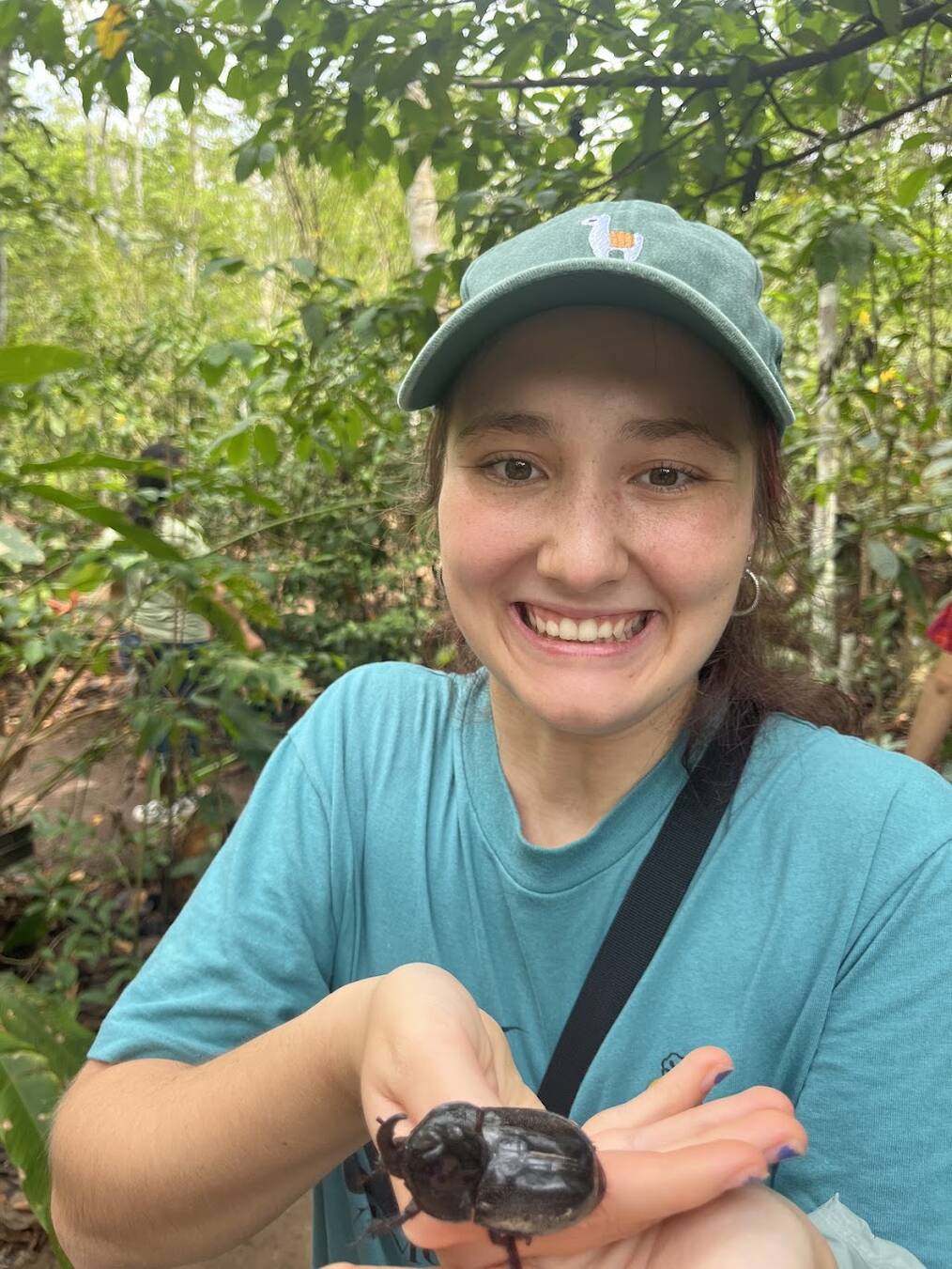
Get ready to check off bucket list items while engaging in fascinating research in some of the most biodiverse spots on the planet! You simply can’t get this in a classroom. As a biochemistry major with a love for ecology, I didn’t feel left behind in terms of background knowledge and was able to immerse myself in inspiring and satisfying field work. I even got to relate my ISP back to my major, gaining valuable internship experience along the way. I even learned about careers that bridge my passions, helping me visualize other future paths for myself and expanding my vision of what’s possible. I gained so much confidence, learned so many new skills, made great friends, and had SO much fun along the way. Not to mention great adventures like snorkeling in the Great Barrier Reef and hiking through the Daintree rainforest! If you love science, adventure, and planet Earth, you’ll love this program!

Pros
  • Research Experience
  • Adventure
  • Experiential Learning
Maura Whalen Profile Picture
Maura
5/5
Yes, I recommend this program

A unique and valuable experience

During my study abroad, I leaned into the present moment and was able to gain new experiences and have wild adventures every day. This program was great for practicing and improving my Spanish skills. I loved having research-based classes, and my independent research project was the highlight of my semester. The last month is completely self-designed, and gives each student the freedom to focus on what they are really passionate about. It may feel overwhelming at times, but is truly worth it and was the most valuable learning I did.

Ryan
5/5
Yes, I recommend this program

A Horizon-Broadening Adventure and Culturally Immersive Experience Great for Pre-Health Students

When I left for Chile initially, I will admit to being nervous. Many of my friends were going abroad together to larger programs more endorsed by my school, or to English speaking countries with diminished cultural barriers. However, I knew that I wanted a more unique experience, and one that was also justifiable with my pre-health aspirations. The SIT Chile program was truly that and so much more, and I am so glad I left my comfort zone to pursue it! In this review I will talk about a few of my favorite places we visited.

Our journey began in Santiago, but the next stop of Arica was where we spent the majority of our time. In Arica, I had the opportunity to integrate into a loving and supporting host family, with whom I talked for hours over meals, went on weekly ice cream trips, had fun at the beach, went on shopping trips to the mall, grocery store, and corner store, and more. They were the family I spent most of my time with, and by the end of the program I had become incredibly close with them.

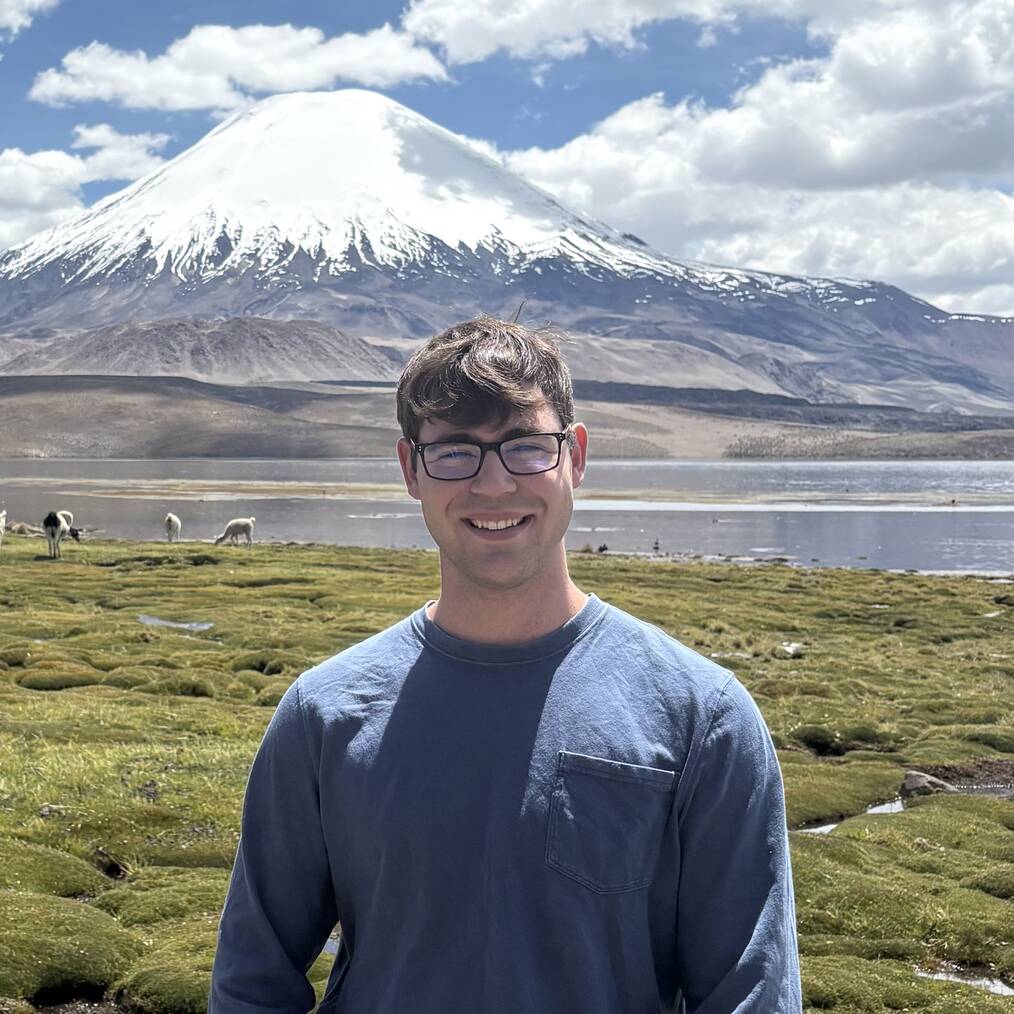
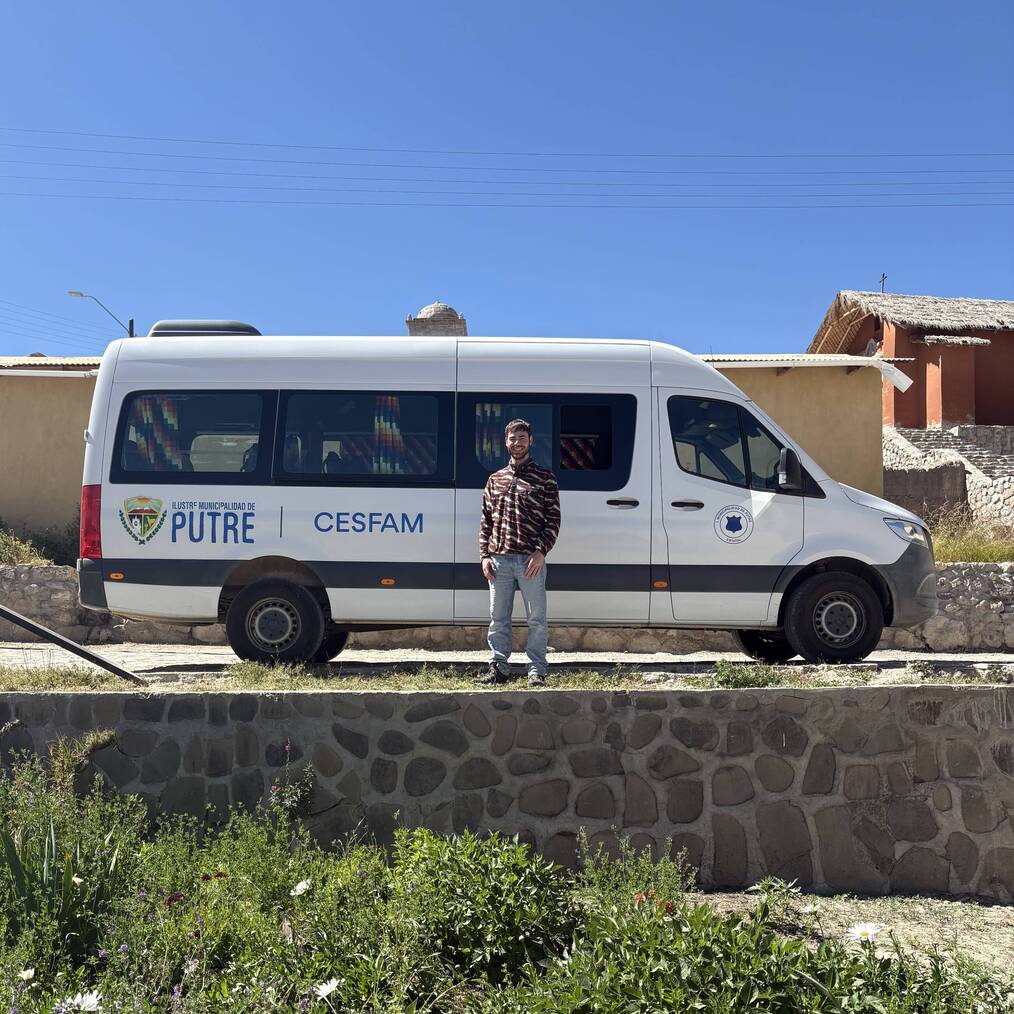
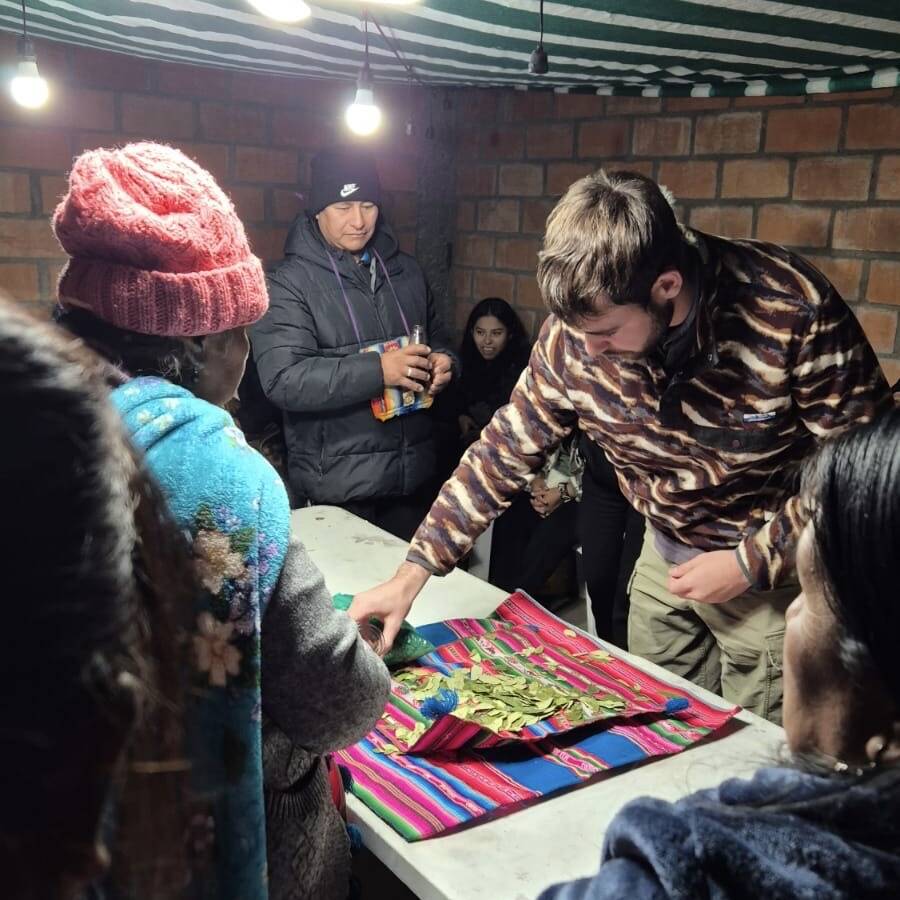
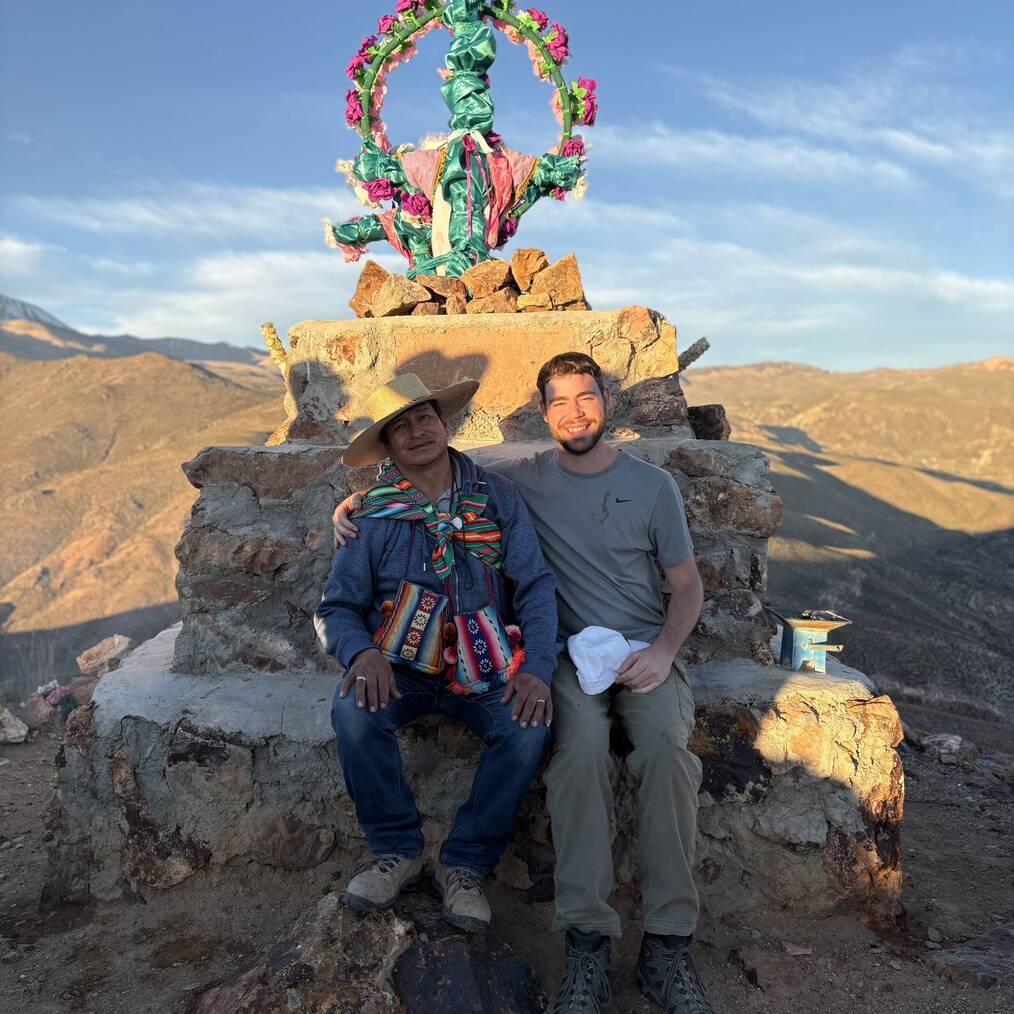
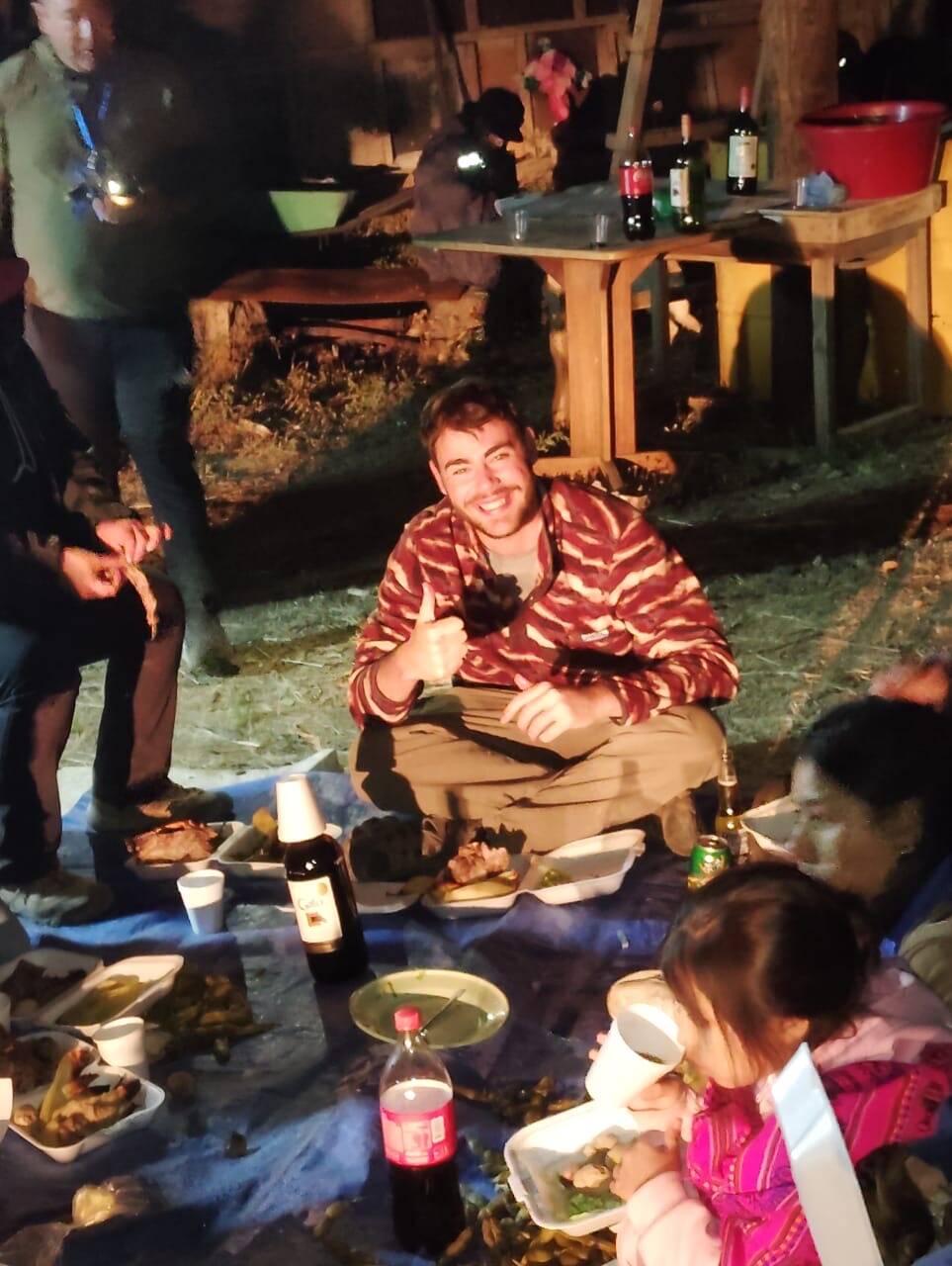
Near Arica, we visited the city of Putre. Putre was my favorite place of the entire trip, however I will admit this occurred after an rocky start. When I first arrived, while I got along perfectly fine with my host family, I did not feel the strongest of connections. However, when I ultimately decided to return alone for my internship period, the program was exceptionally accommodating in allowing me to change to a different host family with whom I had interacted with. I became very close with my second host mother, who worked at the hospital I was doing my internship at. She would pack lunches for me, watch movies with me, and helped me integrate into the hospital community with whom outside of work I would go out to eat or get pizza and play card games. During my internship in Putre, I was completely integrated into the local community despite being the only white person. In my internship I had the opportunity to go on rounds in the breathtaking surrounding communities and assist the staff in delivering primary care in the rural Chilean Altiplanos. In the community I had the opportunity to partake in the Aymaran Cruz de Mayo festival, which involved singing, dancing, hiking and eating traditional Chilean barbeque. I became very close with the Aymaran indigenous medicine doctor who worked alongside western medical practitioners in the hospital, and during this festival he essentially adopted me into his family. I also had the opportunity to participate in the Aymaran K'illpa in the nearby community of Visviri, who also accepted me with open arms. Being accepted into and experiencing the communities of Putre and Visviri has left a profound impact on me, and I am so grateful to the SIT Chile program for facilitating this.

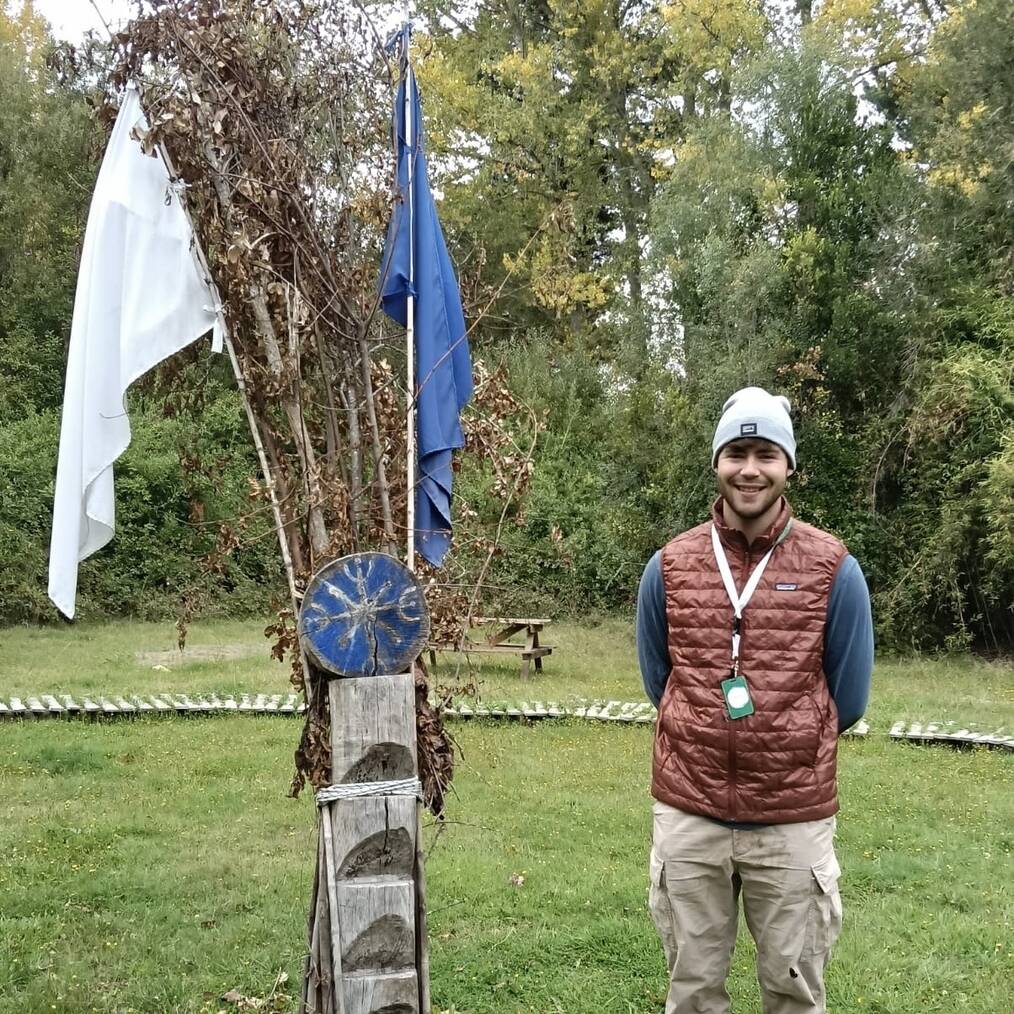
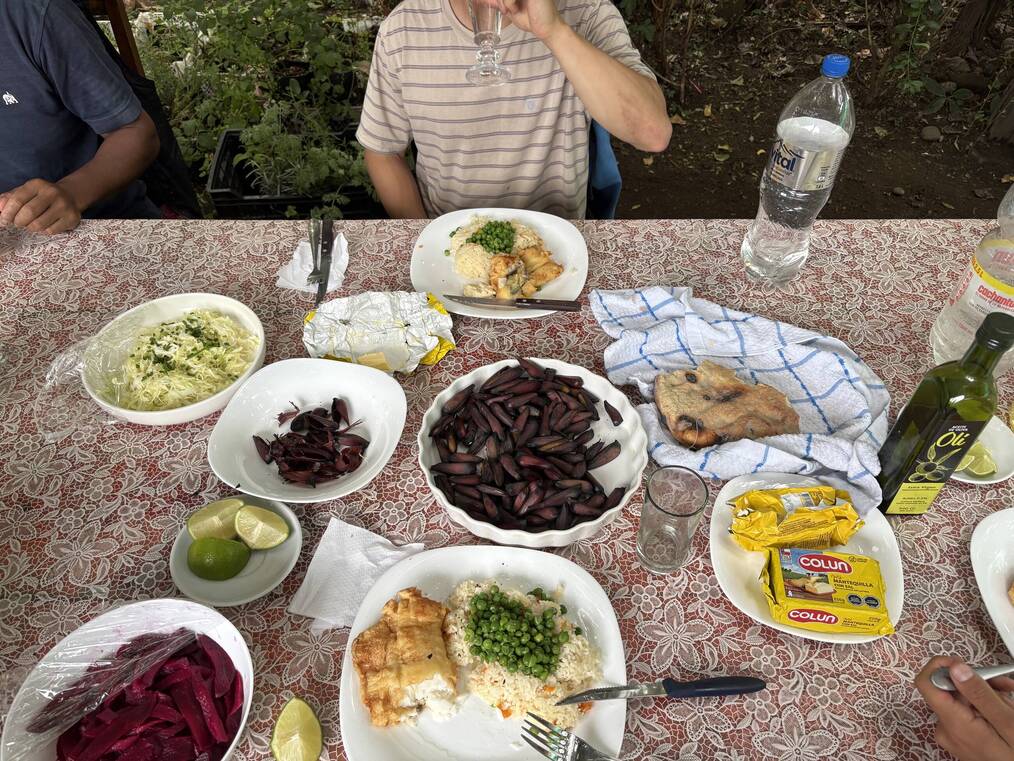
A few of my other favorite places we visited during my time in Chile with our program were Temuco, Entre Rios (near Nueva Imperial) and Pucón. These southern cities were incredibly green, with visually stunning rolling hills, lakes and coastal towns. They also held strong ties to the local indigenous Mapuche culture. In Entre Rios, I was fascinated to learn how an incredibly strong traditional Mapuche indigenous culture works in combination with the western medical system. I also lived with a large family on their farm for week, where I enjoyed banter with my host sister, assisting the middle aged family members on the farm, and being spoiled with delicious traditional Chilean meals by the grandparents. Temuco was a larger bustling town, a capital of the south, while Pucón was essentially an alpine vacation getaway.

Separate from the program with a few friends during long weekends we also visited La Paz and San Pedro de Atacama. If you go on this program be sure to make time for independent travel, as the experiences I had in these locations were amazing.

Overall, the program provided me with exceptional support from both the directors and host families. The experience and global health minor I gained will be directly applicable to my future aspirations in pre-health. The academics were usually lighter, although there were times which were demanding. However, I always found that putting in effort was enough to warrant good grades, even with my initial difficulties of Spanish mastery. If you are willing to put yourself out there and experience immersion into a beautiful culture, then this is the program for you!

What is your advice to future travelers on this program?
If you want to have lots of independent travel, and experience South America, then choose an independent study project at the end of the program. If you want to have the opportunity to lay down roots and build strong connections and community, then choose an internship at the end of the program.
Pros
  • Lots of traveling
  • Great for pre-health resumes
  • Opportunities for deep cultural immersion
Cons
  • Some initial cultural / language barriers

Programs

Displaying 19 - 27 of 35

Alumni Interviews

These are in-depth Q&A sessions with verified alumni.

Why did you choose this program?

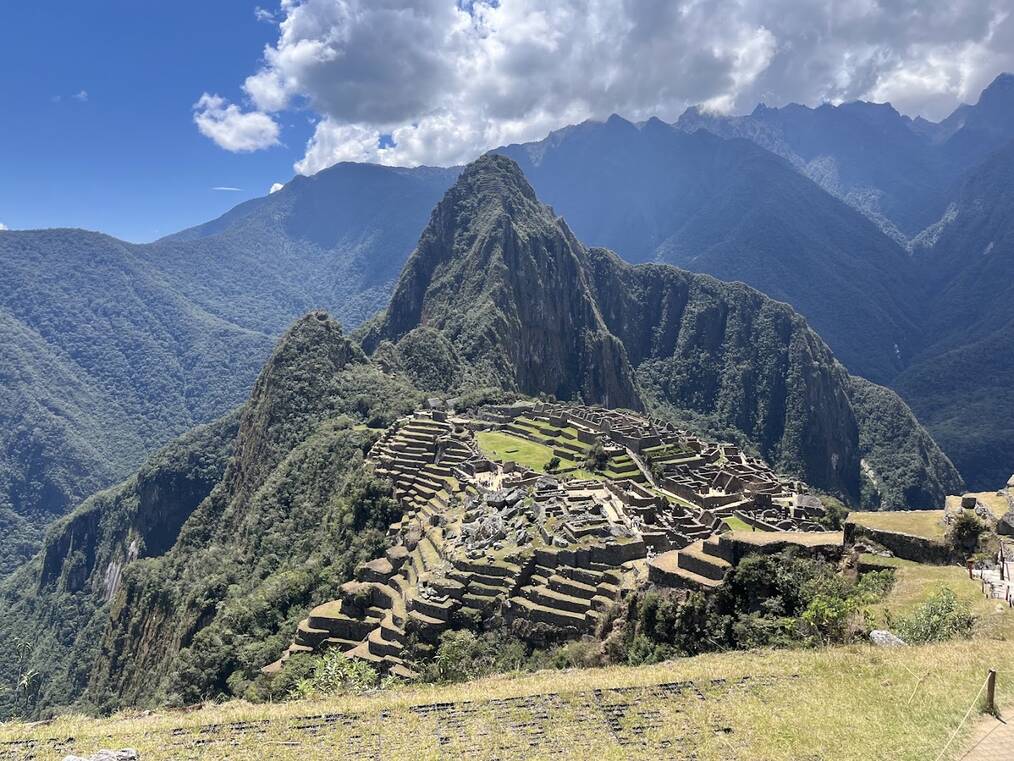
I chose this program because I knew I wanted to go to Peru for my semester abroad, but also for its theme and academic focus.

Indigenous people and their cultures are a topic rarely discussed in academia, even though they have made many important contributions to societies all across the globe. I wanted to learn more about indigenous groups in Peru and how they are adapting to a constantly changing world.

What did your program provider (or university) assist you with, and what did you have to organize on your own?

The SIT website had several pre-departure documents, checklists, and other prep materials available in order to help me feel more ready for my semester abroad. The program admissions counselor and alumni contact I had were both very helpful in answering all of my questions as well. The syllabi for the academic courses were also clearly outlined on the program site.

On my own, I had to put in the effort to practice my Spanish before leaving. I was also in charge of determining my own flights and how long I would stay after the program ended.

What is one piece of advice you'd give to someone going on your program?

It's okay to be nervous or anxious! Although adjusting into a new culture and language will be challenging, once you settle down into a routine the city you're in will feel like home in no time. Overcoming any personal obstacles that arise during your time abroad will make you a stronger, more confident person.

What does an average day/week look like as a participant of this program?

During the week, you'll typically have classes from 8:30 AM to around 12 PM or 12:30. These classes include Spanish language, history, research ethics, and more. After class, you'll eat lunch with your host family.

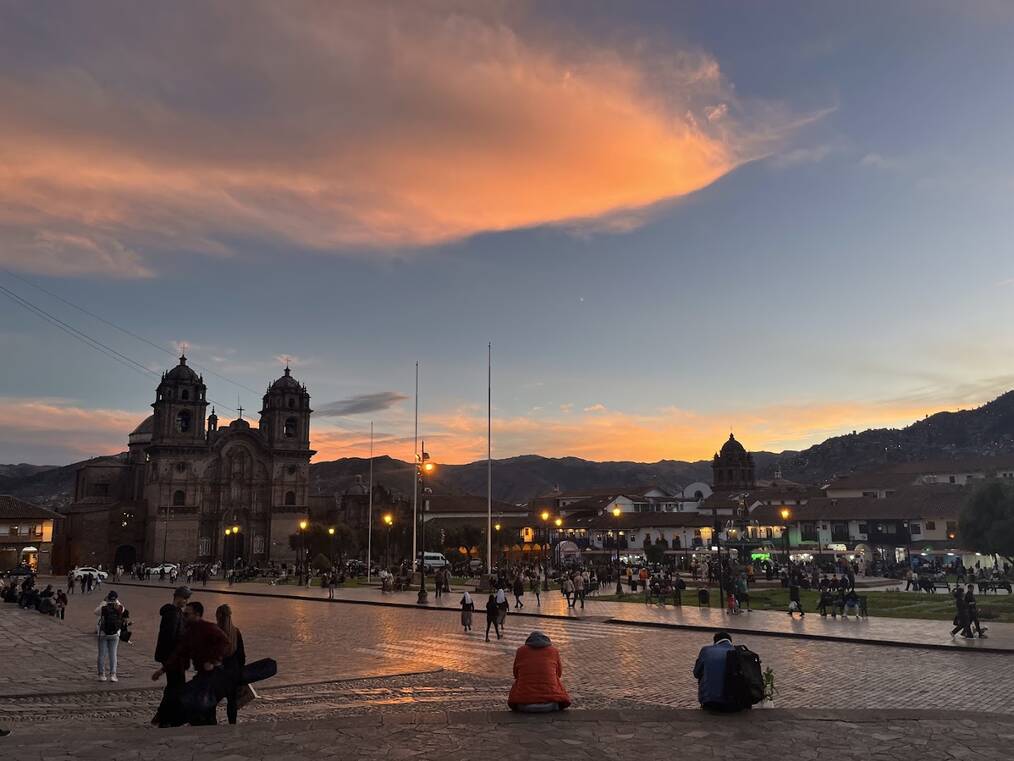
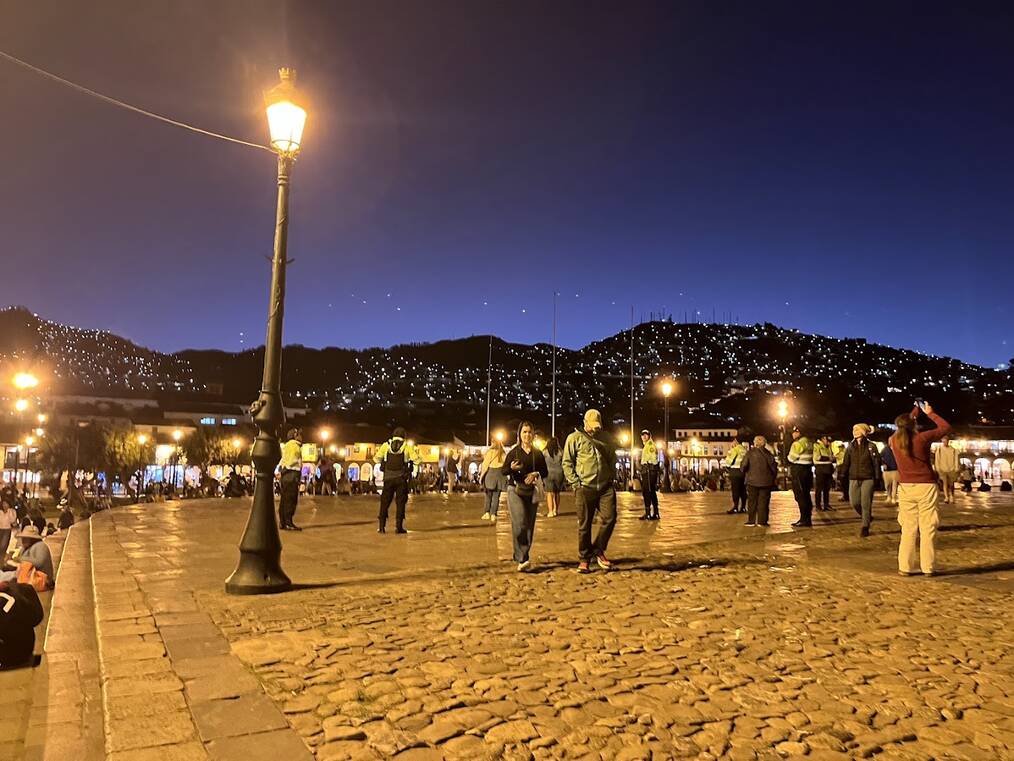
You can spend your free time in the afternoon doing a number of things. You can relax and study at a cafe, go see a movie, or walk to the Plaza de Armas to do some shopping. There are lots of nice gardens and parks all around the city, too. I took dance classes (hip hop and salsa) at a local dance school, which was super fun!

On the weekends, you can spend a whole day traveling to the mountain outskirts of Cusco and go see some pretty cool sights. My favorites were the famed Rainbow Mountain and the incredible Lake Humantay. Both are great sites for doing some hiking! There are also several Incan ruins close to the city that you can visit, including Saqsaywaman and Puka Pukara.

Going into your experience abroad, what was your biggest fear, and how did you overcome it? How did your views on the issue change?

My biggest fear going in was feeling isolated or lost. I was worried that I wouldn't make any friends in my program, or that I wouldn't like the feel of Peruvian culture. I was also concerned that I wouldn't feel safe in Cusco.

Contrary to my fears, I made friends quickly. Everyone in my program (a small group of 11 people) was kind, friendly, and easy to get along with. We all became very close after a short period of time. These people became my biggest support in Peru, and we had a lot of fun hanging out at cafes together or going on hiking trips.

Thanks to my new friends, my transition into Peruvian culture was much easier. I also had a lovely host family that made me feel very welcome and accepted. It did take a fair amount of time, but eventually, I became much more comfortable and settled into my life in Cusco. The city was also much safer than I expected, so I felt silly after worrying so much about safety.

The most important thing about adapting to a new culture is to have an open mind. If you don't open yourself up to new opportunities to interact with people and learn about their ways of life, then you aren't taking full advantage of the joys of being abroad. Be accepting of any new chances that come your way!

What was your favorite thing about Peru?

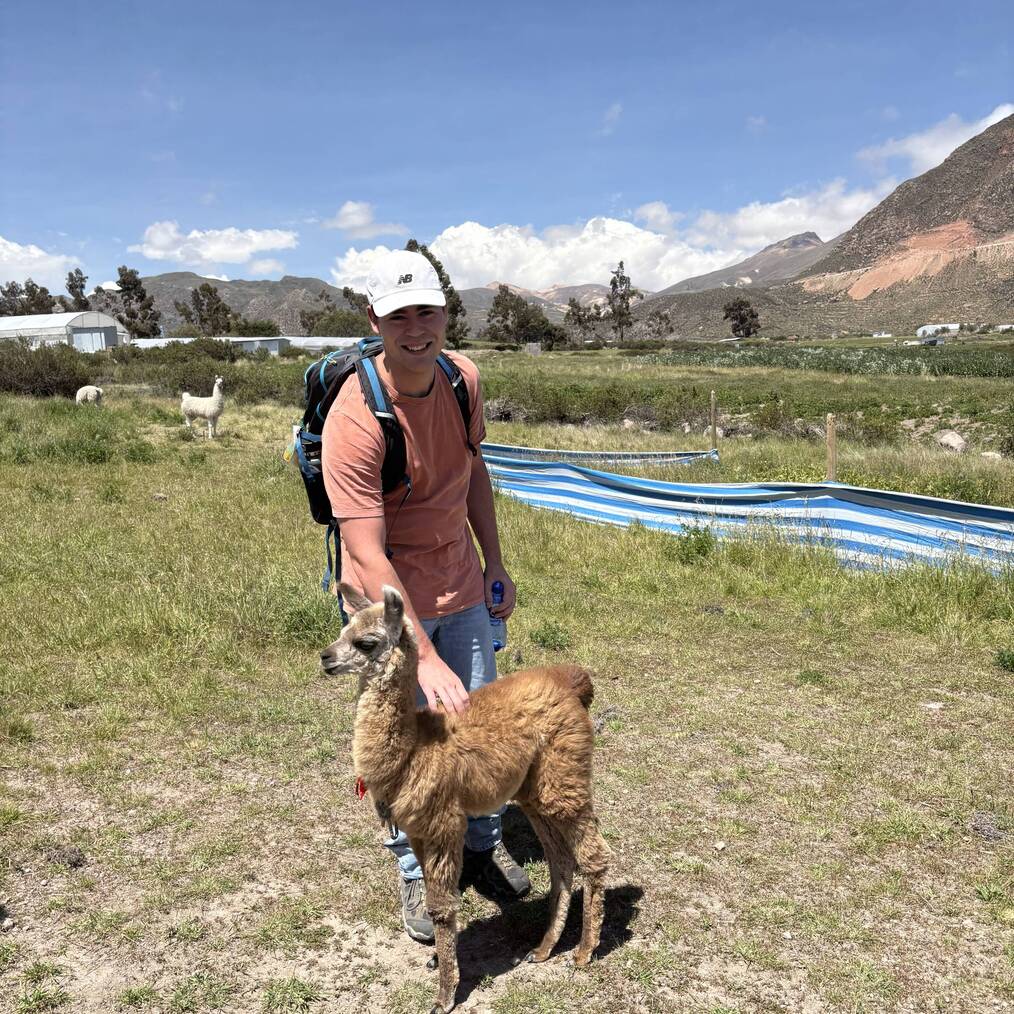
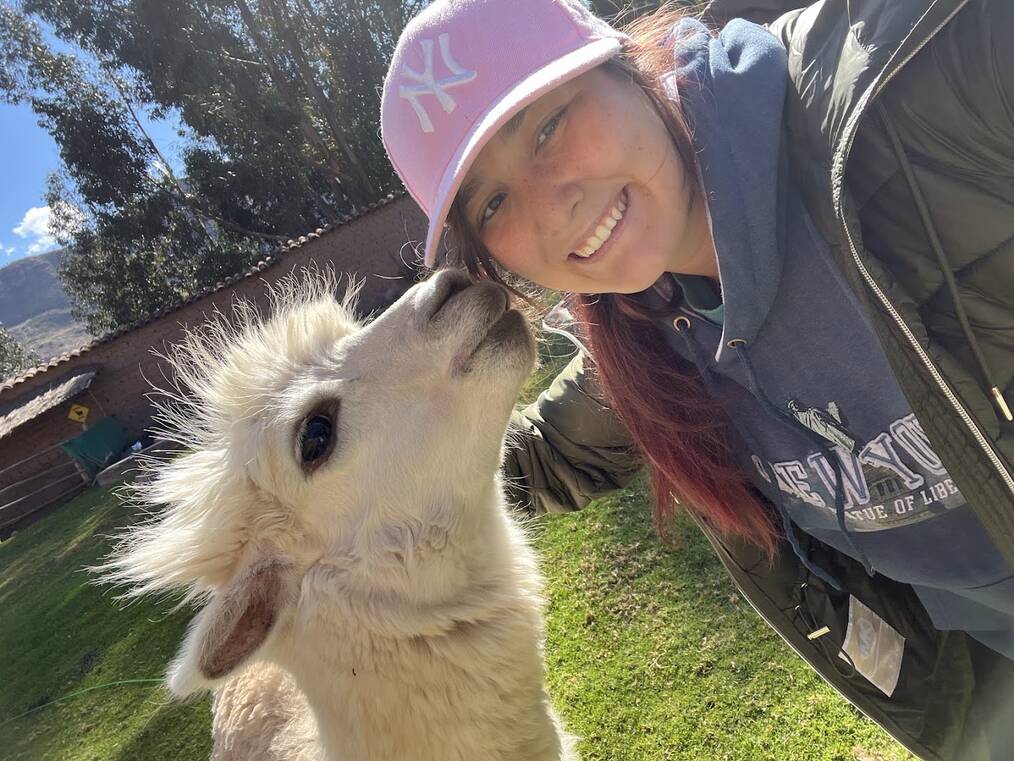
It's hard to pick just one! From the abundance of adorable llamas and alpacas to the delicious variety of maracuya (passionfruit) flavored foods, I loved practically everything about Peru.

I think I felt truly happiest when I hiked to the top of Lake Humantay with my friends. It was a really tough hike and we were all very tired when we reached the top, but the beautiful view made it worth it.

Living with a host family was also a wonderful experience. I became really close with them and we are still in touch today!

Staff Interviews

These are in-depth Q&A sessions with program leaders.

Eric Wirth

Nothing goes better with a cup of morning/afternoon/late night coffee than getting to know Eric Wirth, the director of admissions for SIT Study Abroad, and the culture of SIT Study Abroad a little bit better.
Mountain Watching

Tell me a little about yourself. What has been your career path so far?

My passion for education abroad began after spending a year abroad in Elche, Spain during my junior year of high school. I landed my first job after college as an admissions counselor for a study abroad provider. After several years in the work force, I returned to graduate school at the University of Massachusetts, Amherst where I had the opportunity to serve for a year as the resident director to one of the university’s programs in Spain. After finishing my MA, I reentered the world of international education with greater knowledge and an enhanced perspective on higher education and learning abroad.

Did you study abroad after high school?

I’ve studied abroad a total of four times; once in high school, twice in college – one semester and one summer – and then for a year as a graduate student. Each time in Spain. Through each experience, I learned more and was able to take my level of cultural and linguistic understanding to a deeper level. I suspect one day I will work toward a doctorate, and I can guarantee I will study abroad again. My first instinct would be to return to Spain to delve back into the culture and languages I adore.

As for SIT, what are the core principles that you strive to achieve?

At our core, SIT Study Abroad programs foster academic rigor, intensive cultural immersion, substantial community involvement, and an emphasis on field-based research.

What does the future hold for SIT? Any new exciting programs to share?

This spring we are running two new programs in the Middle East: one in Egypt focusing on urban studies and the other in Morocco focused on journalism and new media. We have also launched a new summer program that explores traditional approaches to healthcare in India. We continually strive to provide our students with the most interesting and relevant coursework and locations.

And the future of the industry - how do you think study abroad and international education will change over the next 10 years?

We’ll see the usual demographic shifts in mobility as a response to global politics, world events and markets. What will be interesting to watch is how governments and individual institutions address these shifts to meet demand and capitalize on market share. My hope is that more and more we will learn to become better citizens of the world and will travel abroad because we crave learning and connection with one another. Talking to people around the world is increasingly easier, but meaningful communication and understanding remains a challenge.

I'm continuously impressed with the depth and variety of programs offered by SIT Study Abroad. Their emphasis on field base learning is especially intriguing, as well as their commitment to cultivating relationships locally in host areas. I sincerely admire and hope to echo their attitude for turning every experience into a learning experience!

Over the last 10 years working in the field of international education, I’ve had the opportunity to travel to Cuba, Czech Republic, England, Greece and Serbia. There are many fascinating countries and continents with amazing things to teach us.

Professional Associations

NAFSA Logo