
10 Useful International Travel Tips for First-Time Travelers
10 practical international travel tips for first-time travelers — documents, money, safety, connectivity, and what to pack, all in one guide.

Key Takeaways 🔑
Since May 2025, TSA requires a REAL ID-compliant license or a valid passport to fly — including domestic connections to your international flight. A passport always works, so international travelers are covered either way.
Keep your passport valid for at least six months beyond your return date; many countries deny entry without it.
Make sure to bring some local cash — plenty of destinations still don't take cards everywhere. If you are bringing a CC, double check if it has foreign transaction fees.
eSIMs have mostly replaced physical SIM cards for short trips — you can buy and activate a data plan before you even land.
Travel insurance is one of the highest-value purchases you'll make before a trip, covering everything from a canceled flight to a medical evacuation.
A little pre-trip research on local laws, customs, and common scams goes further than most first-timers expect
No matter how much you’ve traveled in your home country, the thought of taking your first trip overseas may feel both thrilling and nerve-wracking. At Go Overseas, we’ve been globe trotting for years and yet we continue to learn new tips and tricks when it comes to traveling.
Going somewhere completely new may be initially scary and confusing but it doesn’t have to be! Follow these simple tips of things to do before traveling internationally to ensure smooth sailing.
1. Prepare your travel documents
Your passport and visa are the foundation of any international trip, so start here!
-
Passport requirements: Apply for (or renew) your passport well ahead of your trip — processing times fluctuate, and you don't want a delay to threaten your travel dates. It should be valid for at least six months beyond your return date (many countries will deny entry without this cushion, even if your trip itself is shorter), and it should have enough blank pages left for visa stamps.
-
Visas: A visa is a document issued by your destination country that grants you entry, and requirements vary a lot depending on your nationality. US and UK passport holders generally have more visa-free access than travelers from many other countries, so don't assume the rules that applied to a friend's trip apply to yours — always check the specific requirements for your passport and your destination before you book.
Heads up for US travelers: since May 2025, TSA has required a REAL ID-compliant driver's license (or a valid passport) to fly — and that includes any domestic connecting flight on your way to your international departure. The good news: a valid passport always works in place of a REAL ID, so if you're flying internationally, you're already covered. If you do end up flying domestically first without a REAL ID or passport, TSA now offers a $45 fee option rather than turning you away — but it's simpler to just travel with your passport from the start.
Read more:
2. Research your destination

A little homework before you go pays off the moment you land. Some of what you're researching is practical, some of it's cultural — and some of it will genuinely surprise you. (Did you know chewing gum is banned in Singapore, feeding pigeons will get you fined in Venice, and riding a cow while drunk is technically illegal in Scotland? Local laws get specific.)
Things worth researching
| Category | Why it matters | Example |
|---|---|---|
| Tap water safety | Determines if you need bottled water or a filter | Not safe to drink in much of Southeast Asia and Latin America |
| Local currency | Affects how much cash vs. card you'll need | Some countries are still largely cash-only |
| Religious practices & dress codes | Avoids unintentionally offending locals | Covering shoulders/knees at religious sites in much of Asia and the Middle East |
| Required vaccinations | Some countries require proof for entry | Yellow fever certificate required for parts of Africa and South America |
| Language & English prevalence | Sets expectations for communication | English is widely spoken in most major European cities, less so in rural areas |
| Local laws | Some rules are stricter (or stranger) than you'd expect | Chewing gum is banned in Singapore; feeding pigeons is fined in Venice |
| Tourism infrastructure | Affects how easy it is to get around and find services | Varies widely even within the same country |
| Dietary accommodations | Helps you plan meals, especially with allergies or restrictions | Vegetarian/vegan options are limited in some regions |
Read more: I've Lived, Taught, and Studied Abroad. Here are the 5 Things I Would Have Done Differently
3. Address money matters
Call or message your bank before you leave — an unexpected charge from another country is one of the fastest ways to trigger a fraud freeze on your card, and you don't want to find that out at a register. Ask about foreign transaction fees while you're at it, since some cards waive them and others don't.
Cash still matters more than you'd think. Plenty of destinations, especially outside major cities, aren't fully card-friendly, and some don't have reliable ATM access. Carry enough local currency for a day or two of expenses, and if you're carrying a larger amount, a money belt worn under your clothes is safer than a wallet in your back pocket.
4. Compare transportation & accommodation options

You are likely to be on the move every day, so be sure to research the most effective way to travel during your trip.
Transportation
Websites such as Rio2Rome and 12Go are great tools for exploring route options and figuring out which mode of transportation (bus, train, or plane) will be the quickest and cheapest.
Buses and subway systems are usually the most cost-efficient and eco-friendly mode of transportation and also offer you the chance to embrace the sights and chat with locals. Otherwise, you can always download a rideshare app such as Uber, Cabify, Grab, or Bolt to get door-to-door service with vetted and licensed drivers at fair prices.
Accommodation
While hotels are always a good option, hostels, guesthouses, and Airbnb can work out to be cheaper and more immersive, allowing you to meet other travelers. If you opt for a hostel, boutique hostels are oftentimes equipped with nicer amenities than budget hotels.
Should you choose to stay in one place for a considerable period of time, be sure to explore places that offer monthly discounts. Websites such as Hostelz.com compare sites such as Hostelworld, Booking, Gomio, and more, and also allow users to book directly through the site with the lowest prices.
5. Book everything in advance

It's tempting to keep your trip loose and figure out lodging as you go, but that flexibility can backfire — showing up somewhere to find accommodation scarce (or suddenly very expensive) is a stressful way to start a day. Booking your major logistics ahead of time — flights, key accommodation, any must-do activities — means you can spend your actual trip enjoying yourself instead of scrambling to solve logistics on the fly.
6. Avoid travel fatigue
As you start booking your first international trip, your excitement may get the better of you and you may want to go all out. How many cities can you fit in one trip? How much can you see each day? Do you want to go north to south, AND east to west? Take our advice: slow down and take your time.
As you plan, prepare for the following:
-
Jet lag: Crossing time zones throws off your circadian rhythm, so build in recovery time, especially after a long-haul flight, rather than diving straight into a packed itinerary.
-
Motion sickness: If you're prone to it, pack medication before you go — you'll be on buses, boats, and maybe a few winding mountain roads you didn't plan for.
It's tempting to try to see as much of the country you're visiting in one trip, but quality beats quantity almost every time. Spending real time in fewer places usually makes for a better trip than a frantic sprint between them — and cuts down on the hours you'd otherwise lose in transit.
7. Prioritize your health & safety

While you shouldn't preoccupy yourself with things that could go wrong on your trip, being aware of your surroundings and taking precautions to keep yourself safe will go a long way in enjoying your new adventure.
-
Theft prevention: Carry a crossbody bag or fanny pack instead of a backpack with easy-to-reach outer pockets or anything in your back trouser pocket. A money belt or theft-proof wallet adds another layer of security for cash and cards.
-
Stay connected: Share your itinerary with someone back home, and if you're a US citizen, register with the State Department's Smart Traveler Enrollment Program (STEP) so you can get emergency alerts and be easier to locate if something goes wrong.
-
Travel insurance: We'd call this close to non-negotiable. It covers things like emergency medical evacuation, trip cancellation, and lost luggage — and given how much a single medical emergency abroad can cost without it, it's one of the best-value purchases you'll make before a trip.
Scams worth knowing about:
- The taxi "broken meter." A driver claims the meter's broken and quotes you a number way above the real fare. Ask your hotel or hostel staff what a fair price should be before you get in, or just use a rideshare app — the price is locked in before the ride starts.
- The "it's closed today" redirect. A friendly local tells you the place you're heading to is closed and offers to take you somewhere else instead (often a shop that pays them a commission). Politely decline and check opening hours yourself before you believe it.
- Fake "free" WiFi. A network named after your hotel or a nearby café that isn't actually theirs. Always confirm the exact network name with staff before connecting, and skip logging into anything sensitive — banking, email — on public WiFi in general.
- ATM skimming. Stick to ATMs inside a bank during business hours rather than street-corner machines, and cover the keypad with your hand when you enter your PIN.
Lastly, don't forget about your common sense while traveling! Ask locals about areas to avoid after dark, stick with a companion when you're out late, pace your alcohol intake, keep your belongings close to your body, and if you're meeting someone you connected with online, make it a public place.
8. Pack appropriately
Packing appropriately can simplify your trip. Packing too much, too little, or simply setting off with a disorganized suitcase can all negatively affect your experience. Here are some helpful tips to consider when it comes to packing:
-
Packing cubes are a small investment that makes a big difference — they keep your bag organized, save space, and protect your clothes from getting crushed.
-
Pack light where you can. Plan for a range of weather, but resist the urge to bring "just in case" items you'll never use — you (or a hostel with no elevator) will thank yourself later.
-
Keep your valuables secure: a luggage lock, valuables in your carry-on rather than checked bags, hotel safes, and a personal lock for hostel lockers all go a long way toward peace of mind.
9. Read up on airport travel tips
Airport anxiety is real, even for seasoned travelers — breaking it into steps makes it manageable:
- Print the documents you'll need (visa, ticket, accommodation confirmation) so you're not relying on a phone battery at a critical moment
- Know your departure terminal ahead of time
- Check in online once it's available, typically 24 hours before departure
- Download shows, movies, or podcasts before you go, in case WiFi isn't reliable
- Weigh your luggage the day before so you're not repacking at the check-in counter
10. Consider connectivity
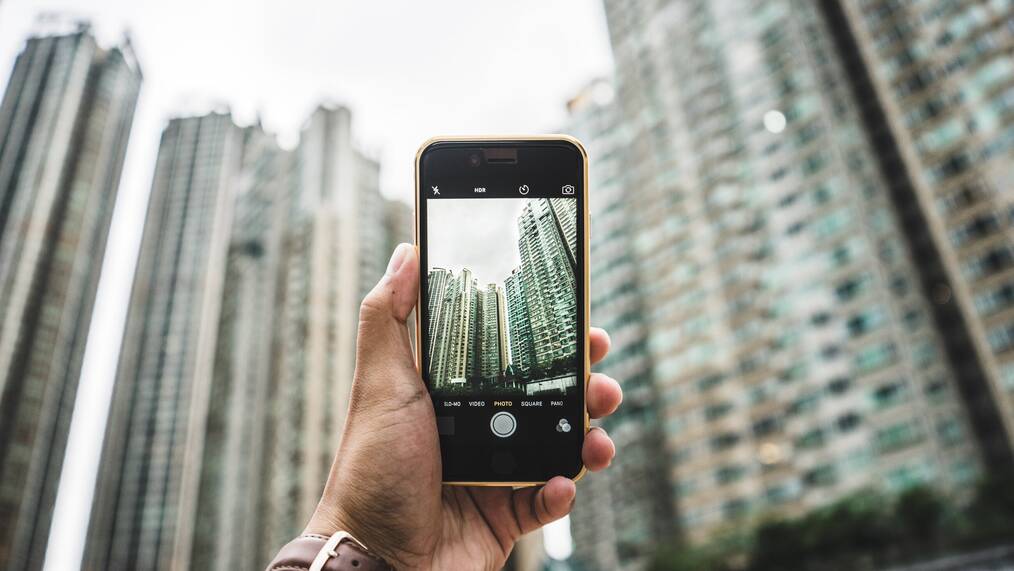
Staying in touch with friends and family — and just being able to pull up a map — matters more than you might expect, especially if it's your first time away from home for a while.
eSIMs are now the easiest way to stay connected. A physical SIM card used to be the go-to, but eSIMs have mostly taken over — no swapping a tiny card, no hunting for a kiosk at the airport.
This is exactly why we're fans of eSIMs: Holafly lets you set up your data plan before you even leave home, covering +160 destinations, so the second you land, you're already connected. They've also just launched a quarterly plan built for students and anyone traveling longer-term.
separator_solidGo Overseas community can get 15% off their Holafly plan — code GOOVERSEAS is already applied when you use our link!
Travel abroad for the first time with confidence!
Although compiling and completing the list of things to do before traveling internationally for the first time may be considered tedious, these are things that will greatly enhance your experience! Remember to plan ahead, acquire travel insurance, and grab some packing cubes.
When it comes to your trip: slow down and prioritize quality over quantity! By being prepared for your first international outing, you will have a fantastic experience that will have you yearning for more!