How Much Does it Cost to Study Abroad in Korea?
To help you build an accurate budget, we’ll help you compare common expenses, tuition costs, and share tricks to lower the cost of studying abroad in South Korea.

Key Takeaways 🔑
- Tuition for direct enrollment runs about $3,000–$6,500 per semester, with public national universities like Seoul National and Chonnam National on the affordable end and private schools like Yonsei and Korea University on the higher end.
- Studying through a program provider (CIEE, CIS Abroad, TEAN/WorldStrides) costs more than direct enrollment but bundles in housing, insurance, and on-the-ground support — expect $13,000–$19,000 per semester.
- Beyond tuition, budget for cost of living, airfare, your D-2 student visa ($45), and mandatory health insurance (~$55/month).
- If budget is your top priority, Chonnam National University is the cheapest of Korea's major universities for international students.
- Scholarships — from your program provider, the university directly, or third-party organizations — can meaningfully bring costs down!
Studying abroad in South Korea is one of the most affordable ways to get a world-class education overseas — but tuition is only part of the budget. Here's exactly what to expect for university tuition, program provider pricing, cost of living, visas, and insurance, plus a few tricks to keep your total costs lower.
Average tuition cost for a semester abroad in South Korea
Tuition depends heavily on which path you take.
Direct enrollment, applying straight to a Korean university as an international student, typically runs $3,000–$6,500 per semester. Going through a third-party program provider like CIEE, CIS Abroad, or WorldStrides costs more, usually $13,000–$19,000 per semester, but that price bundles in tuition, housing, insurance, and visa support.
Direct enrollment means you handle your own application, housing, and logistics yourself — it's more DIY, but it's the cheaper route and gives you the most control. A program provider does that legwork for you, which is worth the premium if you want built-in support and a ready-made group of other students going through the same experience.
Applying directly to a university is the most affordable route, however it will require a lot of planning as you'll need to find housing and handle the logistics yourself. It's a smart option if you're looking to save money, want the absolute most immersive way to study abroad, and are okay with independently handling your study abroad plans.
To help you get started, we broke down some of the expected costs across South Korea's top universities.
Yonsei University
Yonsei is one of Seoul's most prestigious private universities, and tuition varies by college — engineering, pharmacy, and specialized programs cost more than humanities and social sciences.
Yonsei tuition for international undergrads runs about $3,200–$6,500 per semester ($6,400–$13,000/year), depending on college — humanities and social sciences land at the low end, Underwood International College and Computing & Integrated Technology at the high end.
Here's what international undergrads can expect to pay per semester, based on field of study/college:
| College | Per semester (USD, approx.) |
|---|---|
| Liberal Arts, Theology, Education | $3,230–$3,380 |
| Social Sciences, Commerce & Economics | $3,230–$3,400 |
| Science, Physical Education, Human Ecology | $3,750–$3,900 |
| Engineering | $4,250–$4,400 |
| Life Science & Biotechnology | $4,000–$4,150 |
| Music | $4,760–$4,915 |
| Pharmacy | $4,935–$5,085 |
| Pre-Medicine/Dentistry | $5,520–$5,670 |
| Underwood International College (UIC) | $5,810–$5,960 |
| Global Leaders College | $5,080–$5,230 |
| Computing & Integrated Technology | $4,250–$6,530 |
Source: Yonsei University
Korea University
Korea University is another top private school in Seoul, with a similar college-by-college pricing structure to Yonsei — expect science, engineering, and art programs to run higher than humanities and social sciences.
Korea University tuition runs about $4,000–$5,300 per semester ($8,000–$10,600/year). The university notes these figures are subject to change year to year.
| College | Per semester (USD, approx.) |
|---|---|
| Humanities & Social Sciences | ~$4,000 |
| Natural Sciences | ~$4,600 |
| Engineering | ~$5,200 |
| Art | ~$5,300 |
| Interdisciplinary Studies, Global Open Major, University College | ~$5,200 |
Chonnam National University
Chonnam National University is Korea's most affordable major university for international students, with tuition starting around $1,500 per semester ($3,000 per year).
Looking for the cheapest option? Of the universities above, Chonnam National University is the most affordable, with tuition starting around $1,500/semester — roughly a third of what you'd pay at Yonsei or Korea University. As a rule of thumb, Korea's public national universities consistently undercut private schools by 30–50%, so if budget is your top priority, start your search there.
Tuition for a semester through a third-party program provider
If you'd rather have a provider handle your visa paperwork, housing, and orientation, here's what four popular Korea programs currently cost. All four bundle tuition and housing into one price — but you should still budget separately for flights, meals, and personal spending.
| Provider | Starting cost (USD) | Terms offered | Housing included? |
|---|---|---|---|
| CIEE (Arts + Sciences at Yonsei University) | $18,950/term | Fall, J-Term, Spring, Summer | Yes |
| CIS Abroad (Semester in Seoul – Sogang University) | $12,960/term | Academic Year, fall, Spring | Yes |
| WorldStrides (Yonsei University Semester) | $16,950–$17,650/term | Fall, Spring, Summer, Winter | Yes |
| USAC: Korea – Gwangju Undergraduate Courses (at Chonnam National University) | $5,440/term | Academic Year, Fall, Spring, Summer | Yes |
Average monthly cost of living in South Korea
Rent and everyday expenses in Korea are relatively low compared to other popular study abroad destinations — though Seoul runs higher than smaller cities like Gwangju or Daejeon, so adjust these numbers if you're studying outside the capital. If you're studying abroad through a third-party program, your housing will already be included in your program fee.
| Item | Estimated cost (USD) |
|---|---|
| Monthly living costs (excl. rent) | $1,020/month (national average); $1,070/month in Seoul |
| Rent, 1-bedroom apartment | $250–$700/month outside Seoul; $400–$1,100/month in Seoul |
| Public transit | ~$1.10/ride |
| Round-trip US–Seoul airfare | $650–$820 |
Source: Numbeo; keep in mind that costs are estimated figures and subject to change.
Other factors to note when setting your budget:
- Location matters. Seoul costs more than smaller cities — budget toward the higher end of these ranges if you're studying in the capital.
- Airfare moves daily. The range above reflects current live pricing — check Google Flights or Skyscanner closer to your travel dates.
- Transit is cheap. Korea's subway and bus network makes it easy to get around on $1–$2 a ride.
Visa and health insurance costs
Two required costs are easy to forget when budgeting: your student visa and mandatory health insurance.
| Requirement | Cost | When it applies |
|---|---|---|
| D-2 student visa (US citizens) | $45, flat rate | Programs a semester or longer |
| National Health Insurance Service (NHIS) | ~$55/month, flat rate | Programs 6+ months (D-2/D-4 visa holders) |
The D-2 visa fee is flat regardless of visa type or length of stay. NHIS enrollment is mandatory once you're in Korea 6+ months, and the premium doesn't change based on your age, health, or university.
Money-saving tips for studying in South Korea
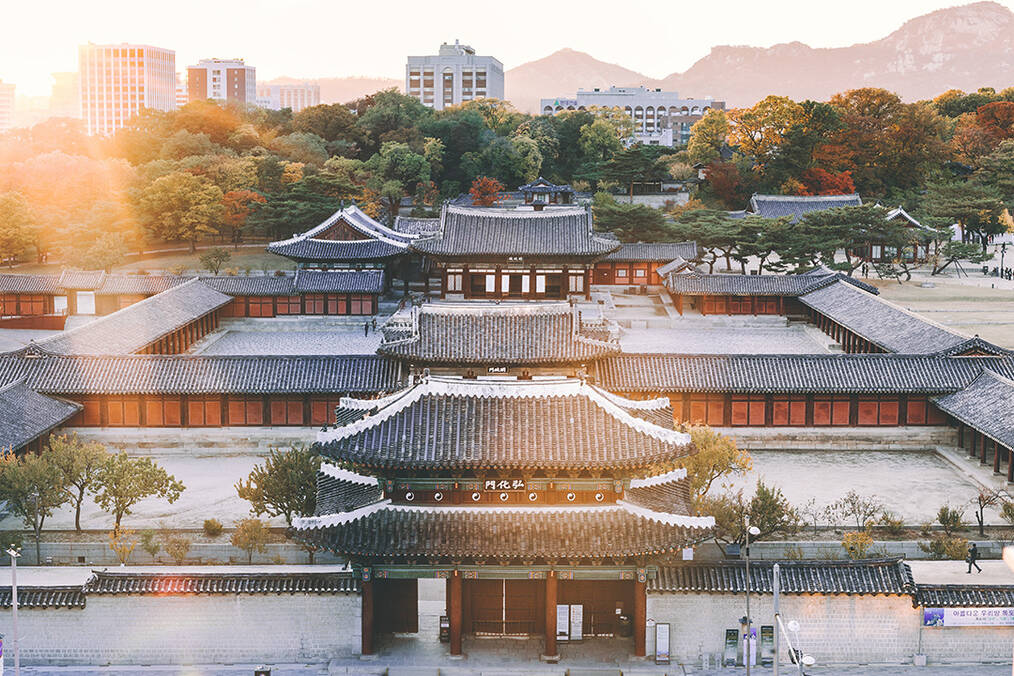
A few habits go a long way toward keeping your budget on track in Korea:
- Check out free and low-cost activities across Korea. Museums, observatories, palace gardens, and historic temples are typically low-cost or free to visit, and Korea's public parks regularly host free concerts and events. If you're a nature lover studying in Seoul, make sure to visit the Seoul Forest and Han River.
- Take advantage of having a student ID. Discounts on tickets, transportation, and excursions add up fast across a semester! Enjoy the perks of being a student.
- Lean on public transit. At $1–$2 a ride, Korea's well-maintained subway and bus system makes it easy to explore without a car.
- Budget for the extras. An e-sim, room for souvenirs, an emergency fund, and travel insurance are easy to forget but should be part of your total cost estimate from day one.
Scholarships for studying in South Korea
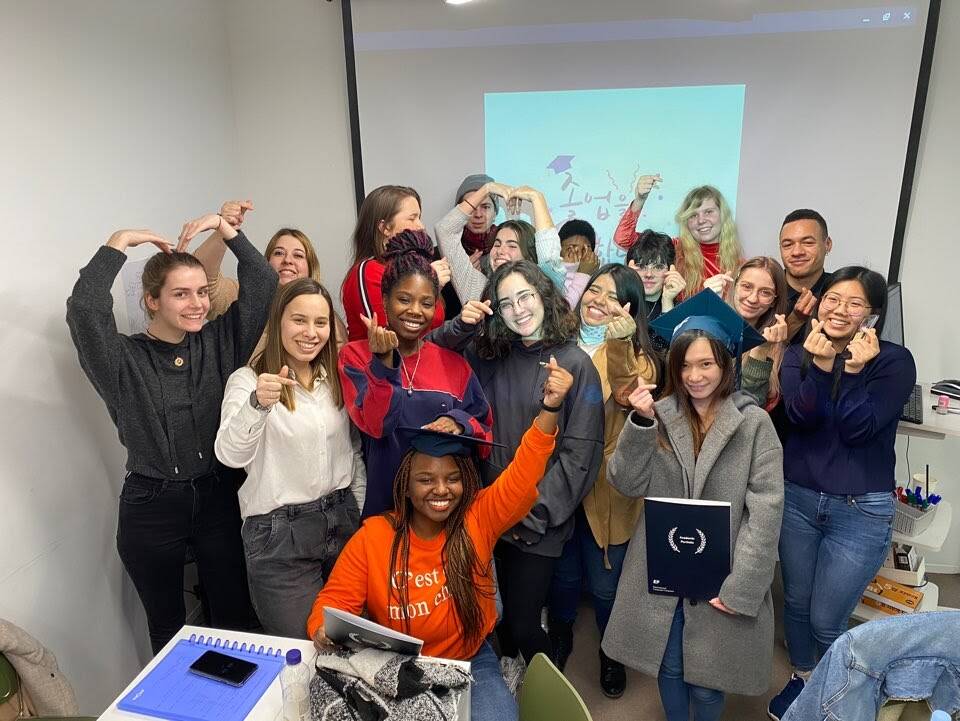
Scholarship options for studying in Korea generally fall into three buckets:
- Program provider scholarships — many third-party providers offer need-based awards to students enrolled in their programs.
- University scholarships — if you're enrolling directly, check the university's own website; most Korean universities offer scholarships specifically for international students.
- Third-party grants — outside organizations fund study abroad broadly, not just Korea-specific programs.
Apply early, put your strongest work into every application, and apply for as many as you qualify for — worst case scenario, you get rejected. Best case scenario: You've earned free money for your program! Browse our full list of study abroad scholarships and grants to get started.
Start planning your study abroad adventure in Korea!
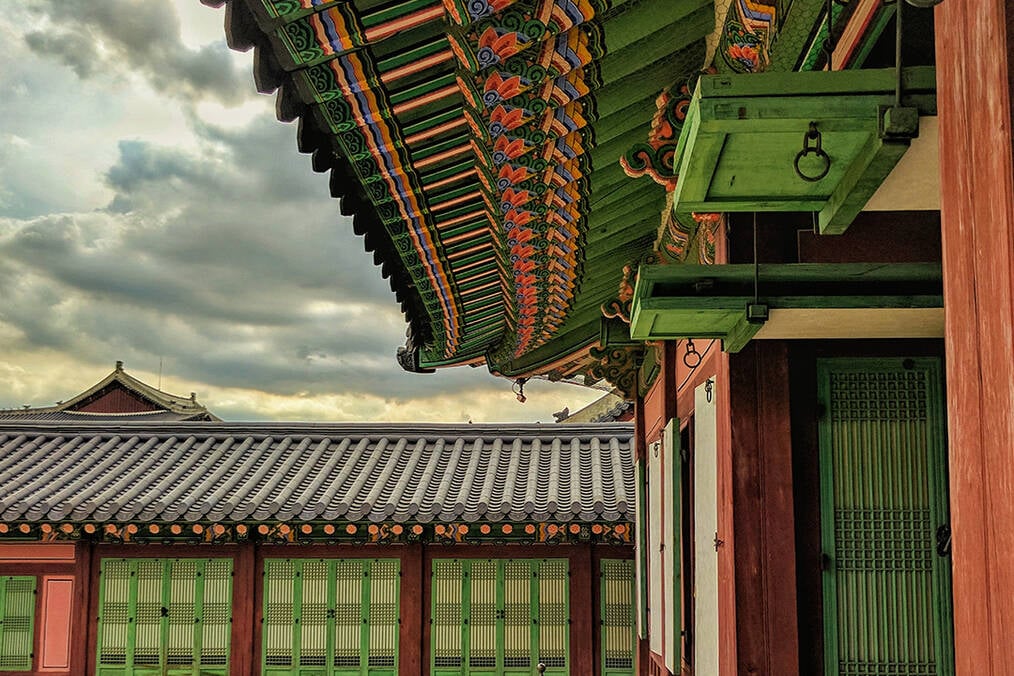
When investing in your education and experiences, it’s necessary to consider costs, but that doesn’t mean it is the most important factor. South Korea has various options that can fit most budgets.
Ready to take the next steps towards making your study abroad in Korea dreams a reality? Explore these articles: