Thumbnail

The School for Field Studies (SFS)

Why choose The School for Field Studies (SFS)?

The School for Field Studies (SFS) offers field-based programs that revolve around environmental studies and research. The programs involve exploration of the human and ecological aspects of issues having to do with the local environments. Students assist SFS's global partners and host communities in their research, finding meaningful solutions to real environmental problems. Study abroad with SFS to have an experience of a lifetime and earn academic credit while making a difference in the world!

Scholarships

The School for Field Studies Scholarships

The School for Field Studies Scholarships

SFS works closely with your home school to help you fund your SFS program. Many applicants receive aid through their home institutions or other outside sources, so check with your financial aid office to see what aid may apply to an SFS program.

Value
$500 - $7,500

Reviews

Ka'Vozia
5/5
Yes, I recommend this program

A Transformative Summer Immersed in Costa Rica

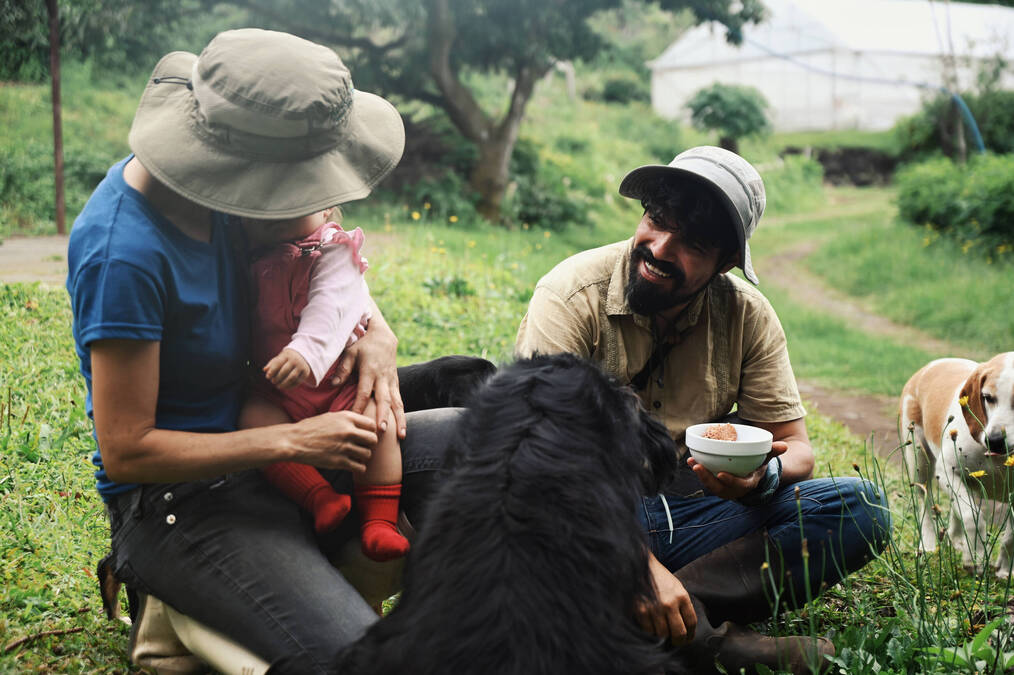
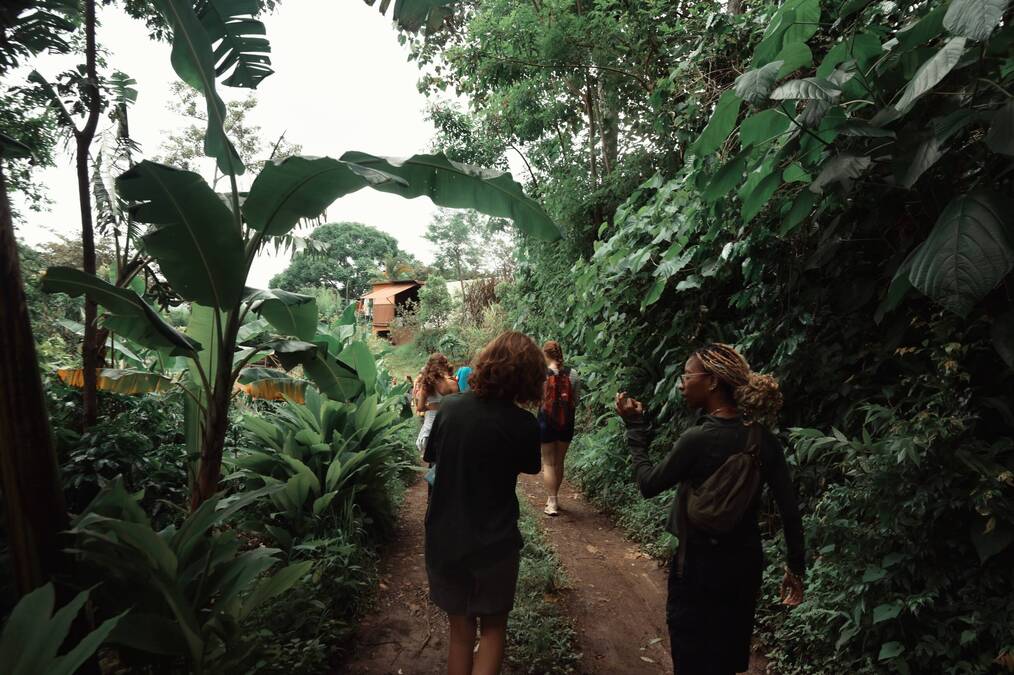
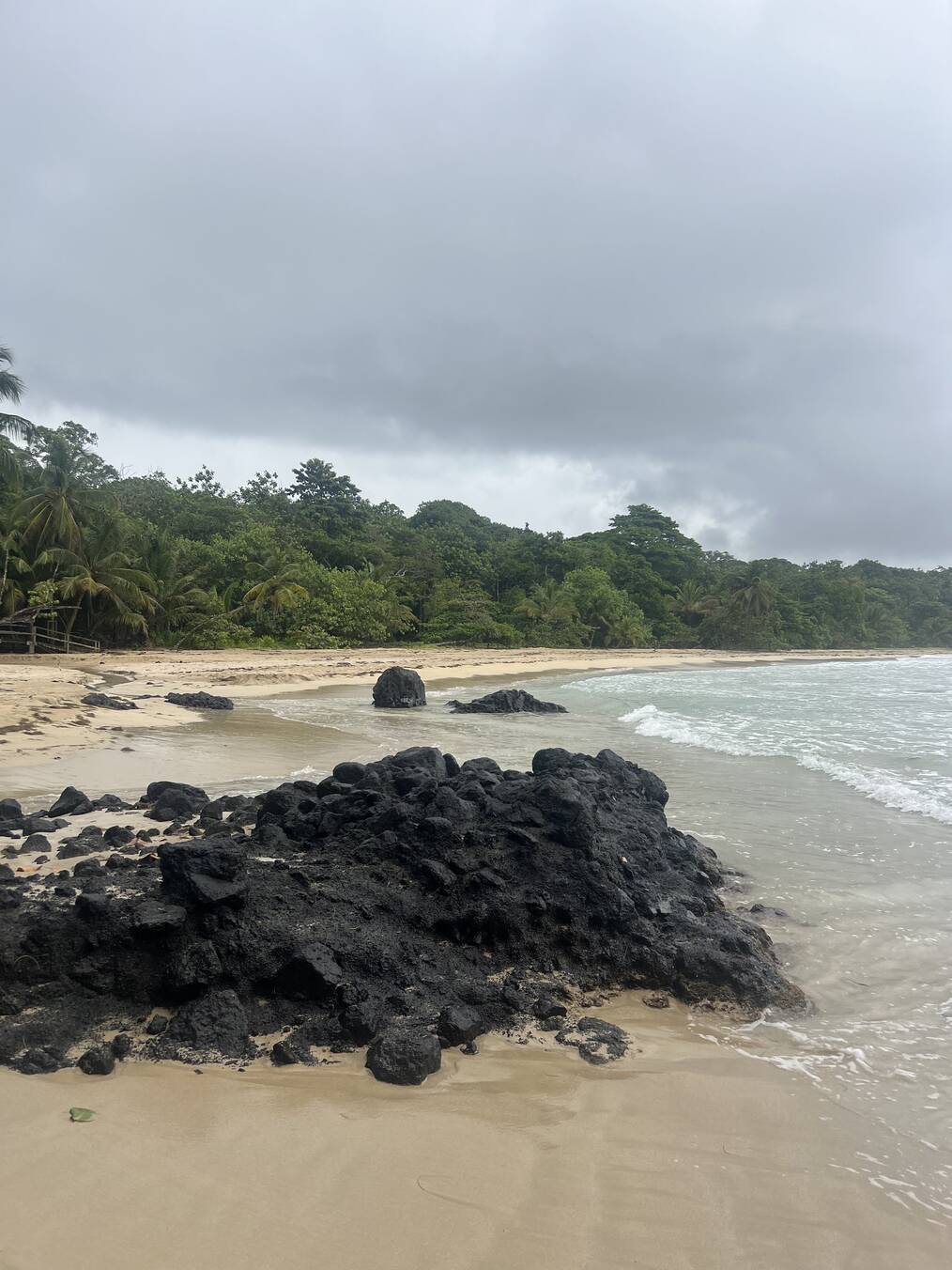
Last summer, I had the opportunity to study abroad with SFS in Costa Rica, focusing on environmental justice and sustainable food systems. The program was hands on. We explored coffee and chocolate farms, learned about agroforestry, water managaement, and connected deeply with local communities. What made it unique was the combination of fieldwork, lectures, and cultural immersion. It wasn’t just observing, it was participating and adding moments of creativity as an art student. Future students should know they will gain practical skills and global perspectives that are well worth the travels.

What was your funniest moment?
One of the funniest moments was when we did field research on the coffee farm at La Casa Del Alto. Most students ended up covered in mud, falling and laughing uncontrollably while the farm workers watched us struggle to hold our ground on the steep incline.
Pros
  • Hands on fieldwork that gives real world experience in sustainability
  • Immersive cultural experiences and community engagement
  • Expert faculty who are passionate and approachable
Cons
  • Limited diversity, few male and/or BIPOC participants
  • Group dynamics made social integration challenging at times
  • Limited free time to explore independently
Perpetua
5/5
Yes, I recommend this program

SUMMER TO REMEMBER

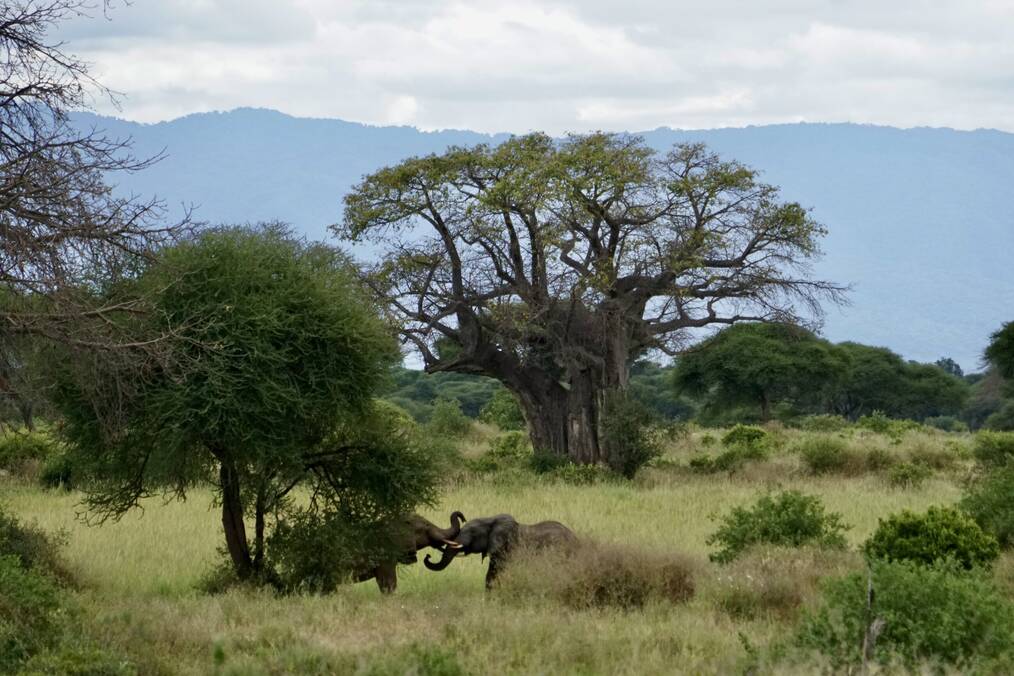
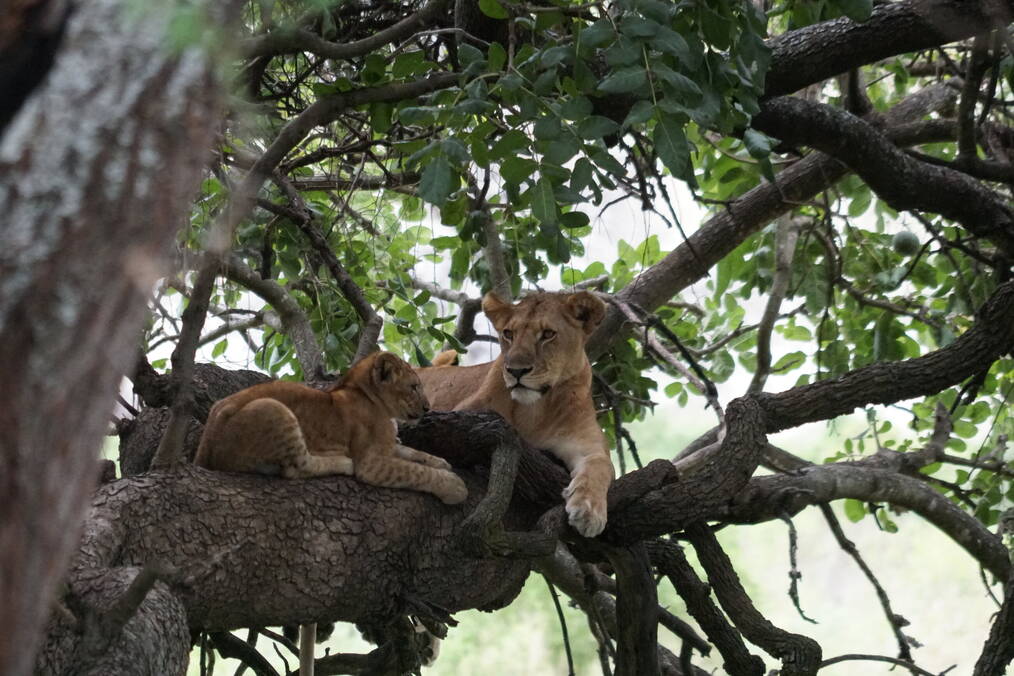
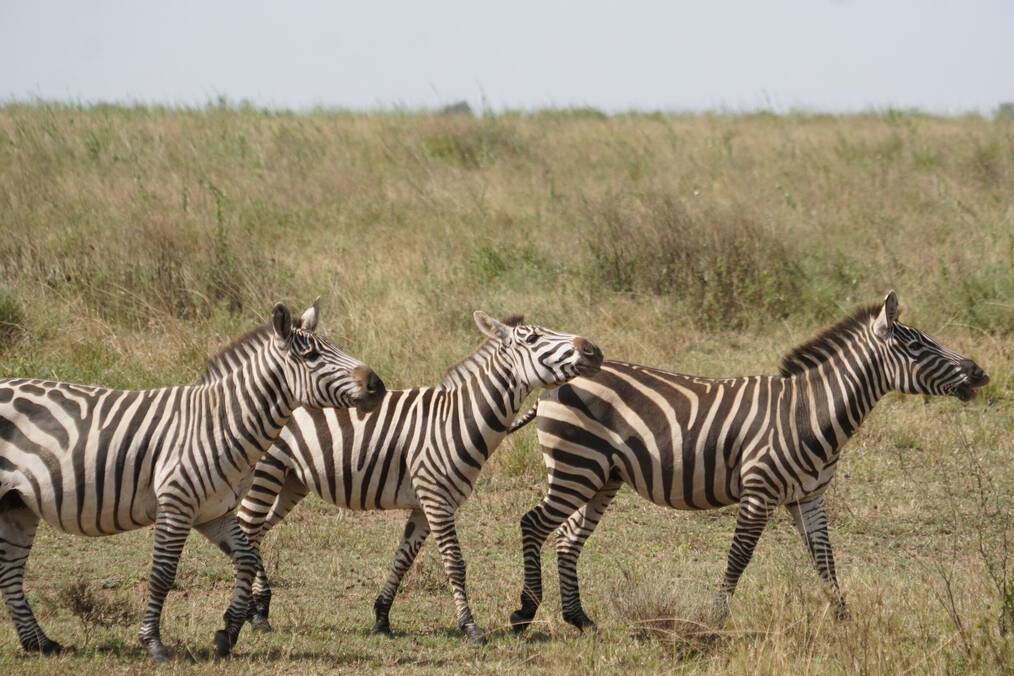
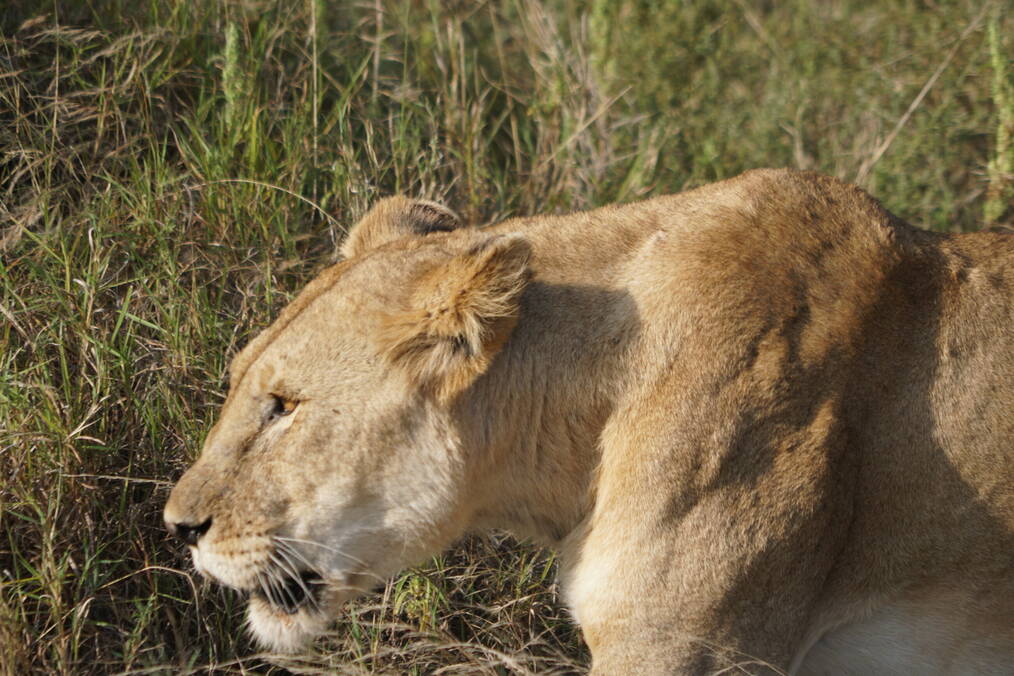
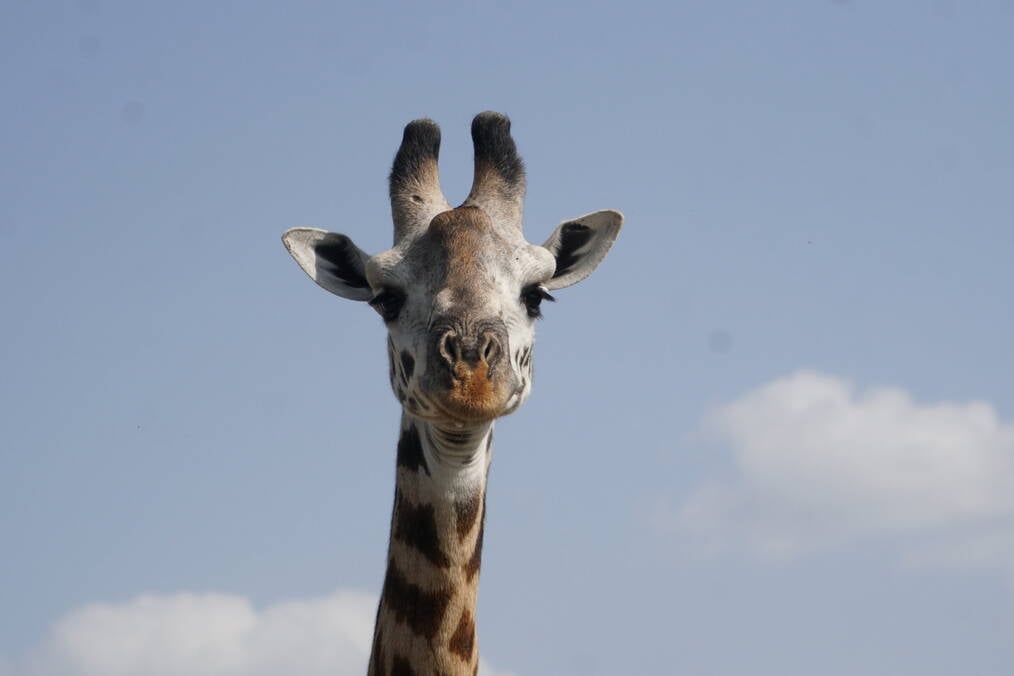
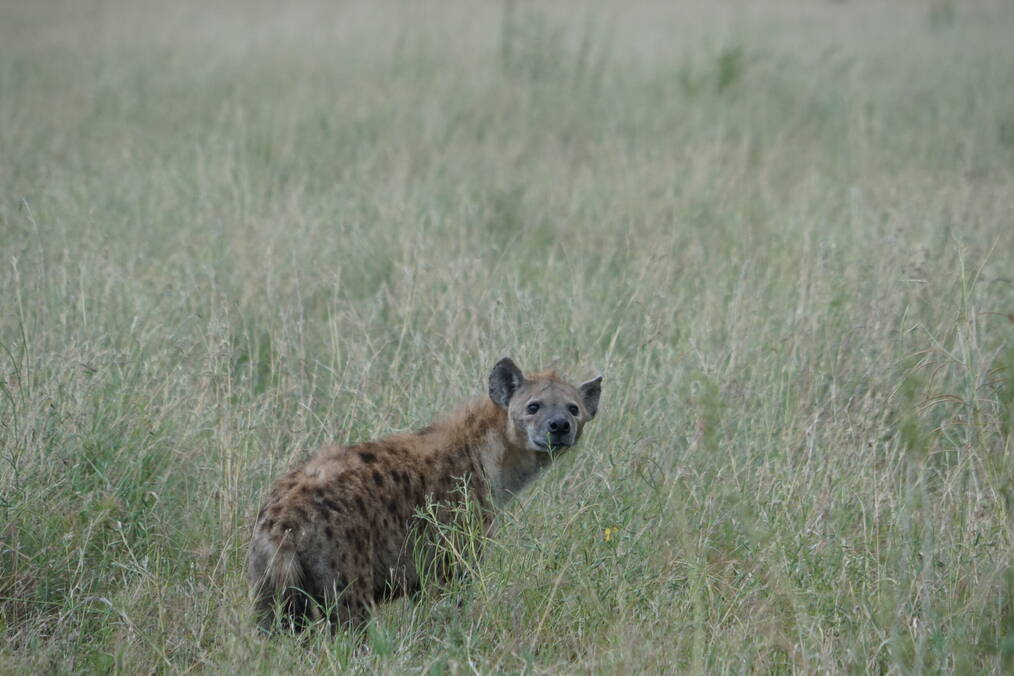
Unforgettable summer in Tanzania. As a Wildlife Management student, I gained hands-on experience and invaluable insights into conservation practices, learning about Wildlife Management and Techniques, and delving into the fascinating animal behavior of Carnivores, Herbivores and Primstes found in Serengeti National Park, Tarangire National Park without forgetting Lake Manyara National Park Immersed in the breathtaking landscapes and rich culture Visited the Maasai Community and Hadzabe the only community that hunts and live bushlife found in Tanzania, I returned home inspired and equipped with practical skills from experienced Lectures in Conservation. Don't miss this life-changing opportunity to study abroad in Tanzania

What was your funniest moment?
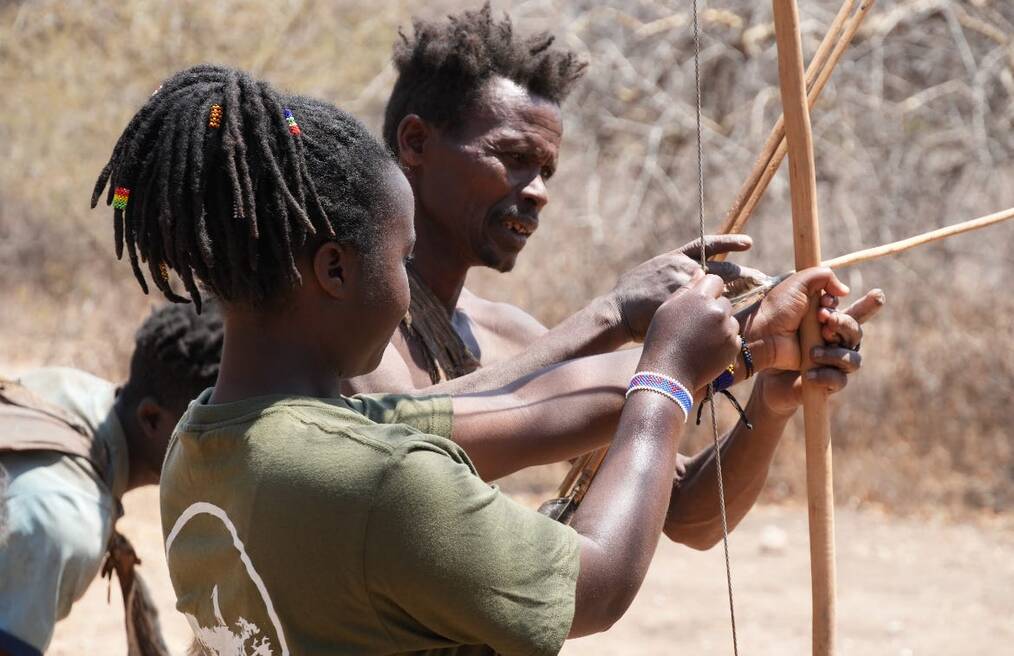
Tried throwing an arrow with the Hadzabe tribe, I missed the target, hit the laugh button it was very funny learning something new
Pros
  • Stunning landscape and wildlife sighting
  • Ideal time for hiking and adventures
  • Visiting local market to learn their culture
Cons
  • Hot weather
  • Some areas can be inaccessible due to rain
  • Rough roads in National Park
Ava
5/5
Yes, I recommend this program

Tanzania Summer 2025

This was hands down the best experience of my life! It was so incredible studying wildlife management with a group of like minded people from a variety of backgrounds. We saw so many different animals during our safaris. I was not expecting to see as many animals as we did, which was so amazing. We were also able to interact with the locals during our stay. By playing soccer, volleyball, and cards with the locals, we were able to bond with them and become immersed in the culture. The slow paced, sustainable lifestyle in Tanzania has changed the way I live and consume back home.

What is your advice to future travelers on this program?
My advice to future travelers on this program would be to practice some Swahili before getting to Tanzania! I would also encourage people to embrace every moment and enjoy every experience.
Pros
  • Lots of wildlife sighting
  • Super friendly staff
  • Meet people from all over the US and Tanzania
Cons
  • Some lectures felt repetitive
  • Limited plant based protein options (but still manageable)
  • Hand washing clothes were harder to get clean and took a while to dry
Jenna
5/5
Yes, I recommend this program

Best Decision I Ever Made

SFS Bhutan was the most incredible experience from start to finish. The classes were engaging, fun, and just so cool. The professors and center staff were amazing, and I loved the experiential learning aspects. We got to travel all around Bhutan, learning about/from different communities, practices, and traditions, and conduct research that let me hike the Himalayas and learn more about Bhutanese flora and fauna! Doing this program is the best decision I've ever made, I miss it so much and hope to go back to Bhutan some day! A once in a lifetime opportunity, I'm so glad I went.

What was the most unfamiliar thing you ate?
I got to try yak cheese! That was really cool. Butter tea, a traditional Bhutanese tea, and suja, a homemade Bhutanese alcohol, were also very cool to try. I'm vegetarian, but my meat-eating friends tried Yak meat as well which I'm told was delicious.
Pros
  • Travelling to different parts of Bhutan
  • Delicious, cheap food!
  • Incredible culture and spirituality
Cons
  • risk of getting ill from water
Vasilije
1/5
No, I don't recommend this program

Horrific

I began the SFS Australia program with positive expectations, as it is costly and well promoted. Unfortunately, my experience was marked by disorganization, poor communication, and student well-being being disregarded.

Logistics were subpar from the start. The program repeatedly failed to provide students with important information in advance and sometimes left us poorly prepared for field work that required protective equipment or advance warning. At one point, due to botched travel plans, students were left without food for nearly 24 hours. This was an appalling failure of basic duty of care.

Academically, the program was uneven. Although some of the field activities were engaging, a lot of the content was presented in a hurried, disorganized fashion. Feedback was sporadic and, at times, capricious with marks not accurately reflecting engagement or quality of work. For instance, multiple academic staff members seemed not to have formal knowledge of film but were grading cinematography. No constructive feedback was given throughout the course itself.

Staff communication was usually brief and uninformative, and when students had issues, they were greeted with defensiveness instead of resolutions. For a program that costs as much as it does, the unprofessionalism was shocking.

In brief: SFS Australia did not live up to its promises either academically or in student care. I would highly recommend that potential students look to other field study programs that are serious about both learning and participant well-being.

What would you improve about this program?
Management
Pros
  • N/A
Cons
  • Bad food
  • No notifications about schedule changes
  • Communication with staff

Programs

Displaying 10 - 10 of 10

Alumni Interviews

These are in-depth Q&A sessions with verified alumni.
Why did you choose this program?

I chose the School for Field Studies after being introduced to the program in a class on Environment and Society. They were highly recommended by my professor as well as by an SFS alumni. The Summer Session 1 in Australia and New Zealand had the most focus on plant life and also covered topics such as ecosystem restoration which are directly relevant to my career goals.

What did your program provider assist you with, and what did you have to organize on your own?

SFS provided very detailed information on how to register for the program and fulfill necessary requirements once accepted (such as visa applications, travel health insurance, disability services, etc.) Organizing staff at SFS were readily available by phone or email to answer questions. I also received help from my university's Study Abroad office.

The one thing that SFS coordinated was having a specific travel agency to book a flight from Australia to New Zealand, as this ensured that everyone in the Summer Program was on the same flight. Otherwise, I organized all other travel, insurance, course credits, and other necessities on my own. However, this was easy to do, thanks to the help of my school's Study Abroad office and SFS's clear guidelines and assistance.

What is one piece of advice you'd give to someone going on your program?

Bring a Mastercard or Visa debit card that allows you to make purchases abroad without a fee (Capital One 360 has no fees and does not require notification). Use this card at ATMs to withdraw Australian and New Zealand dollars. Try to avoid currency exchanges if possible since ATMs have much better rates than exchanges.

I found that I needed more cash in New Zealand than in Australia. Bring cash to the Yungaburra Market that you will visit one weekend in Australia. Also, bring cash to New Zealand for your free night in Aukland since it's easier to keep track of and limit your tab at bars. Most places in both AU and NZ accept credit card, however. Don't bring Amex or Discover, though! Neither are accepted in AU or NZ.

What does an average day/week look like as a participant of this program?

Since Summer I is only a month long, each week is very different, and things even change from day to day. A typical day at the center in Australia involves waking up around 6 to 7 AM (depending on the schedule) and having breakfast at the center's outdoor covered kitchen. After breakfast clean-up, there might be a lecture or a scheduled off-site activity. Usually, lunches are packed after breakfast for off-site activities. Days with off-site activities usually end around 4 PM since the sun sets by 6 PM. Dinner is usually around 5:30. After dinner is generally free time to study, work on journals, or just hang out.

In New Zealand, you'll stay in at least three different places. The schedule is pretty packed, so expect to be on a chartered bus frequently. The bus makes stops along the way for activities, breaks, and lunch. The longest stay in one place in NZ will be with the Prime family. There you'll have a more steady schedule with hikes and day trips.

Going into your experience abroad, what was your biggest fear, and how did you overcome it? How did your views on the issue change?

I was concerned about the difficulty of the environment in the rainforests and living in close quarters with many new people. Neither one of these turned out to be as intimidating as I thought.

The rainforest is definitely damp and has a lot of creepy critters (like terrestrial leeches and huntsman spiders), but they're easy to deal with. I always checked the bathroom stalls and showers before going in to make sure no spiders or leeches were sharing it with me. I also checked my clothes and skin for leeches daily. Being aware of my surroundings was really all I needed to settle in to the rainforest environment.

As for living in close quarters with others, this actually makes dealing with the rainforest much easier! Someone in your cabin may not be freaked out by spiders, so they can remove any that sneak in to your personal space. Plus you end up bonding over stories of leeches, spiders, or seeing some crazy animal/insect while walking around the center. After this experience, I feel much more comfortable around spiders, and I realized I really enjoy communal living.

What did you learn from this experience?

Before this program, I had never traveled abroad alone and had never been to a tropical environment. But going to this program showed me that it is really beneficial to face your fears and try something new. However, if you're going to get the most out of an experience, it pays to keep an open mind. Try to go into a new situation without specific expectations, and avoid making snap judgments.

Even if things are challenging sometimes, try not to look at challenges as pure discomfort, but as something to learn from.

Being without internet/cell service might seem difficult, until you realize how much more you're paying attention to your surroundings and engaging with people. Living and traveling with other people can also help you to learn how to work as a team, to listen to others, or how to deal with conflict in a healthy way. So definitely try something new, and you'll probably be surprised by how much you'll gain from it!

Staff Interviews

These are in-depth Q&A sessions with program leaders.
Sophie Ohaus

Sophie Ohaus is currently the Program Intern at The School for Field Studies (SFS) in Bhutan. Sophie graduated from Colorado College in 2014 with a degree in Sociology and Global Health. After graduating she spent the year working for a qualitative analytics firm and a local community foundation, but the urge for adventure kept calling, leading to her to one of the most remote countries in the world, Bhutan!
Thumbnail

Did YOU study abroad?! If so, where and what inspired you to go?

I studied abroad three times! The first time was between high school and freshman year of college with The School For Field Studies in Australia. The second time was the summer between sophomore and junior year of college in Ecuador, and the third time was junior spring in India.

The first time I studied abroad, I went because I wanted a break from conventional schooling before starting college. However, I found that I loved it so much I was constantly driven towards finding more opportunities to study abroad.

Also, as a sociology major I discovered my passion for understanding how people interact with the world around them, especially the interactions between humans, development, and the environment. Studying abroad gave me the opportunity to explore these interactions among different cultures all over the world.

What do you believe to be the biggest factor in being a successful company?

Communication is key! I believe that proper communication is one of the most important aspects towards insuring a successful company, especially in study abroad where everyone is working outside their home environment and it is easy to get lost in a hectic schedule.

Our staff makes sure to check in at least once a day by having breakfast all together, and we have longer staff meetings once a week. These daily check-ins and weekly meetings help all of us stay on the same page and also makes sure that everything runs smoothly.

What unique qualities does your company possess?

I believe that The School for Field Studies gives its student a rare opportunity to immerse themselves and give back to the local community through the unique Directed Research (DR) component. During the DR part of the semester, students have the chance to conduct a research project that specifically relates to the local community’s environmental needs.

Due to each SFS research station’s unique long-term research plan, these projects can build off themselves year to year, ensuring that the research informs local stakeholders and helps them to create positive changes in the community.

Here in Bhutan, the students don’t only get to present to the local community, but they also get the opportunity to present to a much larger audience in the country’s capital of Thimphu.

The Directed Research aspect is such a strong feature of SFS that with the guidance of our professors and the help from local stakeholders, the students often produce very high quality reports which has allowed them to present back home, get published, or develop senior theses.

Describe a time when you felt especially proud to be part of the SFS team.

It's hard to pick one specific time that I've felt especially proud to be part of the SFS team, there are just too many! Seeing how much our students grow over their experience in Bhutan is always a very rewarding experience.

This usually culminates for me when I watch them present their Directed Research findings at the end of the semester. Dressed in traditional ghos and kiras, the students always impress me, not only with their research but also in the way that they present themselves.

The ease at which they can talk to the local people, dress in national dress, and discuss their research makes me proud to know that these students are a part of The School for Field Studies' community.

Professional Associations

The Forum on Education Abroad Logo
Institute of International Education Logo
NAFSA Logo