Gap Year Programs in Africa
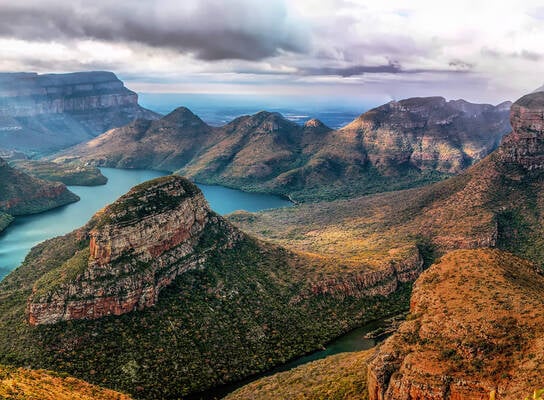
Africa is a vast, varied landscape. People have come to Africa for centuries seeking adventure and excitement, learning as much about themselves as they have about the exotic and diverse cultures they encounter. Africa is the perfect place for a gap year – an opportunity for self-discovery, for philanthropy, to learn, to teach, to explore, or to just be. The continent hosts some of the most beautiful and storied cities in the world, such as Cape Town and Cairo. Bustling and dynamic, you can find dance clubs, colorful markets, and friendly people.
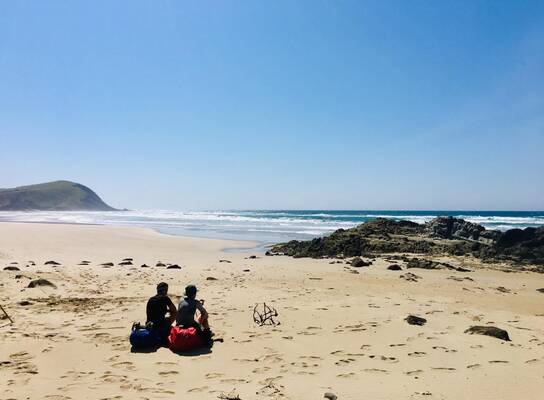
Africa is also where you can find perfect peaceful silence, staring at the stars while on Safari or climbing one of the many stunning and isolated mountains. Whether you are tracking the Big 5, teaching at a rural school, or relaxing on the beach, there is something exciting to embark on in Africa!
Teaching
The three most popular areas of volunteer work are teaching, working in community-based organizations (such as orphanages), and wildlife conservation.
There are many advantages to teaching: you interact with the local people and tend to have a great deal of autonomy but within the supportive environment of a school. African children (to generalize) really appreciate the opportunity to learn and are eager, well-behaved students. If you want a more specialized experience, such as sports coaching or teaching girls, you need to research those opportunities and even work directly with a school instead of going through a company. If you are acting independently, be sure that all of your expectations of the school are clear and in writing.
Volunteering
Working with a community-based organization (CBO) or with an orphanage can be extremely rewarding. This is an opportunity to work with the most vulnerable populations in a community and really use your gifts and talents to make a difference. CBOs have diverse purposes and focus on health, youth, micro-economics, the arts, human rights, and even agriculture. An example might be Open Arms Infant Care Home in Malawi. They welcome volunteers who stay on-site and work with children at the orphanage. In exchange, they offer housing and food, as well as opportunities to travel within Malawi.
These types of opportunities require research and flexibility. It is always preferable to have a connection to an organization or a recommendation from a trusted contact.
Wildlife conservation
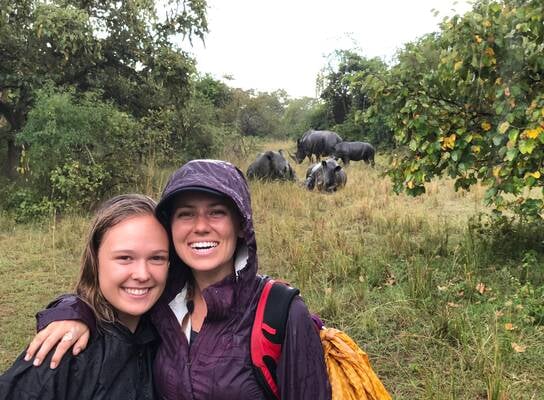
Perhaps the most iconic African experience is the safari; you’re dressed head-to-toe in khaki, stalking the big-five (elephant, buffalo, lion, leopard, and rhino), snapping once in a lifetime photographs from your 4X4 vehicle. While safaris are amazing, there are ways to become more involved in the protection and promotion of these incredible creatures.
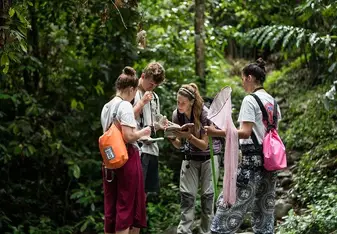
Many companies offer volunteer-ships that focus on wildlife conservation. Do your research and find a company that is trustworthy with a good reputation! Volunteer programs often focus on a specific species or geographic region and provide a chance to gain valuable experience, a unique challenge, and the opportunity to learn from local experts.
Why take a gap year in Africa?
This is the opportunity of a lifetime. Traveling in Africa is not for the faint-hearted or the timid; it takes an adventurous spirit and the ability to go with the flow. Follow the famous route across East Africa from Cairo to Cape Town or wind your way around the vibrant cities and lush countryside of West Africa, volunteer with vulnerable children, or learn about cheetahs. Spending your Gap Year in Africa will change your life. You will come back having discovered so much about the world, about a diverse and incredible continent, about warm and vibrant cultures, but mostly, you will discover yourself.
Costs and planning
You can join a reputable program that provides training, support, and help with visas and travel. These programs may charge fees but often include budgeting guidance and sometimes airfare.
Alternatively, you can arrange placements independently through schools, non-profits, or community organizations. These are usually unpaid, but housing and meals may be included; just plan carefully for visas, travel, and daily expenses, as costs can vary widely across regions.