CFHI Logo

Child Family Health International

Why choose Child Family Health International?

Child Family Health International (CFHI) is a 501(c)3 nonprofit that conducts socially responsible global health education programs for medical, pre-medical, nursing, PA, MPH, and other health science students. CFHI's 25+ programs in 10 countries connect students with local health professionals -transforming perspectives about self, global health and healing. CFHI supports local communities worldwide through these global health education programs and community health initiatives. CFHI is an NGO in Special Consultative Status with the ECOSOC of the United Nations.

Website
www.cfhi.org
Founded
1992

Diversity & Inclusion 💙

CFHI is deeply committed to supporting BIPOC participants in our programs, building our programs and operations from a basis of anti-oppression, anti-racist, and anti-colonial approaches. We work closely with our Global Team to provide participants with location-specific information regarding local customs, norms and recommendations. During pre-departure preparation, we encourage participants to discuss their identities, needs, abilities, and concerns and set up 1:1 planning calls to ensure questions are answered, and a robust support system is established before travel. In addition, our local teams and CFHI leadership are available 24/7 to offer support and assistance.
At CFHI, we are dedicated to fostering an inclusive and supportive environment for participants of all identities, including those within the LGBTQIA+ community. We firmly believe in equal access to quality global health education, ensuring that everyone can engage and thrive. We collaborate with our local teams to provide resources and support to participants that is specific to each program and location. During pre-departure, participants are encouraged to discuss their unique concerns and set up 1:1 planning calls to ensure questions are answered and a robust support system is established before travel. Through these efforts, we aim to foster an environment where participants can learn, grow, and make meaningful connections while participating in global health experiences.
CFHI encourages participants to discuss their accommodation needs with CFHI after acceptance to their program to ensure we understand the accommodations needed and be well prepared to support them. Before departure, our team will work directly with each student and their institution (if relevant) and will make every possible effort to implement learning and physical accommodations and adaptations, remove barriers and allow full access to the extent possible without fundamentally altering the program's essential structure and standards. If it is not possible to accommodate a student on their first choice of program due to significant structural barriers or similar, CFHI will work with the student and their institution to select another suitable program option.
CFHI encourages participants to discuss their accommodation needs with CFHI after acceptance to their program to ensure we understand the accommodations needed and be well prepared to support them. Before departure, our team will work directly with each student and their institution and will make every possible effort to implement learning and physical accommodations and adaptations, remove barriers and allow full access to the extent possible without fundamentally altering the program's essential structure and standards. If it is not possible to accommodate a student on their first choice of program due to significant structural barriers or similar, CFHI will work with the student and their institution to select another suitable program option

Impact 🌎

Sustainability is at the core of our partnerships at CFHI. Our longstanding global partnerships, spanning more than 10+ years, reflect our ethical and Fair-Trade approach. CFHI's organizational values emphasize our interconnectedness as humans sharing one planet. To expand educational opportunities while reducing our organizational carbon footprint, we offer a range of virtual/online programs. Additionally, several programs focus on Planetary Health and encourage participants through our Planetary Health Pledge to commit to actionable initiatives that contribute to a healthier planet. Through these efforts, we are dedicated to nurturing sustainable and enduring relationships with our partners and the planet.
CFHI is a leader in community-based Global Health Education Programs with over 30 years of experience and in Special Consultative Status with the United Nations. CFHI's work has centered around offering safe, ethical, and sustainable global health education opportunities to trainees and academic partners. Our research and scholarship have focused on documenting the harm caused by neocolonial and paternalistic approaches to global health engagement and collaboratively developing standards and best practices rooted in Fair Trade Learning Principles, Asset-Based approaches, and appropriate legal and regulatory frameworks. Through immersive experiences, participants are embedded in existing health systems, deepening their understanding of host countries' health landscapes, refining intercultural communication, exploring complex health realities, and cultivating a commitment to global health ethics.

Reviews

ROSEMARY DWOBEN Profile Picture
ROSEMARY
5/5
Yes, I recommend this program

Medicine Beyond the Classroom: My CFHI Experience

My name is Rosemary Dwoben, a medical student at the University of Cape Coast - Ghana. I joined the CFHI Durban program in April 2026, and it quickly became one of the most transformative parts of my medical training. As a 5th‑year medical student, I was eager to see how global health looks in practice, and CFHI’s philosophy of “letting the world change you” truly came alive during my time there.

One of the highlights was living with the Siwela family. Their warmth, indigenous meals, and openness to cultural exchange made me feel at home while also teaching me about Zulu traditions. I vividly remember evenings spent discussing health and family, which gave me a deeper appreciation of how culture shapes care. In the clinics, I was struck by the emphasis on doctors getting to know patients personally. They consistently showed empathy and a non‑discriminatory approach, which created a welcoming environment and reminded me that medicine is as much about relationships as it is about treatment.

Of course, the journey wasn’t without challenges. My university exam schedule shifted multiple times, forcing me to arrive late and miss nearly a week of the program. While disappointing, the CFHI team was understanding and supportive, which helped me settle in quickly.

Overall, CFHI Durban offered me both clinical exposure and cultural immersion. It wasn’t just about learning medicine—it was about seeing health through the lens of justice, equity, and community. I would wholeheartedly recommend this program to students seeking a meaningful global health experience.

What is your advice to future travelers on this program?
Embarking on the CFHI Durban program is more than just a clinical placement—it is a journey of cultural immersion, personal growth, and professional development. Future travelers should come prepared not only with medical knowledge but also with openness and humility. Living with a local homestay family is one of the most enriching aspects of the program. Sharing meals, traditions, and conversations offers a window into Zulu culture and reminds you that health is deeply intertwined with community life. Embrace these moments fully; they will stay with you long after the program ends.

In the clinics, you will notice that doctors prioritize knowing their patients personally. Their empathy and non‑discriminatory approach create an environment where care feels human and inclusive. Observing this will challenge you to think beyond textbooks and protocols, and to reflect on the values that should guide your own practice.
Flexibility is another essential trait. Academic calendars and travel schedules may not always align perfectly, and unexpected delays can occur. Communicating openly and leaning on CFHI staff, who are supportive and understanding, will help you navigate these challenges.

Above all, approach the program with curiosity and honesty. Share both the highlights and the areas that could be improved, as this helps future participants set realistic expectations and contributes to the growth of the program itself. By engaging deeply with the community, participating in outreach, and reflecting on your experiences, you will gain insights into health equity and justice that no classroom can provide.
Pros
  • Cultural immersion through orientation and homestay
  • Empathetic Clinical experience
  • Supportive program staff and flexibility
Cons
  • No compensation to participants in case they lose their items on the trip
Joy
5/5
Yes, I recommend this program

How a Virtual Global Health Internship Reshaped One Medical Student's Understanding of Culture, Systems, and Practice

As a fourth-year medical student in the US, the CFHI Virtual Global & Public Health Internship – India was exactly the kind of experience I had been looking for to expand my understanding of health systems beyond the clinical settings I am accustomed to. The live sessions with India-based public health professionals brought real depth to topics I thought I understood from textbooks, things like infectious disease burden, sanitation gaps, and community-level intervention, and hearing about them directly from people doing the work on the ground reframed how I think about health systems entirely. What made the program stand out even further was the inclusion of personal and professional development, and Hindi language lessons, something I did not expect and found genuinely enriching, since being able to connect even a little with the language added a layer of cultural immersion that you rarely get from a virtual program. The program structure moved at a good pace, the CFHI team was responsive whenever I had questions, and the small group discussions with other participants pushed my thinking in directions I did not expect. What stayed with me most was the shift in how I understand cultural humility, not as a competency to check off, but as something that has to be actively practiced every time you step into a health context that is not your own. I plan to pursue global health as part of my career, and this program clarified what that actually means in practice. I would recommend it to any medical student who wants to move beyond the US health system.

Cynthia
5/5
Yes, I recommend this program

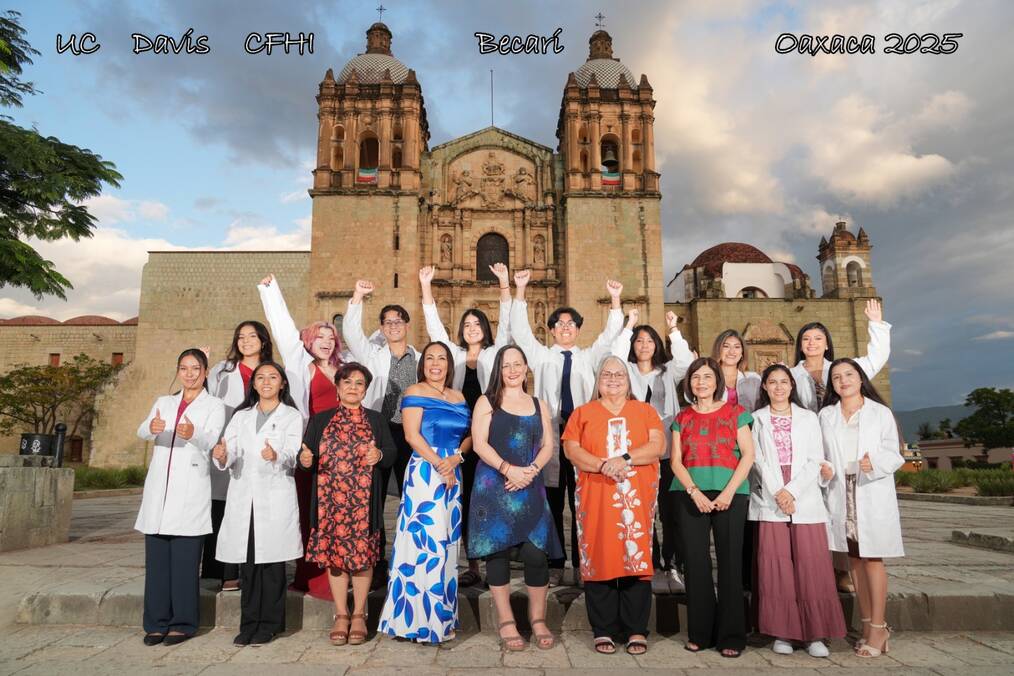
Clinical and Cultural Growth in Oaxaca

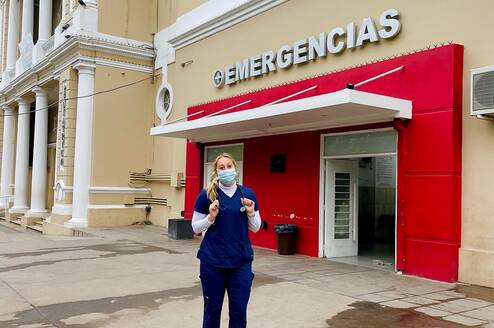
During my 4 weeks in Oaxaca, I spent 2 weeks at Hospital Civil where I had the opportunity to rotate through the emergency department, labor and delivery, and the operating room. Each setting offered valuable learning and exposed me to a wide range of clinical scenarios in a resource limited environment. In the emergency department, I observed the management of acute conditions and gained insight into rapid clinical decision making. In labor and delivery, I was able to participate in patient care during critical and emotional moments, which reinforced the importance of compassionate, patient centered care. In the operating room, I observed surgical procedures and developed a deeper understanding of teamwork and technique. The local physicians and staff were incredibly welcoming and committed to teaching. They made a strong effort to include us in patient care and explain their clinical reasoning, creating a supportive and engaging learning environment.

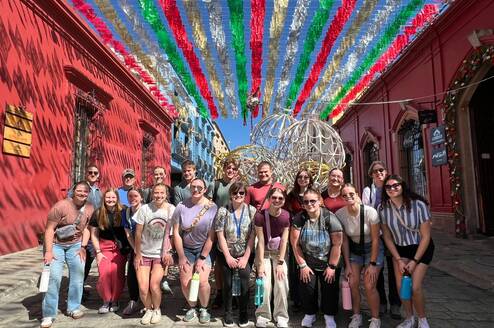
In addition to my clinical experience, my time in Oaxaca was shaped in meaningful ways outside of the hospital. Living with a host family gave me a genuine look into daily life and culture in a way that you simply can’t get as a visitor. From sharing meals to everyday conversations, I felt welcomed and supported, which made the experience feel much more personal. The language school was another highlight. It helped me build confidence in my Spanish and gave me a supportive space to improve my communication skills. That growth extended beyond the classroom and helped me feel more connected overall. Outside of structured activities, I also had the opportunity to experience Oaxaca’s culture through its food, traditions, and strong sense of community. These experiences added depth to my time there and reminded me how important cultural understanding is in both life and medicine.

What was the most unfamiliar thing you ate?
I tried Chapulines (grasshoppers) and it was delicious!
David
4/5
Yes, I recommend this program

A month in Ecuador

I had a great experience participating in Child Family Health International’s (CFHI) global health program in Ecuador. The program provided numerous opportunities to learn about the health care system in Ecuador. Over the course of the month, I was able to rotate through a private hospital, a non-governmental organization (NGO) hospital, and a public outpatient specialty hospital in the capital, Quito. I also spent a week in a community-based integrative medicine clinic in Otavalo, a small city north of Quito that serves as cultural hub for the Kichwa Otavalo people. The clinic focuses on blending indigenous Andean traditional and conventional medicine together. These experiences helped me appreciate barriers to healthcare and other socioeconomic disparities faced in the country. I also witnessed the resilience of Ecuadorian physicians, residents, nurses, and other critical clinical staff as they navigated limited resources to provide high-quality care to their patients and inspired me to continue to advocate for equitable, and culturally informed care wherever I practice.

Jessica
5/5
Yes, I recommend this program

An Amazing Global Health Experience in Durban!

I really enjoyed the month that I spent in Durban, South Africa with CFHI. As a fourth-year medical student, I felt able to contribute to the team by taking patient histories, performing physical exams for new patients, and joining the team on rounds. I saw unique cases including cryptococcal meningitis and HIV-associated wasting, a condition that is now relatively rare with the invention and increased access to antiretroviral therapy. I also strengthened my clinical skills by learning more in-depth physical exam maneuvers, which were especially important in a system where rapid access to X-ray, CT, or ultrasound imaging is not always available to confirm a diagnosis. I also spent a week in various clinics and hospice sites where I saw firsthand the challenges of an overburdened healthcare system, as well as the ways nonprofit organizations have developed innovative approaches to support hospice patients.

I also can’t forget to mention the beauty of the KwaZulu Natal Province and the opportunity to learn more about Zulu culture during my time there. I would highly recommend this experience for anyone who is passionate about global health, particularly HIV/AIDS and chronic disease management, as well as those interested in working in Sub-Saharan Africa.

What is your advice to future travelers on this program?
My advice is to be open-minded and learn as much as you can. There is so many wonderful teachers inside and outside of the hospital so take every opportunity to ask questions about healthcare, day to day life, and South Africa! Also, don't be afraid to learn more by joining local medical students for their didatics, following your intern to teaching conferences, or joining a different team if they are having a more interesting day! Also take advantage of being in Durban by visiting nearby areas such as Ballito, Umhlanga and Drakensberg over the weekend. A Cape Town trip is a must!
Pros
  • Huge range of cases given that Victoria Mxenge hospital is a tertiary care center
  • All the clinicians, interns, and local medical students are welcoming and eager to teach
  • Living in Durban gives you access to wonderful beaches and food as well as couple hours away from beautiful nature (Drakensburg Mountains)

Programs

Displaying 10 - 14 of 14

Alumni Interviews

These are in-depth Q&A sessions with verified alumni.
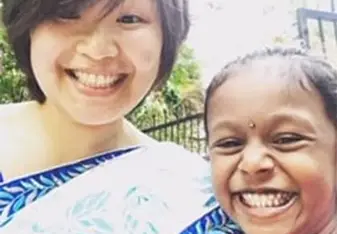
Sharon Goh

Sharon Goh

Why did you choose this program?

I chose participate in CFHI’s Maternal and Child Health Program in India because it allows me to experience the challenges expecting mothers face in the developing world. On top of that, I have always been fascinated by the vibrant and colorful culture of India. Hence, this program is the perfect fit for me!

What did your program provider assist you with, and what did you have to organize on your own?

The website of Child Family Health International (CFHI) has very clear instructions on the entire application process and how to proceed after being accepted into the program. The staff at CFHI were very helpful and knowledgeable. They provided me with all the information needed (contacts both locally and abroad, reading material on the traditions and culture of India, as well as the healthcare system, options for travel insurance and the outline of the program and accommodation details). I only had to search and purchase my flight ticket, apply for my traveling visa and get necessary vaccinations.

What is one piece of advice you'd give to someone going on your program?

There is free time during the weekends, so it would be great to research on the places/ attractions that you would like to visit beforehand so you are able to make full use of your time in India. Most importantly, go and experience with an open mindset! You are abroad with two identities - a tourist and a student.

What does an average day/week look like as a participant of this program?

We would start our day with breakfast (traditional Indian food) at the medical director's house and move on with shadowing rotations at different pediatric and obstetric hospitals and small rural clinics in and around Pune, under the supervision of local preceptors. We attended optional yoga classes once every week before breakfast. During the weekends, we would explore around the nearby cities in Maharashtra State to learn more about the history and culture of India. Also, jamming to Bollywood music is part of our daily routine when we were on the road.

Going into your experience abroad, what was your biggest fear, and how did you overcome it? How did your views on the issue change?

I was a little worried about not being able to adapt the living conditions and the issue of obtaining clean drinking water. However, the accommodation was fine and we have easy access to clean drinking water. I realized that sometimes worrying does not help to solve the problem. The best thing that you can do is to stay positive, accept whatever comes your way and you will be surprised that you can adapt and be just as fine! Putting yourself out of your comfort zone is the way to allow yourself to grow and learn from others!

Staff Interviews

These are in-depth Q&A sessions with program leaders.
Amy Krzyzek

Job Title
Assistant Director, Africa, Asia-Pacific, and US Programs
Amy is passionate about the field of experiential education and has 8 years of experience managing global education programs in the Global South. She feels really grateful to work for an organization that engages in conversations around ethics and social justice, and that tangibly supports the work of communities and NGOs in the places where she works.
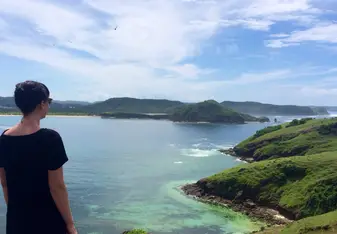
Amy Krzyzek standing in front of a seaside view with mountains in the distance

What is your favorite travel memory?

In 2019, I was working in Nepal for a couple months, and I was able to do several days of trekking in the Annapurna region. One morning, we woke up really early to climb to a snowy peak at 12,000 ft, and we were greeted with the most beautiful sunrise, with 360 degree views of the Himalayas. There were only a few other people there, and we all silently enjoyed the stunning views together, with mugs of hot chai in hand.

How have you changed/grown since working for your current company?

I used to travel with students and serve as lead educator on global education programs. Now, I am behind the scenes, where I have the opportunity to support partners in Asia, Africa, and the US to be the stars of the show. It's really great to have students be taught by our global partners, as these local leaders are the true experts of the global health challenges and solutions in their contexts.

What is the best story you've heard from a return student?

Last summer, a talented student shared a beautifully-illustrated journal of her experiences in India, and I appreciated seeing her reflections and all of the day-to-day changes that occurred in her thinking. These small shifts in perspectives, assumptions, and worldviews plant seeds that help shape our studies and our careers.

If you could go on any program that your company offers, which one would you choose and why?

I grew up in a rural area and enjoy learning about the challenges of delivering healthcare in rural/remote settings. For that reason, some programs I am drawn to are Remote Island Medicine in the Philippines, Rural/Urban Himalayan Rotation in India, and Maternal Child Health, HIV, & Realities of Health Access in Uganda.

What makes your company unique? When were you especially proud of your team?

We are thought leaders in the field of global health education, and we are always pushing to advance ethics in this space. We do this in formal ways, including publishing research. We also do this informally in our conversations with academic partners and students. We know that universities, students, and professionals often have good intentions, but good intentions are not enough. CFHI is committed to ensuring that global health programs have positive impacts on locally-led health initiatives.

What do you believe to be the biggest factor in being a successful company?

I believe the biggest factor in being a successful company is that CFHI is so fortunate to have a network of global partners across 12 countries. We work with 200+ individuals in about 75 clinics, hospitals, and NGOs at our sites. This network of global health leaders who teach and support our students is without a doubt our greatest asset.

Professional Associations

The Forum on Education Abroad Logo
NAFSA Logo