
How to Get a Paid Summer Internship Abroad in 2026
Learn how to spend your summer combining experiential learning with life-changing travel through a paid internship abroad.

Key Takeaways 🔑
- Paid internships abroad are real, but they're competitive — start your search two to three months before your target dates.
- Whether you get paid depends on the country's labor and visa laws as much as the company itself, so confirm compensation in writing before you commit.
- Popular paid fields right now: finance and engineering in Germany, marketing and business in Spain, law and media in England, and business/finance placements across Asia.
- Even a paid internship rarely covers your full trip — budget for it to offset flights, visa fees, and housing, not replace your savings.
- Your best shot at getting paid usually comes through an established provider (like Go Abroad China or The Intern Group) rather than a cold application, since providers negotiate stipends into the placement.
Pursuing an internship abroad is one of the best ways to gain skills in the field of your choice, and international placements make it easy for you to gain experience from world-class organizations. You’ll also have the opportunity to experience a different work culture in another country, which will encourage you to step outside your comfort zone, take on new challenges, and pick up transferable skills that will be valuable for your career.
If you’re interested in combining travel with on-the-job experience this summer, read on to learn how to find internships abroad in 2026.
1. Establish goals

Before diving into your search, you'll need to lay out your goals and the things you want to achieve. You can start by asking yourself the following:
- Where do I want to go?
- How long do I want to intern?
- What type of work do I want to do?
- What do I want to have achieved by the end of my internship?
- How much support do I want or need through the application and visa process?
- Do I want to work independently or with a team during my internship?
Knowing what you want out of your experience will help guide your search and will help ensure you find it both fun and useful for your future career.
2. Pick a location
Choosing the country that best fits your professional and personal internship goals can be challenging. There are many fantastic options, and the right fit for you will depend on various factors, like the language you seek to work in, the type of work you are pursuing, and the work culture that best suits you.
Some popular countries to intern abroad include:
- England: law, history/historic preservation, film and media
- Spain: marketing, business
- Germany: finance, engineering
- Costa Rica: conservation, health and medicine
- Singapore: finance, electronics, tourism
- South Africa: conservation, engineering
While these destinations may be the most desirable for most prospective interns, that doesn't mean they're the best for you. We encourage candidates to take on new challenges and find the program that best fits their goals.
Read more: The Best Cities to Find an Internship Abroad
3. Update your resume
Even if you don’t have any job experience yet, having a resume that showcases your achievements will help you stand out to employers offering internships. Some things to include are:
- Work experience (if applicable)
- Volunteer experience
- Classes you’ve taken and grades earned
- Extracurricular activities and clubs
As intense as it sounds, you should tailor your resume and cover letter to each internship you apply to. Paid internships tend to be highly competitive and employers are unlikely to be impressed by generic application materials. Mirror language in the job posting and be sure to include hard AND soft skills.
4. Begin your search
There are two general paths to finding paid internships abroad for college students. The first is to go through a program provider, who will assist you through the entire process, from placing you with an organization to helping navigate the visa application. The second is to search for and apply to opportunities directly on your own.
Get a paid internship through a program provider
Program providers generally charge a fee and many place participants in unpaid internships. Although it can be rare to land a paid internship through a provider, it is still possible. Some providers who offer paid internship opportunities include:
Paid program providers
| Program | Paid internship fields | Locations |
|---|---|---|
| The Intern Group | Business, marketing, PR, finance, government, non-profit | Madrid, Dublin, London, New York, Tokyo, Bangkok, Hong Kong, Melbourne, Medellín |
| Go Abroad China | Business, logistics, supply chain, marketing, PR, finance, investment banking, hospitality | Shanghai, Beijing, Pudong |
| Beyond Academy | 18+ industries, from architecture and business to journalism and law | Japan, South Korea, England, Spain, US, Australia, Ireland, Netherlands, France, Germany, Sweden, Thailand, Canada |
| JENZA | Data science, general business roles | UK, US, Australia, Canada, New Zealand |
Get a paid internship on your own
If you decide to forgo a program provider, you can search for and apply to internships abroad online. Job search websites like LinkedIn or Indeed are a good way to cast a wide net.
You may also want to look at the career pages of companies you like. While interning for a big multinational corporation might be your dream, there will also be more competition. Try to identify some smaller companies that may be willing to sponsor a visa.
5. Start applying
Once you’ve identified your top options, you’ll need to start applying. Since the application process can take some time, it’s important to get started early. You should start your research four to six months before the start date and begin applying for open positions two to three months beforehand. Expect to spend time during the spring participating in interviews. With your application, you may be asked to include:
- Resume
- Cover letter
- Letter(s) of recommendation
- Proof of enrollment in a degree program
- Transcripts
Once you have an offer, begin gathering your travel documents!
6. Prepare your travel documents
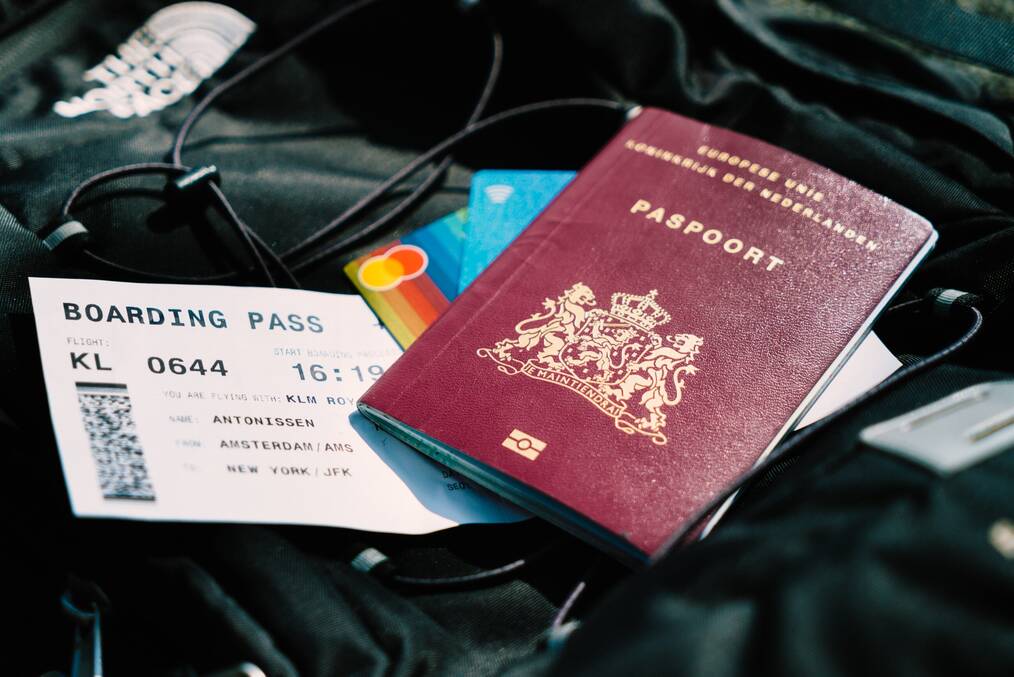
Before you jet off to your internship destination, there are a few documents you’ll need to secure.
- Passport: If you don’t already have your passport, you’ll need to apply for one. New passports must be applied for in person.
- Visa: Paid internships may or may not require you to apply for a visa depending on whether you are paid via a stipend or as a worker. Some countries have specific visas for internships that allow you to legally be paid. You can consult with your employer or internship provider to learn the specifics.
- Plane tickets: You may want to wait until your visa is approved to purchase your plane tickets unless your visa application requires proof of roundtrip tickets. Be on the lookout for tips and tricks to book cheap flight deals.
To avoid stress, you’ll want to plan to secure your documents well in advance of your departure date. Keep in mind passport and visa processing times can vary and may be slower as it gets closer to summer.
Alternatives to consider
Getting a paid internship can be tricky but there are alternatives to consider if you aren’t successful your first time around. You can look into the following:
- Internships for school credit: Although you’ll likely be paying for an internship that grants school credit, you’re still getting bang for your buck by knocking out credits while beefing up your resume.
- Volunteering: This can be a great way to give back and gain experience at the same time. By volunteering abroad in your field, you’ll receive guidance and support as a volunteer and can meet people your age who share similar goals and values.
- Scholarships: Luckily, scholarships aren’t just for studying abroad. You can find funding to help pay for an internship program and other associated costs should you be unable to get a paid internship.
Commonly asked questions about paid internships
Are paid internships abroad hard to find?
They're out there, but you'll have to work for them — paid placements get more applicants than unpaid ones, so timing and persistence matter. We'd suggest applying through a program provider and searching independently on LinkedIn or Indeed to widen your odds.
Which countries offer the best paid internships abroad?
Germany (finance, engineering), Spain (marketing, business), England (law, media), and Singapore (finance, tech, tourism) consistently have the strongest paid opportunities, largely because their labor markets are set up for structured internship compensation. China and other parts of Asia are also strong for paid business and finance placements through provider programs.
How much do paid internships abroad typically pay?
It varies a lot by country, field, and whether you go through a provider or apply directly — some placements offer a modest stipend to cover daily costs, while others (especially in finance or tech) pay closer to a local living wage. We always recommend getting the exact stipend or salary in writing before you accept an offer, since "paid" can mean very different things.
Do I need a visa for a paid internship abroad?
In almost every case, yes — and getting paid usually makes the visa process more involved, not less, since many countries require a specific work or training visa (not just a tourist visa) for compensated positions. Start this process as early as you start applying, because visa timelines can take longer than the internship search itself.
Is it worth paying a program fee if the internship itself is paid?
It can be! If that fee covers things you'd otherwise have to figure out on your own — housing, airport pickup, in-country support, and a guaranteed placement instead of a cold application — it might be money well spent. We'd weigh the provider's fee against what you'd realistically spend (and risk) doing it solo, not just against the stipend you'll earn.
What's the difference between a paid and unpaid internship abroad?
A paid internship comes with a stipend or salary on top of the experience, while an unpaid one gives you the placement and mentorship without direct pay (though some still cover housing or meals). If pay is a priority for you, filter for it early on — it'll narrow your options, but it'll save you from applying for roles that are fully unpaid.
Land your dream paid internship abroad
Doing an internship abroad in the summer will you the chance to see your field from a global perspective, learn from experts, and enjoy new and exciting experiences as you adapt to life abroad and immerse yourself in another culture. Put your summer to work this year and gain skills that will stay with you no matter where you go.
Take the next step in planning your summer internship experience: