Internships in South Korea
Internships in South Korea: your complete guide
So, you're thinking about interning in South Korea? You're in for an unforgettable experience! Whether you picture yourself at a tech company in Seoul, teaching English in Busan, or working with an NGO making a real difference — South Korea delivers an immersive, career-boosting experience.
Here's everything you need to know to make your work and travel dreams happen.
Why South Korea?
South Korea isn't just a cool place to visit — it's one of the world's major economic powerhouses. It ranks among the top 15 largest economies globally, and if you're looking at Asia specifically, it's in the top five. Companies like Samsung, Hyundai, LG, and Kia all call it home.
But it's not all business. The Korean Wave (hallyu) has turned South Korea into a global cultural force — K-pop, K-dramas, film, fashion — and that influence is only growing. Interning here means you're at the intersection of global business and one of the most exciting cultural moments in recent history. Not bad for a resume line!
Where to intern in South Korea
Most internships for international students are based in Seoul, South Korea's capital and economic heartbeat. It's massive — home to over 26 million people in its metro area — and absolutely buzzing with opportunity across nearly every industry you can think of.
Not a big-city person? Busan, South Korea's second-largest city, has a more relaxed coastal vibe with strong opportunities in tourism, trade, and logistics. And if you're drawn to NGO work, cities like Gwangju are home to smaller organizations doing meaningful human rights work.
Top industries for international interns
South Korea, one of the world’s wealthiest nations, ranks 13th for GDP and has one of the fastest-growing economies globally. As a developed country with a thriving market, South Korea is a major Asian business hub with a focus on science and information technology.
Interns can find a wide range of positions in these popular fields:
- Automotive & engineering: Hyundai, Kia, and a whole ecosystem of manufacturers and suppliers are based here, especially in Seoul and Incheon.
- Electronics, technology, & gaming: South Korea is the world's top producer of memory semiconductors, and its gaming industry is massive. If you're into tech, this is your playground!
- Human rights: Aspiring activists can work alongside NGOs defending the human rights of vulnerable groups including women, LGBTQIA+ individuals, andNorth Korean defectors.
- Marketing & communications: Lots of Korean companies are actively looking for English-speaking interns to support global campaigns, social media, and content strategy. Strong writers, this one's for you.
- Teaching English: Korea is a thriving location for TEFL teachers, whether they want to work in public schools through EPIK or at private schools known as “hagwons”.
- Entertainment, media, and fashion: If you're up-to-date on your pop culture, you'll know there's real demand for interns in entertainment, media, and fashion — especially at companies expanding their global reach. Maybe you'll find yourself working your dream job at Hybe! 👀
How to land an internship in Korea
Getting from "I want to do this" to actually boarding that plane comes down to a few key steps. Here's how to make your internship dreams in Korea actually happen:
- Figure out your goals. What do you want to get out of this — a specific skill set, language practice, or a foot in the door at an international company? Getting clear on your goals helps you target the right programs from the start.
- Update your resume. Tailor it to the role you're going for, highlighting transferable skills, relevant coursework, and any international experience. If you have a portfolio, link to it.
- Find your program or position. You can use a placement provider (like the ones listed here on Go Overseas!) to get matched with a host company and guided through the process — or apply directly to roles that catch your eye.
- Nail your interview. Research the company's values and recent work, and be ready to explain why you want to work in South Korea specifically. Even for virtual interviews, dress professionally and open with a slight bow — it goes a long way with Korean employers.
- Sort out your visa. Unpaid internships typically run on a tourist or student visa; paid roles require employer sponsorship. If you're from one of approximately 29 eligible countries (including the USA, Canada, Australia, New Zealand, and the UK), the Working Holiday Visa (H-1) lets you work up to 25 hours per week while you're there. Always confirm current requirements with your local Korean embassy before applying.
💡 Pro tip: Start building your portfolio, resume, and researching opportunities three to six months before your target internship date, since applications, interviews, and visa processing time adds up fast.
Things to know before you go
South Korea will surprise you — in the best way. But a little prep goes a long way. Here's what to keep in mind before you arrive:
- Budget roughly $1,300–$1,800 USD per month, covering rent, food, and getting around. Housing is your biggest expense, so consider sharing an apartment with other interns or expats to cut costs.
- Food and transit are affordable. Korean grocery stores and markets are incredible, and cooking at home is easy and cheap. Seoul's subway and bus network is world-class — a monthly pass costs a fraction of what you'd spend on taxis.
- Hierarchy is real at work. Respect for seniority is a core part of Korean workplace culture. When in doubt, follow your supervisor's lead and show deference to those above you.
- Greetings matter. A slight bow is standard — deeper for more senior colleagues. Annyeong haseyo (안녕하세요) works for everyday settings; annyeong hashimnikka (안녕하십니까) is more formal — use the latter with superiors.
- Say yes to after-work plans. Dinners, coffee runs, the occasional norebang (karaoke) session — socializing with colleagues is genuinely how professional relationships are built in Korea. Don't skip it.
- You don't need to speak Korean fluently, but learning a few phrases goes a long way. Local language academies (어학원) are affordable and easy to find in most Korean cities.
Korea's professional culture is relationship-driven, and the connections you build here — with colleagues, at job fairs, over a shared meal — can really make an impact.
Interning in Korea, at a glance
| Best cities | Seoul, Busan, Incheon, Gwangju |
| Top industries | Tech, automotive, marketing, NGOs, English teaching, K-culture |
| Monthly budget | ~$1,300–$1,800 USD |
| Working Holiday Visa | ~29 eligible countries, ages 18–30 (varies) |
| English at work? | Yes, at most international-facing companies |
| Best time to apply | 3–6 months before your start date |
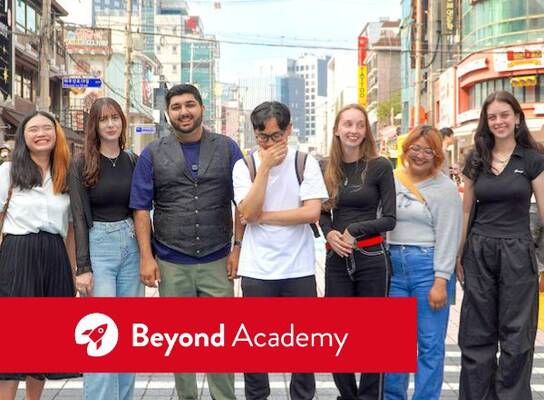
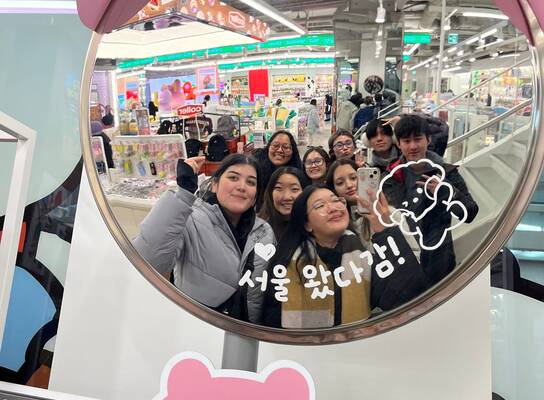


Internship Programs in South Korea
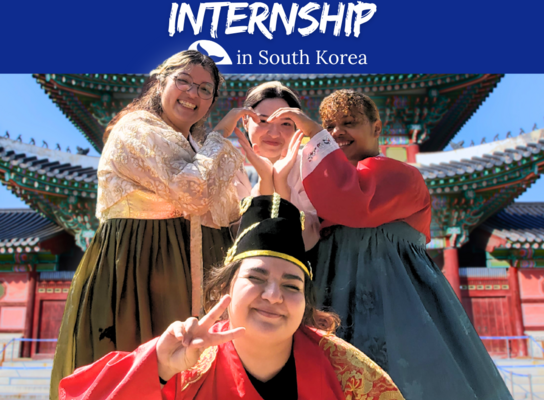




What People Are Saying

Related Internships Abroad Articles



Frequently Asked Questions
-
What kind of programs can I go on if I win?
WorldStrides offers a variety of programs in South Korea. Whether you want to study abroad in Seoul, Busan, or intern abroad in Seoul, the choice is yours!
-
Do I need to speak Korean to intern or study in Korea?
Not necessarily! Many universities and internship hosts offer programs in English, especially in Seoul and Busan. That said, learning a few basic Korean phrases will make daily life easier and help you connect with locals.
-
Why should I study or intern in South Korea?
South Korea is known for its vibrant culture, tech-driven economy, and world-class education system. You’ll get to experience everything from K-pop and street food to cutting-edge industries and traditional palaces — all while gaining global experience that looks amazing on your resume!
-
Who is eligible to enter the contest?
The contest is open to U.S. citizens, 18 years or older, who enroll and study or intern in South Korea with WorldStrides this year or next. Alumni who have already completed a WorldStrides program in Korea in 2025 are also eligible.
-
When is the best time to find an internship in South Korea?
Job fairs are frequent, and many providers hire interns year round, meaning that there are flexible options for those looking for opportunities online and in-country.
-
How much does it cost to live in South Korea for a year?
You can expect to pay around $1,300- $1800 per month, including transportation, food, entertainment, and rent. Your highest expenses will likely be housing, but teachers in South Korea will often find programs with accommodations included, or monthly housing stipends!
-
Can you travel to South Korea this year?
Yes, all are welcome to visit South Korea and study, teach, work, and more in 2023!
-
What visa do I need to intern in South Korea?
There are a few visas that will provide you with work rights in South Korea. You can be sponsored for a short or long-term visa by your employer, you can apply for a working holiday visa, or you can intern on a student visa.
-
Can I get a paid internship in South Korea?
Yes! Paid internships in South Korea are possible to find, however, you will need to be sponsored by your employer.
-
How can I get an internship in South Korea?
First, narrow down your desired industry and city within South Korea before starting your internship search online. Go Overseas, Seoul Global Center, and KOPRA are a few resources where you can find internship opportunities. If you're already in South Korea, you can also attend job fairs at local universities.