Study Abroad Programs in Japan
Whether you love Japanese food, are a culture and language enthusiast, or are just keen to travel somewhere new, studying abroad in Japan is a great choice for international students. Study for a semester, full year, or even get an entire degree!
In Japan, you can study everything from the humanities and social sciences to engineering and computer science with many universities offering a range of classes in English. If improving your Japanese is the goal, language students will find top-notch university immersion programs in dazzling cities like Tokyo, Kyoto, and Fukuoka.
Higher education in Japan is world-renowned and there are universities all over the island that welcome international students for short-term or long-term study.
The University of Tokyo
Ranked 28th in the world by QS World University Rankings, The University of Tokyo is a top-notch university to spend a semester or full year. Only around 12% of undergraduates are international students, making it a great opportunity to practice your Japanese and get to know local students.
📚Top programs: physics, natural and marine sciences, and arts and humanities
Kyoto University
Kyoto University consistently ranks in the top five universities in Japan and is also highly ranked globally. Research is a major focus at this university and there are plenty of opportunities for students to engage in cutting-edge projects in a variety of fields. Kyoto University directly partners with 13 US universities, so be sure to check if yours is one of them!
📚Top programs: history, modern languages, engineering, natural sciences
Sophia University
Located in exciting Tokyo, Sophia University’s international students come from more than 81 countries. With many classes taught in English, you can study abroad in Japan without having previously studied the language (though they have Japanese language classes for international students!)
📚Top programs: modern languages and linguistics, humanities
International students who want to study abroad in Japan have no shortage of amazing destinations to choose from. Here are a few of the best cities to help narrow down your list.
Tokyo
Japan’s capital is the perfect destination for international students. Tokyo’s vibrant shopping streets, acclaimed restaurants, and numerous cultural offerings will immerse you in many of the best things the country has to offer. If studying abroad in Tokyo has been your dream, you’ll find a truly diverse atmosphere here and will likely never have a dull day.
Kyoto
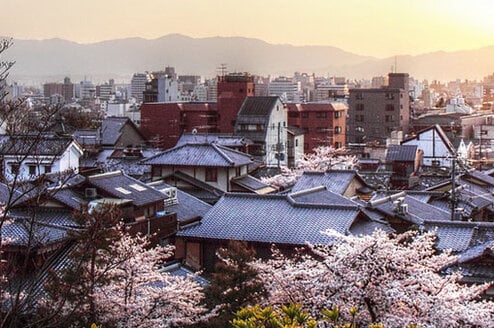
Kyoto offers international students a glimpse into the more traditional and historic side of Japan. It’s home to several UNESCO heritage sites, lush gardens, lovingly maintained temples, and iconic machiya townhouses. With a population of around 1.5 million, you’ll get a “just right” feel in a larger city that isn’t overwhelming.
Fukuoka
A beautiful seaside city on the northern shore of Japan’s Kyushu island, Fukuoka is a great destination for international students who want to be near the water. Fukuoka is also considered the gateway to Asia given its proximity to South Korea and China. Students who want to experience city life while simultaneously being close to nature will love Fukuoka. The cost of living is also much more affordable than in Tokyo.
While requirements may differ depending on the university or program, these are generally the steps you’ll need to follow to study abroad in Japan.
- Research programs and universities. You can study abroad in Japan through direct enrollment, a program provider, or through your university. They all have their pros and cons, so research is key to finding the best fit for your academic goals and budget.
- Ensure you meet the eligibility requirements. To study at universities in Japan, you need to be at least 18 years old. Some study abroad programs in Japan require a minimum GPA of at least a 3.0 to participate. Although Japanese language abilities are helpful, they may not be necessary if the program is in English.
- Prepare your application materials. You’ll need to gather several important documents, usually your transcripts, letters of recommendation, and a personal statement or statement of purpose.
- Apply for a visa. Once you’ve been accepted and received your Certificate of Eligibility, you can apply for a student visa. In Japan, you’ll need a student visa for programs lasting longer than 90 days. Consult your local Japanese consulate for details regarding the required documents and fees.
- Start budgeting & exploring scholarships. Whether you plan to study abroad using financial aid or are self-funding, working out a budget will help keep your expenses to a minimum. Make sure you factor in costs like flights, housing, food, transport, entertainment, and books and materials in addition to tuition & fees. Scholarships can help defray study abroad costs.
- Prepare for your adventure overseas! Now it’s getting real! Buy your plane tickets, secure university or off-campus housing, and get to packing!
The cost of study abroad programs in Japan can vary depending on if you enroll through a program provider or directly through a university. Generally, direct enrollment tuition fees in Japan for international students range between $3,000 to $20,000 USD, while third-party program provider fees can range between $8,000 to $25,000 USD. Program providers and university-led programs usually include housing and sometimes meals in their plans which can save money.
Enrolling directly at a Japanese university is typically the cheapest way to study in Japan. However, program providers often include housing and arrange major details for you, as well as providing support before and during your study abroad experience.
Scholarships
There is a range of great study abroad scholarships to help fund your academic adventure in Japan. Scholarships specifically for BIPOC students and those eligible for needs-based grants are also available.
Study Abroad Programs in Japan

























What People Are Saying

Related Study Abroad Articles


Frequently Asked Questions
-
What is the most popular major in Japan?
Social sciences, engineering, and humanities are among the top majors to study in Japan. Of course, it is also the number one destination for Japanese language students!
Related Content -
Can an American study abroad in Japan?
US citizens along with many other nationalities can study abroad in Japan. American students can enroll directly in Japanese universities, sign up with a program provider, or participate in an exchange through their home university.
Related Content -
Can I study in Japan without knowing Japanese?
You can absolutely study abroad in Japan even if you aren’t a student of the language. There are many study abroad programs that offer a variety of courses in English.
Related Content -
Is Japan a good study abroad destination?
Japan is a great destination to study abroad in Japanese or English. Aside from being affordable, past international students also reported feeling very safe during their time in Japan.
Related Content -
Where should I study abroad in Japan?
The most popular cities to study abroad in Japan are Tokyo and Kyoto. However, there are other great cities to explore and learn in like Hiroshima, Sapporo, and Osaka.
Related Content -
How much does it cost to study abroad in Japan?
If you enroll directly in a university, tuition fees can range between $3,000 to $20,000. If you enroll through a third-party provider, it may cost a little more with fees generally landing between $8,000 to $25,000. You'll also have to think about living costs like rent, utilities, groceries, and going out.
Related Content