How Does Volunteering Abroad Impact Local Communities?
Curious about the real impact of volunteering abroad? Learn how international volunteers affect local communities—both positively and negatively—and how to choose an ethical, responsible program.

Key Takeaways 🔑
- If done thoughtfully and ethically, international volunteering can have measurable impacts on local communities.
- Responsible providers will make sure volunteers are vetted and that financial matters are properly handled.
- Projects related to construction and development, teaching, and vocational training for women have noted long-term positive effects on the community.
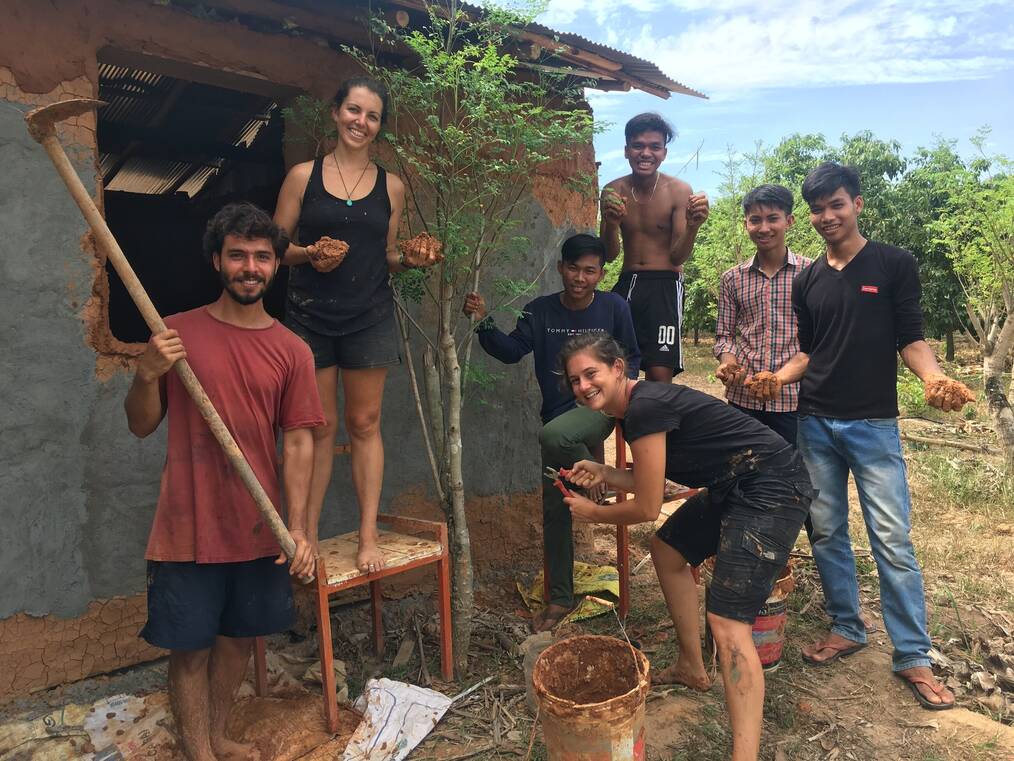
One of the ways you can engage in meaningful travel is through international volunteering. People volunteer for various reasons, but regardless of why you choose to join an overseas service project, there should be one important question at the forefront of your mind: do communities actually benefit from the contributions of international volunteers?
In order to answer this question, we spoke with two of our popular volunteer providers, GVI and IVHQ. Their perspective can help us to understand the role international volunteers play in improving the local communities they serve.
Why is international volunteering important? When done ethically and thoughtfully, volunteering abroad can meaningfully support local communities in their development and sustainability efforts. Many international communities face hurdles such as limited resources, funding, or skilled support. Whether you are a trained professional or simply someone with a big heart, there are a range of impactful ways to contribute with an appropriate scope.
Read more: What's the Difference Between Volunteering Abroad and Voluntourism?
Benefits of volunteering abroad
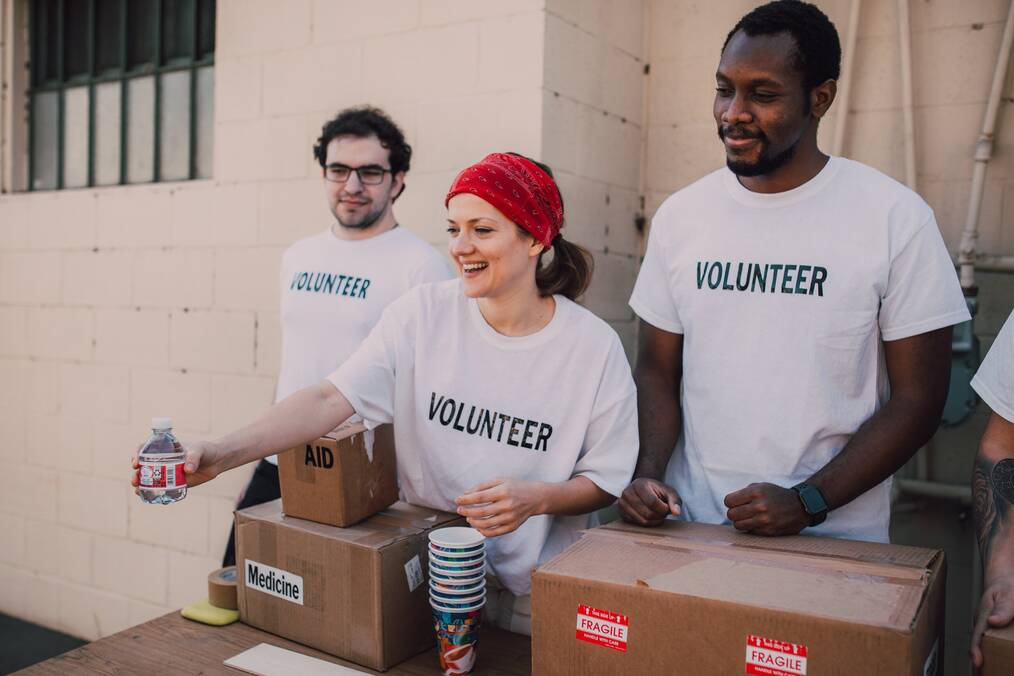
Volunteering abroad has the potential to benefit many of the people involved – not just the community, but you as well.
Benefits to the community
The focus of international volunteering is of course the community where you will serve. Successful and well-planned projects can provide tangible benefits to the target population. Volunteers can benefit communities by providing:
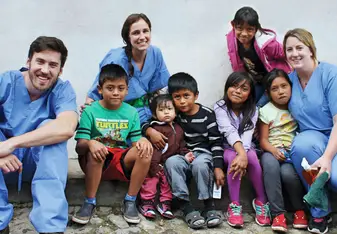
- Specialized skills: Reputable volunteer organizations will match volunteers and their unique and specialized skills to communities where they’re needed. Whether those skills are in health and medicine, construction, or teaching, qualified volunteers can work alongside local professionals as an extra pair of hands.
- Financial support: Many volunteer abroad programs require the payment of a fee to participate. While the donation of your time may seem like a large enough investment, the program fees should go toward the support of the project. Non-profits rely on funding from outside entities and as a volunteer, your program fees will be treated partially like a donation.
- Extra help: Even if you aren’t a licensed teacher or medical professional, there are still many ways you can contribute that frees up other local professionals to better manage their time. If nurses in a local clinic are doing both clinical and administrative work, you can help ease their burden by helping with paperwork, registering patients, and tidying up exam areas. This frees up their ability to focus more on the care and treatment of patients.
Benefits to the volunteer
Although it’s ideal to approach volunteering from a place of altruism, it’s okay to feel good about helping others, and is often a draw for many people to participate in service work. Here are some of the ways you could benefit from volunteering abroad:
- Cultural awareness and sensitivity: The best way to fight ignorance and prejudice is by getting to know the members of marginalized communities. By walking in someone else’s shoes, you will begin to understand how economic and social privilege divides society.
- Career direction: Volunteering with a community health initiative might help you to realize you want to get into medicine. Working with local women and children could ignite a passion to pursue a career in social work or human rights. Getting firsthand experience in a field can be a great way to guide you to a meaningful and fulfilling career path, or alternatively, help you decipher which paths you might not want to take.
- Friendship and lifelong connections: Volunteering abroad is a great way to make important connections with not just the people in the communities where you’re serving, but with your fellow volunteers as well. You will meet many like-minded, idealistic individuals who, like you, want to try to make the world a better place.
Read more: 10 Things I Wish I Had Done Differently as a First-Time Volunteer
Popular projects that make a difference
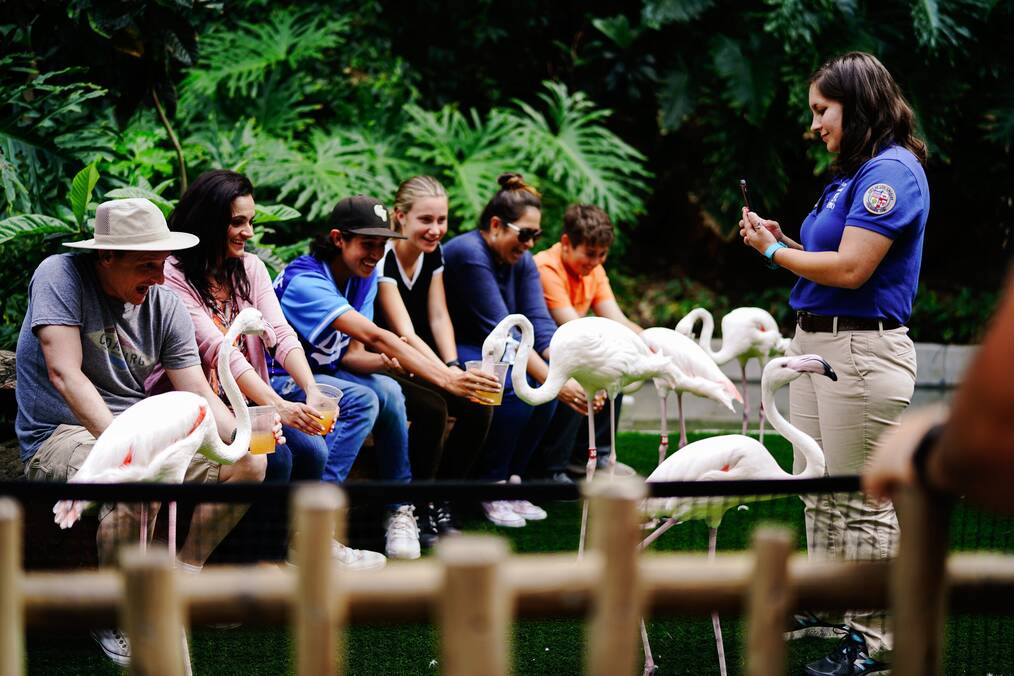
Many types of volunteer projects have the potential to make a real difference, but here are some of the most responsible and impactful.
- Women’s rights: In many countries around the world, women lack basic vocational and educational opportunities. Programs that teach women marketable skills for employment are invaluable in supporting their success and independence. Another aspect of women's empowerment involves education and access to reproductive, maternal, and general health care. This includes helping victims of abuse or trafficking to seek refuge and services.
- Education: If you are a licensed teacher and able to commit a substantial amount of time, teaching can be a great way to provide your services to a community abroad. As long as you are not taking a job away from a qualified local teacher or childcare provider, then this can be an impactful option. This is especially true if you are able to provide a safe space for children to hang out while their parents are at work, allowing their parents to earn money.
- Environmental and wildlife conservation: Whether it's protecting native flora and fauna, participating in a trash cleanup, or helping with important research, volunteers help to maintain biodiversity and fight climate change. Something as simple as guarding turtle nests at night can make a difference in shielding the turtle population from predators and poachers.
- Community development: As long as you are volunteering with a reputable organization who can ensure the sustainability of these structures, building safe housing, schools, and sanitation go a long way to improving the standard of living in a community. Construction sites can use all kinds of volunteers, from those who only know how to swing a hammer to skilled carpenters.
Read more: 50+ Awesome Volunteer Project Ideas
Long-term effects of volunteering on communities
The success of volunteering projects within communities can be measured both through short-term and long-term effects. Ideally though, projects create lasting change over time that is both sustainable and permanent. Even though this can take several years to take shape, slow and steady change is still positive.
Here are two real life examples:
- Education: “IVHQ volunteers helped lift a school’s pass rate from 30% to over 80% in four years in Cape Town, South Africa. Having IVHQ volunteers in the school enabled more students from low-income communities to get individual attention in the classroom,” says Alice Budd from IVHQ.
- Public health and wellness: In Fiji, GVI supported a maternal and child health campaign in conjunction with a local trained nurse. For one of the initiatives, a series of workshops were run for mothers teaching about the benefits of breastfeeding on child nutrition. After nine months, 422 mothers had attended the workshop, and within the following nine months the nurse reported a notable decrease in malnutrition in children under the age of five.
Signs of an impactful volunteer program
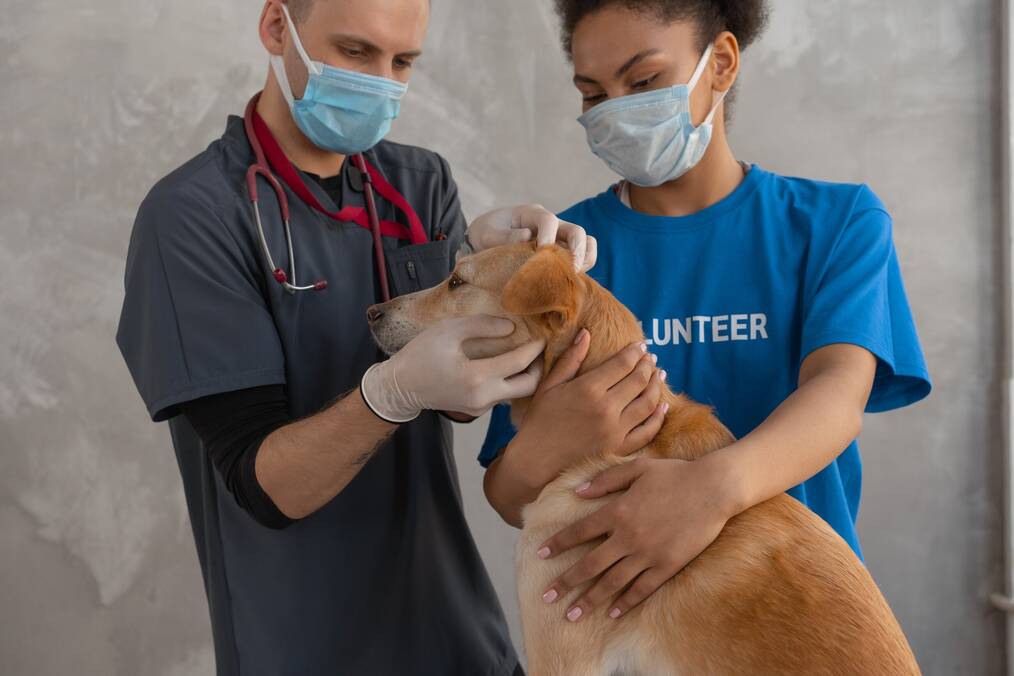
Before jumping into international volunteering, it’s imperative to do your research on the program providers and organizations that you are looking to work with.
Organizations that care about people over profits will make sure that volunteers are properly vetted and matched to the best programs, and that they are using funds in a responsible and ethical way. Here are a few key things to look for:
- They safeguard vulnerable populations: If your role involves children, individuals with disabilities, or economically disadvantaged groups, proper vetting of volunteers along with appropriate training is essential. This includes work in hospitals, prisons, and orphanages as well.
- They properly vet their volunteers: Working with vulnerable people, especially children, should require a background check. Volunteers should be educated and trained on clear codes of conduct for child and animal welfare, cultural exchanges, and handing of monetary donations.
- The projects are sustainable: Look for community-led projects that will continue after volunteers leave. Sustainable programs support the local economy, employ and engage the local community, and align with cultural needs.
- They are transparent about costs: You may ask, “why do I need to pay to volunteer?” If the organization is transparent, they will explain what you’re paying for and exactly where your money goes. Ideally, your funds are funneled back into the community to cover the costs of housing and meals for volunteers, as well as to support whatever project you are participating in.
- They match skills to volunteer roles: If you aren’t a qualified medical professional, it’s probably unwise to expect to engage in direct patient care. Organizations that allow volunteers to function outside of their scope of training are catering to the volunteers themselves and not the people they are supposed to be supporting.
At the end of the day, it’s important to educate yourself on these issues so that you can be sure you are putting your efforts towards a net positive outcome - for both the community you are serving, as well as yourself!
Is volunteering for everyone?
Volunteering abroad isn’t everyone–and that’s perfectly okay! According to GVI and IVHQ, it requires cultural sensitivity, self-awareness, and a drive to step outside of your comfort zone.
You may be working in communities with limited resources, experience language barriers, or be unfamiliar with the living conditions. This can be daunting for first-time travelers, especially. Being honest with yourself ensures a more meaningful and respectful experience for everyone involved.
If you don’t feel quite ready to go abroad, here are some alternatives to international volunteering:
- Fundraising: Identifying an ethical organization and raising funds for them is a great way to contribute from afar. Fundraising can be done online or in-person by hosting a fun event.
- Donating: Donating once or on a recurring basis can be a good way to give back. Even $5 a month adds up over time and can make a big difference to an overseas organization.
- Educational campaigns: Raising awareness for a cause is a great way to get involved at home that doesn’t involve giving or raising money (although it could!). By promoting an organization’s mission, others who identify with the cause may choose to volunteer or donate.
If you aren’t quite ready to go abroad, volunteering within your own community is a great way to give back, and can ensure that your efforts are sustainable and culturally sensitive. Try your hand at working with an organization in your own backyard until you are ready to take the leap and travel abroad!
Read more: How to Deal with Culture Shock While Abroad
Join a project that makes an impact!
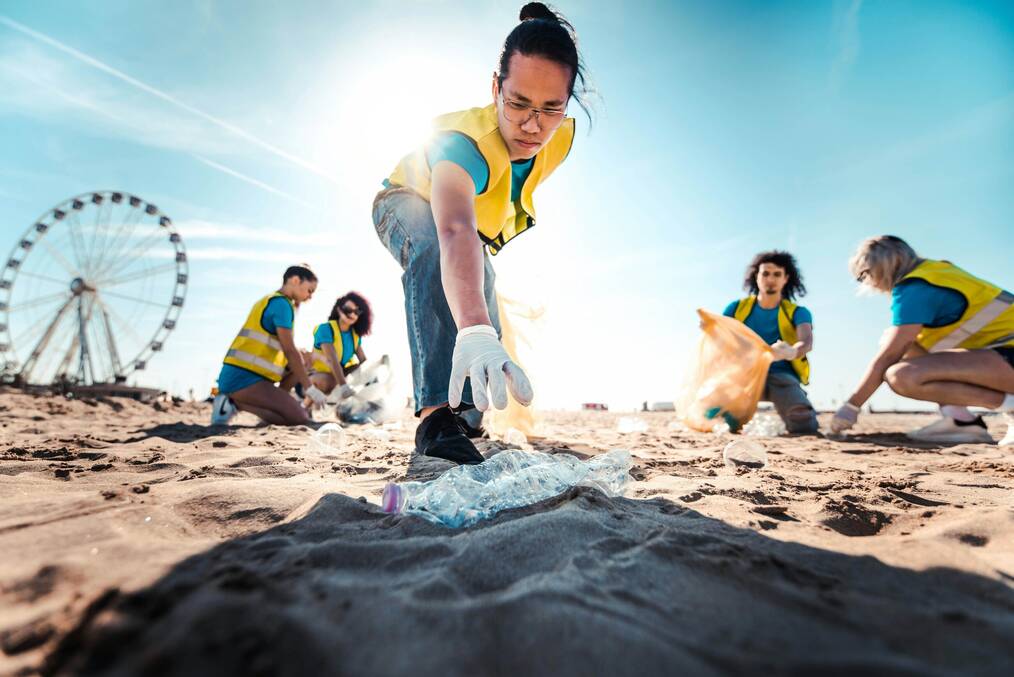
Volunteering overseas has the potential to improve lives and communities if the host organization and volunteers focus on the right goals. Putting the community first and ensuring the safety of those involved will help ensure international volunteering has the maximum positive impact.
Read more about volunteering abroad: