
How to Get Your TEFL Certification: Step-by-Step Guide
It's hard to know where to start before teaching abroad. Getting a TEFL certification is a necessary first step for becoming an ESL teacher. Here's everything you need to know when it comes to choosing a TEFL certification program!

Key Takeaways 🔑
- Define your goals by considering whether you want to teach abroad in the short-term or as a long-term career.
- Online courses tend to be more affordable, but on-site courses can help you build connections and become familiar with the country you want to teach in.
- Make sure the course is accredited by a recognized, independent body within the field.
- A professional-level TEFL certification for teaching English abroad must incorporate at least 100 hours of class time/training and 6 hours of teaching practice.
Dreaming of moving overseas and getting paid to teach English in Europe, Asia, or Latin America? While many English speakers can teach abroad without prior experience - or even a degree in some cases - earning a quality, accredited TEFL certification is essential to securing better jobs and setting yourself up for success.
So, how do you choose the right TEFL course, and what should you look for to make sure it meets employer expectations? We’ve got you covered!
Read on for our step-by-step guide on how to get your TEFL certification!
What is a TEFL certification?
Not to be confused with TESOL or TESL, a TEFL (Teaching English as a Foreign Language) certification is an internationally recognized credential designed to train teachers to confidently teach English to non-native speakers. Regardless of previous experience, a TEFL course helps you become a more effective teacher abroad and provide access to teaching opportunities around the world.
TEFL is also an umbrella term, with certificates such as TESOL (Teachers of English Speakers of Other Languages) and CELTA (Certificate in English Language Teaching to Speakers of Other Languages) falling under this term.
If you’re still unsure what some of the acronyms in this article mean, you can check out our guide to ESL and TEFL terminology!
Is a TEFL certification worth it?
Yes! Whether you’re a seasoned educator or just starting out, a TEFL certification is a valuable investment for any teacher looking to pursue a career teaching English as a foreign language. Although a TEFL course isn’t always required to teach English abroad, it can lead to higher salaries, improved employability, greater earning potential, and increased confidence in the classroom.
Read more: Why Should You Get TEFL Certified?
1. Define your goals

It’s important to know why you want to get certified and how you plan to use your TEFL certificate. Teaching jobs come in many different forms. No two jobs are the same!
Ask yourself, do you want to teach at summer camp in Europe, or spend a few years teaching at public schools in China? Or, do you see TEFL as your ultimate long-term career? When defining your goals, here are some of the key things to consider:
- Career goals: Consider how long you want to teach English abroad, whether it’s a short-term endeavor or your dream career.
- Location: Where do you want to teach abroad? From Asia to Europe and Latin America, different regions - and especially TEFL jobs - will vary in their requirements.
- Personal goals: While some people teach abroad to experience cultural immersion and meet new people, others do so for professional development.
Once you understand your ambition and personal goals, and whether TEFL is an opportunity for professional development or an immersive way to teach abroad, you can narrow down the type of TEFL course that you need to achieve this goal.
Read more: Highest Paying Countries for Teaching English Abroad
2. Decide which type of TEFL certification you need

From the endless acronyms, different teaching styles, and certification levels, there are many factors that you need to consider when deciding on which type of TEFL certification you need.
- TEFL, TESOL, or CELTA: If you want to teach abroad, consider a TEFL or a CELTA course. TEFL certificates are ideal for entry-level teachers who want to get into teaching abroad, and teachers with long-term TEFL ambitions often consider CELTA courses. If you want to teach foreign students in an English speaking country like the US or UK, consider getting a TESOL course.
- Online vs in-person: Consider whether you want to learn online or in-person. If you’re short on time, you may benefit from a self-paced online course to balance with your current schedule. If you want a more rigorous and intensive study program, an in-person program will not only grant you more engaging TEFL training but also in-class experience.
- Live teaching experience: While in-person TEFL courses often include live teaching practice, so do online courses in some cases. You can opt for a hybrid course to lead an online lesson to real students if you want to combine the flexibility of an online TEFL and also the value of live teaching.
3. Research common requirements & accreditation
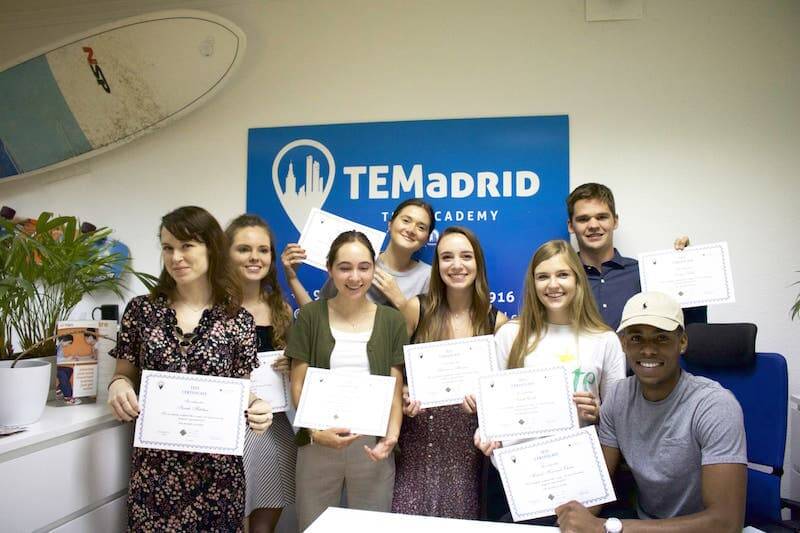
To become a skilled teacher and deliver engaging lessons, you need to receive professional-level training from an accredited institution and highly-qualified instructors.
Here are some of the factors to consider when researching the credibility of a TEFL course:
- Learning hours: TEFL courses range from 30 hour courses to 300+ hours. Generally, most TEFL jobs list 120 hours as the minimum requirement to teach abroad. However, teachers can take shorter, 30-hour TEFL courses to improve their teaching skills or specialize in a niche, such as teaching Business English, for example.
- Accreditation: Valid accreditation will verify to employers that your TEFL course meets quality standards with regards to its curriculum, hours of training, practice teaching and the level of instructions. Reputable TEFL accreditation bodies include; ACCET, ACTDEC, IATEFL, ODLQC, TQUK, Cambridge University, Trinity College.
- Instructor quality: Research whether the TEFL course has been designed by an experienced and qualified TEFL teacher. A reputable TEFL course should be designed or taught by a university-level instructor with at least a master’s degree in TESOL or a related field, and extensive experience both teaching English as a foreign language and training teachers.
Read more: Frequently Asked Questions About TEFL
4. Compare TEFL program costs

As you'll learn, TEFL programs come in a wide range of prices. The good news is, it’s possible to find inexpensive TEFL courses that are internationally recognized.
Reputable TEFL courses can range from $500 - $3,500 USD depending on the provider, hours, and accreditation. CELTA, for example, is one of the most recognizable names in TEFL, so you’re paying for brand recognition as well as quality training.
When searching for affordability, keep your career goals in mind to ensure you're not taking a course that offers little long-term value or overpaying for training you may not need!
- In-person TEFL courses: In-person TEFL courses can range from $1,500-$3,500 USD, with a CELTA course in the U.S. often costing around $2,000-$3,000 USD. While expensive, it’s an investment to better jobs and higher salaries. However, consider completing in-person TEFL courses in the country you’re planning to teach. Teachers can save $500-$1,000 by taking their course abroad, though travel costs may offset savings.
- Online TEFL courses: Online TEFL courses range from $300–$2,000 USD, depending on the provider and accreditation. Be cautious of “free” courses, as they’re typically unaccredited and not recognized by employers. While some online courses are extremely affordable, the lower price may not be worth it.
- Hybrid TEFL courses: Hybrid TEFL courses combine online coursework with in-person teaching practice. They’re a solid option if you want hands-on experience but still need flexibility. Prices usually fall between $500–$2,500 USD.
Read more: How Much Does a TEFL Certificate Cost?
5. Consider whether you need additional support

While learning classroom fundamentals is important, guidance on job markets, recruiters, and interviews greatly improves your chances of landing a teaching job abroad. This is why it’s important to consider not only the course itself, but the course provider.
Many reputable TEFL providers offer interview coaching, school and recruiter contacts, and referrals, giving graduates a clear edge. Beyond placement, it’s also worth considering the level of ongoing support, alumni networks, and optional specialty courses (like business English or young learners), especially if you’re planning a long-term teaching career.
Not every program includes these extras, and their absence doesn’t mean a course lacks quality, but they’re important factors to weigh when choosing the right TEFL program for your goals.
TEFL program red flags to avoid

Unfortunately, the TEFL industry is not without pitfalls when providing quality courses. Any amount of money is too much to spend on a course that doesn't give you the skills or qualifications you need to apply for a great job.
Here’s what you should avoid when picking a TEFL certification program:
- Not accredited: Any program worth your investment will be accredited or recognized. No accreditation? Find another!
- Lack of clarity: Is it easy to identify and contact specific people from the organization when browsing their website? If not, ask yourself why they would want to hide their identities.
- No alumni network: Try and get in touch with alumni from the program in which you’re interested. Ask them about the pros and cons of the program and how it prepared them to teach English abroad. An important question to ask - did this program help them get the job they wanted?
- Cheap courses: By “cheap,” we don’t necessarily mean affordable – we mean rushed, low-quality programs. While they may be tempting in the short term, extremely cheap courses often don’t meet industry standards and may not be worth your time or effort. If you’re serious about teaching English abroad, it’s important to think long-term and invest in a program that will actually support your career.
Start your TEFL certification journey
Certainly taking a high quality TEFL certification class will require an investment of time and money. But, when you’re considering moving countries to live and work, obtaining a certification that qualifies you for tens of thousands of jobs worldwide may be the best investment you ever make.
Begin your TEFL journey: